
+ Phrases Every Grandkid Needs to Hear from You Before They Grow Up

My mom came to stay with us for a week in late fall. The house was cold, the kids were restless, and my husband was working long days. I am a stay at home mom to three kids, and I used to teach, so I spend a lot of time listening to how adults talk to children. That week I started writing down the things my mom said to my kids. Most of the phrases were short. All of them mattered.
I also asked readers of this blog who are grandparents to send me the phrases they make sure to say. The replies filled my inbox for days. Grandparents from all over the country wrote in with the same short sentences, said in different ways. I have included some of those replies below, with each reader’s name, age, and hometown.
This is not a list of rules. It is a list of plain sentences that help a child feel known and safe. Here is what I heard, in my kitchen and in my inbox, during that week.
Say plainly that you are glad your grandkid is here
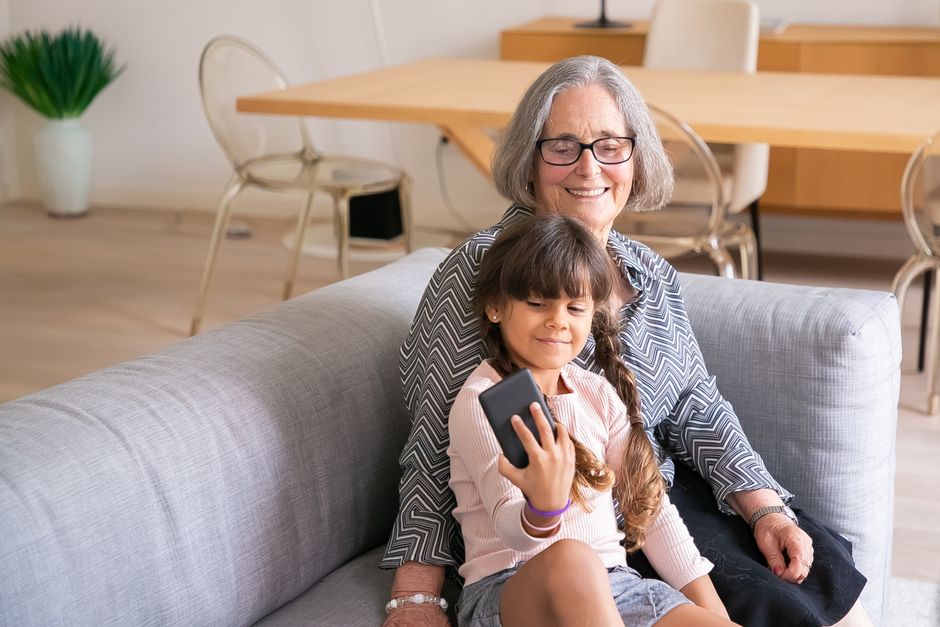
My mom came to stay with us for a week in late fall. When my mom walked in the front door, our youngest hid behind my legs and would not look up. My mom set the suitcase down, bent down to eye level, and said, “I am so glad you are here.” Our youngest stepped out after that and reached for a hug. Nothing else was needed. A child wants to hear that showing up is enough, before any talk about school or manners. Judy H., 66, from Fort Wayne, Indiana, wrote to say the same thing. “I say it the minute my grandkids walk in, before coats are off. I want the welcome to come before anything else.” Say it out loud. Do not assume the child already knows.
Ask to hear more instead of changing the subject
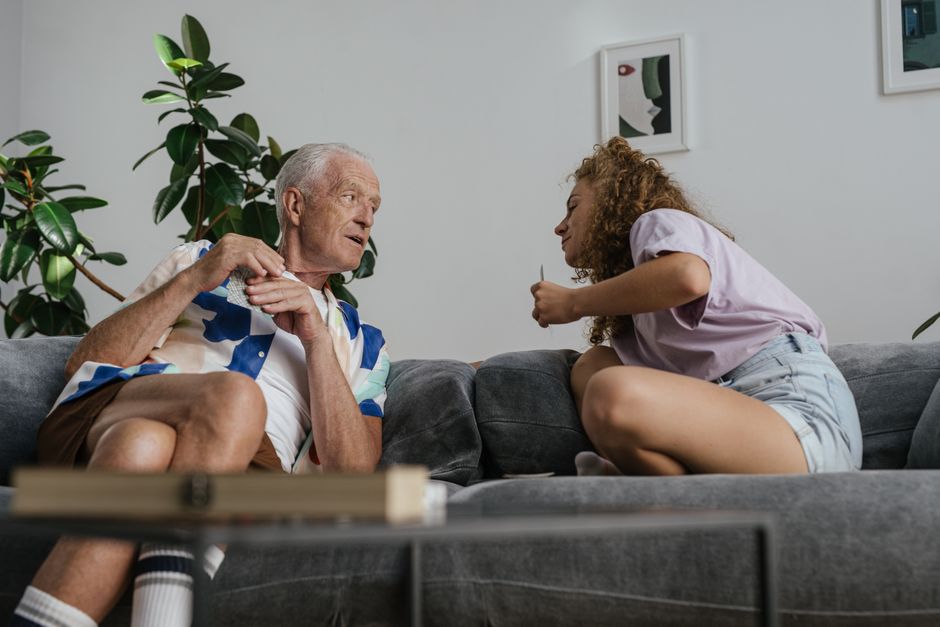
During the week my mom stayed with us, our middle one came home with a long story about a science project at school. The story had no clear end. I was ready to say “that is nice” and move on to dinner. My mom turned off the water at the sink, dried both hands, and said, “Tell me more about that.” Our middle one talked for a long time. My mom listened the whole time. A child notices when an adult actually wants the details. Ray T., 71, from Billings, Montana, sent this. “My grandson tells me about video games I do not understand. I ask for more anyway. He knows I am interested in him, not the game.” Ask for more, and then stay for the answer.
Praise the effort out loud, not just the result

My mom stayed with us for a week in late fall, and during that week our oldest had a piano piece to learn. The piece went badly at practice. Our oldest played it again and again, with mistakes every time, and then slammed the lid. My mom sat down on the bench and said, “I am proud of how hard you tried.” Our oldest opened the lid again. A child who only hears praise for a good result learns to quit when the result is not there yet. Patricia L., 63, from Macon, Georgia, wrote, “I never say good job for a grade. I say I saw how long you worked on that. The difference shows in how my granddaughter talks about school now.” Name the effort, and the child will keep trying.
Apologize to a child the same way you would to an adult
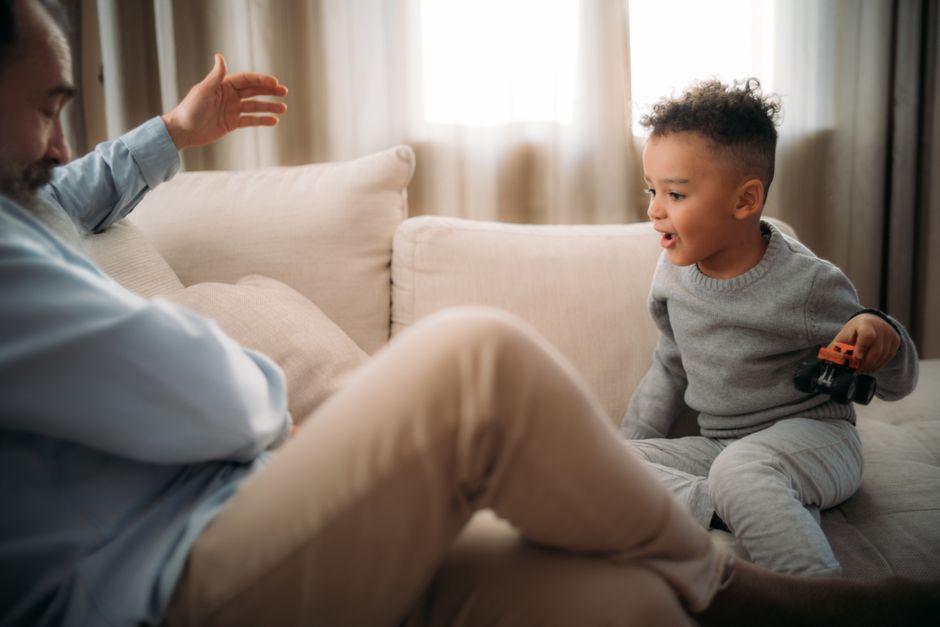
Late in the week my mom stayed with us, our youngest knocked a full cup of juice across the table. My mom spoke sharply. Our youngest cried. A few minutes later, after the floor was wiped, my mom sat down next to our youngest and said, “I was wrong to raise my voice. I am sorry.” Our youngest nodded and leaned in. My mom did not add an excuse. My mom did not say “but you need to be careful.” A child who hears an adult apologize learns that mistakes can be repaired. A child also learns how to apologize, by copying the words. When you get it wrong with a grandkid, say so plainly. The apology teaches more than the correction ever could.
Tell a child that a mistake does not change your love
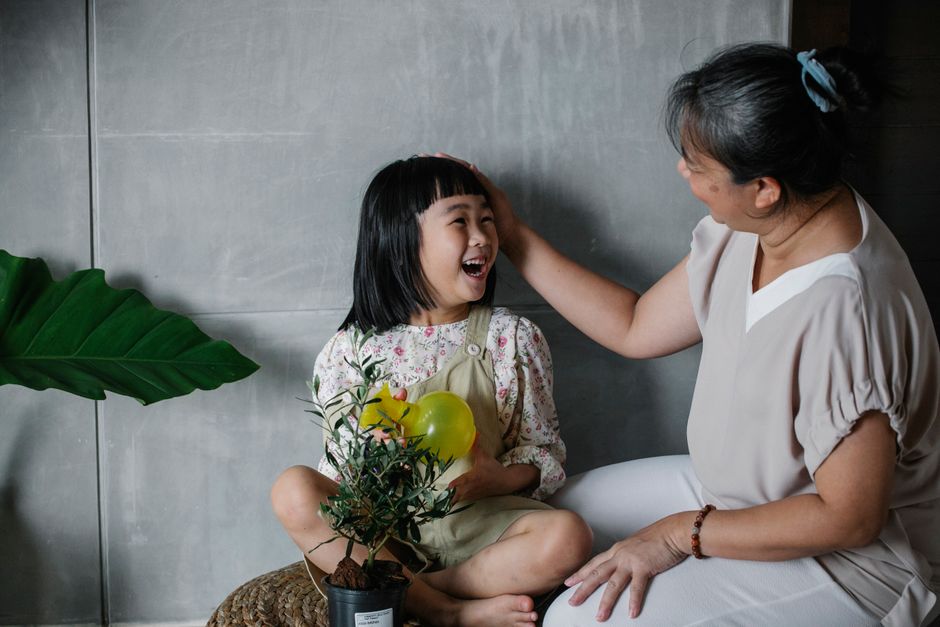
While my mom was staying with us, our middle one dropped a mug that my mom had given me years ago. It broke on the kitchen tile. Our middle one stood very still and started to say sorry over and over. My mom got the broom, swept up the pieces, and said, “Everyone makes mistakes. I love you just the same.” The crying stopped. My mom did not mention the mug again. A child needs to know that love does not depend on being careful or being good. Gary P., 74, from Scranton, Pennsylvania, wrote, “My grandson wrecked my lawn mower. I told him the mower can be fixed and he cannot be replaced. He still brings it up, years later.” Make it clear that the person matters more than the thing.
Share stories from when the grandkid’s parent was small
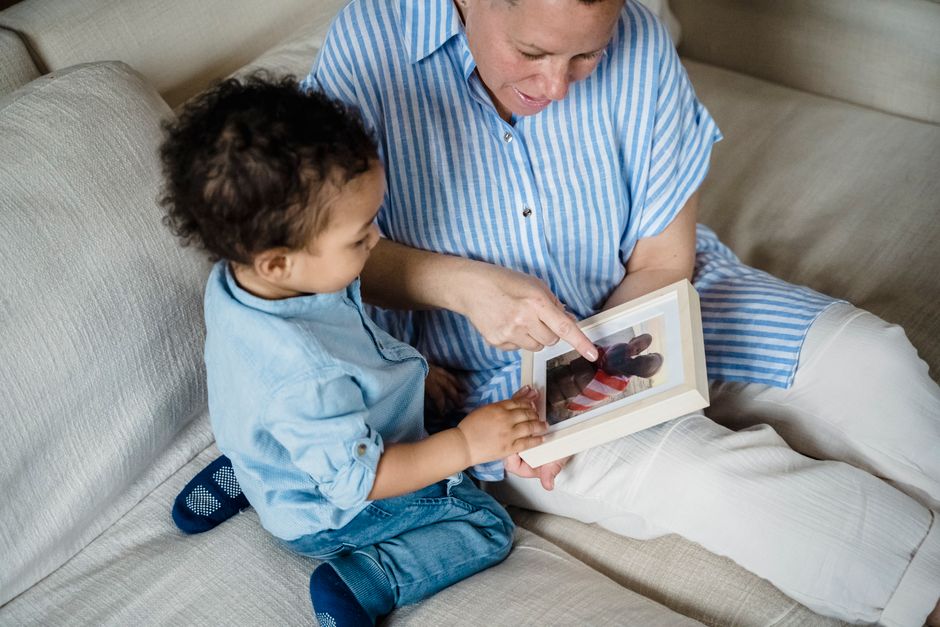
My mom stayed with us for a week in late fall, and most nights my mom sat at the dinner table after the plates were cleared. On a quiet night, my mom looked at our oldest and said, “I remember when your mom was your age. Your mom hated math homework and hid the worksheets under the couch.” My kids laughed hard. Our oldest asked for another story. I was embarrassed, and I also loved it. A child needs to know that the parent was a child too, and had the same struggles. Those stories help a child see where the family came from and where the child fits. Tell the old stories. The embarrassing ones are the stories the kids ask to hear again.
Make sure a grandkid knows you are reachable any time
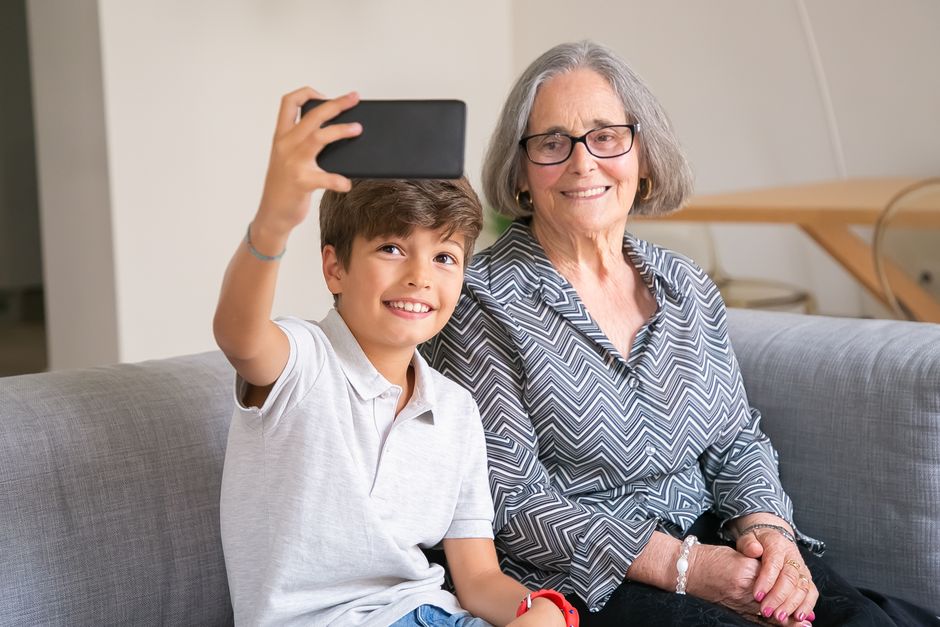
Near the end of the week my mom stayed with us, my mom and our oldest sat at the counter with a notebook. My mom wrote down a phone number and said, “You can call me any time. You do not need a reason.” Our oldest put the page in a backpack pocket and checked that it was still there before bed. My mom lives far enough away that visits are not every week. A child who knows there is an adult to call feels less alone, even when the call never happens. Marlene K., 69, from Eugene, Oregon, wrote, “I told my granddaughter to call me if she ever needed a ride and did not want to explain why. She called at midnight the next year. I went.” Say it, and mean it.
Offer to do the hard thing together instead of doing it for the child
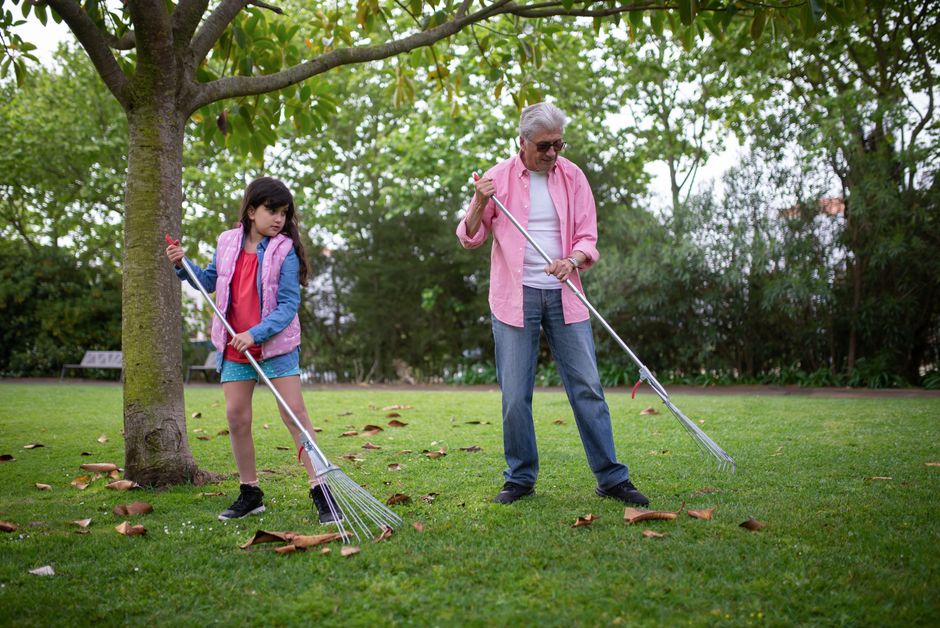
During my mom’s week with us, our youngest wanted to fold the towels and kept making a wadded ball instead. I was about to take the towel and do it myself. My mom knelt on the floor and said, “Let’s do it together.” My mom held the corners and let our youngest make the folds. The towels were lumpy. Our youngest carried the stack to the closet with a big smile. A child learns more from doing a task badly with an adult than from watching an adult do it well. Doing it together also says that the child’s company is wanted, not just the result. When a grandkid wants to help, slow down and share the task.
Let a child know that being scared is allowed
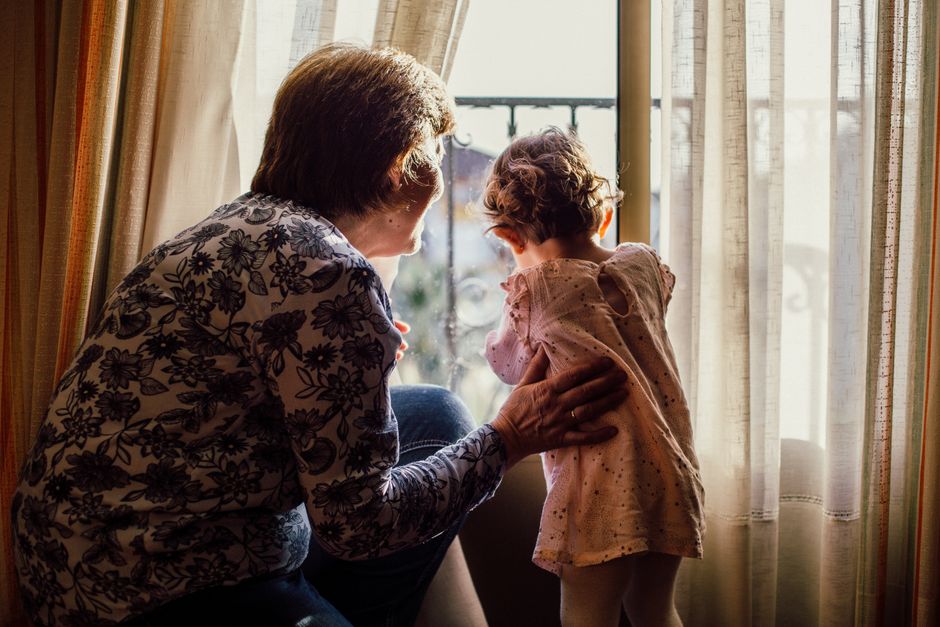
In the middle of the week my mom stayed with us, the wind got strong at night and the house made noises. Our youngest came downstairs in tears. I started to say there was nothing to be afraid of. My mom pulled a blanket over our youngest and said, “It is okay to be scared. I was scared of storms too when I was little.” Our youngest asked what my mom used to do about it. My mom and our youngest talked until the wind was quieter. A child who is told to stop being scared learns to hide fear. A child who is told that fear is normal learns to talk about it. Howard B., 58, from Tulsa, Oklahoma, wrote, “I tell my grandkids I still get nervous before a doctor visit. They relax when they hear a grown man admit that.”
Thank a child for help as if the help really counted
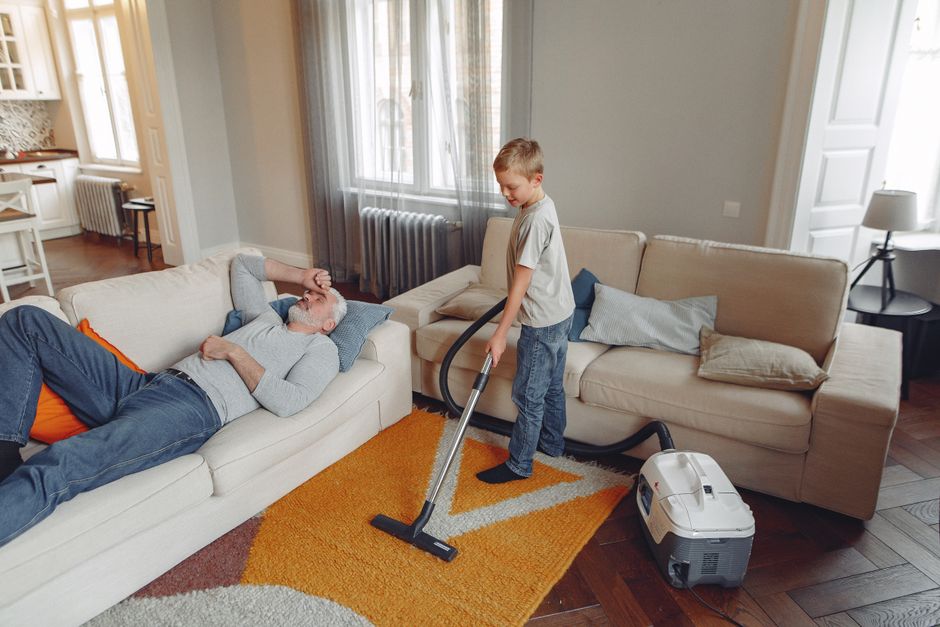
While my mom stayed with us in late fall, our middle one carried grocery bags in from the car without being asked. The bags were heavy and the milk nearly fell. My mom stopped unloading, looked right at our middle one, and said, “Thank you for helping me. That made a real difference.” Our middle one went back out for another bag. Then another. A child who is thanked plainly for a small job will look for the next job. A child who is ignored for the same job will stop. My mom did not add “but next time hold the bottom.” The thanks was complete on its own. When a grandkid helps, say thank you directly to the child, and say what the help did.
Tell a child that you believe what the child is saying
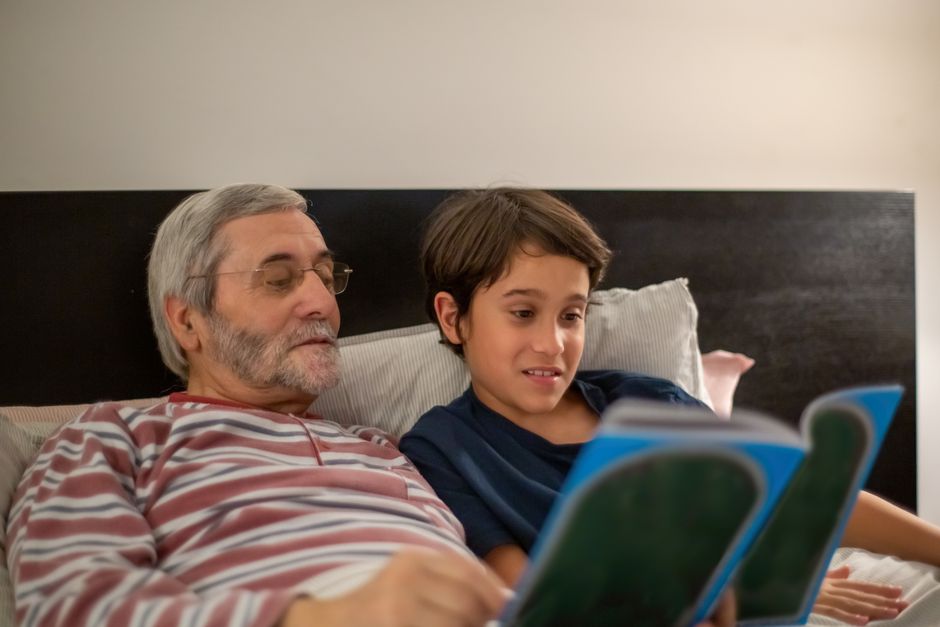
During the week my mom stayed with us, our oldest came to my mom upset about a fight with a friend at school. The story did not fully add up to me. Before I could ask questions, my mom said, “I believe you. Tell me what happened next.” Our oldest let out a breath and told the whole thing, including the part where our oldest had been unkind too. The full story came out because the belief came before the questions. Sandra W., 61, from Rochester, New York, wrote, “My granddaughter told me something hard about an adult in her life. I said I believe you before I said anything else. That sentence is why she kept talking.” Believe the child before you check the facts. If a grandkid describes harm from an adult, the next step is a call to a professional or a hotline.
Ask a child’s opinion and then act on the answer
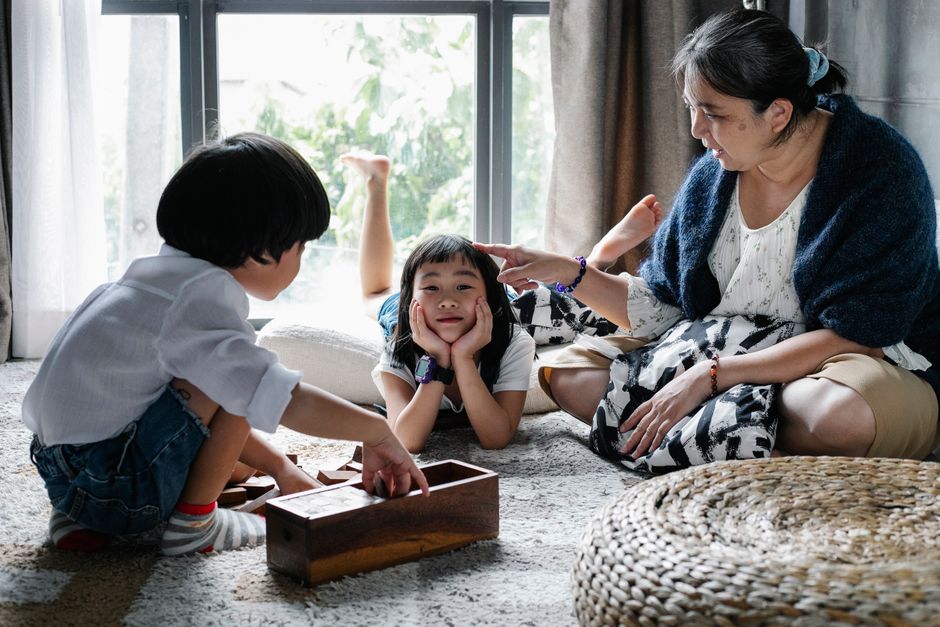
My mom stayed with us for a week in late fall, and on the last afternoon my mom was choosing a board game for the family. Instead of picking, my mom turned to our youngest and said, “What do you think we should play?” Our youngest chose a game that is too long and a little boring. My mom set it up anyway. The game went on far past bedtime. Our youngest told everyone at breakfast about picking the game. A child whose opinion is asked and then followed learns that the opinion has weight. Ellen R., 72, from Lubbock, Texas, wrote, “I ask my grandkids what we should have for dinner when they visit. Then I make it, even when it is strange. They remember being asked.” Ask, and then go with the answer when you can.
Give a child time without rushing the small tasks
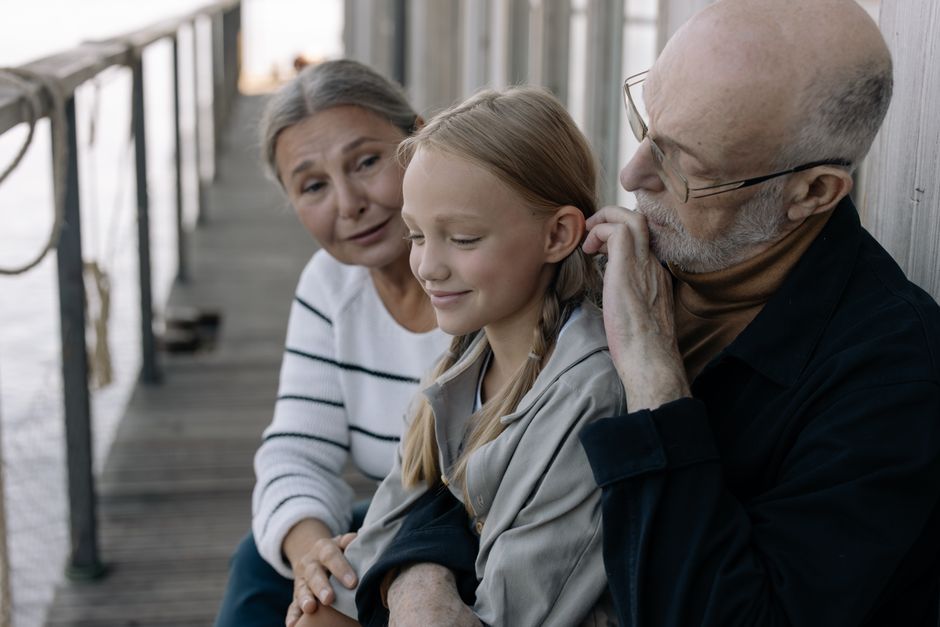
On the morning my mom left after a week with us, our middle one insisted on tying shoes alone before walking my mom to the car. I was checking the clock. The laces kept slipping. My mom stood by the door with a coat on and said, “Take your time. There is no rush.” The shoes got tied. Our middle one walked out with a straight back. A child who hears “hurry up” all day learns that being slow is a problem. A child who is given time learns to finish. I say “hurry up” more than I want to admit. My mom’s patience that morning was a correction for me as much as a help for my kids. When a grandkid is working on something small, wait.
My mom’s week with us ended, and the phrases stayed. There are more than I could fit here, like “I missed you” and “You are safe with me,” and readers sent many more. None of the phrases need a special occasion. None of them cost anything. They only need to be said out loud, more often than feels necessary.
What is the sentence a grandparent said to you that you still remember?
About the author