Things Your Kids Will Not Want When You’re Gone
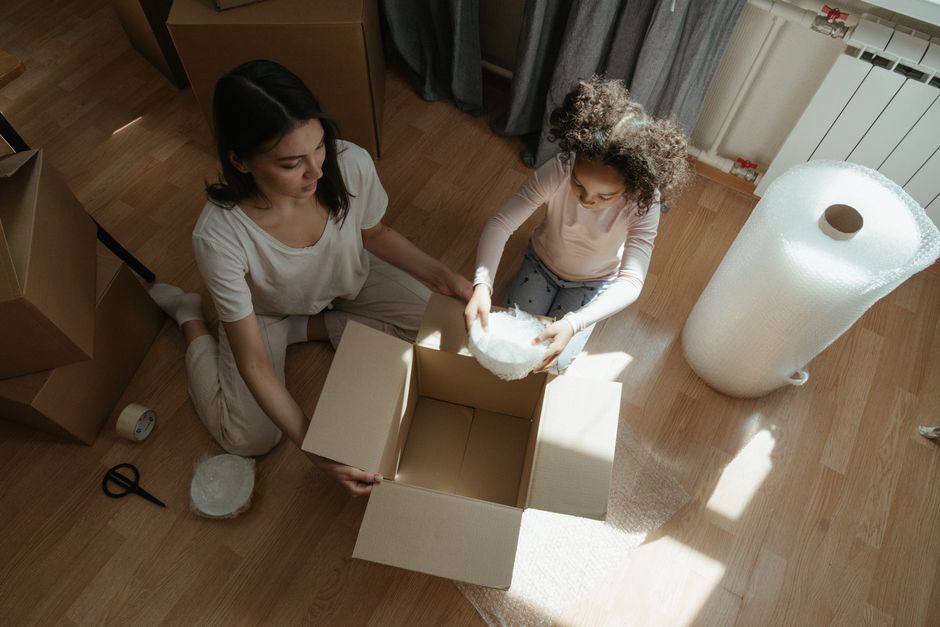
My mom came to stay with us for a week in early March. My mom pulled into the driveway with the back seat and the trunk full of cardboard boxes. Each box had a strip of masking tape across the top with a word written in marker. Dishes. Photos. Christmas. My mom said these were things to pass down to me and to my kids. My husband carried the boxes into the dining room after work, and the boxes covered the table for the rest of the week.
The week before the visit, I had asked readers of this blog a plain question. After a parent dies, what did you not want, and what did you wish had been handled sooner? Replies came in from all over the country. I read the replies at the kitchen table each night with a box open in front of me. I am a former teacher and a stay at home mom of three kids. I am not an estate planner or a grief counselor. I am a daughter sitting across from my mother, trying to be honest without being unkind.
This post is what my mom and I worked out together over that week. It is not a set of rules for your family. It is a record of what we found in the boxes, what readers told me, and what I now plan to do differently in my own house so my kids are not left sorting the same things later.
Formal china mostly stays in the cabinet
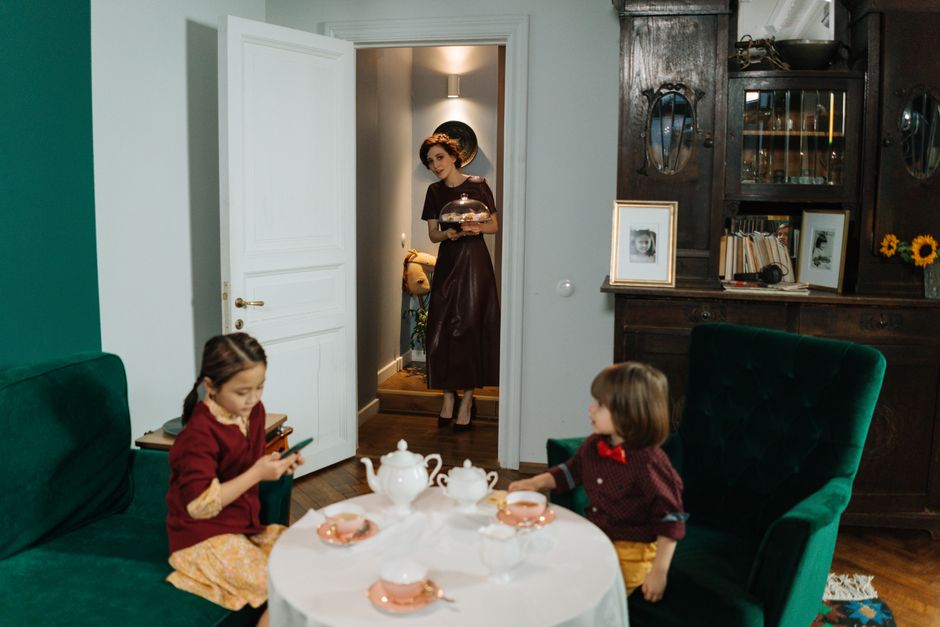
The box marked Dishes was the heaviest. Inside was my mom’s wedding china, white plates with a thin gold rim, each plate wrapped in a paper towel. My mom set a plate on my kitchen counter and asked where I would keep the full set. I did not have an answer. The gold rim means the plates cannot go in the dishwasher or the microwave. My own wedding dishes sit in a cabinet above the fridge and I have barely used them. A reader named Marie T., 52, from Fort Wayne, Indiana, wrote this. “My mother’s china sat in my basement for years after she died. I felt guilty every time I saw the box. Nobody in my house wanted to eat off it.” My mom and I kept a single serving platter for holidays.
If a set of dishes has not been on the table in years, your kids will probably not start using it after you are gone.
Silver serving pieces are mostly work
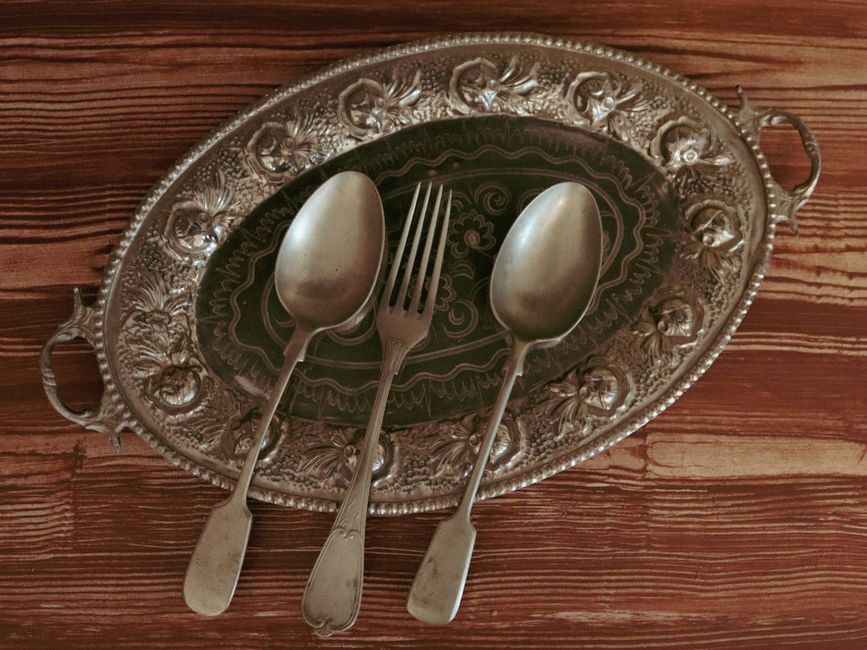
On the second morning of my mom’s visit, my mom unwrapped a silver plated tray and a set of serving spoons. The tray was dark with tarnish. My mom showed me how to rub polish in small circles with a soft cloth, the same way my mom learned as a girl. It took a long time to get a single spoon bright. My middle one watched for a minute and then wandered off. My mom admitted the tray had not been used since a party many years ago. We both looked at the pile of pieces still waiting to be polished. My mom decided to keep the spoons for serving on holidays and to donate the tray.
Silver that needs polishing before every use will likely stay wrapped in a drawer once it belongs to your kids.
Big dark furniture does not fit most newer homes
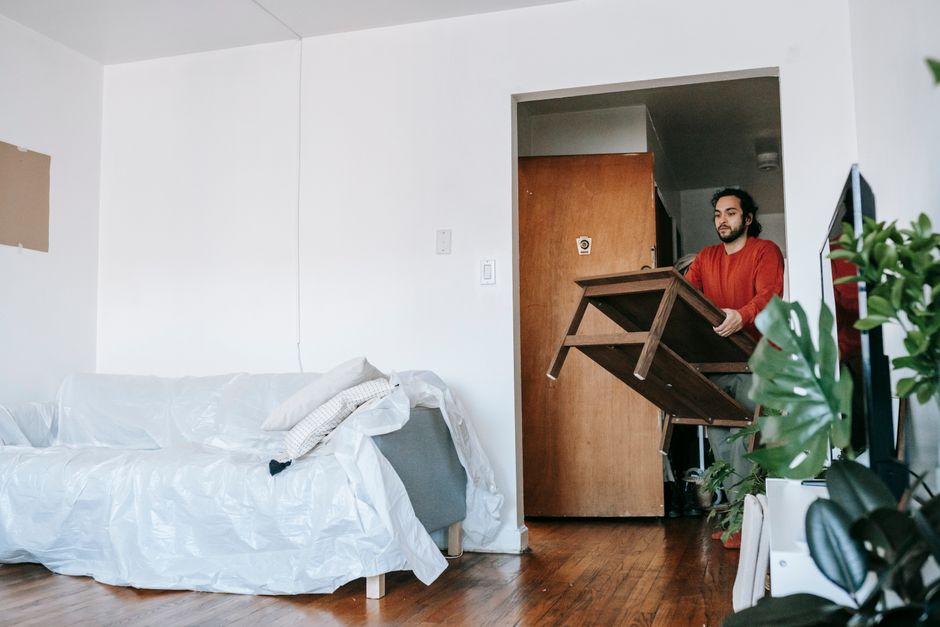
My mom wanted me to take the dining room hutch from my mom’s house. It is tall and dark and heavy, with glass doors on top and deep drawers below. My husband got out a tape measure after dinner and checked the wall in our dining room. The hutch would block a window and leave no path around the table for my kids. A reader named Greg H., 61, from Mesa, Arizona, sent this note. “We paid movers to haul my father’s bedroom set across the state. It never fit in any room we had. We ended up paying someone else to haul it away.” My mom listened to that note and did not argue. My mom asked instead whether I wanted the small lamp that sat on top of the hutch. I did.
Large, heavy furniture is hard to move and hard to place, and most kids will take a small piece over a big one.
Collectible figurines are rarely worth what the box said
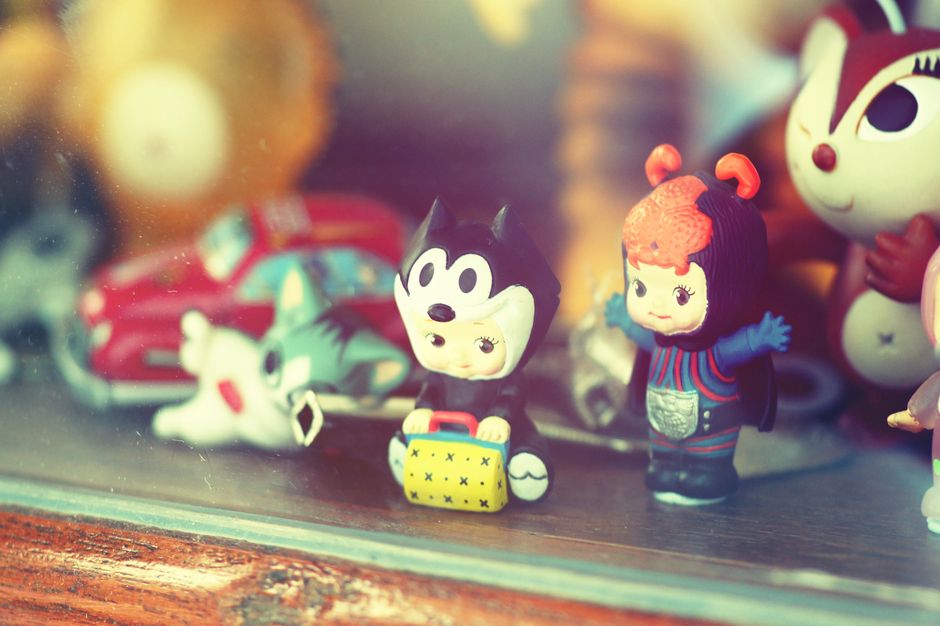
A box labeled Figurines held porcelain children, shepherds, and a row of small animals, each wrapped in old newspaper. My mom had bought them over many years from a catalog that promised they would grow in value. My mom sat at my kitchen table and looked up the prices on my phone. The prices were a fraction of what my mom had paid. My mom sat quietly for a minute and then laughed. My youngest picked up a porcelain dog and asked to keep it on the bedroom shelf. My mom said yes. The rest went into the donate pile with the newspaper still around each piece.
Collectibles bought as an investment usually hold their value only for the person who enjoyed collecting them.
Photos need names on the back to be worth keeping
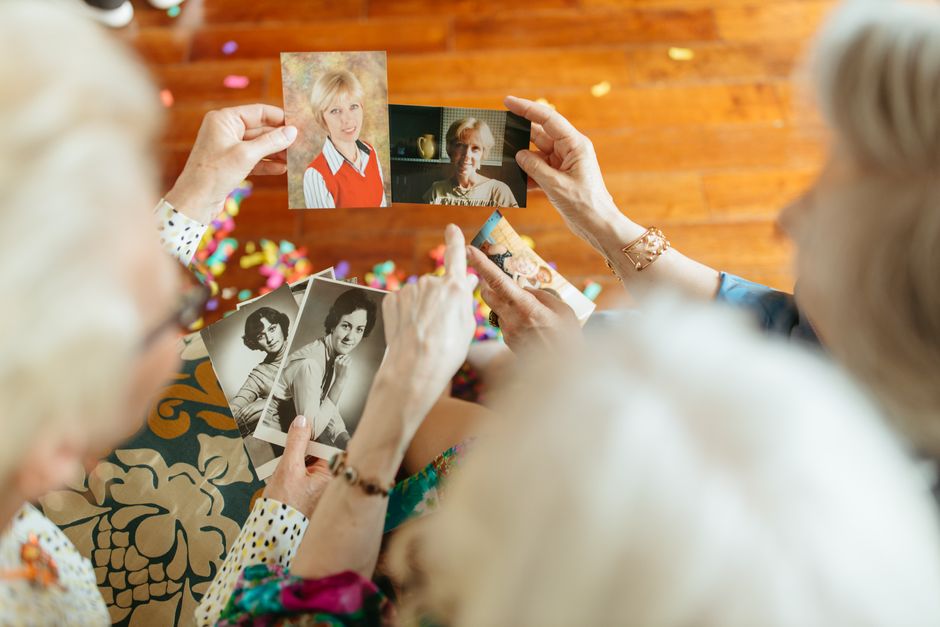
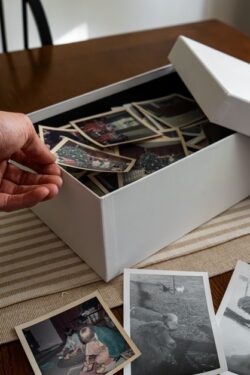
The shoebox of photos was the hardest part of the week. Most pictures showed people at picnics and weddings, and neither my mom nor I knew who some of them were. My mom turned a photo over and the back was blank. We spent an evening with a pencil, and my mom wrote names and years on the back of every photo my mom could place. The ones my mom could not identify went in a separate pile. A reader named Sandra P., 47, from Knoxville, Tennessee, wrote this. “I inherited thousands of photos of strangers. I could not throw them away and I could not keep them. They sat in my closet for a long time.” My kids helped by sorting the labeled photos into envelopes by decade.
A photo with no name and no date is a photo your kids will not know what to do with.
Full shelves of books are heavy to inherit
My mom brought a box of encyclopedias and a stack of hardcover novels from a book club my mom belonged to years ago. The encyclopedias were out of date before my oldest was born. While my mom and I unpacked the box, my oldest looked up a word on the tablet in about a second. My mom noticed and smiled. We kept a single volume for the pictures and a few novels my mom had marked up with notes in the margins. Those notes are my mom’s handwriting, and that is what I want. The rest of the books went to the library donation bin on the way to school pickup.
A whole shelf of books is a lot of weight, and your kids will keep the ones with your notes inside, not the full set.
A hobby collection needs a buyer more than a child
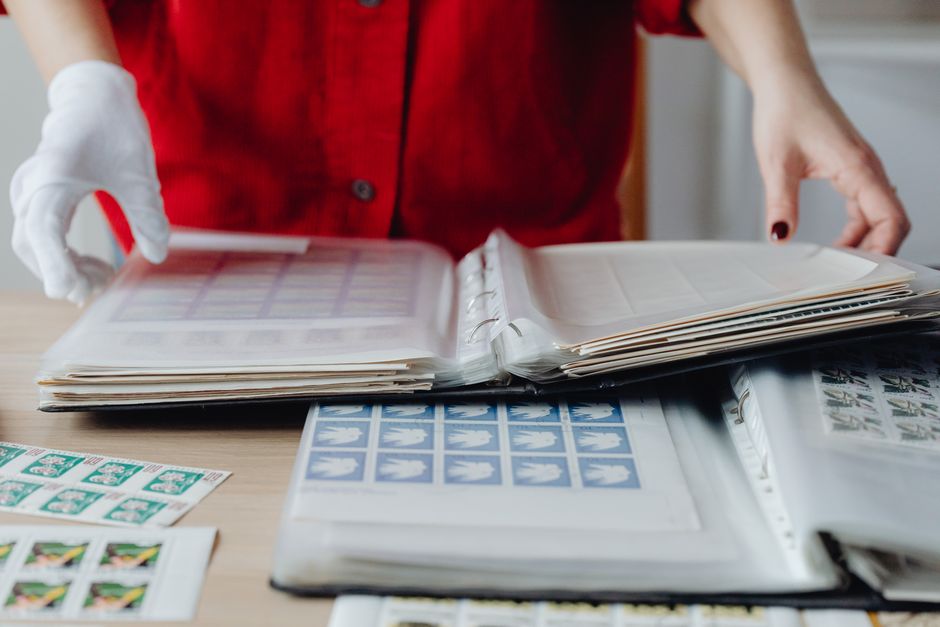
My mom spent decades filling stamp albums. The albums came in a box with a note on top listing which pages held the rare ones. I do not collect stamps. My husband does not collect stamps. My oldest flipped through an album for a minute and asked what the stamps were for. My mom explained patiently, the way my mom explains everything, and then set the album down. That night my mom said the collection should go to a person who would care about it, even a stranger. We found a hobby club in my mom’s area that buys and sells albums. My mom plans to call them.
A collection means something to the person who built it, so finding a buyer or a club now is kinder than leaving it for your kids to figure out.
A piano is an obligation unless somebody plays it
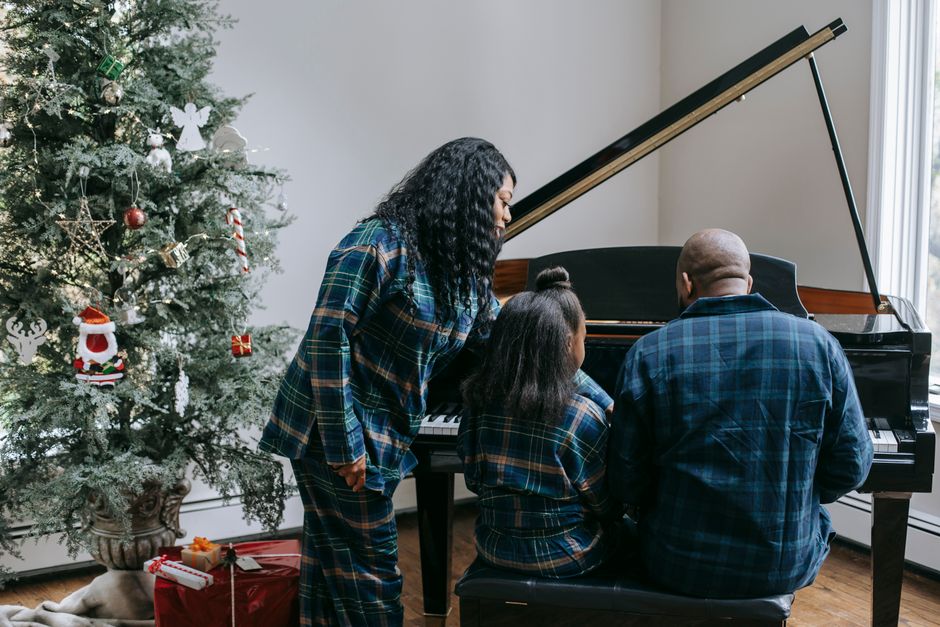
During a quiet afternoon, my mom asked whether we would take the upright piano still sitting in my mom’s living room. None of my kids take lessons. My husband and I do not play. The piano would need a mover, a tuner, and a wall we do not have. A reader named Dave R., 55, from Eugene, Oregon, sent this. “The piano was the last thing left in my mother’s house. Nobody wanted it. It took months to find a church that would come get it.” My mom thought about that and decided to offer the piano to a neighbor whose child is taking lessons. My mom seemed relieved to have a plan.
A piano nobody plays is a large, expensive problem, and solving it now saves your kids from doing it later.
Hand stitched linens get used on holidays at best
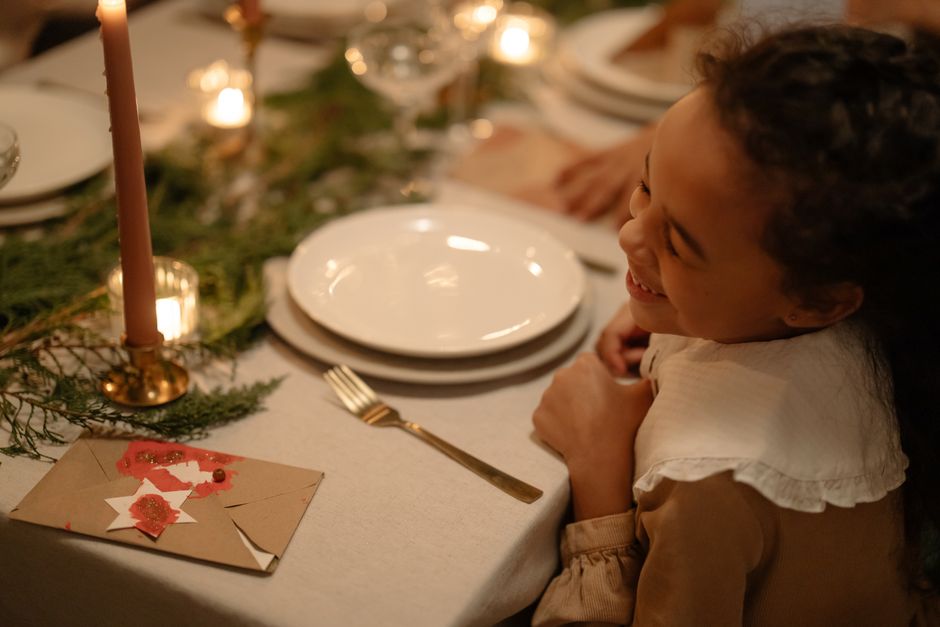
The linens box held tablecloths, embroidered napkins, and a stack of crocheted doilies. My mom unfolded a tablecloth across my dining table on top of the other boxes. It was beautiful work, and I said so. Then I admitted I would be nervous to let my kids eat on it. My mom agreed that most of the pieces had stayed folded in a drawer for years. I kept a single tablecloth that my mom stitched by hand and a few napkins. My mom offered the doilies to a friend who still uses them. The rest went into a donate bag.
Linens that are too nice to use will stay in a drawer with your kids too, so keep the piece with the most meaning and let the rest go.
Travel souvenirs mean the most to the traveler
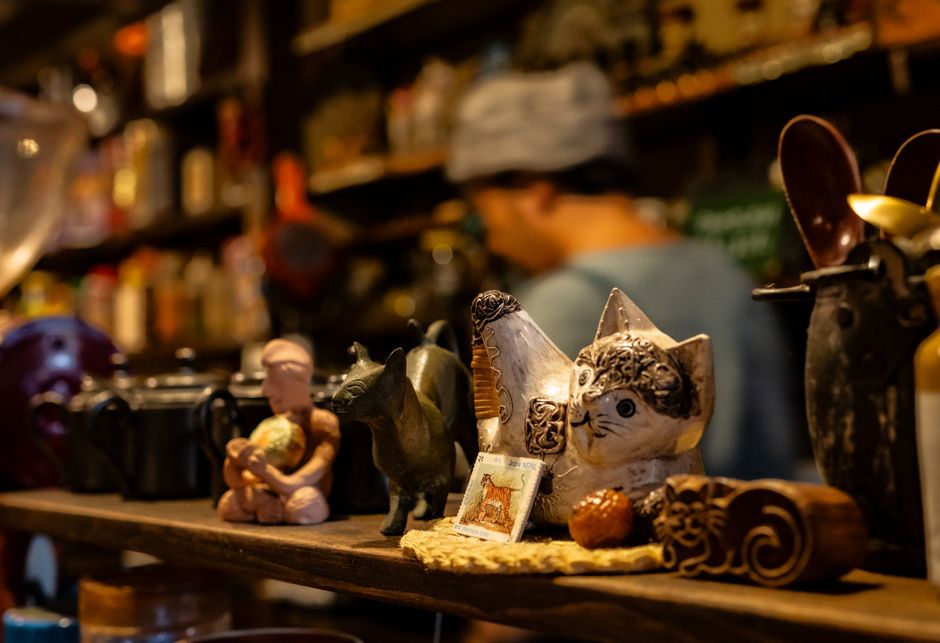
A small box held souvenir spoons, tiny bells, and a snow globe from trips my mom took over the years. I asked about each one, and my mom told a story for every piece. The stories were wonderful. The spoons were not. I got out a notebook and wrote down each story while my mom talked. My youngest sat on my lap and shook the snow globe. By the end of the evening I had pages of stories and my mom had a small pile of spoons to donate. My mom kept the snow globe for my youngest.
Your kids will want the story behind the souvenir, so write the story down and let the object go.
Old paperwork needs a shredder and not a shelf
One box held bank statements, old tax returns, and warranty booklets for appliances that no longer exist. My mom had kept every paper in case it was needed. We sat at the kitchen counter with the shredder running for most of an evening. A reader named Ellen K., 63, from Lancaster, Pennsylvania, wrote this. “I spent weeks going through my parents’ filing cabinet. Most of it was manuals for things they had thrown away decades earlier. I wish they had shredded it themselves.” My mom kept the current insurance papers, the deed, and a folder of medical records. Everything else went into the shredder. My mom said it felt good to hear it go.
Paperwork that is no longer current is a burden for your kids, and shredding it yourself is a real gift.
A closet of clothes is not the person who wore them
My mom did not bring clothes, but my mom talked about the closets at home. My mom’s house has a full closet in every bedroom. My mom asked what I would want from them. I said I would want a single sweater I remember my mom wearing when I was small. My middle one tried on my mom’s hat from the car and walked around the kitchen in it. My mom laughed and said my middle one could keep it. We agreed the rest of the closets could be thinned out this spring, with the good coats going to a shelter.
A closet of clothes is hard for kids to sort, so pick the few pieces that matter and donate the rest while you can.
Store bought wall art has no second home
The art box held framed prints my mom bought years ago to fill walls in a new house. A landscape, a bowl of fruit, a print of a city street. My mom looked at the prints spread across my couch and said plainly that my mom had never really liked them. I did not like them either. My husband came home and asked if we were redecorating. We were not. The prints went to the donate pile. My mom kept a small painting a friend made, and that is the piece I would want someday.
Mass produced prints will not mean anything to your kids, so keep only art that was made by or for someone you love.
Craft supplies belong with someone who will use them
My mom’s sewing box came with a stack of fabric and a bag of yarn. My mom taught me to sew a button when I was a girl, but I do not sew beyond that. My oldest asked if the fabric could become a costume. My mom cut a few pieces for that project and set them aside. The rest of the fabric, the extra needles, and the yarn went into a bag for a community center near my mom’s house that runs a sewing class. My mom plans to drop the bag off and maybe stay for a class.
Craft supplies are useful to someone right now, and giving them away now is better than leaving them boxed for your kids.
Old greeting cards can be read and then released
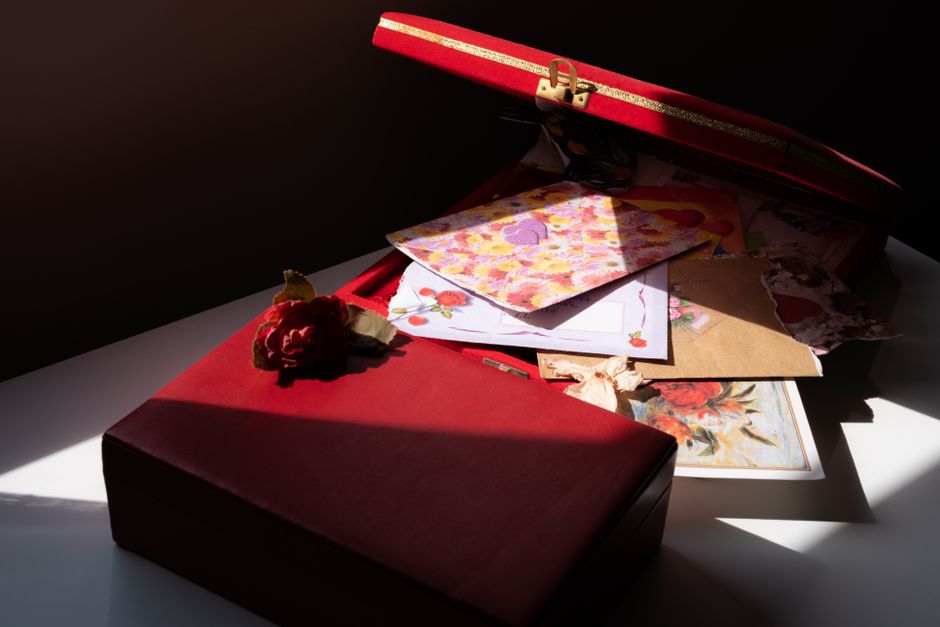
The cards box held birthday cards, anniversary cards, and sympathy cards tied in bundles with ribbon. My mom and I untied each bundle at the kitchen table after my kids were asleep. Most of the cards had only a printed message and a signature. A few had long handwritten notes inside. My mom read those out loud. One note was from a friend who had passed away, and my mom teared up reading it. We kept the handwritten cards in a single envelope and recycled the rest. My mom said the recycling bin had never been so full.
Your kids will not want boxes of printed cards, but they may treasure the few with real handwritten notes.
Holiday decorations should be the favorites only
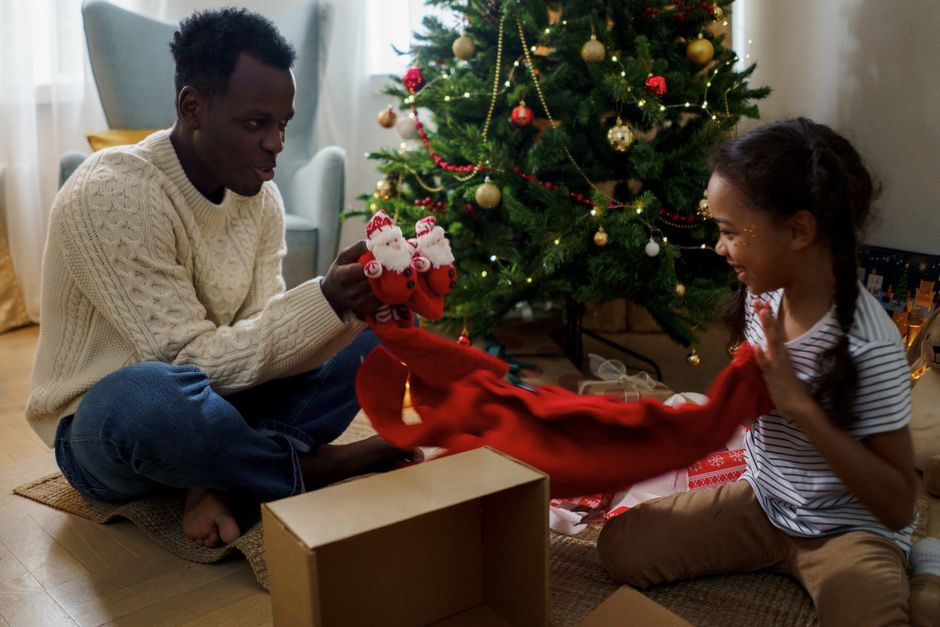
The box labeled Christmas was packed tight with tangled lights, cracked ornaments, and a plastic wreath. Under all that were a few ornaments my mom had made by hand and a wooden nativity set that I remembered from every Christmas of my childhood. My kids gathered around the box like it was a holiday morning. Each of my kids picked out an ornament to hang on our tree this year. My mom kept the nativity set to give to me later. The tangled lights and broken pieces went in the trash. My husband hauled the bag out before anybody could change their mind.
A few meaningful decorations will be loved, but a full closet of holiday boxes is something your kids will mostly throw out.
Kitchen gadgets nobody plugs in should go now
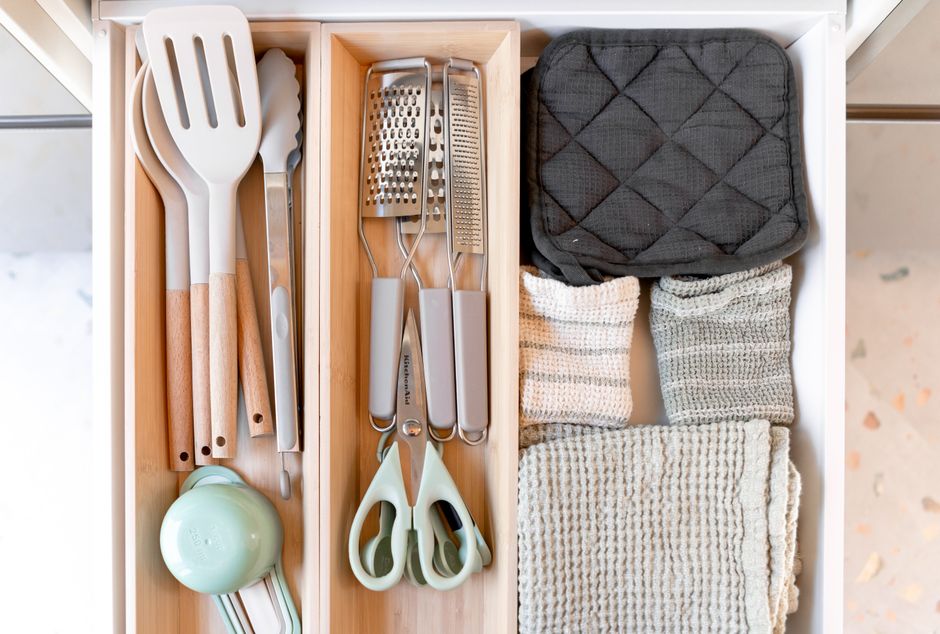
My mom brought a bread maker, an electric knife, and a sandwich press, each still in its original box. My mom could not remember the last time any of them had been used. I plugged in the bread maker on the counter and it worked. Then I unplugged it, because I do not have the counter space and I bake bread in the oven. My mom laughed and said the gadgets had moved from cabinet to cabinet for years. We put all of them in the donate pile. My youngest wanted to keep the box the sandwich press came in. That was fine.
Small appliances that have not been used in years will not be used by your kids either.
Tapes and discs have nothing left to play them on
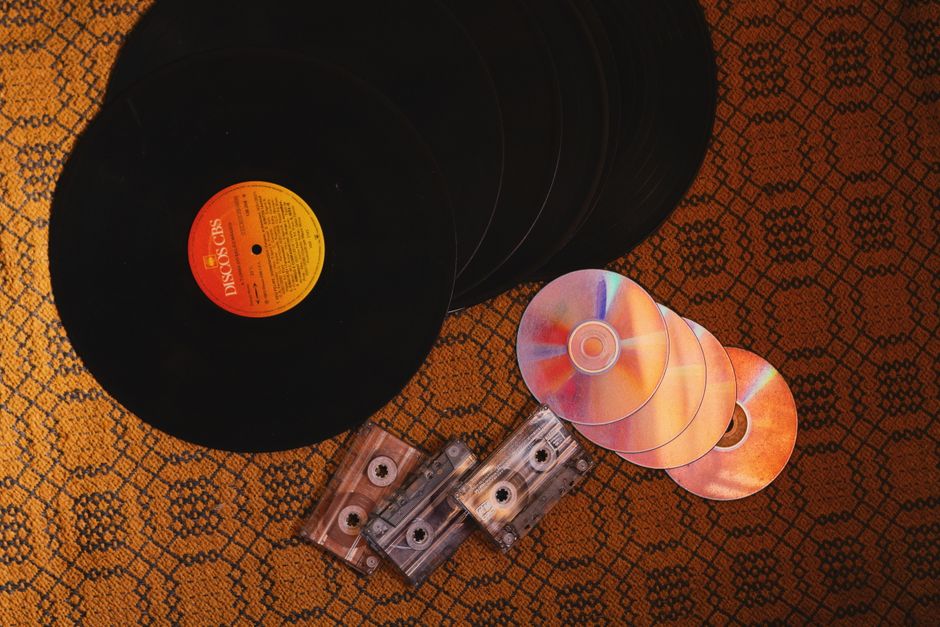
The media box held videotapes of store bought movies and a few home videos labeled in my mom’s handwriting. We do not own a tape player. My husband found a service online that transfers home videos to a digital file. We sent in the tapes with my mom’s handwriting on them, including a birthday party from when I was small. The store movies went to the thrift store. My mom asked if anyone still buys tapes. I honestly do not know. My oldest asked what a tape was.
Home recordings are worth saving in a format your kids can open, but store bought tapes and discs are not.
Awards and plaques matter most to the person who earned them
My mom brought a plaque from a job my mom held for many years and a bowling trophy from a league long ago. My mom held the plaque for a while before setting it on the table. I asked what the plaque was for and my mom told me the whole story. I wrote the story in the same notebook I used for the souvenirs. Then I asked my mom gently if I could keep the story and not the plaque. My mom said yes. The trophy went into the donate box. My mom kept the plaque for now, which is the right choice.
An award is proof of something you did, and your kids will want to know the story more than they will want the plaque.
Things kept out of guilt should not be passed down as guilt
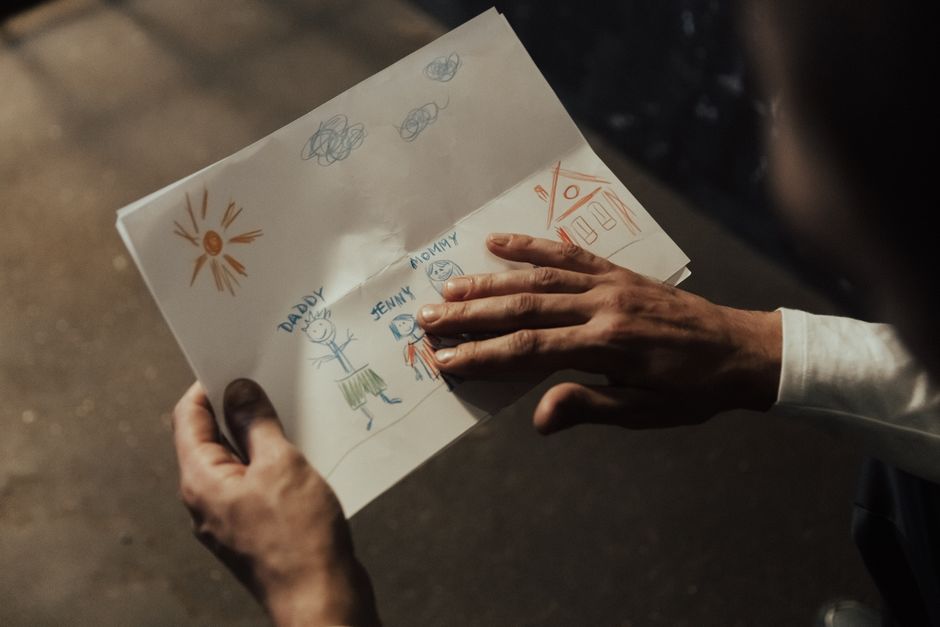
On the last night of my mom’s visit, we found a vase at the bottom of a box. My mom said a friend gave it as a gift years ago, and the friend has since passed away. My mom never liked the vase but could not bring herself to give it away. My mom asked if I wanted it. I said no, and I said it kindly. My mom nodded and put the vase in the donate pile. We sat quietly for a minute. My husband came in and asked what the vase was. My mom said it was nothing.
Keeping an object out of guilt only passes that guilt to your kids, and letting it go yourself is a kindness to everyone.
My mom drove home the next morning with a much lighter car. The donate boxes went with my husband to the thrift store that afternoon, and the shredded paper filled the recycling bin. The dining table was clear for the first dinner in a week, and my kids noticed right away. My oldest kept the ornament, my middle one kept the hat, and my youngest kept the porcelain dog and the snow globe.
That night I walked through my own house with a notebook. I looked at my own cabinet above the fridge, my own closets, my own boxes in the basement. My kids will someday open those boxes the way I opened my mom’s. I want them to find stories written down, photos with names on the back, and only the things that mean something. What is sitting in your house right now that your kids will not want, and what would it take to let it go this year?
About the author