
Clever Hacks for Power Cuts & Water Shortages
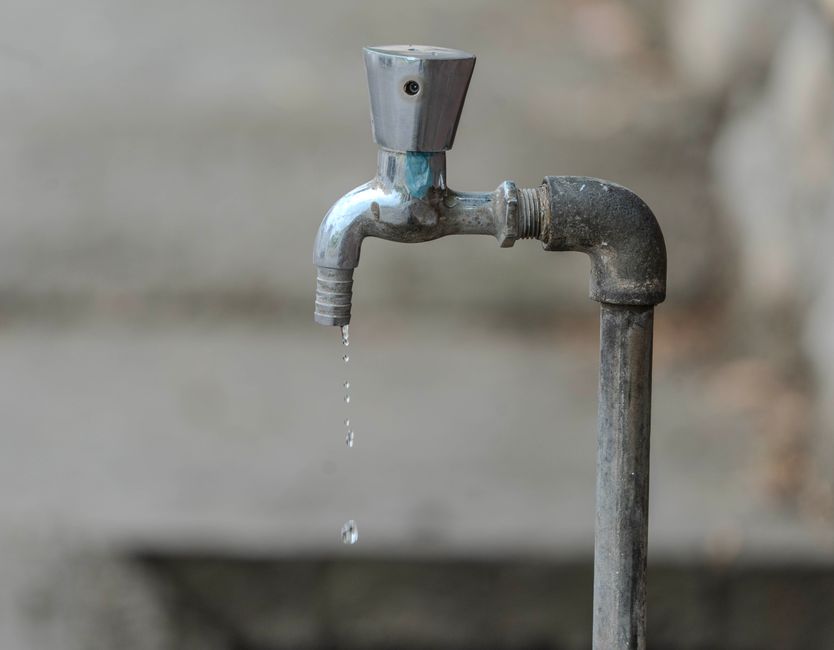
The power went out at our house late on a hot August evening. A storm came through after dinner, the lights flickered, and then everything went dark and stayed dark for most of two days. Before the power came back, a water main broke down the road, and our whole street got a notice asking everyone to use as little water as possible while crews made repairs. So the same week brought both problems, back to back.
I am a former teacher and a stay at home mom to three kids. I am not an emergency expert. My husband is not either. We figured most of this out at the kitchen table by candlelight, with the kids asking questions and the ice cream melting in the freezer. Some of what we tried worked well. Some of it did not.
Here is what actually helped that week. None of it cost much. Most of it used things we already had in the house or the yard. I wrote it all down afterward so I would remember for next time.
A clear water bottle turns a flashlight into a lamp
The night the power went out, my kids wanted to finish a card game at the kitchen table. I had a small flashlight, but the beam was narrow and bright in one spot and dark everywhere else. Our oldest kept tilting the flashlight to see the cards, and our youngest kept complaining about the light in the eyes. I remembered something I had seen online. I filled a clear plastic water bottle, set the flashlight on the table pointing up, and balanced the bottle on top of the lens. The water spread the light out across the whole table in a soft glow. My husband walked in and asked where the lantern came from. The takeaway is simple. A flashlight pointed through a full clear bottle lights a room instead of a single spot.
Solar garden lights can come indoors at night
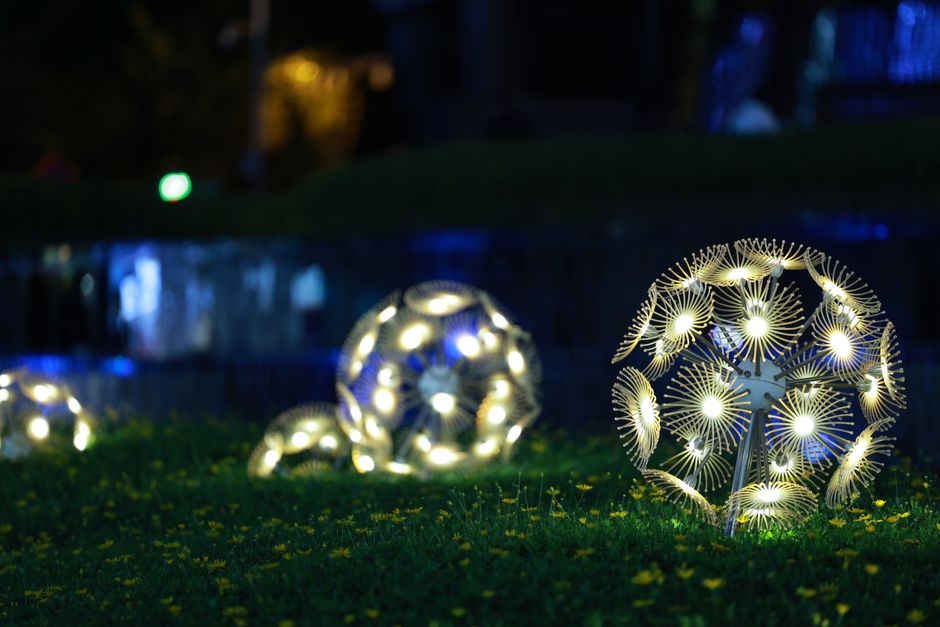
On the second night without power, the hallway and the bathroom were the hardest places. Nobody wants to carry a flashlight to the toilet. My husband went out to the yard and pulled up the small solar lights that line our front walk. The lights had been charging in the sun all day. We stood each stake in a tall drinking glass so the lights would not tip over, and then set a glass in the hallway and another on the bathroom counter. The light was dim, but it was enough to walk by, and it lasted until morning. The next day we put the lights back outside to charge again. The takeaway is this. Solar garden lights charge for free during the day and work indoors as night lights.
Frozen water bottles keep the freezer cold longer
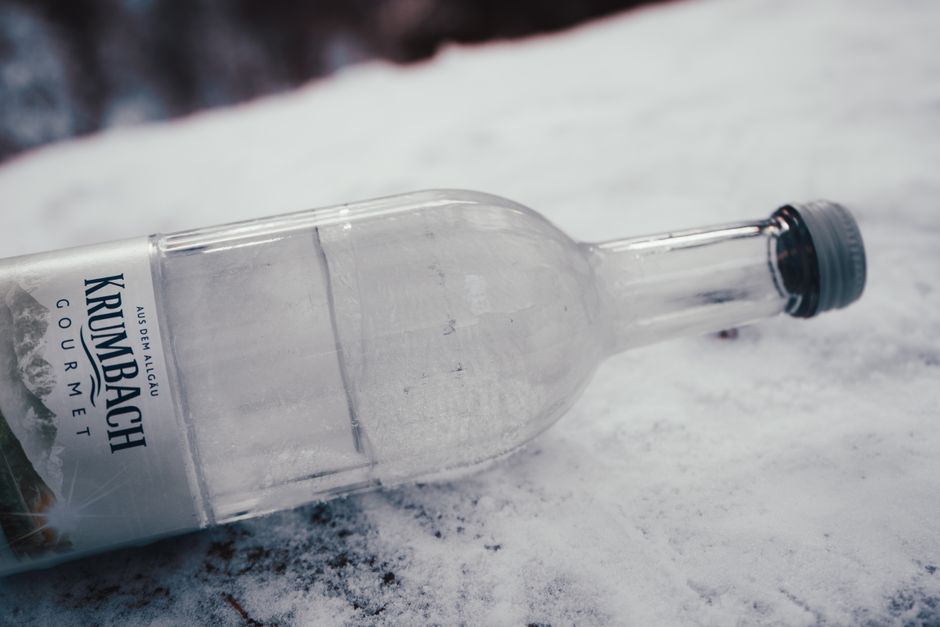
A few weeks before the storm, I had filled some empty water bottles and frozen them to use as ice packs for the cooler on a day trip. I never took the trip, so the bottles stayed in the freezer. When the power went out, those frozen bottles ended up filling the empty space in the freezer and holding the cold in. The chicken and the frozen vegetables were still solid when the power came back. The ice cream was a loss, but my kids were happy to eat it with spoons before it melted all the way. Now I keep the bottom shelf of the freezer stocked with frozen bottles on purpose. The takeaway is this. A full freezer holds cold longer than an empty one, and frozen water bottles are a cheap way to fill the space.
Keep the fridge door shut during a power cut

The morning after the storm, our middle one walked into the kitchen and reached for the fridge door out of habit. I got there just in time. My husband found a piece of paper and wrote a note in big letters. The note said DO NOT OPEN and we taped it across the fridge handle. I had read that an unopened fridge keeps food safe for about four hours, and the freezer holds much longer if nobody opens it. So we ate cereal from the pantry and fruit from the bowl on the counter instead. The milk went into the cooler with ice. The note stayed on the fridge until the power came back. The takeaway is this. Every time the fridge door opens, cold air leaves, so leave the door closed and eat from the pantry.
A dim screen stretches phone battery for days
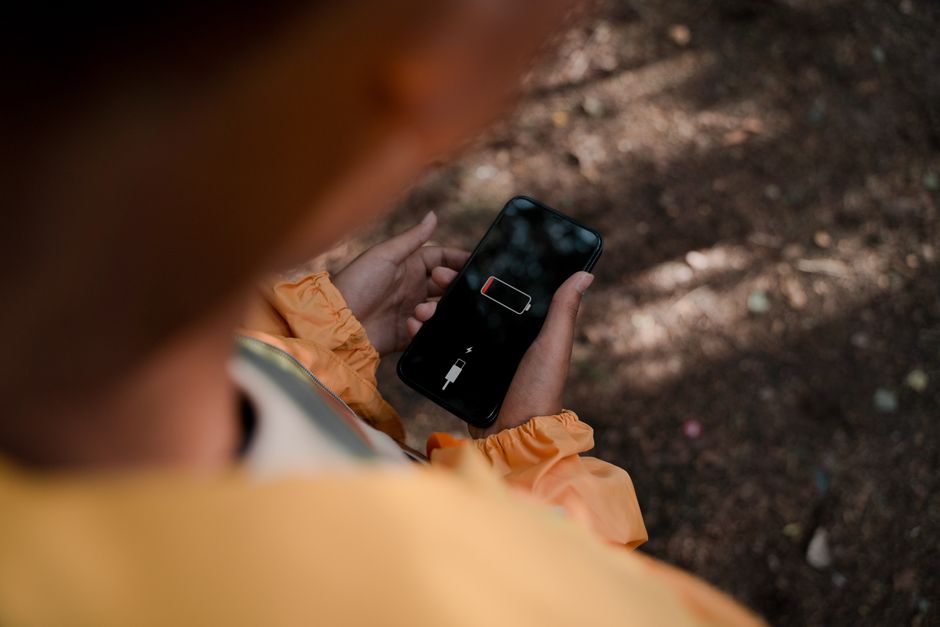
By the second day without power, my husband was down to a small sliver of phone battery and we had no way to charge. Our oldest showed my husband how to turn on battery saver mode and dim the screen all the way down. We also turned off Bluetooth and the Wi-Fi search, since there was no Wi-Fi to find anyway. We closed every app and agreed to only check the phone for updates from the power company a few times a day. The phone made it through the whole outage with a little charge left. I did the same with my phone and it worked just as well. The takeaway is this. Dim the screen, turn on battery saver, and stop checking the phone every few minutes.
Close the curtains by day and open the windows at night

August without air conditioning is hard. By noon on the first full day without power, the house was uncomfortable. My husband and I went room by room and closed every curtain and blind on the sunny side of the house. The rooms stayed dim but noticeably cooler. After the sun went down and the outside air cooled off, we opened the windows on both sides of the house to let a breeze through. My kids slept in the living room on the floor near the open windows, which felt like a campout to them. In the morning we shut the windows before the heat came back. The takeaway is this. Block the sun during the day and let cool air in at night.
Keep flashlights, batteries, and a power bank together
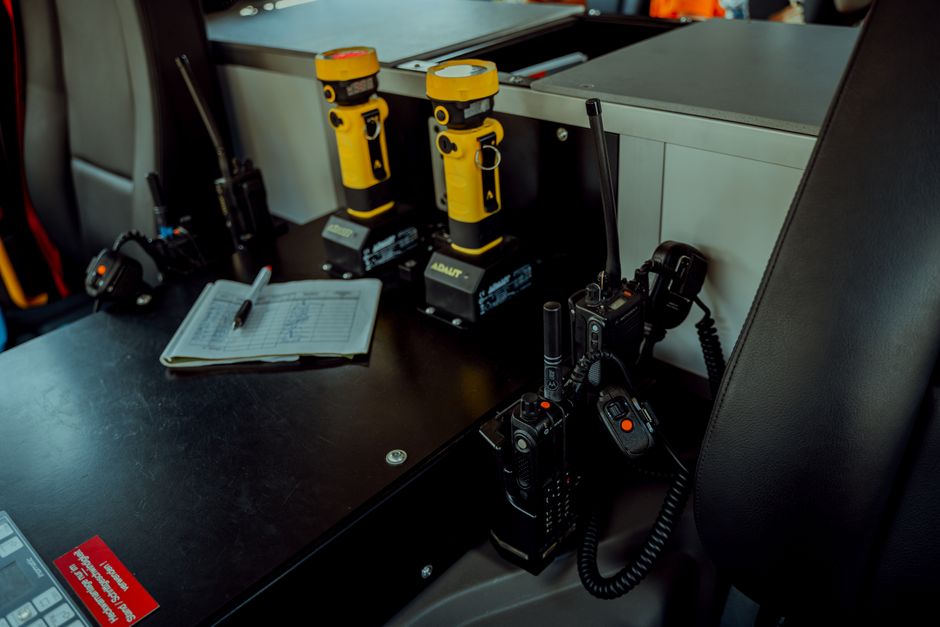
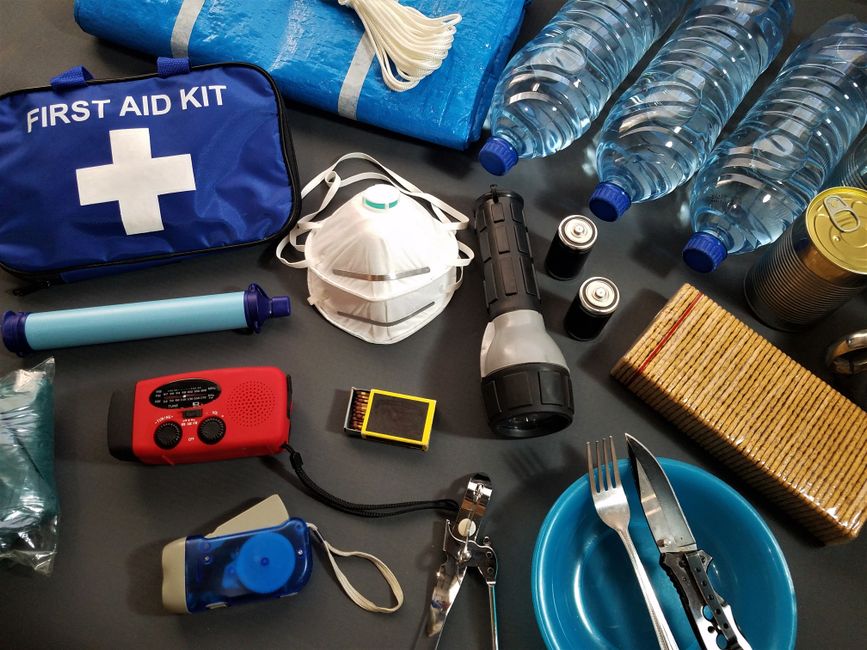
The night the storm hit, my husband and I spent the first fifteen minutes stumbling through dark rooms looking for flashlights. We found one in the junk drawer with dead batteries. We found another in the garage. The spare batteries were in a different drawer, in a different room. It was frustrating, and my youngest was scared in the dark while we searched. The day after the power came back, I put every flashlight, a pack of fresh batteries, some candles, matches, and a power bank into a shoebox. The box sits on the hall closet shelf where everyone can reach it. I charge the power bank once a month. The takeaway is this. An emergency kit only helps if everything is in the same place and everyone knows where that place is.
Fill a thermos before a planned outage
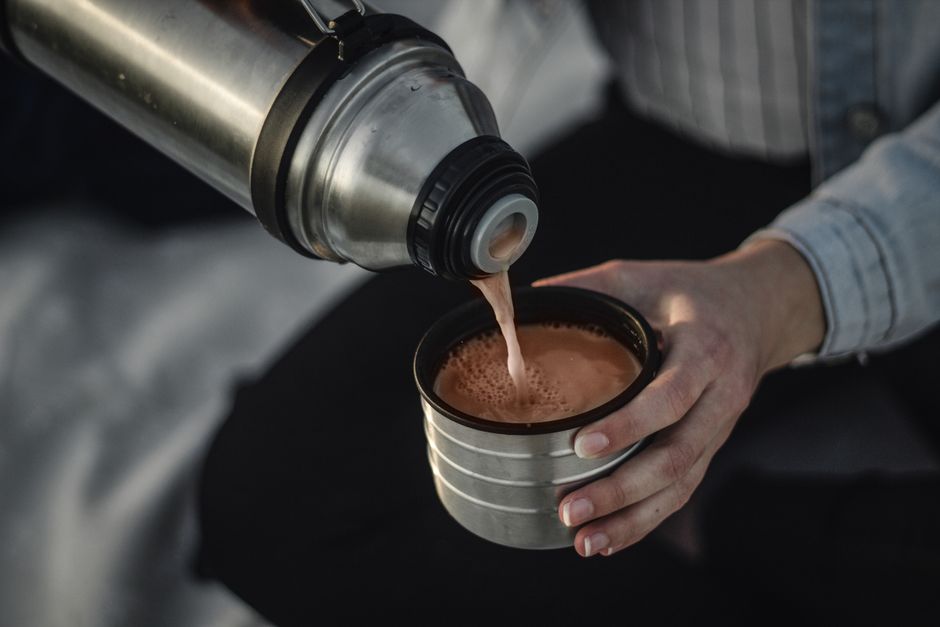
Later in the same week, the power company sent a notice that the electricity would be shut off for a few hours while crews fixed a line nearby. This time we had warning. Before the shutoff, I boiled a kettle and filled our big thermos with hot water. I also filled a second thermos with coffee for my husband. When the power went off, I made oatmeal for our youngest with the hot water from the thermos, and my husband had his coffee without any fuss. It felt almost normal. The hot water stayed hot for most of the day. The takeaway is this. If you know a power cut is coming, store hot water in a thermos ahead of time.
A bucket and a mug make a decent bath

When the water main broke down the road, the water pressure in our house dropped to a trickle. The shower was useless. My kids still needed baths after playing outside in the heat. I heated a pot of water on the stove, mixed it with cool water in a bucket until it was warm, and set the bucket in the tub. Each kid stood in the tub and used a plastic mug to pour water over themselves, then soaped up, then rinsed with a few more mugs. A single bucket washed all of my kids with water to spare. Our middle one said it was more fun than a real bath. The takeaway is this. A bucket bath uses a small fraction of the water a running shower uses.
Wash dishes in a basin and rinse in another
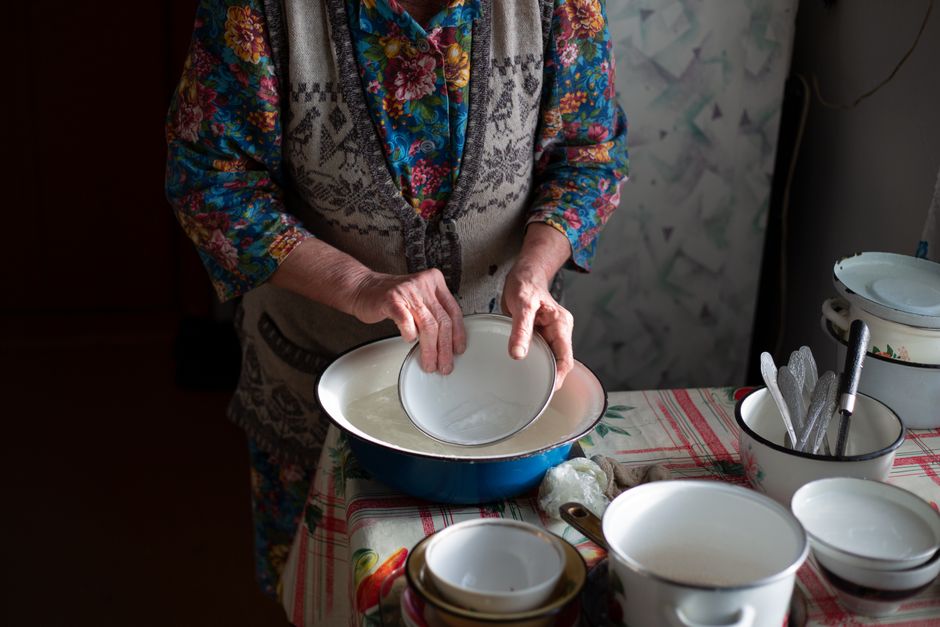
Dinner dishes were a problem during the water shortage. Normally I rinse under a running tap, and that uses a lot of water without anyone noticing. During the conserve notice, I set up a plastic basin in the sink with warm soapy water and a second basin next to it with clean rinse water. I washed in the soapy basin and dipped each dish in the rinse basin. My husband dried and put away. The whole pile of dinner dishes got done with just those basins of water. When we were finished, the rinse water went into a bucket to be used again. The takeaway is this. Washing in a basin and rinsing in a basin uses far less water than a running tap.
Catch the cold water while the shower warms up
Once the water pressure came back a little, my husband wanted a real shower. The water took a long time to warm up, and all that cold water usually runs straight down the drain. I put a bucket under the shower head before turning it on. The bucket caught the cold water while my husband waited for it to warm up. That bucket ended up being almost full. We carried it to the bathroom and kept it next to the toilet for flushing. Our oldest started doing the same thing without being asked. The takeaway is this. A bucket in the shower catches water that would have gone to waste.
Saved bathwater can flush the toilet
During the water shortage, flushing the toilet felt wasteful, but nobody wants to skip it. My husband figured out that pouring a bucket of water quickly into the toilet bowl makes it flush on its own. We used the leftover bath water from my kids’ bucket baths, and the water caught from the shower, and the rinse water from dishes. We kept a bucket in each bathroom and refilled it as water became available. My kids thought pouring the bucket was the best part of the week and argued over whose turn it was. The takeaway is this. Flushing with saved water means clean water from the tap can go to drinking and cooking.
Vegetable rinse water can go to the plants

I keep a few tomato plants and some herbs in pots on the back step. During the water shortage, I did not want to use clean tap water on them. One evening I was rinsing green beans and lettuce for dinner in a bowl of cold water. Instead of pouring the water down the drain, I carried the bowl out and poured it over the tomato pots. The next night I did the same with the water from rinsing potatoes. My husband pointed out that the water needs to be unsalted and free of soap, which is easy if it is just rinse water. The plants did fine. The takeaway is this. Plain water from rinsing vegetables is perfectly good for watering plants.
A jug at the sink replaces a running tap
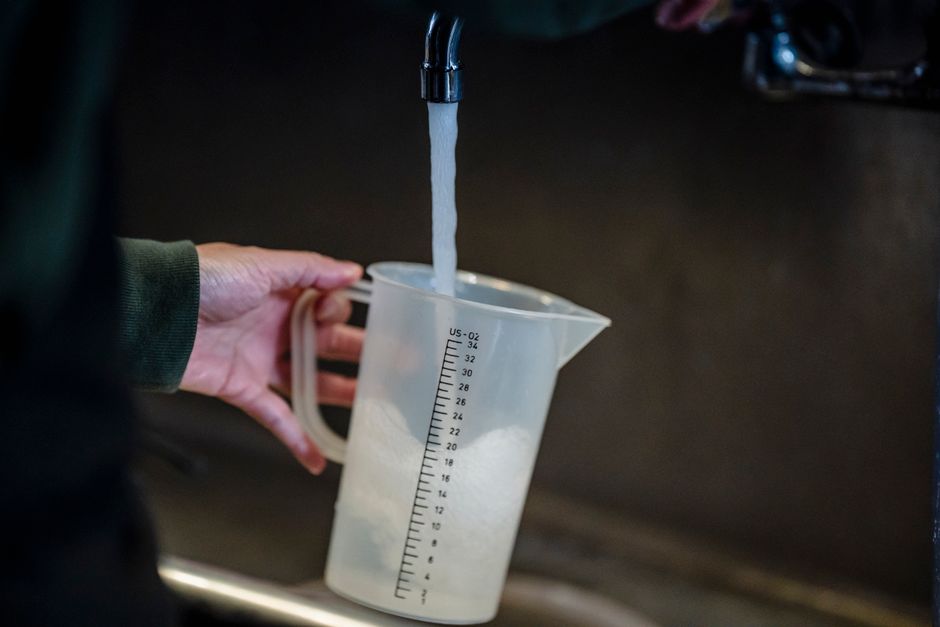
Hand washing before dinner is a rule in our house, and my kids wash a lot. With the water pressure low and the conserve notice posted, I filled a big pitcher with clean water and set it on the counter beside the bathroom sink. Each kid poured a little water over their hands, soaped up, and poured a little more to rinse. The same pitcher lasted the whole family for a full day of hand washing. My husband said we probably use more water in a single hand wash under a running tap than my kids used all day with the pitcher. The takeaway is this. Pouring from a jug lets you control exactly how much water goes down the drain.
Store drinking water in clean covered containers
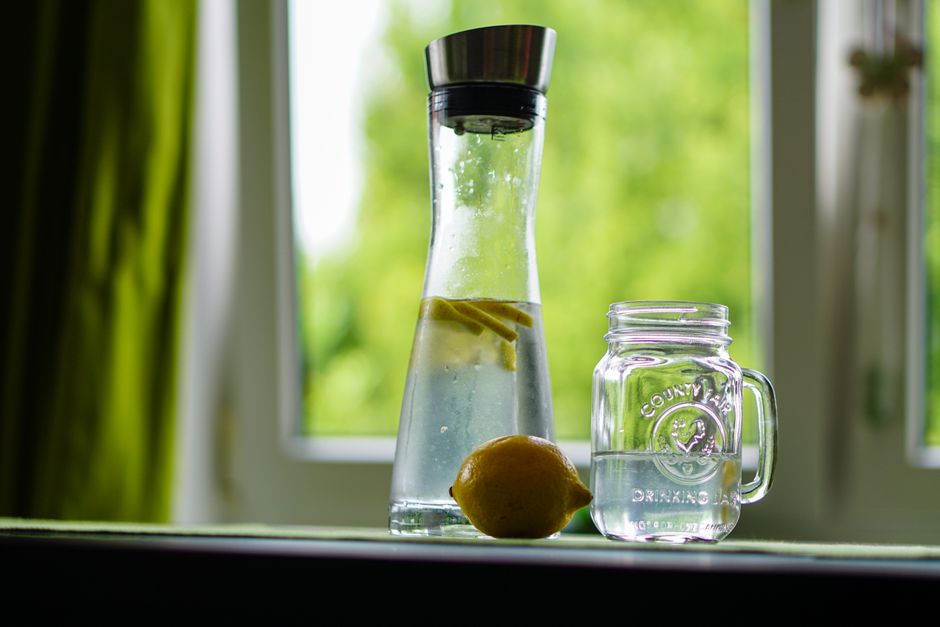
The morning the conserve notice came, I filled every clean food-grade container I could find with tap water before the pressure dropped too low. I used empty juice jugs that I had rinsed well, a big glass drink dispenser, and a few reusable water bottles. Every container got a lid or a cover to keep dust and bugs out. I set the containers on the floor of the pantry where it stays cool and dark. That water was for drinking and cooking only, and my kids knew not to use it for anything else. We did not run out. Now I keep a few filled jugs in the pantry all the time. The takeaway is this. Store drinking water ahead of time in clean, covered containers made for food.
Wait for a full load before running laundry
Laundry piles up fast with my husband and my kids in the house. Halfway through the water shortage, the pile in the hallway was large and I was tempted to run a small load just to feel caught up. My husband reminded me that a washer uses nearly the same amount of water for a small load as for a full one. So we waited. My kids wore shorts twice. I wore the same house dress for two days in a row. By the time the water pressure came back, we had a full load and ran it once. The takeaway is this. A full load of laundry uses water more efficiently than several small loads.
By the weekend the power was steady and the crews had fixed the water main. The curtains were open again, the solar lights were back in the yard, and the buckets went into the garage. My kids still talk about sleeping on the living room floor with the windows open, and my husband still fills his thermos before a storm, just in case. I am glad we learned these things the easy way, with no real damage and nothing worse than melted ice cream.
What is the one thing you would want ready in your house before the next power cut or water shortage?
About the author