People Who Love You from the Heart Say These 10 Things Regularly
Last month I asked readers a simple question in an email. What does a person say when the love is real and not just for show? I expected a handful of replies. I got pages of them. Most of the answers were short, plain sentences that nobody would put on a greeting card.
I printed the replies and taped a sheet of paper to the fridge during one rainy week in November. Every time I heard one of those sentences in my own house, I made a mark on the paper. My husband thought the list was a grocery list for the first two days. My kids used the pen to draw on the bottom of the sheet. By Sunday the paper was full of marks anyway.
I used to be a teacher, and I still think like one. A list on the fridge helps me notice things I would otherwise walk past. This is what the list taught me about how people who love you from the heart talk, in my own kitchen and in the homes of the readers who wrote in.
They ask you to let them know you got there safely
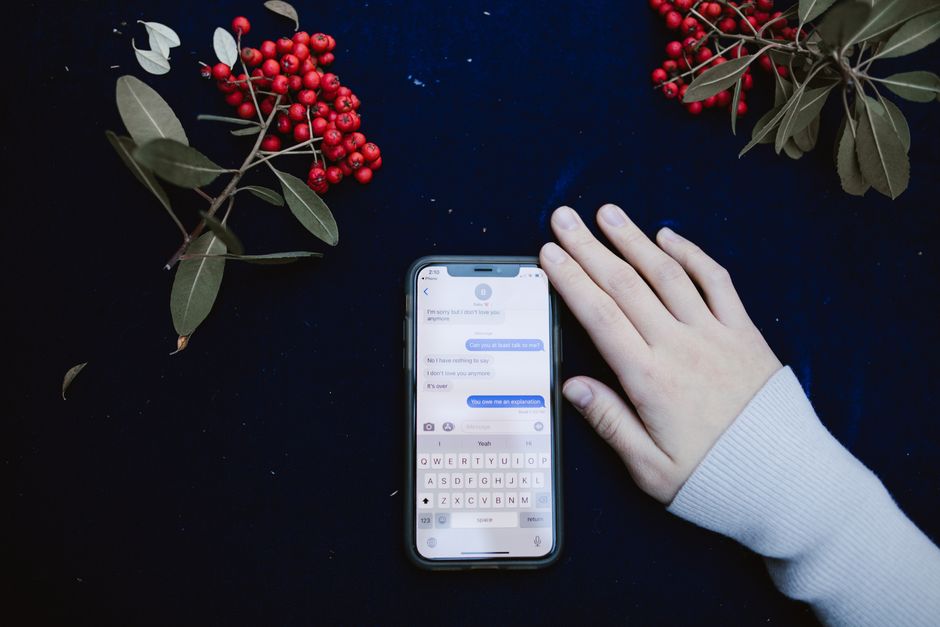
On Tuesday of my fridge list week, my husband left for work in heavy rain. I said what I say most mornings. Text me when you get there. He rolled his eyes a little, then texted from the parking lot anyway. The message was one word. Here. I had not realized how much I wait for that word until I started marking the paper.
A reader named Carla B., 52, of Dayton, Ohio, wrote that her grown son still sends a thumbs up when he lands after a flight. She said, “He used to think it was silly. Now he does it before I even ask.”
The lesson I took from this is small. A person who loves you wants to know you are safe, and says so out loud.
They ask if you have eaten

Thursday afternoon of that rainy week, I had skipped lunch without noticing. Our oldest came into the kitchen, looked at the clean counter, and asked, “Mom, did you eat anything today?” I had not. Our oldest pulled a banana off the hook and handed it to me without any speech about it.
I marked the fridge sheet and felt a little caught. Several readers mentioned this exact question. Marcus T., 34, of Boise, Idaho, wrote, “My wife asks if I ate before she asks how work was. I know the order means something.”
Here is what I now believe. Asking whether someone has eaten is a plain way of saying I am paying attention to your body, not just your schedule.
They say the words I was wrong and I am sorry

On Wednesday night my husband and I argued about a bill that had been paid late. I was sharp with him in front of the kids. Later, after the kids were asleep, I went to the living room and said that I had been wrong to bring it up at dinner and that I was sorry. My husband said he had been wrong to let the bill sit. Nobody won. That was the point.
I added two marks to the fridge paper that night, one for each of us.
A reader named Denise W., 61, of Spokane, Washington, wrote, “My late husband apologized fast and meant it. That one habit carried us through decades.”
The takeaway for me is this. People who love you from the heart apologize in full sentences, with no excuses attached.
They ask you to tell them more

During that November week, our middle one spent most of Monday dinner explaining a game from recess. The rules did not make sense to me. I wanted to change the subject. Instead I said, “Tell me more about that.” Our middle one talked for another ten minutes and ate a whole plate of vegetables without noticing.
My husband caught my eye across the table. He had heard the sentence too. The paper on the fridge got a mark.
Readers mentioned this phrase more than any other. One reader, Priya S., 45, of Raleigh, North Carolina, wrote, “My sister never rushes me. She says tell me more and then actually waits.”
What I learned is simple. Asking for more shows that you want the whole person, not the short version.
They tell you they are proud of you
On Friday of my fridge list week, our youngest brought home a drawing from school and shoved it at me before taking off a coat. I said, “I am proud of you for finishing it.” Our youngest paused, then smiled and went to find the tape to hang it up.
That same evening, my husband mentioned that a project at work had gone well. I said I was proud of him too. He looked surprised. I realized I say that sentence to the kids often and to my husband almost never.
I marked the paper twice and felt a little ashamed about the gap.
The lesson I am still working on is this. Being proud of someone does nothing if the words stay inside your head.
They ask what you need right now
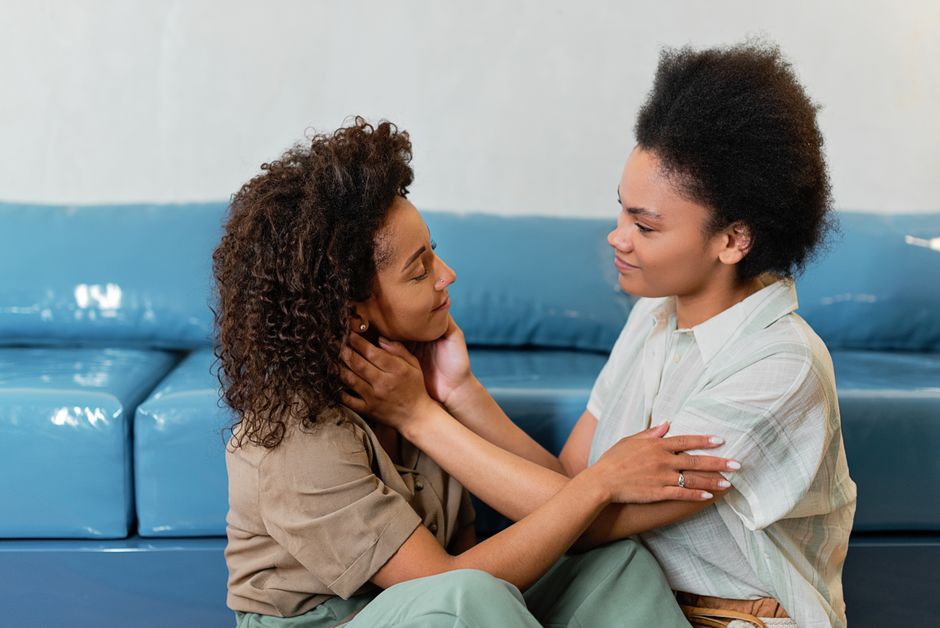
Saturday morning that week, I was standing at the sink feeling behind on everything. My husband came in with a coffee and asked, “What do you need right now?” Not what needs to get done. What do you need. I said I needed twenty minutes alone. He took the kids to the garage to sort recycling, and I sat in the quiet kitchen.
I had not expected to mark the fridge paper for something aimed at me. It felt different to be on the receiving end.
A reader wrote about a friend who asked this question every week during a hard season of caregiving. She said the question mattered more than any casserole.
Here is the plain truth I took from it. Asking what a person needs beats guessing, and it beats assuming.
They save you a plate
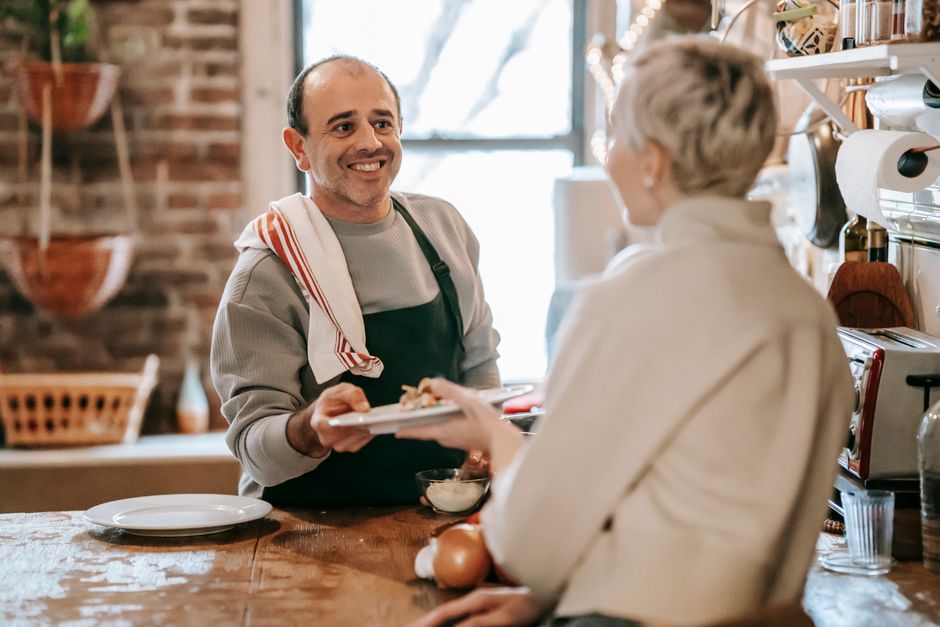
On Thursday night of that rainy week, I was late home from a school meeting. The kitchen was clean, which surprised me. Then I saw a plate on the counter covered with foil and a sticky note in my husband’s handwriting. Saved you some. The food was still a little warm.
I ate standing up at the counter and marked the fridge paper before I even sat down.
Many readers wrote about saved plates. A grandfather wrote that his late wife had kept a plate for him in the oven for most of their marriage, and he still sets one aside for his adult daughter out of habit.
What this taught me is that love often shows up as a covered plate and a note. The words do not have to be fancy.
They tell you to take your time

Sunday morning of my fridge list week, our oldest was tying shoes for church and getting frustrated. I started to hurry things along, then stopped myself. I said, “Take your time.” The knot got done. We were a few minutes late. Nobody minded.
Later that day my husband was working on a leaky faucet and swearing softly under the sink. I handed him a towel and said the same sentence. He laughed and said it was the first useful thing anyone had said all afternoon.
Two marks on the paper.
The lesson is clear to me now. Telling a person to take their time is a way of saying you are worth waiting for.
They tell you they thought of you today

On Tuesday afternoon that week, my husband sent a photo from a gas station of a candy bar I liked in college. The message said only, “Thought of you.” I stood in the laundry room and smiled at my phone like a teenager.
That night our middle one told me that a classmate had a sweater the same color as mine and that it made our middle one think of me at lunch. I did not know a kid that age noticed things like that.
I marked the paper twice.
A reader named Walter P., 61, of Tucson, Arizona, wrote that his wife leaves notes in his lunch bag that say the same thing. He said, “Married a long time and it still works.”
The takeaway I keep is plain. Saying you thought of someone proves that the person lives in your mind when they are not in the room.
They say we will figure it out together

Late on Saturday night of my fridge list week, my husband and I sat at the kitchen table with the furnace repair estimate between us. The number was higher than we had planned for. I felt my chest tighten. My husband put his hand flat on the paper and said, “We will figure it out together.” He did not have a plan yet. He just said the sentence.
I added the last mark to the fridge list that night.
Readers wrote this phrase in many forms. One reader said her mother used it during a divorce, a job loss, and a cancer scare, and the words never changed.
What I believe now is this. A person who loves you from the heart does not promise to fix everything. That person promises not to leave you alone with it.
By Sunday night the paper on the fridge was crowded with marks and crayon scribbles. I did not count the marks. The number was not the point. The point was that these sentences were already in my house, and in the houses of the readers who wrote to me, and I had been walking past them for years.
None of the ten sentences is hard to say. Most of them take less than five seconds. I am going to leave the paper on the fridge for another week and see which ones I say least. I already know the answer for one of them.
Which of these sentences do you hear most often in your own home, and which one do you wish you heard more?
About the author