
This Is Why Men Over 40 Quietly Cut People Off

My husband got a text last Tuesday from a man he has known since before our three kids were born. The text asked about a weekend get together. My husband read it at the counter while I packed lunches. My husband set the phone face down and went back to washing a pan. Later that night my husband told me he would not be going. I asked why. My husband said he did not have it in him anymore.
That small moment stayed with me. So I put a question to the men who read this blog, the ones over 40. I asked why men that age quietly cut people off. Replies came in all week. I read them at the kitchen table after my three kids were asleep. Then I watched my own house during that same week, paying attention to what my husband did with the people in his life.
I am not a counselor. I used to be a teacher, and now I am a stay at home mom. What follows is what readers told me and what I noticed at home. Some of it was hard to read. Some of it made a lot of sense.
Free time is short and they protect it

On Wednesday night my husband got home late. Dinner, homework at the table with our oldest, baths for our youngest, and bedtime took every minute until past nine. My husband sat down on the couch and looked at his phone. The old friend had texted again. My husband said the one hour he had left belonged to him and to me, not to a long call about plans he did not want to make.
Dennis R., 52, Fort Wayne, Indiana, wrote this to me. “I used to think I was rude for not calling people back. Now I think my time is just smaller than it was. I spend it on my wife and my boys. I do not feel bad about that anymore.”
Men over forty often cut people off because the hours left in a day are few, and they want those hours to count.
Loud friendships stop feeling fun

My husband has a friend who turns every dinner into a debate. On Thursday that friend called, and I could hear the tone from the other room. My husband stayed polite and got off the phone fast. Afterward my husband said the calls used to feel like a good argument and now they only feel like noise.
Mark T., 47, Chattanooga, Tennessee, told me something close to that. “There was a guy I had known since we were kids. Every time we got together, it turned into a fight about politics or money. One day I just stopped picking up. I did not announce it. I just did not have anything left for it.”
A friendship that used to feel lively can start to feel like a fight men no longer want to have.
Explaining takes more effort than leaving

My husband does not like to give reasons. When our middle one asked why Dad was not going to the party with the old friends, my husband said he was tired. That was the whole answer. There was no speech.
Luis G., 44, Mesa, Arizona, put it plainly in his reply. “If I say why I am backing off, it becomes a whole talk. The other guy argues. Or he gets hurt. Or he wants to fix it. I do not want to fix it. So I say nothing and I drift. It is not the bravest thing. It is the thing I can do.”
Many men over forty go quiet instead of having a hard talk, because the hard talk feels like one more job they do not want.
Effort that only goes one way gets noticed
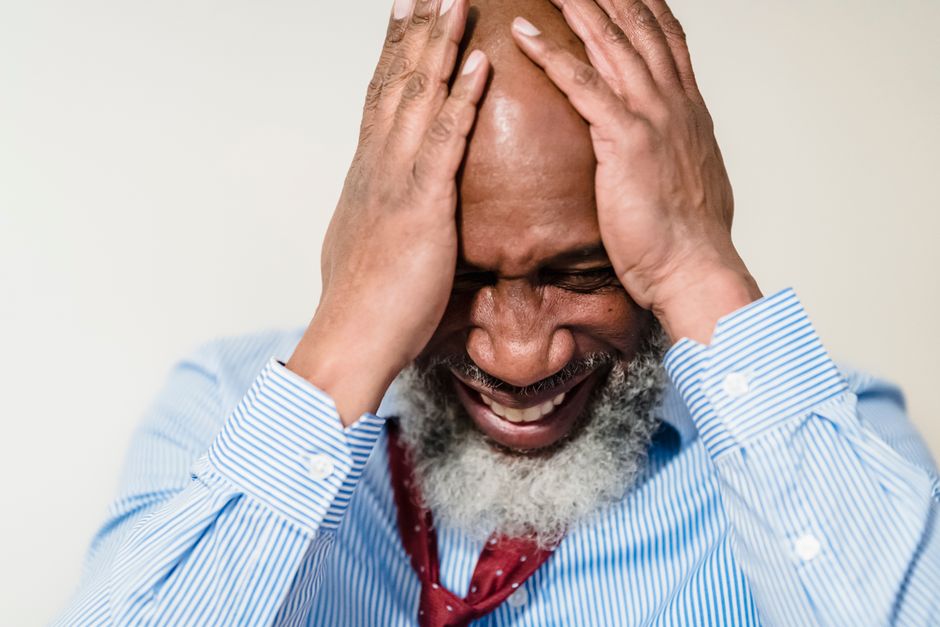
On Friday my husband scrolled back through a text thread with a man he used to work with. My husband counted, out loud, how many of the last messages he had sent and how many had come back. The answer was lopsided. My husband put the phone down and did not send another one.
Craig W., 58, Lancaster, Pennsylvania, sent me a reply about this exact thing. “I stopped calling first. I wanted to see what would happen. Nothing happened. Nobody called. That told me what I needed to know. I was not angry. I just understood that I was the only one holding it up.”
When a man over forty realizes he is the only one reaching out, he often stops reaching, and the friendship ends without a word.
The house comes before the night out

Saturday morning our dryer stopped working. My husband spent the morning on the floor of the laundry room with a flashlight. The old friend texted again about meeting up that night. My husband texted back one line saying he could not make it. Then my husband went back to the dryer.
Tom H., 49, Rochester, New York, said this. “I have a house, a wife, three kids, and a mortgage. Something is always broken. When a buddy wants me to go out on a Saturday, I think about the gutter that needs cleaning. I am not choosing the gutter over him. I am choosing not to have one more thing on the list.”
For many men over forty, the home takes the first and best part of their energy, and friendships that demand a lot get what is left.
Old roles do not fit anymore
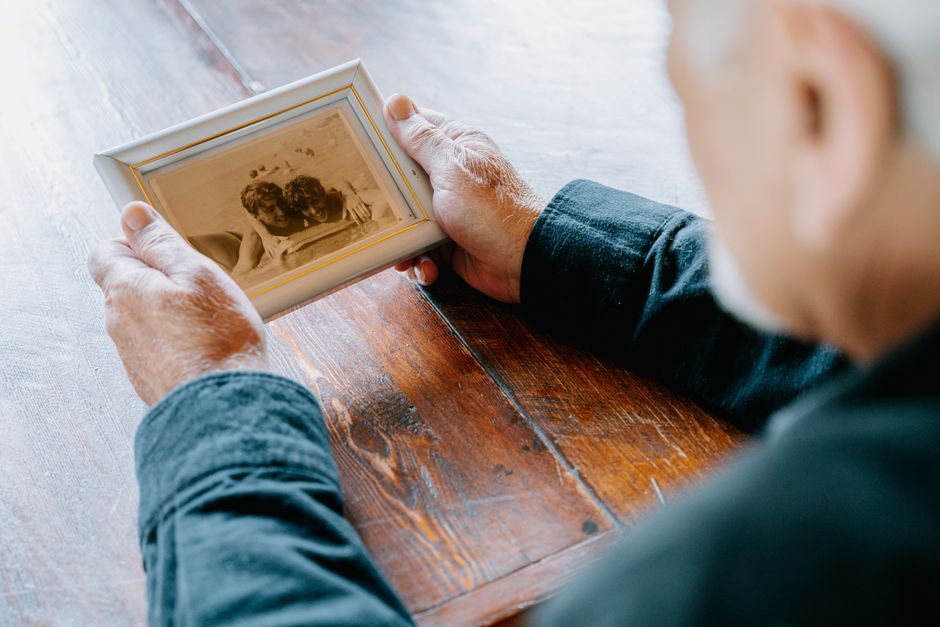
The friend who texted my husband has known him a long time. When the two of them talk, that friend still brings up stories from years ago, and still treats my husband like the young man in those stories. My husband told me on Saturday night that he does not feel like that person. My husband said it is tiring to keep playing a part.
Steve M., 55, Tulsa, Oklahoma, wrote about the same feeling. “My old friends want me to be the guy I was in my twenties. Loud, up for anything, no plans. I have plans now. I have a family. When I am around them, I feel like a costume. I would rather stay home and be myself.”
Men over forty often cut off people who only know the old version of them, because that version is gone.
Drama costs more than it used to

On Sunday a neighbor stopped by to complain about another neighbor. My husband listened for a few minutes, then said he had to help our youngest with something. Afterward my husband told me he used to find that kind of talk interesting. Now it just makes him tired.
Ray B., 61, Spokane, Washington, sent me this. “At some point I noticed that certain people always brought a problem with them. Not a real problem. A grudge, a rumor, something somebody said. I started to feel worn out after every visit. So I let those visits get rare. Then I let them stop.”
Many men over forty step away from people who bring constant drama, because the cost of the drama is higher than the value of the company.
They are not angry, they are finished

I asked my husband on Sunday night if he was mad at the friend who kept texting. My husband said no. My husband said he was not mad at anyone. My husband said the friendship had simply run out, and that he did not see a reason to pretend it had not.
Paul K., 46, Dayton, Ohio, wrote this, and it stuck with me. “People think when a man cuts you off, he is furious. Most of the time I am not. I am just done. There is no fire. There is no big story. The thing ended, and I let it end.”
When a man over forty goes quiet, it is often not a grudge. It is a calm decision that something has run its course.
Family comes first and it is not for show

Monday was our middle one’s school concert. My husband left work early for it. A coworker had asked my husband to go to a game that same night. My husband said no without a second thought. In the car afterward my husband said he would pick the concert every time, and that most of the men his age he knows would say the same.
Gary L., 50, Boise, Idaho, told me this. “My kids will be gone before I know it. My friends will still be there, or they will not. Either way, the kids come first. If a guy cannot understand that, he is probably not a guy I need to keep.”
Men over forty often lose friends who resent the time that goes to family, and most of those men are at peace with that.
A few good people beat a long list

On Tuesday night I asked my husband how many friends he would call if something went wrong. My husband named two men. That was the whole list. My husband did not seem bothered by that number. My husband said both of those men would show up, and that was what mattered.
Kevin D., 43, Greenville, South Carolina, sent me a reply about this. “In my twenties I had a huge group. Now I have a handful. The handful shows up when my dad is in the hospital. The big group sent a text once. I am not sad about the ones who faded. I am grateful for the ones who stayed.”
Many men over forty trim down to a small circle on purpose, and they feel richer for it.
Being used gets old
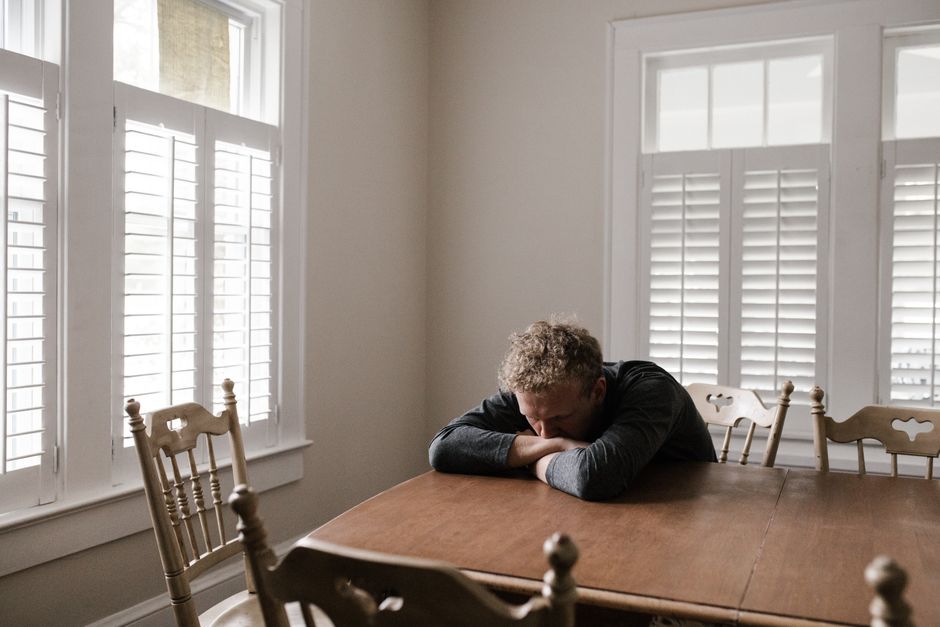
There is a man who only calls my husband when something at his house breaks. On Wednesday that man called about a leaking faucet. My husband walked him through the fix over the phone. Then my husband said quietly that he could not recall the last time that man called just to talk.
Frank P., 63, Erie, Pennsylvania, wrote this to me. “I noticed a pattern. Some people only reached out when they needed a ride, a loan, a tool, or a favor. I helped for years. Then I stopped answering. Not out of spite. I just got tired of being a service and not a friend.”
Men over forty often cut off people who treat the friendship like a help line, because the giving has gone on too long without anything coming back.
Nobody taught them to say it out loud

My husband is not a talker about feelings. When our oldest hurt his feelings with a careless comment on Thursday, my husband did not say so. My husband just got quiet and went outside for a while. I know that look. It is the same look my husband gets when a friend lets him down.
Alan S., 54, Lincoln, Nebraska, said something that I think a lot of men would recognize. “I was raised to not say when I was hurt. So when a friend hurts me, I do not have the words. I just pull back. It probably looks cold from the outside. From the inside, it is the only tool I have.”
Many men over forty cut people off quietly because no one ever showed them how to say that they were hurt.
Fading out feels kinder than a speech

My husband told me on Friday that he thought about writing the old friend a long message. My husband started one. Then my husband deleted it. My husband said a long message would have felt like an attack, and that letting things fade felt gentler, even if it was less clear.
Brian C., 48, Knoxville, Tennessee, wrote this. “I had a friend I needed to step away from. I thought about calling him and listing everything. That felt cruel. So I just got busy. I answered slower. I said no to plans. Within a year, we were done, and nobody had to be the bad guy.”
Men over forty often choose the slow fade because, to them, it feels like the kinder choice, even though the other person may not see it that way.
Health moves to the front

My husband started walking in the evenings after a checkup this winter. On Saturday, instead of going to a bar with the old group, my husband walked for an hour and came home. My husband said he would rather feel good on Sunday morning than sit in a loud room on Saturday night.
Doug E., 57, Cedar Rapids, Iowa, told me this. “After my doctor sat me down, I looked at who I spent time with. Half my friendships ran on beer and late nights. I did not want that anymore. I did not make a big deal out of it. I just stopped going. The ones who were real found another way to see me.”
For many men over forty, a health scare makes them drop the friendships that depend on habits they are trying to leave behind.
Respect matters more than history
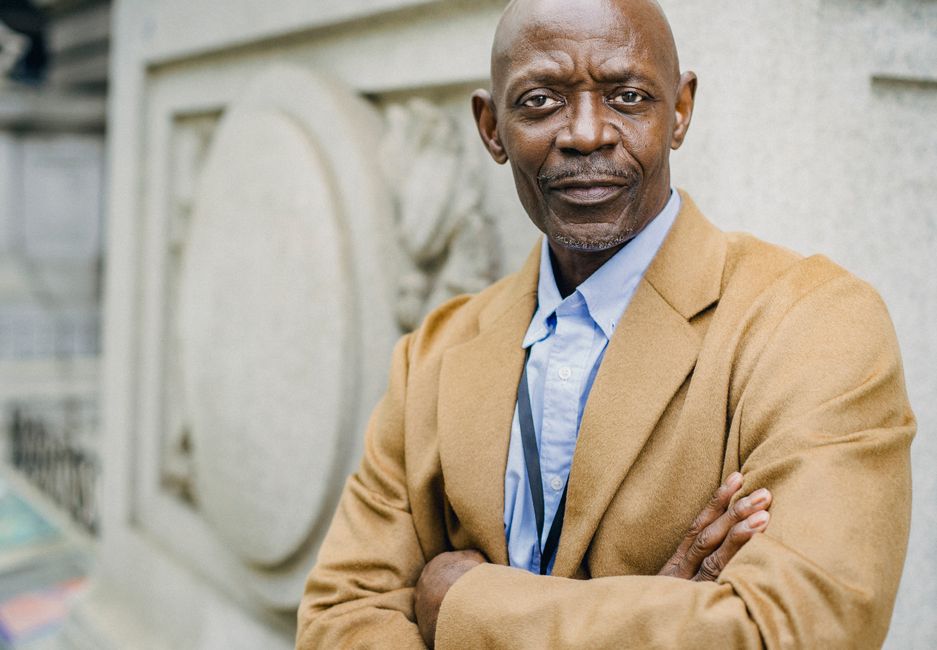
On Sunday afternoon my husband told me about a time, years ago, when the old friend made a joke at my husband’s expense in front of a room full of people. My husband laughed it off then. My husband said he has thought about it more than once since. A long history, it turns out, does not cancel out a moment like that.
Rick J., 45, Topeka, Kansas, put it this way. “I used to think I owed people something because we went way back. Now I think respect is the thing I owe people, and it is the thing I expect. If a guy keeps putting me down, I do not care how long we have known each other. I am out.”
Men over forty often decide that a shared past is not a good enough reason to keep someone who does not treat them with respect.
Group texts turn into work

There is a group chat on my husband’s phone that lights up all day. On Monday I watched my husband scroll past dozens of messages without reading them. My husband said he had muted it a month ago. My husband said keeping up with it felt like a second job.
Jeff N., 51, Albany, New York, sent me a reply about this. “The group text was fun at first. Then it was memes all day. Then it was people arguing. I muted it. Then I left it. A couple of guys texted me directly to ask why. The ones who did that are the ones I still talk to.”
For many men over forty, the constant noise of group messages becomes one more demand, and leaving is the easiest way to get quiet.
They grow past the person their friends remember

My husband reads more than he used to. My husband cooks on weekends now, and takes our kids to the library. The old friend does not know any of that. When the old friend calls, the conversation is about the past. My husband told me on Tuesday that it is strange to talk to someone who does not know the current version of you.
Carl V., 59, Fayetteville, Arkansas, wrote this. “I changed a lot after my forties. My old friends did not. Every conversation felt like a rerun. I do not blame them. But I stopped trying to force it. I made new friends who know who I am now.”
Men over forty often drift from people who only know who they used to be.
Sometimes the quiet is a warning sign

I want to say this part plainly. Not every man who pulls back is doing it from a healthy place. One reader wrote to me and asked not to be named. He said he cut off everyone over the course of a year, and that it was not peace. It was depression. He said he wishes someone had noticed sooner.
I thought about that reply for a long time. My husband cutting off one draining friend is one thing. A man cutting off everyone, including family, is something else. If you see that in someone you love, or in yourself, it is worth a call to a doctor or a counselor. That is not a weakness. That is the right call.
A man stepping back from one or two people is normal. A man stepping back from everyone can be a sign he needs help.
The ones who stay are the ones who make it easy

By the end of the week, my husband had still not answered the old friend. But on Thursday, one of the two men my husband would call in an emergency stopped by with a part for our dryer. He stayed for a cup of coffee. He asked about our kids by name. He left before dinner so we could eat as a family. My husband was in a good mood the whole evening.
Nobody wrote me a long reply about this part. But I saw it in my own kitchen. The friendship that lasted was the one that asked for almost nothing and gave something real. It fit into the life my husband actually has.
Men over forty keep the people who make being friends simple, and they quietly let go of the ones who make it hard.
That is what one week of reading replies and watching my own house taught me. Men over forty are not cold, and most of them are not angry. Many of them are tired, protective of a short list of people, and short on words for how they feel. The quiet is not always a problem. Sometimes it is just a man choosing where his limited time goes. Sometimes it needs a closer look.
I would like to hear from you. If you have watched a man in your life quietly cut someone off, what do you think was really behind it?
About the author