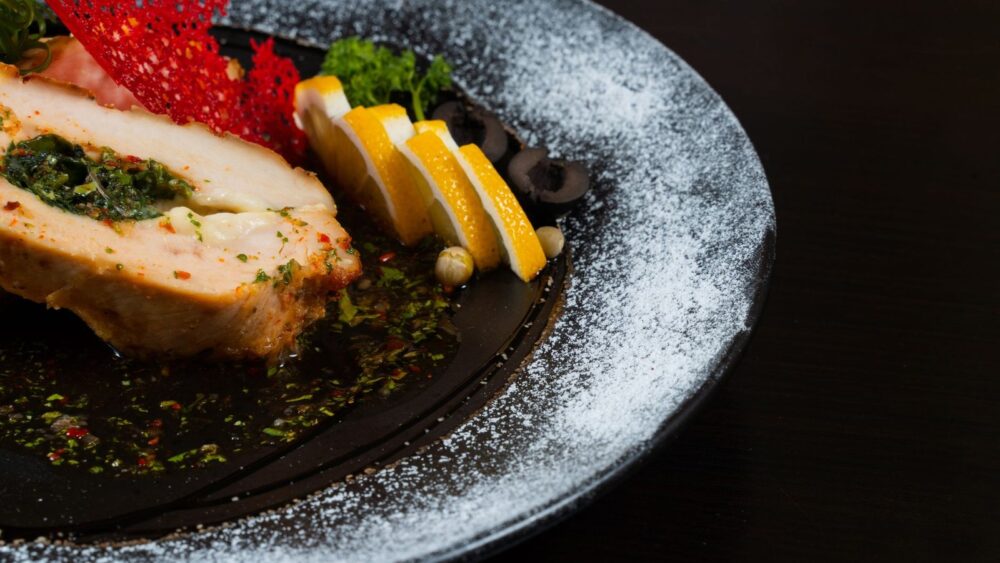
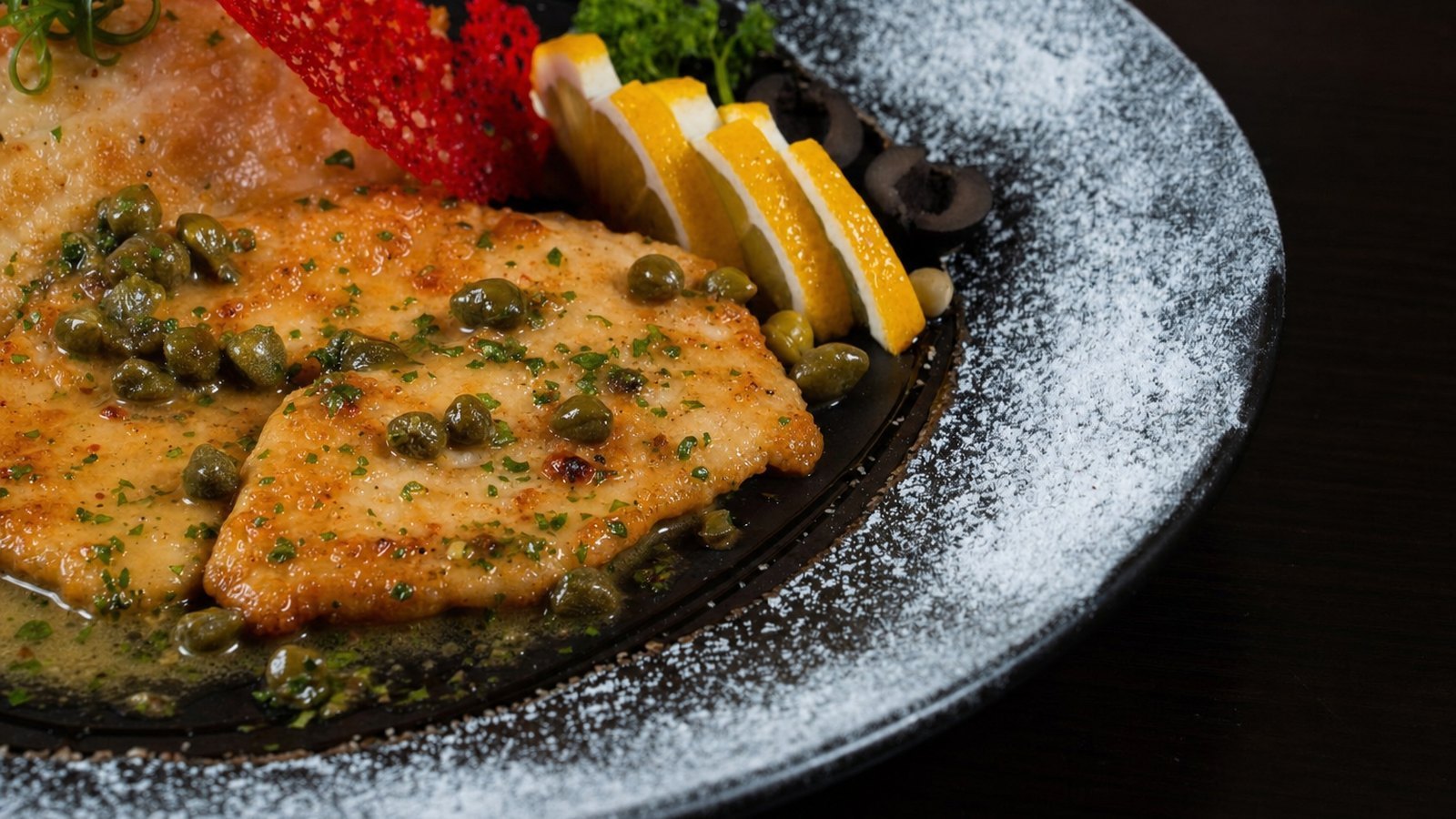
Chicken piccata is thin, golden chicken cutlets in a bright, buttery lemon sauce studded with briny capers. It is an Italian American restaurant classic, and it takes about 35 minutes to make at home with a handful of pantry ingredients.
The cutlets get a light dusting of flour before they hit the pan, which gives them a delicate crust and later helps thicken the sauce. Then white wine, chicken broth and fresh lemon juice reduce into something tangy and rich, finished with cold butter for shine.
Serve it over pasta, alongside rice or with crusty bread. However you plate it, plan on wiping the sauce from the pan with whatever is left.
Why this recipe works
- Cutlets pounded thin. Slicing the breasts in half and pounding them to an even 1/2 inch means they cook in under 8 minutes and stay juicy all the way through.
- A light flour coating. Flour gives the chicken a golden crust and leaves starch in the pan that helps the sauce thicken naturally.
- Butter and oil for searing. Oil raises the smoke point so the butter can brown the chicken without burning.
- Three liquids, one sauce. Wine for depth, broth for body and lemon for brightness. Reducing them together concentrates the flavor.
- Cold butter finish. Swirling cold butter into the reduced sauce off the heat gives it a glossy, slightly thick texture that clings to the chicken.
- Capers added late. Stirring the capers in near the end keeps their briny pop intact instead of cooking it away.
Ingredients you’ll need
Exact amounts are in the recipe card. Here is what to know about each key ingredient.
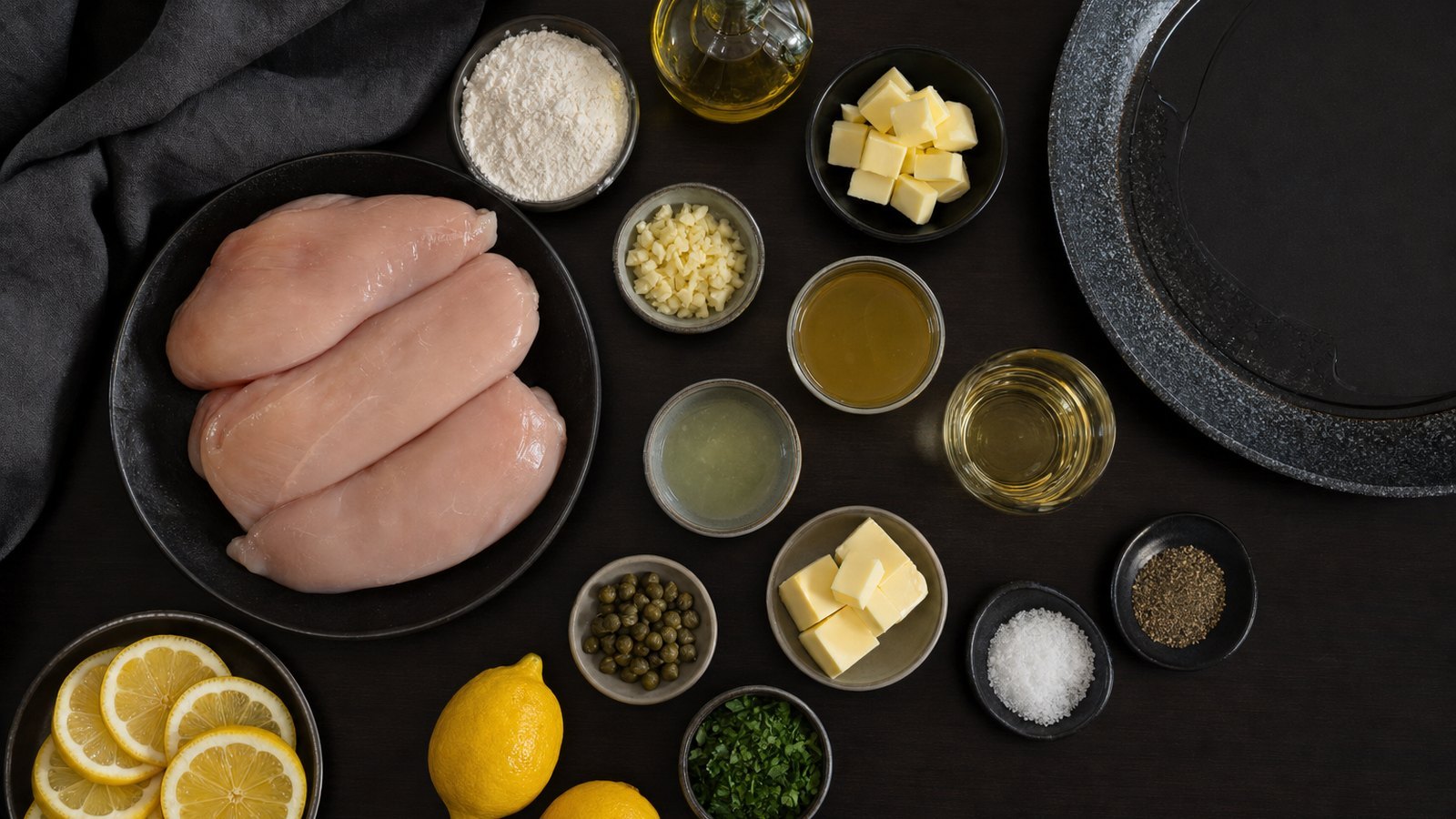
- Boneless skinless chicken breasts. Two large breasts, about 1 1/4 lb, become four cutlets.
- All purpose flour. A half cup for dredging. Most of it stays on the plate, so the chicken gets only a light coat.
- Olive oil and butter. Both go in the pan for searing, and more cold butter finishes the sauce.
- Garlic. Two cloves, minced, cooked briefly before the liquids go in.
- Dry white wine. A half cup of something crisp. Chicken broth can replace it.
- Chicken broth. Three quarters of a cup gives the sauce body and keeps the lemon from being harsh.
- Fresh lemon juice. A quarter cup, from about two lemons. Fresh only.
- Capers. Three tablespoons, drained. They bring the salty, briny note that defines piccata.
- Fresh parsley. Chopped and stirred in at the end for color and freshness.
Ingredient notes and smart substitutions
Chicken
Chicken breasts are traditional. Boneless skinless thighs work too. Trim them, pound them to an even thickness and cook them about 5 minutes per side to 165°F. They stay very juicy.
Thin sliced chicken breast cutlets from the store save the slicing step. You will need about 1 1/4 lb, and they may need only 2 to 3 minutes per side.
Flour
All purpose flour is standard. For a gluten free version, use a cup for cup gluten free blend or rice flour at the same amount. Both brown well and thicken the sauce.
Wine
Pinot Grigio, Sauvignon Blanc or any dry white works. To skip the wine, use an equal amount of additional chicken broth and add 1 extra teaspoon of lemon juice.
Lemon juice
Two medium lemons yield about 1/4 cup of juice. If your lemons are very tart, start with 3 tablespoons and add more to taste. Bottled juice tastes flat and slightly bitter in a reduced sauce, so avoid it here.
Capers
Nonpareil capers packed in brine are the standard. Drain them and, if you are sensitive to salt, give them a quick rinse. Salt packed capers should be rinsed well and soaked for 10 minutes. For a caper free version, use chopped green olives or skip them and add extra parsley.
Butter
Unsalted butter lets you control the seasoning around the salty capers. If you use salted butter, hold back the salt in the sauce until you taste at the end.
How to make it
1. Make the cutlets
Slice each chicken breast in half horizontally to make two thinner pieces. Place them between sheets of plastic wrap or parchment and pound gently with a meat mallet or heavy skillet until they are an even 1/2 inch thick.
Pat the cutlets dry and season both sides with salt and pepper.
2. Dredge in flour
Spread the flour on a plate. Press each cutlet into the flour, turn to coat and shake off the excess. You want a thin, even dusting, not a thick coat.
3. Sear the chicken
Heat the olive oil and 2 tablespoons of butter in a large skillet over medium high heat until the butter foams. Add the cutlets in a single layer, working in two batches if needed.
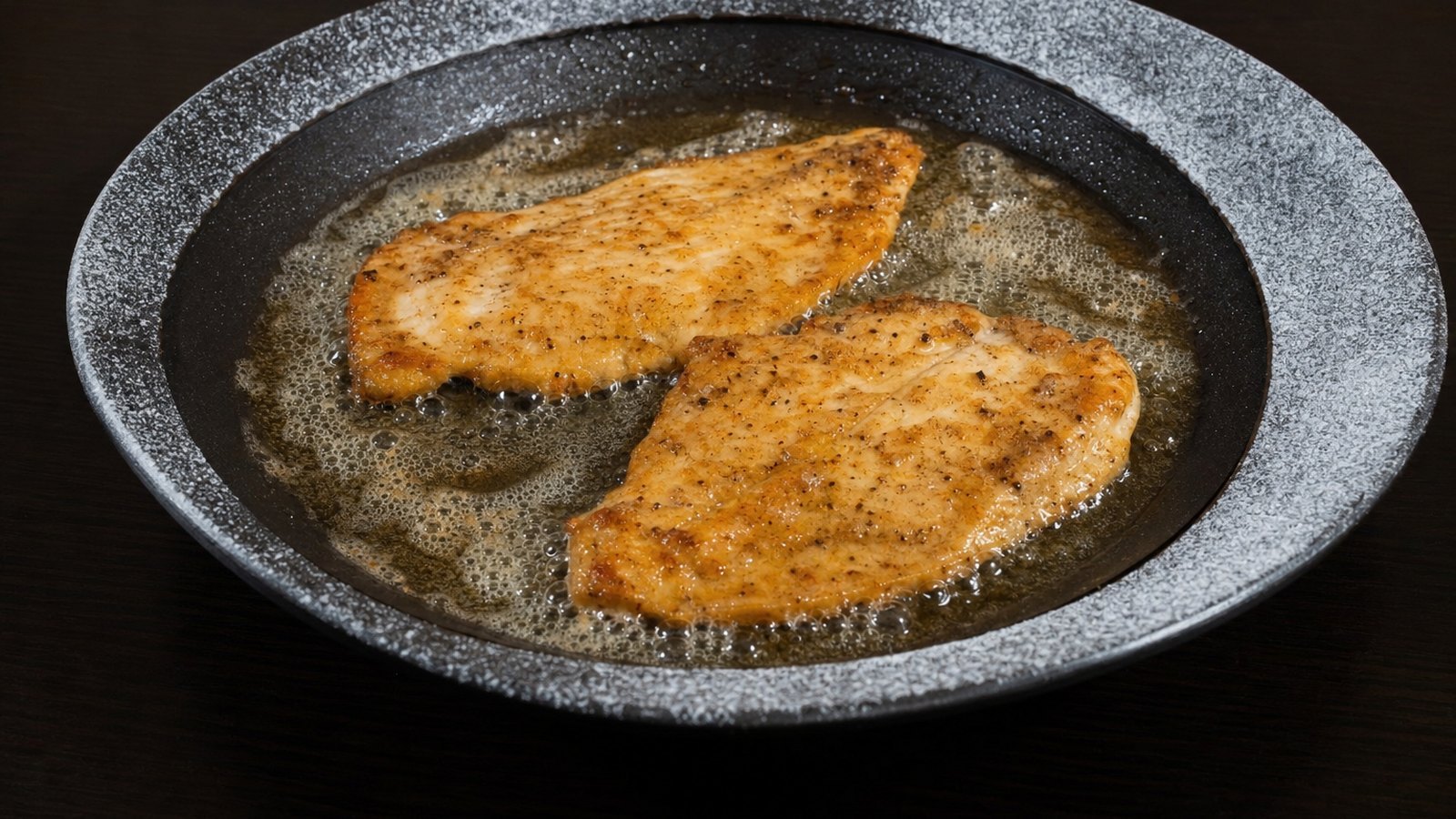
Cook 3 to 4 minutes per side, until golden brown and the thickest part reaches 165°F. Transfer to a plate and tent loosely with foil.
4. Build the sauce
Lower the heat to medium. Add the garlic to the pan and cook 30 seconds until fragrant. Pour in the wine and scrape up the browned bits. Let it bubble for 1 to 2 minutes until reduced by about half.
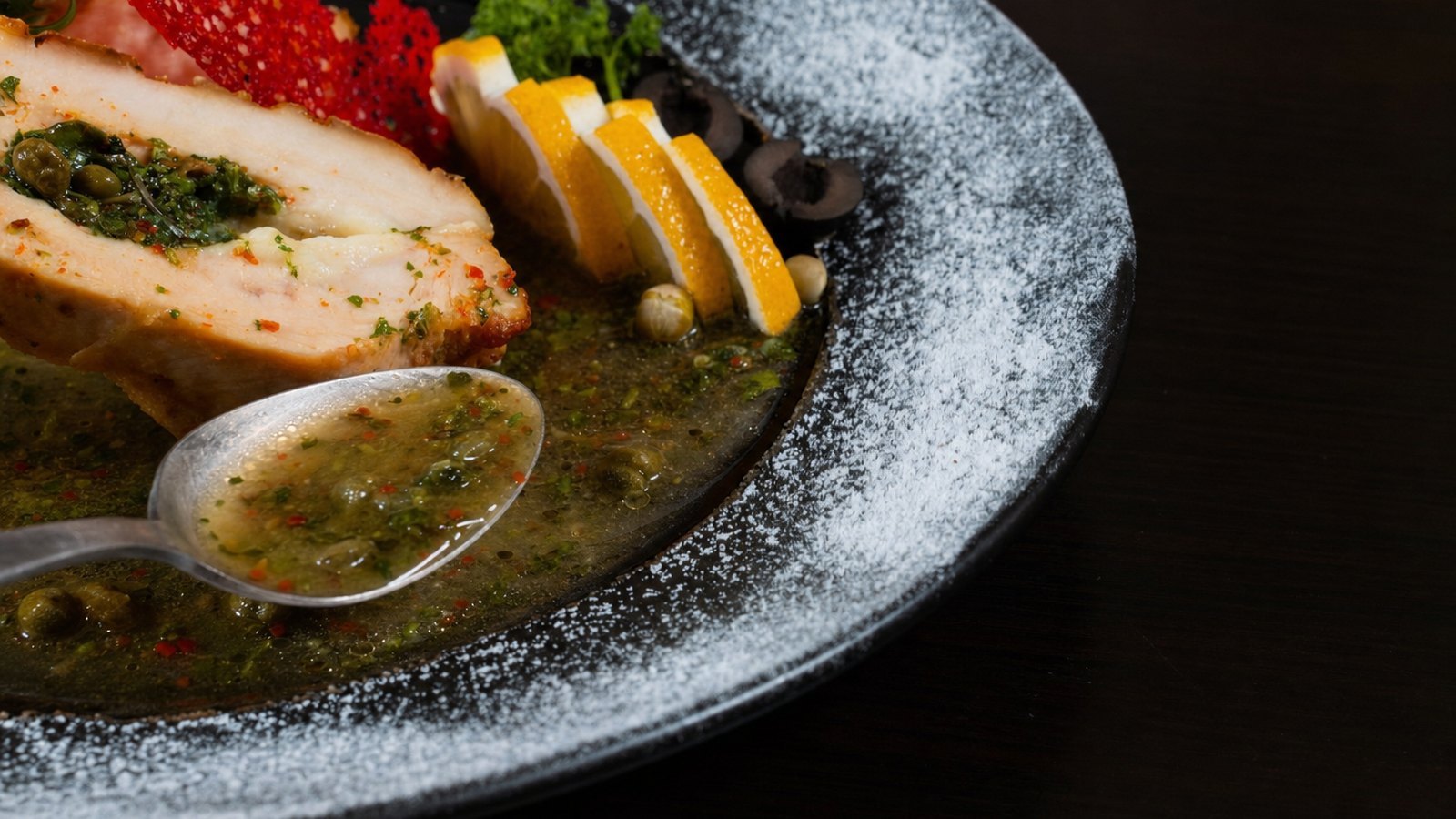
Add the chicken broth and lemon juice. Simmer 3 to 4 minutes until the sauce reduces slightly and thickens just enough to coat a spoon.
5. Finish with butter and capers
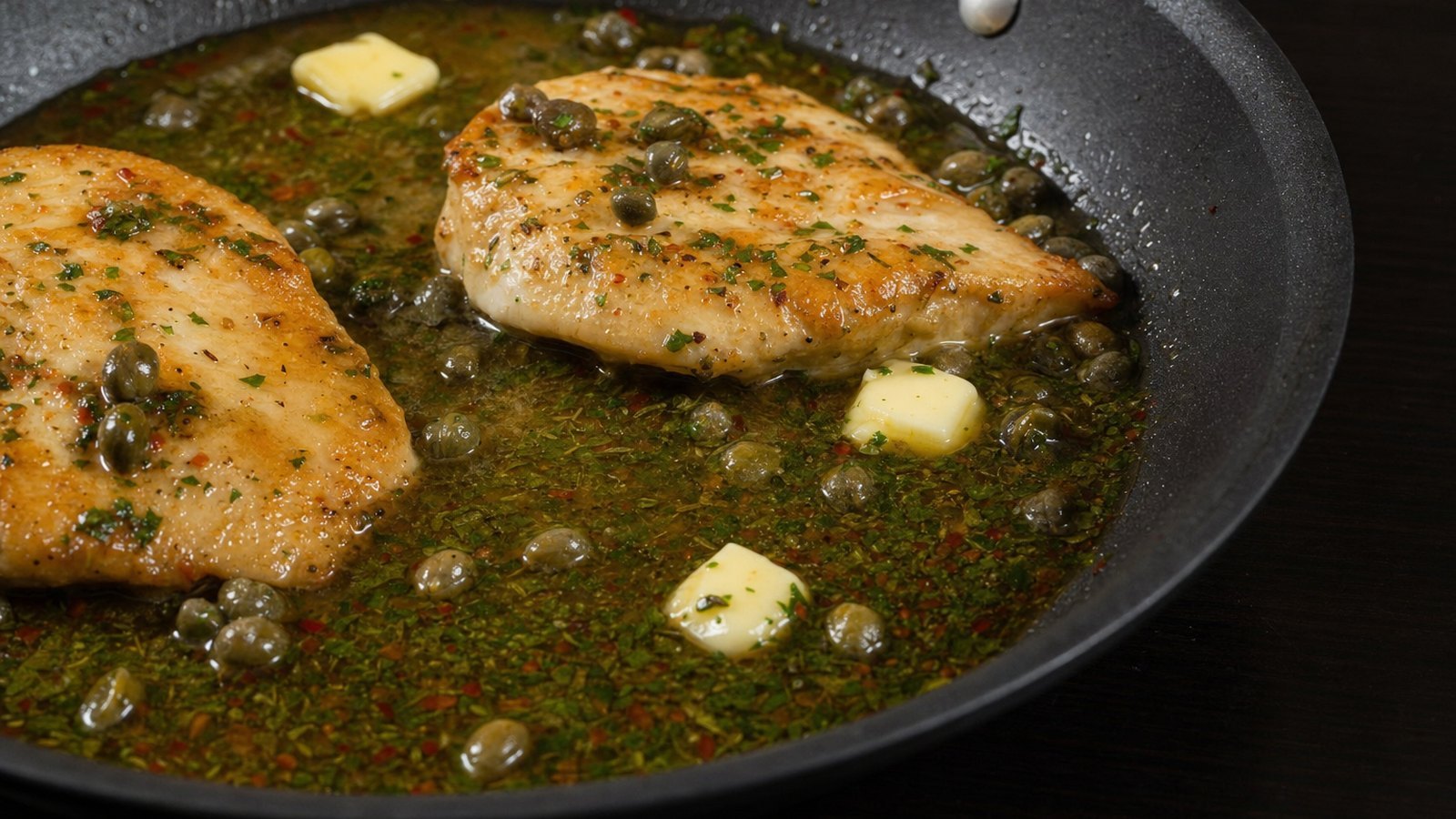
Turn off the heat. Add the capers and the remaining 3 tablespoons of cold butter, swirling the pan until the butter melts into a glossy sauce. Stir in the parsley.
6. Serve
Return the chicken to the pan for 30 seconds to warm through and coat in sauce, or plate the cutlets and spoon the sauce over them. Garnish with lemon slices and more parsley.
Common mistakes and how to fix them
Dry chicken. The cutlets were too thick or cooked too long. Pound to 1/2 inch and pull them at 165°F. Thin cutlets finish fast.
Gummy or pasty coating. Too much flour stayed on the chicken. Shake off the excess so only a light dusting remains.
Sauce too sour. Too much lemon or not enough reduction. Add a splash more broth and simmer a minute, then add the butter. A tiny pinch of sugar also helps.
Sauce too thin. It did not reduce enough before the butter went in. Simmer a couple of minutes longer. The flour left in the pan and the cold butter should give it body.
Butter separated. The pan was too hot when the butter went in. Take the pan off the heat and swirl cold butter in gradually.
Timing and make ahead plan
Chicken piccata takes about 35 minutes. Prep is 15 minutes including slicing and pounding, and cooking is about 20 minutes.
To get ahead, slice, pound and season the cutlets up to a day in advance. Layer them between parchment in a covered container in the refrigerator. Juice the lemons and mince the garlic at the same time.
Cook the chicken and sauce right before serving for the best texture. If you must hold it, keep the cooked cutlets warm in a 200°F oven for up to 15 minutes and make the sauce at the last minute.
Leftovers reheat well, though the coating softens. Warm them gently in the sauce.
If you are serving the piccata over pasta, start the pasta water before you begin pounding the cutlets. Angel hair cooks in about 3 minutes, so drop it in when the sauce starts reducing and everything will be ready together.
Tips for the best chicken piccata
Pound the cutlets evenly. A cutlet that is thin at one end and thick at the other will be dry and raw in the same piece.
Do not crowd the pan. Give the cutlets space so they brown rather than steam. Two batches take only a few extra minutes.
Use a stainless steel or enameled pan so you can see the fond. Those browned bits dissolve into the sauce and carry most of its flavor.
Keep the finishing butter cold. Cold butter melts slowly and emulsifies into the sauce instead of pooling as oil.
Taste the sauce before adding salt. Capers and reduced broth are both salty, and the sauce may need none at all.
Dredge the chicken right before it goes into the pan. Flour that sits on the cutlets for more than a few minutes absorbs moisture and turns gummy, and it will not brown as evenly.
Let the cutlets rest on a plate, not on paper towels, while the sauce reduces. Paper towels pull moisture from the crust, and any juices that collect on the plate can go straight back into the sauce.
Zest one of the lemons before you juice it and stir a pinch of zest into the finished sauce. The zest carries the lemon aroma without adding more sourness, which is useful when the sauce already tastes tart enough.
Variations
Chicken piccata pasta. Toss the sauce with 8 oz of cooked angel hair or spaghetti and a splash of pasta water, then slice the chicken over the top. For a creamier pasta night, the chicken Alfredo uses the same quick cutlet technique.
Creamy piccata. Stir 1/4 cup heavy cream into the sauce with the butter for a richer, milder version.
Artichoke piccata. Add 1 cup of drained, quartered artichoke hearts with the capers.
Piccata with spinach. Stir 3 cups of baby spinach into the finished sauce until wilted before returning the chicken.
Pork piccata. Use thin boneless pork chops pounded to 1/2 inch and cook them to 145°F, then rest 3 minutes.
Equipment that makes this easier
A 12 inch stainless steel skillet sears the chicken evenly and shows you the fond and the color of the sauce. A meat mallet or a heavy small skillet pounds the cutlets flat.
An instant read thermometer takes the guesswork out of thin cutlets, which overcook in a minute. A citrus juicer gets every drop from the lemons.
A small whisk or a flat spatula helps swirl the butter into the sauce and scrape the pan.
A splatter screen is handy but not required. The flour coating can pop a little when the cutlets first hit the butter, so keep the heat at medium high rather than high and stand back for the first few seconds.
Scaling up or down
For two, use one large breast to make two cutlets and halve the sauce. Cook everything in a 10 inch skillet with the same timing.
To feed six or eight, double the ingredients and sear the chicken in three or four batches, keeping the finished cutlets warm in a 200°F oven. Make the sauce in one batch in the same pan. It takes a few extra minutes to reduce.
When doubling, add the lemon juice in stages and taste. A large batch can turn sharp quickly.
What to serve with it
Angel hair or spaghetti tossed with a little olive oil is the classic base, since the pasta soaks up the lemon butter sauce. Buttered orzo, rice or mashed potatoes work just as well.
For a green, try roasted asparagus, sautéed spinach or green beans with almonds. Any of these fall side dishes that lean simple will fit.
A mushroom risotto makes a luxurious pairing for a special dinner. For a fully hands off alternative on busier nights, the sheet pan chicken thighs with root vegetables delivers the same weeknight ease.
How to store, freeze and reheat
Refrigerator. Store the chicken and sauce together in an airtight container for up to 3 days.
Freezer. Freeze cooked cutlets with sauce for up to 2 months. The coating softens after thawing but the flavor holds. Thaw overnight in the refrigerator.
Reheating. Warm the chicken in the sauce in a covered skillet over medium low heat until it reaches 165°F, about 5 to 7 minutes. Add a splash of broth if the sauce has thickened. Microwave reheating works at medium power in short bursts, though the coating will be softer.
Leftover ideas
Slice cold piccata thin and pile it on ciabatta with arugula and a smear of mayo for a lemony chicken sandwich.
Chop the chicken, warm it with the sauce and toss with cooked pasta and a handful of spinach.
Dice it over a big salad with white beans, tomatoes and a squeeze of lemon.
Nutrition notes
One cutlet with a quarter of the sauce comes to roughly 350 to 420 calories, with about 30 to 35 grams of protein and 20 to 25 grams of fat, before any pasta or sides. The number moves with the butter, the amount of flour that sticks and the size of the breasts.
To lighten it, reduce the finishing butter to 2 tablespoons and serve over vegetables or a smaller portion of pasta.
Chicken Piccata
Thin flour dusted chicken cutlets pan seared until golden and finished in a bright lemon, white wine and caper butter sauce.
Equipment
- 12 inch skillet
- Meat mallet or heavy small skillet
- Instant read thermometer
- Citrus juicer
Ingredients
For the chicken
- 2 large boneless skinless chicken breasts (about 1 1/4 lb)
- 3/4 tsp kosher salt
- 1/2 tsp black pepper
- 1/2 cup all purpose flour, for dredging
- 2 tbsp olive oil
- 2 tbsp unsalted butter
For the sauce
- 2 cloves garlic, minced
- 1/2 cup dry white wine
- 3/4 cup chicken broth
- 1/4 cup fresh lemon juice (about 2 lemons)
- 3 tbsp capers, drained
- 3 tbsp cold unsalted butter, cut into pieces
- 2 tbsp chopped fresh parsley
- Lemon slices for serving
Instructions
- Slice each chicken breast in half horizontally. Place between sheets of plastic wrap and pound to an even 1/2 inch thickness. Pat dry and season both sides with the salt and pepper.
- Spread the flour on a plate. Dredge each cutlet, turning to coat, and shake off the excess.
- Heat the olive oil and 2 tbsp butter in a 12 inch skillet over medium high heat until foaming. Add the cutlets in a single layer, in two batches if needed, and cook 3 to 4 minutes per side until golden and the thickest part reaches 165°F. Transfer to a plate and tent with foil.
- Reduce the heat to medium. Add the garlic and cook 30 seconds. Pour in the wine, scraping up the browned bits, and simmer 1 to 2 minutes until reduced by half.
- Add the broth and lemon juice. Simmer 3 to 4 minutes until the sauce thickens slightly and coats a spoon.
- Turn off the heat. Add the capers and the cold butter, swirling the pan until the butter melts into a glossy sauce. Stir in the parsley.
- Return the chicken to the pan for 30 seconds to coat and warm through. Serve with the sauce spooned over and lemon slices on top.
Notes
- Make ahead: Slice, pound and season the cutlets up to a day ahead and refrigerate between sheets of parchment.
- No wine: Use an extra 1/2 cup chicken broth plus 1 tsp more lemon juice.
- Taste before salting the sauce. Capers and reduced broth are already salty.
Frequently asked questions
What does piccata mean?
In Italian American cooking, piccata refers to thin cutlets that are dredged in flour, pan fried and served in a sauce of lemon, butter and capers. The word is related to the Italian for something sharp or piquant.
What temperature should chicken piccata be cooked to?
Cook the cutlets until the thickest part reaches 165°F on an instant read thermometer. Thin 1/2 inch cutlets get there in 3 to 4 minutes per side.
Can I make chicken piccata without wine?
Yes. Replace the wine with an equal amount of chicken broth and add an extra teaspoon of lemon juice to keep the sauce bright.
What can I substitute for capers?
Chopped green olives give a similar briny note. You can also skip them and add extra parsley and a little lemon zest.
What do you serve with chicken piccata?
Angel hair or spaghetti with olive oil is classic. Buttered orzo, rice, mashed potatoes, roasted asparagus and sautéed spinach are all good partners.
Can you make chicken piccata ahead of time?
Prep the cutlets and sauce ingredients a day ahead, but cook right before serving for the best crust. Leftovers keep 3 days and reheat gently in the sauce.
About the author