
Signs Someone Has Been Through a Lot That People Always Overlook

I spent the first week of December in our oldest child’s school gym, sorting donated coats for the winter coat drive. Every afternoon I drove over after lunch, worked a few hours beside a handful of other parents and one older volunteer I had not met before, and then raced back for pickup. My husband handled dinner on the nights I ran late. My three kids thought the whole thing was a little boring until they got to help carry bags in from the car.
Before the week started, I had asked readers of this blog a simple question. What are the signs that someone has been through a lot, the ones most people walk right past? The replies came in all week, and I read them each night at the kitchen table. Then the next day in the gym, I kept seeing the same things in real people, folding coats a few feet away from me.
I am not a counselor. I was a teacher, and now I am a stay at home mom. What follows is what readers told me, matched to what I noticed in one ordinary week. None of these signs prove anything on their own. Together, they are worth paying attention to.
They notice who is standing alone
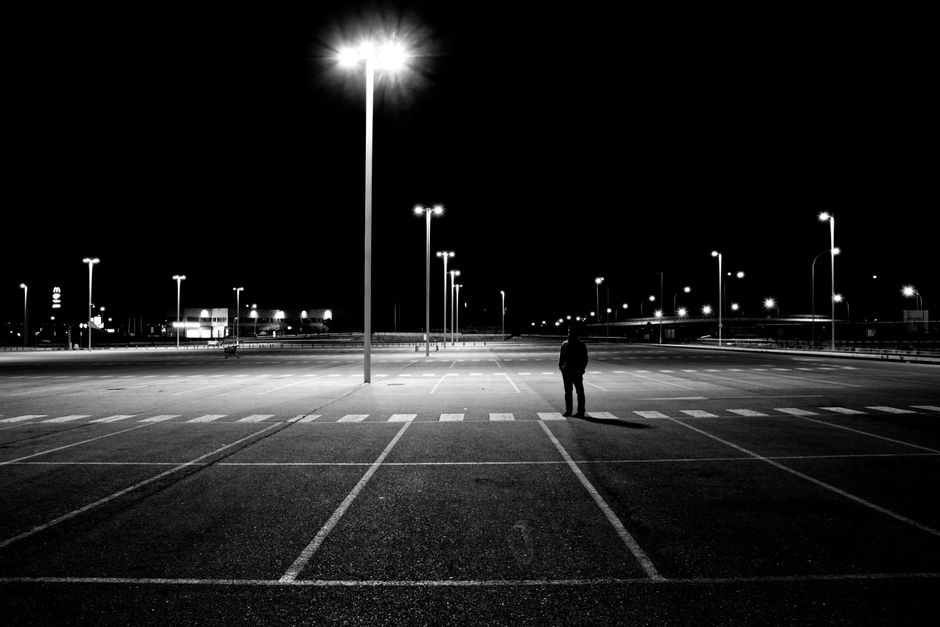
On the first afternoon of the coat drive, a dad arrived late and stood near the gym door holding a trash bag of jackets. Nobody looked up. The older volunteer at my table set down her coat, walked over, and showed the new dad where to put the bag and where to stand. She did not make a fuss about it. She just did it and came back.
A reader named Marla T., 47, from Fort Wayne, Indiana, wrote this. “People who have been the one left standing in a doorway never forget it. They scan every room for that person because they used to be that person.”
The plain takeaway is this. Someone who always spots the person on the edge of a room usually learned that skill the hard way.
They apologize for things that need no apology

During the coat drive week, a mom at the sorting table knocked a stack of folded jackets onto the floor. Before anyone could react, she said sorry four or five times and tried to refold everything by herself. I told her it was fine. She kept apologizing anyway, and her face was red.
Devon R., 38, from Chesapeake, Virginia, sent a reply that stuck with me. “I say sorry when someone bumps into me. I say sorry when I ask a question at work. My wife finally pointed out that I apologize for existing. I grew up in a house where every mistake was a big deal.”
Here is the lesson I took from the week. A person who apologizes for small, normal things often learned long ago that mistakes were not safe.
They go quiet when voices get loud
One afternoon in the school gym, two parents got into a loud disagreement about where the children’s sizes should go. It was not a real fight, just two tired people talking over each other. The older volunteer at my table stopped moving. She did not look up. She kept her hands flat on the coat in front of her until the voices dropped.
Lorraine H., 63, from Bakersfield, California, described the same reaction. “I have been married to a kind man for decades. I still freeze when anyone raises a voice near me. It is my body, not my head, that remembers.”
The takeaway is simple. A person who goes still during loud moments may be managing something old, and it costs them more than it looks like.
They keep extra supplies within reach

Halfway through the coat drive week, one of the parents at my sorting table opened her tote bag to find a pen. Inside I saw granola bars, a small first aid kit, extra gloves, tissues, and a phone charger. She noticed me looking and laughed. She said she liked to be ready. Later she handed a granola bar to a kid whose parent was running behind.
Simon P., 51, from Duluth, Minnesota, wrote about this habit. “My car has a blanket, water, snacks, and a flashlight at all times. I was homeless for a stretch in my twenties. I will never be without the basics again.”
The lesson I wrote down that night is this. Someone who carries extra of everything may have known a time when there was not enough.
They sit where they can see the door

On the second day of sorting coats, the parents at my table shuffled chairs around during a break. The older volunteer waited until everyone else sat down. Then she took the seat with its back to the wall, facing the gym entrance. She did it the next day too, and the day after that, without saying anything about it.
A reader named Anita G., 29, from Mesa, Arizona, put it this way. “I always pick the seat facing the door in a restaurant. My friends think it is a quirk. It is not a quirk. I spent years needing to know who was coming in.”
The plain takeaway is this. A person who always needs to see the entrance is often still keeping watch, even in a safe place.
They rarely ask anyone for help

During the coat drive week, one of the dads at the sorting table tried to carry three overflowing boxes to the storage closet at once. The boxes were sliding. I offered to take one. He said he had it. He did not have it, and a box tipped, but he still would not hand one over. He just restacked and tried again.
Curtis B., 56, from Knoxville, Tennessee, sent this reply. “I raised myself from about age twelve. Asking for help feels like admitting I cannot do what I have always had to do alone. I know it is not true. I still cannot make myself ask.”
Here is what I learned. Someone who refuses help, even small help, may have gone a long time with no one to ask.
They read a room before they speak

On the third afternoon of the coat drive, a new parent joined my table. For the first twenty minutes she said almost nothing. She watched who talked the most, who got annoyed when the piles were moved, and which jokes landed. Only then did she start to chat, and she fit in right away. She had done her homework without anyone noticing.
Fern W., 70, from Rochester, New York, wrote about this skill. “My mother’s moods changed by the hour. I learned to read a room before I took my coat off. It made me good at my job and tired in my soul.”
The takeaway I want to pass along is this. A person who studies a room before joining it often grew up needing to predict what came next.
They say they are fine before you finish asking

One afternoon in the gym, I asked the older volunteer at my table how her week was going. She said fine before I had finished the question. A minute later she mentioned, very lightly, that she had spent the morning at a hospital. She waved it off and went back to folding a child’s puffer coat.
Theo M., 34, from Eugene, Oregon, sent a reply that I read twice. “I say I am fine on reflex. It is not a lie exactly. It is a door I close fast so nobody has to stand in it with me. People who have been through things get very quick at closing that door.”
The plain lesson is this. A fast answer of fine is sometimes a habit of protecting other people from your own weight.
They explain small choices in great detail

During the coat drive week, a mom at my table needed to leave an hour early for a dentist appointment. She told the whole table why. She told us the time of the appointment, how long the drive was, and that she had tried to reschedule and could not. Nobody had asked. Nobody minded that she was leaving.
A reader named Dolores K., 59, from Shreveport, Louisiana, wrote about this. “I over explain everything. I grew up with a parent who demanded a reason for every single thing I did and then picked the reason apart. I still defend myself to people who are not attacking me.”
The takeaway from that afternoon is simple. Someone who justifies every small decision may have once been questioned about all of them.
They feed other people before they eat

On the fourth day of the coat drive, a parent brought a box of sandwiches for the volunteers. The older volunteer at my table handed sandwiches out to everyone, including the kids who had come along. She took the last one, and only after she checked that nobody else wanted a second. When I pointed it out, she said she was used to it.
Ray S., 42, from Billings, Montana, described the same thing in his own family. “My grandmother always ate last and always ate the smallest portion. We thought it was manners. She went hungry as a girl, and she could not stop making sure everyone else was full first.”
The lesson I carried home that night is this. A person who serves themselves last, every single time, may be carrying an old memory of scarcity.
They stay strangely calm when things go wrong

Near the end of the coat drive week, a shelving unit in the gym storage closet tipped over with a loud crash. Most of us jumped and gasped. The older volunteer at my table walked over calmly, checked that nobody was hurt, and started picking coats off the floor. Her voice did not change at all.
Wendy C., 45, from Augusta, Georgia, wrote this. “I am the calmest person in any emergency. People praise me for it. The truth is that I lived in emergency mode for so many years that a real crisis feels normal. It is the quiet days I do not know what to do with.”
Here is the plain takeaway. Calm during a crisis can be a strength, and it can also be a sign that crisis used to be the daily setting.
They skip whole years when they talk about the past

During a break at the coat drive, a few of us parents at the sorting table swapped stories about where we grew up. One dad talked about his childhood town and then his first job, and the years in between were simply missing. Nobody pushed. I noticed the gap, and I noticed how smoothly he moved past it.
A reader named Marla T. from Fort Wayne, who also wrote about noticing lonely people, added this. “My brother never talks about his twenties. Not one story. If you did not know him, you would never guess there was a hole in the timeline.”
The lesson I took from that break is this. Someone who leaves a stretch of years out of every story usually has a reason that is not casual.
They are deeply grateful for small kindnesses

On one afternoon in the gym, I brought an extra coffee for the older volunteer at my table. It was a small thing, a gas station coffee in a paper cup. She thanked me more than the coffee deserved. She thanked me again when she left. The next day she brought me a coffee back and seemed almost nervous about it.
Devon R. from Chesapeake, who also wrote about apologizing too much, sent this. “When someone does something small for me, I feel it in my chest. I went so long without anyone doing anything for me that a cup of coffee can make my whole week.”
The plain takeaway is this. A person who reacts to small kindness as if it were large may not have received much kindness for a long time.
They have trouble accepting a gift

At the end of the coat drive week, the parent who organized the whole thing handed each volunteer a small bag of homemade cookies. One of the dads at my table tried to turn it down. Then he tried to pay for it. Then he said he would share it with the table. He could not just take it and say thank you.
Lorraine H. from Bakersfield, who also wrote about freezing at loud voices, described her own version. “Gifts make me anxious. In my first marriage, every gift came with a bill attached, sometimes weeks later. A free gift still does not feel free to me.”
The lesson I wrote down that night is this. Someone who struggles to simply receive a gift may have learned that gifts were never simple.
They hear a change in your tone before you do

One afternoon in the school gym, I was tired and a little short with a parent about where the toddler sizes went. I did not think my voice sounded different. The older volunteer at my table quietly asked if I was okay. She had caught something in my tone that I had not caught myself. She was right, and I had not had lunch.
Simon P. from Duluth, who also wrote about keeping supplies in his car, said this. “I can tell when my boss is in a bad mood from the way she says good morning. I learned to hear tiny shifts because tiny shifts used to mean trouble was coming.”
The plain takeaway is this. A person who picks up on small changes in your voice often trained that ear in a place where it mattered.
They cannot sit still for long
During the coat drive week, I noticed that one of the moms at the sorting table never stopped moving. When the table ran out of coats, she wiped down the surface. When that was done, she reorganized the size signs. When I suggested she sit for a minute, she said she did not really know how to do that.
Anita G. from Mesa, who also wrote about facing the door, put it this way. “If I stop, I think. If I think, I remember. So I keep going. My house is spotless and I am exhausted, and those two facts are related.”
The lesson I took from that afternoon is this. Constant busyness can be a way of staying ahead of thoughts that are hard to sit with.
They laugh off things that are not funny

On one afternoon in the gym, a dad at my table mentioned that his car had been repossessed the month before. He said it with a big laugh and a joke about walking to the coat drive. The laugh did not match the story. Nobody at the table laughed back, and the moment passed quickly.
Curtis B. from Knoxville, who also wrote about refusing help, sent this. “I make jokes about the worst parts of my life. If I say it funny, nobody looks at me with pity. Pity is harder to take than the thing itself.”
Here is the plain takeaway. Someone who turns real pain into a quick joke is often steering you away from it, not toward it.
They are patient with difficult people

During the coat drive week, one parent at a nearby table was rude to nearly everyone. She complained about the setup, the hours, and the other volunteers. The older volunteer at my table never snapped at her. She answered every complaint evenly and even brought the rude parent a chair. Later she told me, quietly, that angry people are usually scared people.
Fern W. from Rochester, who also wrote about reading a room, described the same patience. “I can handle a difficult person better than anyone I know. It is not a gift. It is practice. I spent my childhood managing one.”
The lesson I carried home is this. Unusual patience with hard people often comes from years of having no choice but to be patient.
They get tired in a way their day does not explain

On the last afternoon of the coat drive, the older volunteer at my table looked worn out by the time we finished. We had done a few hours of light folding. She said, with a small smile, that some days were heavier than others for no reason she could point to. Then she got in her car and left.
Theo M. from Eugene, who also wrote about saying fine too fast, sent this. “I can sleep nine hours and still wake up tired. My doctor checked everything. Carrying old stuff around all day is work, even when you cannot see it.”
The plain takeaway is this. A person who seems more tired than their schedule accounts for may be doing invisible work all day long.
They remember small details about you

On the third day of the coat drive, the older volunteer at my table asked how my youngest was feeling. I had mentioned a cold, once, in passing, two days earlier. She remembered. She also remembered that another parent’s son had a basketball game and asked about the score. She paid close attention to everyone at the table.
Dolores K. from Shreveport, who also wrote about over explaining, added this. “I remember everything people tell me. Birthdays, allergies, the names of their pets. When you have been ignored, you make very sure nobody around you feels ignored.”
Here is the lesson I took from it. Someone who holds on to small details about others is often giving the attention they wished they had received.
They plan for things going wrong

During the coat drive week, one of the dads at my table brought a backup extension cord, a second roll of tape, and a printed list of who was coming each day. He said he always assumed something would break. Something did break, and he had the fix in his bag before anyone else noticed the problem.
Ray S. from Billings, who also wrote about his grandmother, said this. “I have a plan B for every plan A. I have a plan C for most of them. I grew up in a house where the plan fell through every single week.”
The plain takeaway is this. A person who always prepares for failure usually lived through a stretch when things failed often.
They make no fuss about their own milestones
On the final day of the coat drive, one of the moms at my table let it slip that it was her birthday. She had not mentioned it all week. When the table reacted, she looked uncomfortable and changed the subject to the coats. She did not want a song or a card. She just wanted to keep sorting.
Wendy C. from Augusta, who also wrote about staying calm in emergencies, described this. “My birthday was never celebrated growing up. Now I do not know how to let people celebrate it. It feels like asking for something I was told I did not deserve.”
The lesson I wrote down that night is this. Someone who hides their own birthday or good news may have learned that their milestones did not matter to the people around them.
They stay even when it would be easier to leave

By the end of the coat drive week, most of the volunteers had come and gone on different days. The older volunteer at my table was there every single afternoon, start to finish. She stayed late to sweep the gym on the last day. When I thanked her, she said that showing up was the one thing she had always been able to control.
Lorraine H. from Bakersfield added one more thought to her reply. “People who have been through a lot are either the first ones to leave or the last ones standing. The last ones standing decided a long time ago that nobody would ever have to do it alone again.”
The plain takeaway is this. Quiet, steady showing up is often the clearest sign of all, and it is the one people overlook the most.
When the coat drive ended, I drove home, put dinner on the table with my husband, and listened to my kids argue about who carried the most bags. I thought about the older volunteer at my table and the parents who sat beside me all week. I had known almost nothing about any of them when I started. By the end, I had not learned their stories, but I had learned to notice the signs that stories were there.
None of these signs mean a person is broken. Most of them are strengths that grew in hard ground. If you see a few of them in someone you know, you do not have to say anything. You can just be a little gentler. If you see them in yourself and the weight feels like too much, please talk to a doctor or a counselor. That is not weakness. That is the next right step.
Which of these signs have you noticed in someone you love, and did it change how you treat them?
About the author