Slang Words Only People Born Before 1980 Would Understand
Our oldest came home on a Monday in November with a school assignment. The job was to collect old slang words from grown-ups, write down what each word meant, and bring the list back by Friday. It sounded like a small task. By Tuesday morning the whole house was in on it.
My husband came home each evening with a word someone had said to him that day. I called my mom twice and filled a page in my notebook. I also asked readers of this blog to send me the words they grew up saying, along with where they live now and how old they are. The replies came in all week, and my kids read them out loud at the kitchen table while I made dinner.
Most of the words on the final list came from people born before 1980. My kids had never heard a single one of them. Here are the words that made the cut, along with the moment each one landed in our kitchen.
Groovy meant something was good and easy

The first word came from my mom on Monday night. Our oldest had the phone on speaker at the kitchen table, pencil ready, and asked my mom for a word from when my mom was young. My mom said groovy without a pause. Our youngest laughed and asked if groovy was a word for a hole in the ground. My mom explained that groovy meant something was good, relaxed, and easy to enjoy. A song could be groovy. A new pair of shoes could be groovy. A Saturday with no plans could be groovy. Our oldest wrote it down and underlined it. My mom said it was the word everyone said until it was the word nobody said. The takeaway for the school list was simple. Groovy was the plain word for good, and it did not need to be more than that.
Far out was for anything surprising

During the week our oldest collected old slang for a school assignment, a reader of this blog named Linda K., 61, from Dayton, Ohio, sent in far out. Linda wrote, “Far out was what you said when something surprised you, good or bad. A huge snowstorm was far out. A new car in the driveway was far out.” My middle one read the reply out loud at dinner and then tried the words on my husband. My husband said he had heard it from an older coworker years ago but never used it himself. Our oldest wrote it down under the word groovy and asked if the words were the same. I said no. Groovy was for good things. Far out was for anything that made your eyebrows go up. That was the lesson for the list. Far out was a reaction, not a rating.
Right on was a quick way to agree

On Tuesday morning my husband said right on when our middle one told him the lunch was already packed. Our middle one stopped and asked what right on meant. My husband said it was a way to agree with someone fast, like saying yes and good job in the same breath. I added that my mom still says right on when I tell her a plan is working. Our oldest grabbed the notebook before leaving for the bus and wrote it down. A reader of this blog named Carl M., 67, from Tulsa, Oklahoma, sent the same word later that day. Carl wrote, “Right on was our thumbs up. You said it and moved on.” The lesson for the school list was that right on was a short way to say I agree and I am glad about it.
Bummer was a small disappointment

The week our oldest collected old slang for a school assignment, our youngest spilled a cup of juice at breakfast on Wednesday. I said bummer while I grabbed a towel. Our youngest asked what a bummer was. I said a bummer was a small thing that went wrong, nothing big, just annoying. A flat bike tire was a bummer. Rain on a picnic day was a bummer. My mom used the word all the time when I was growing up, and I picked it up without noticing. Our oldest wrote it down and said it still sounded like a real word. I said some old words stay around and some do not. Bummer stayed. The takeaway for the list was that bummer was the plain word for a disappointment too small to be upset about for long.
Dig it meant you understood and liked something

My husband brought dig it home on Wednesday evening. He said an older man at the hardware store had said it to the cashier. Our middle one asked if dig it had anything to do with a shovel. My husband said no. Dig it meant you understood something and you liked it. If someone played you a song and you said I dig it, you were saying the song made sense to you and you wanted to hear more. A reader of this blog named Patricia W., 64, from Albany, New York, wrote, “Can you dig it was the question. I dig it was the answer.” Our oldest copied both lines into the notebook. The lesson for the school assignment was that dig it covered understanding and approval at the same time, which no newer word quite does.
Bread was money you could spend

During the week of the slang project, my mom called back on Thursday with a word she had forgotten to mention. The word was bread. Our oldest was confused and asked why anyone would need a slang word for bread. My mom said bread meant money, the kind in your pocket that you could spend that day. My mom said people would ask if you had any bread before deciding whether to go out. Our youngest asked if a sandwich cost bread. My mom laughed and said yes, in a way. I wrote the word in the notebook because our oldest was laughing too hard to hold the pencil. The takeaway for the school list was that bread was the everyday word for cash, and it meant the small amount you actually had, not money in general.
Pad was simply where you lived
The week our oldest collected old slang for a school assignment, a reader of this blog named Dennis R., 70, from Spokane, Washington, sent in the word pad. Dennis wrote, “Your pad was your apartment or your room. You asked people over to your pad. It did not matter how nice it was.” My middle one read the reply at the table and then looked around our kitchen and asked if our house was a pad. I said yes, a pad was any place you lived, big or small. My husband said he had only heard the word in old movies. Our oldest wrote it down and drew a tiny house next to it. The lesson for the list was that pad was a plain, friendly word for home, with no judgment about size or style attached.
Square described a person who played it safe
My mom gave us the word square on Thursday night while our oldest was checking the list. Our oldest asked what a square person was. My mom said a square was someone who followed every rule, dressed plainly, and went to bed early. My mom added that it was not a compliment back then, but she had been called a square and did not mind. I told my kids that by that definition I am a square, and my husband nodded a little too fast. A reader of this blog named Joyce T., 66, from Macon, Georgia, wrote, “Square meant boring and safe. Most of us grew up to be squares and were glad about it.” The takeaway for the school list was that square once meant too careful, and most people who said it ended up living that way.
Boob tube was the television

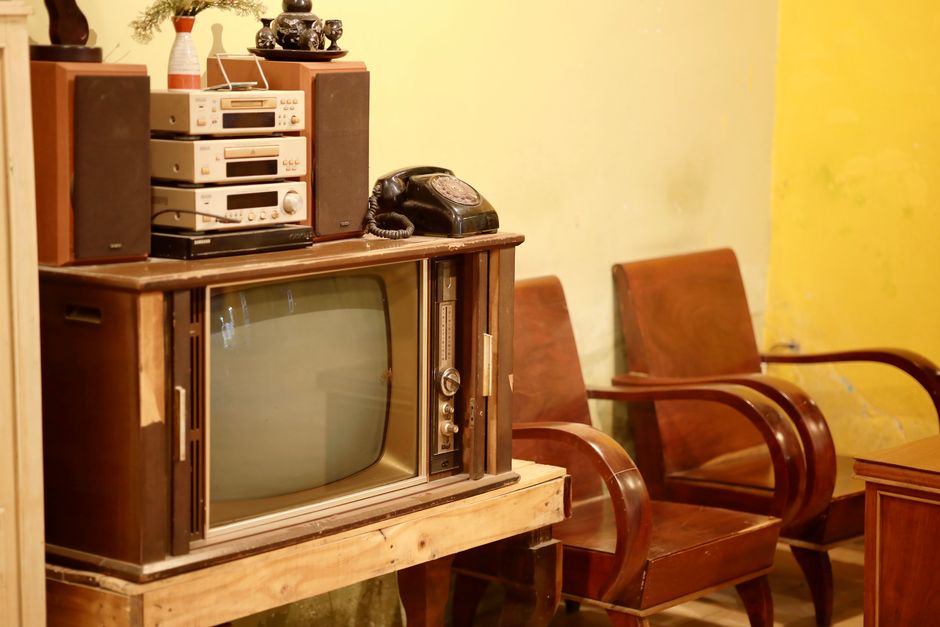
On Thursday evening, during the week our oldest collected old slang for a school assignment, our youngest asked to watch a show before bed. My husband said no more boob tube tonight. All my kids turned and stared. Our oldest asked what a boob tube was. My husband said it was an old name for the television. The tube part came from the glass tube inside old sets, and the boob part was a joke about how watching too much of it made people feel dull. Our middle one thought it was the funniest word of the whole week and repeated it until I asked for a break. Our oldest wrote it down anyway. The lesson for the list was that boob tube was a nickname for the television that carried a small warning inside it.
The fuzz was another word for the police
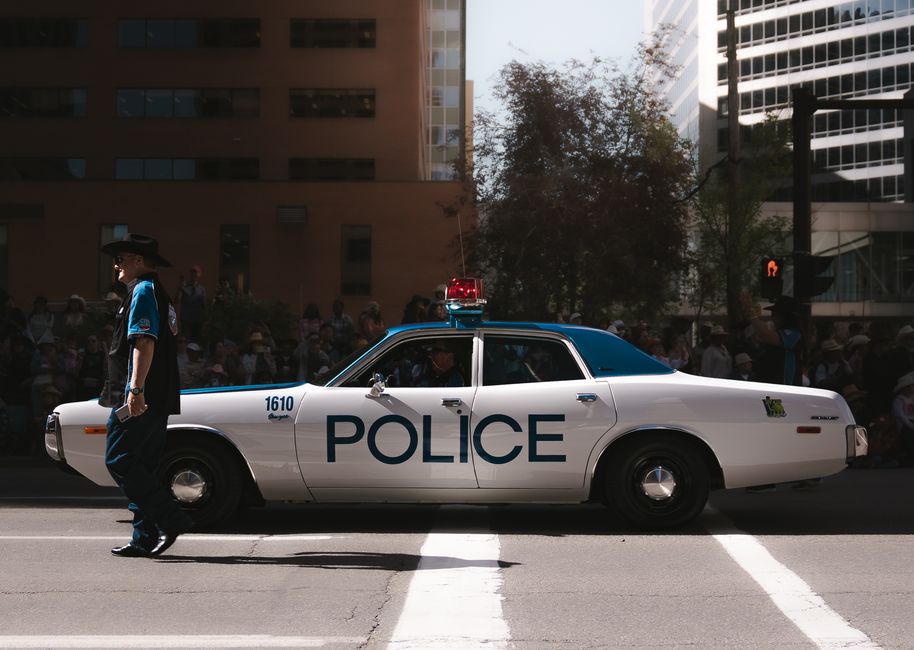
A reader of this blog named Raymond S., 59, from Fort Wayne, Indiana, sent in the fuzz during the week of the slang project. Raymond wrote, “The fuzz meant the police. If someone yelled here comes the fuzz, everyone looked up.” My middle one read the reply and asked why anyone would call the police fuzz. I said I did not know for sure and that my mom did not know either when I asked. Our oldest said it should still go on the list because the assignment was about words people said, not words that made sense. I agreed. My husband said he had heard it in songs and nowhere else. The takeaway for the school list was that the fuzz meant the police, and the reason for the word is something nobody in our house could explain.
Catch you on the flip side meant see you later

On Friday morning my husband left for the day and called out catch you on the flip side as he went through the door. Our oldest ran after him with the notebook and asked what that meant. My husband came back in and explained. A record had two sides. When the first side ended, you flipped it to hear the rest. So catch you on the flip side meant I will see you after this part is over, or just see you later. Our youngest asked what a record was, which turned into a longer talk than we had time for. Our oldest wrote the phrase down on the bus. The lesson for the list was that catch you on the flip side was a long, friendly way to say goodbye for now.
Keep on truckin meant to keep going
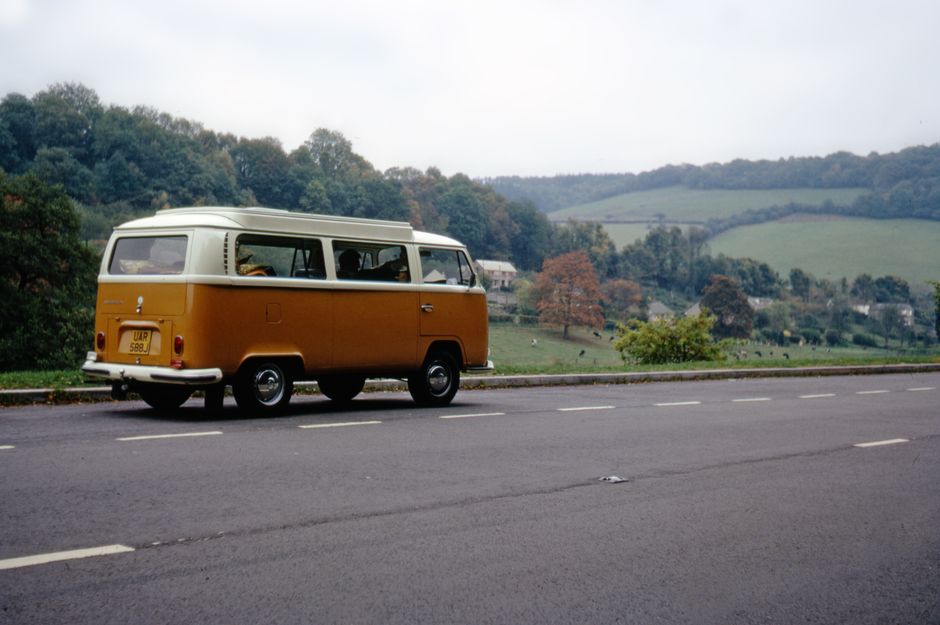
During the week our oldest collected old slang for a school assignment, my mom said keep on truckin on the phone when I told her the project was almost done. Our oldest heard it and asked what trucking had to do with homework. My mom said keep on truckin meant to keep going no matter how tired you were. It was something you said to a friend who was having a hard week. A reader of this blog named Barbara L., 72, from Lincoln, Nebraska, wrote, “Keep on truckin was on posters and shirts. It meant do not quit.” I told my kids that it is still good advice even if nobody says it anymore. Our oldest wrote it down and added the word encouragement in the margin. The takeaway for the list was that keep on truckin was a plain push to keep moving forward.
Heavy meant serious and hard to think about

My husband brought the word heavy home on Friday evening after the list was already turned in. He said an older neighbor used it while talking about the news. Our middle one asked how a story could be heavy. My husband said heavy meant serious, the kind of thing that weighed on your mind. A sad movie was heavy. A hard conversation was heavy. I said my mom still uses it the same way when something is on her mind. Our oldest said it was too late for the school list but added it to the notebook anyway because the notebook was now a family project. The lesson from heavy was that older slang often used plain physical words for feelings, and heavy for serious was the clearest example we found all week.
Jive turkey was a silly insult for someone talking nonsense
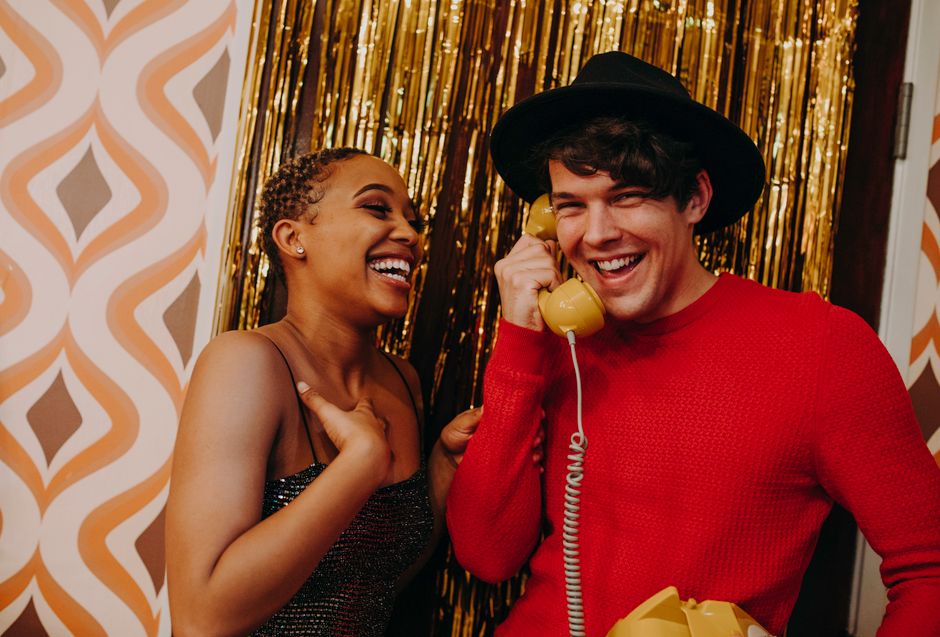
A reader of this blog named Gloria P., 63, from Baton Rouge, Louisiana, sent in jive turkey late on Friday during the week of the slang project. Gloria wrote, “A jive turkey was someone talking nonsense or making promises they would not keep. It was an insult, but a funny one. Nobody cried over it.” My kids laughed for a full minute at the kitchen table. Our youngest called our middle one a jive turkey and our middle one called it right back. My husband said he had heard it in old shows and always assumed it was made up. I told my kids that jive meant empty talk and turkey meant a foolish person, so the phrase was two insults stuck together. The takeaway was that jive turkey was a light insult for someone who was all talk.
What a drag described anything boring or tiring

The last word of the week came from my mom on Saturday morning. The school list was turned in, but our oldest called my mom one more time to say thank you. My mom said she was glad the project was over and added what a drag that it had taken all week. Our oldest asked what a drag was. My mom said a drag was anything boring, slow, or tiring. A long line was a drag. A rainy Sunday with nothing to do was a drag. A reader of this blog named Howard G., 68, from Boise, Idaho, had sent the same word, writing, “A drag was a bummer that lasted longer.” I liked that explanation and read it to my mom. The lesson from what a drag was that older slang had separate words for small letdowns and long, dull stretches.
The school assignment went in on Friday with the words my oldest had collected, and the notebook stayed on our kitchen counter for the rest of the weekend. My kids kept adding to it. My husband kept pretending the words were new to him and then explaining them anyway. My mom said she enjoyed the phone calls more than any of us expected.
What surprised me most was how many of the words still fit everyday life. Bummer, right on, and keep on truckin all showed up in our house that week in regular conversation, not just as homework. The others made my kids laugh, which was worth the week on its own.
If you grew up with any of these words, or have one that should have made the list, I would love to hear it. What old slang word do you still catch yourself saying?
About the author