Types of Sentimental Clutter That Are the Hardest to Let Go Of
Last month a pipe under the laundry sink started dripping. By the time my husband found the puddle, water had crept across the basement floor and soaked the bottoms of a dozen storage bins. We carried every bin up the stairs and lined them up in the dining room. For a full week, my family ate dinner around towers of damp cardboard and plastic lids.
I used to be a teacher, and I am now a stay at home mom to three kids, so I thought I knew how to sort. I did not. Most of what sat on that dining room floor was not useful and not valuable. It was sentimental. It was the kind of clutter that makes your throat tight when you touch it.
I also asked readers of this blog which sentimental items they struggle to let go of. Their answers matched my own piles almost exactly. Here are the thirty types of sentimental clutter that came up most, each one paired with a moment from that week in my dining room.
Baby clothes stay because the smell of the baby is gone
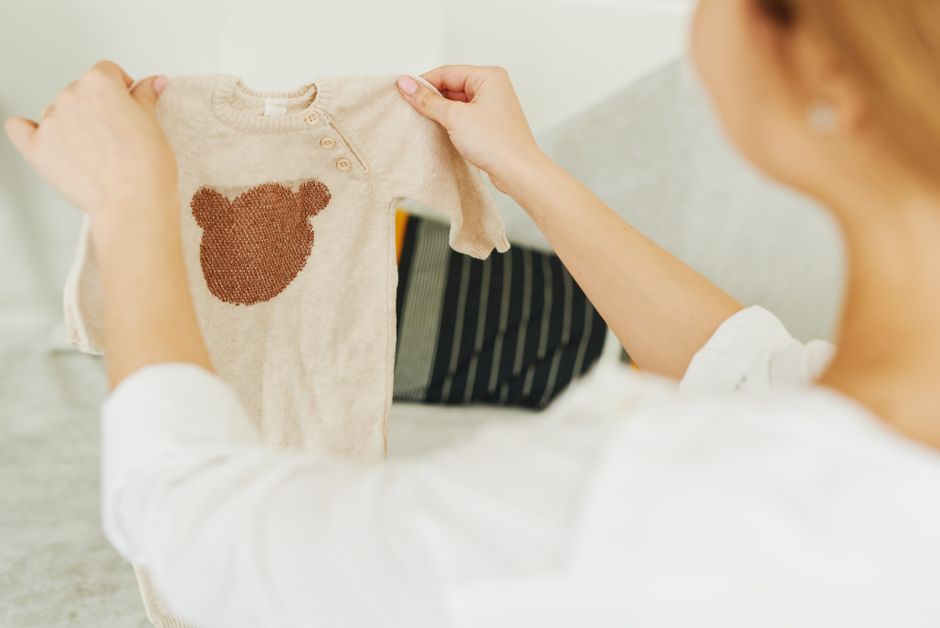
The first wet bin I opened held tiny onesies and knit hats. Our youngest wore most of them, and our oldest wore a few before that. I held a yellow sleeper up to my face in the middle of the dining room and my husband walked by and said nothing, which was kind. The sleeper smelled like basement now, not like a baby. That was what made it hard. The clothes were the last place that stage of life had lived. I kept two outfits and put the rest in a donation bag before I could change my mind. The takeaway is simple. Baby clothes hold a season you cannot get back, and a small keepsake box holds that season just as well as a full bin.
Kids artwork feels like throwing away the child
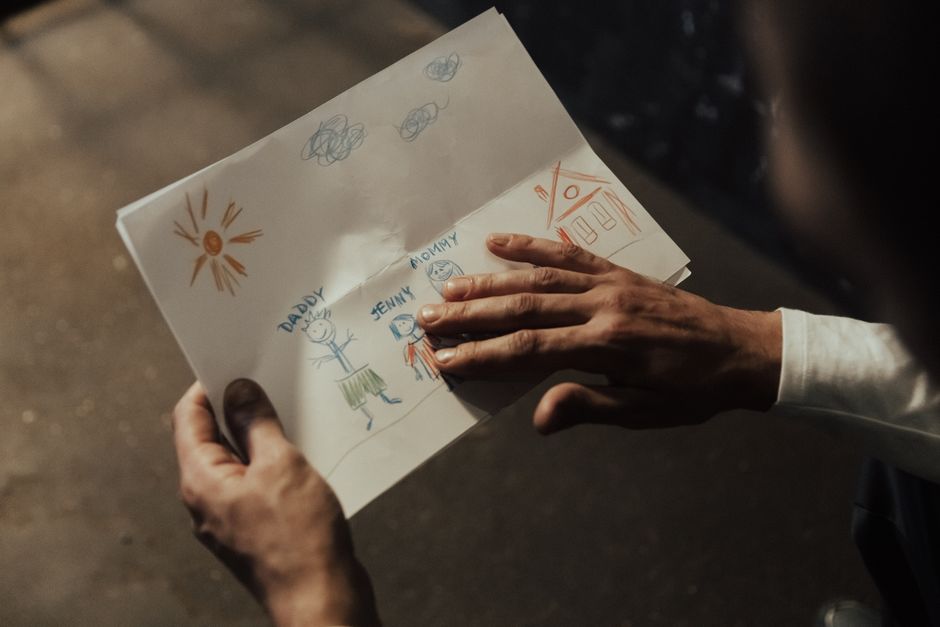
Our middle one came downstairs during the dining room sorting week and found a stack of preschool paintings in a soggy folder. Every page had a name scrawled in the corner. Our middle one asked if I was going to keep them all. I said no. Our middle one looked hurt for about a minute, then picked three favorites and taped them to the fridge. The rest went in the recycling bin that night after the kids were asleep. Marisol V., 38, of Albuquerque, New Mexico wrote to me that she photographs every drawing and keeps one paper folder per child per year. Artwork is a record of a moment, not the child, and a photo of the page keeps the moment.
Greeting cards pile up because someone took the time
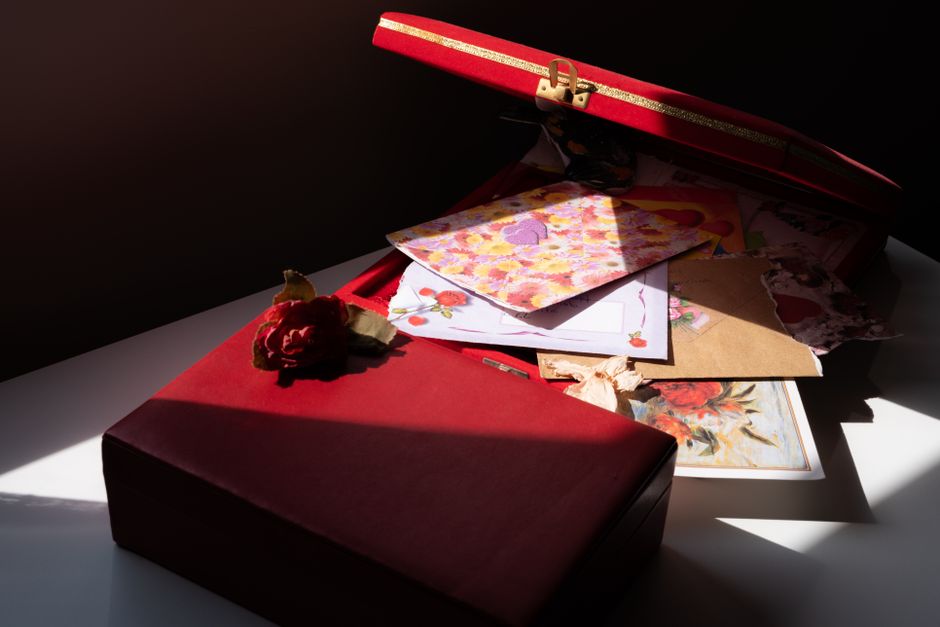
One shoebox in the dining room was full of birthday cards, anniversary cards, and holiday cards from the years before my kids were born. I read every one at the kitchen table while my husband loaded the dishwasher. Most of them said the same thing in different handwriting. A few had real notes inside. I kept the ones with real notes and let the printed ones go. The guilt was there, because someone chose that card and licked that envelope. A card is a kindness that was already received. Keeping the paper does not keep the kindness any more than tossing it loses it.
The wedding dress waits in a box for no one
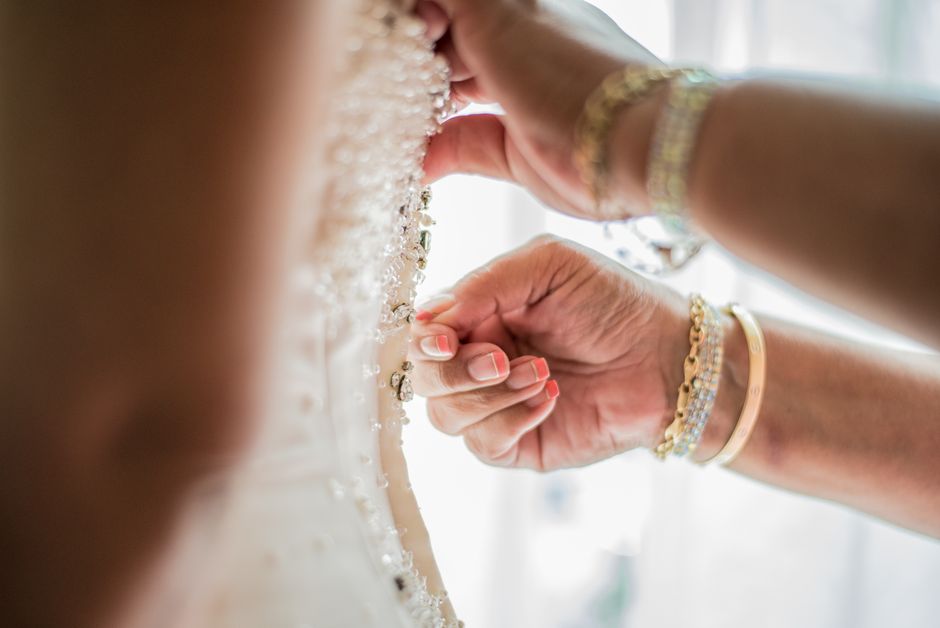
My wedding dress sat in its preservation box under the stairs, and the water had reached the bottom corner. I opened the box on the dining room table and the dress was fine, just a little musty. My husband came in and looked at it with me for a long quiet minute. Then my husband said, honestly, that none of our kids will want to wear it. I knew that already. I have not decided what to do with it yet. I am telling you that because this blog is not about having everything figured out. A wedding dress is a memory of a day, and the marriage is the thing worth keeping.
Old letters hold a voice that is hard to hear again
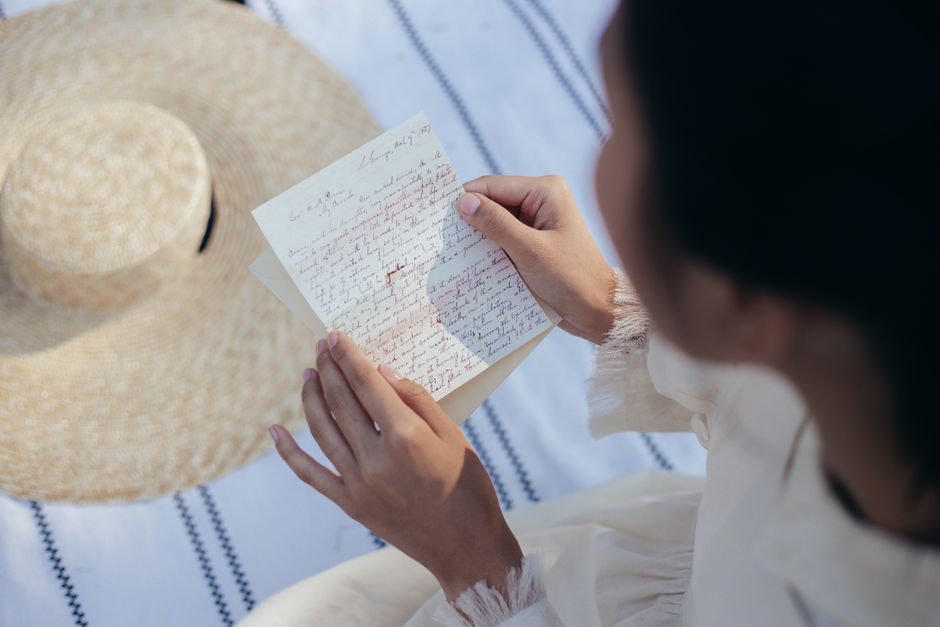
A bundle of letters from my mom sat in a plastic bag inside one of the bins. My mom wrote them the year I moved away for my first teaching job. I sat on the dining room floor and read them while the kids watched a show in the other room. My mom’s handwriting is the same today as it was then. Those letters stayed, every single one. Not everything sentimental is clutter. Some items are a voice on paper, and a bundle of handwritten letters takes up almost no space. Letters that carry a real voice earn their place, and that is a decision you get to make.
Inherited dishes are kept out of duty, not use
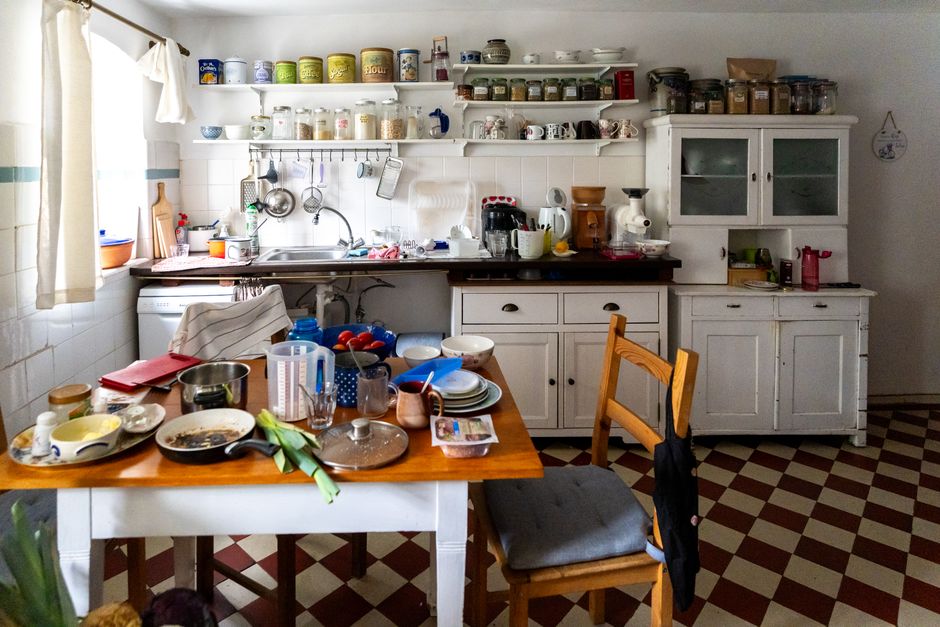
My grandmother’s china filled two bins, wrapped in newspaper that had gone soft from the leak. I have never used it. Not once in my marriage. My husband set the stack on the dining room table and asked me when we would ever eat off it. I had no answer. Dana F., 56, of Spokane, Washington told me she started using her mother’s china for regular Tuesday dinners and stopped feeling guilty. I kept the serving platter and the gravy boat and listed the rest for a family member who wanted it. Dishes that are never used are not honoring anyone. Using a few pieces does more than storing a full set.
Duplicate photos get saved because deleting feels wrong
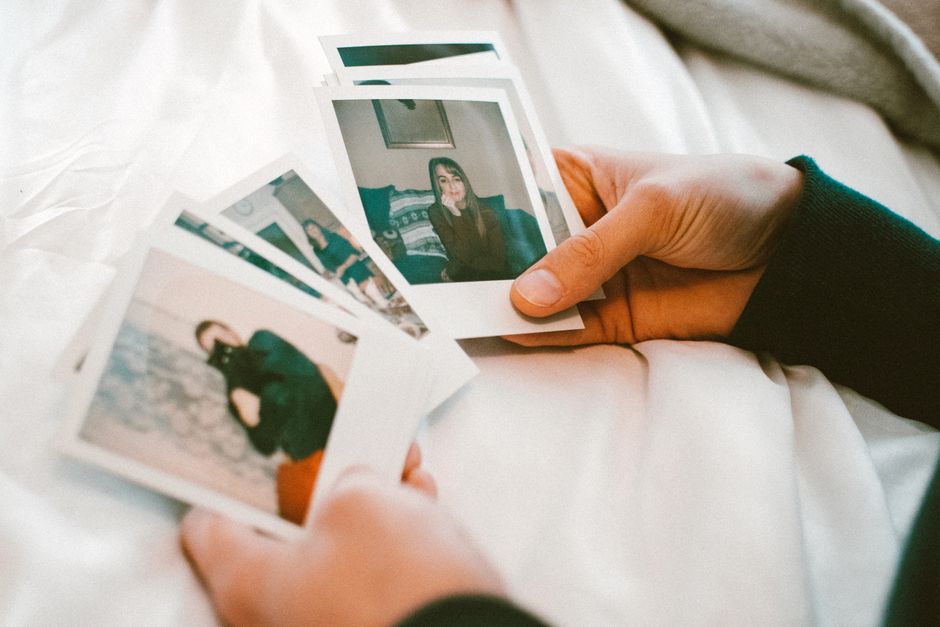
One bin held envelopes of printed photos from the drugstore, back when you got doubles with every roll. Half of them were blurry or nearly identical. I sat at the dining room table and sorted them into keep and toss while our oldest looked over my shoulder. Our oldest laughed at a photo of my husband with a goatee. Throwing away a blurry photo still felt wrong, because the person in it was real. I kept one of each moment and tossed the doubles. Photos are only useful if you can find the good ones. Fewer prints means the good ones get seen.
Trophies prove something that already happened
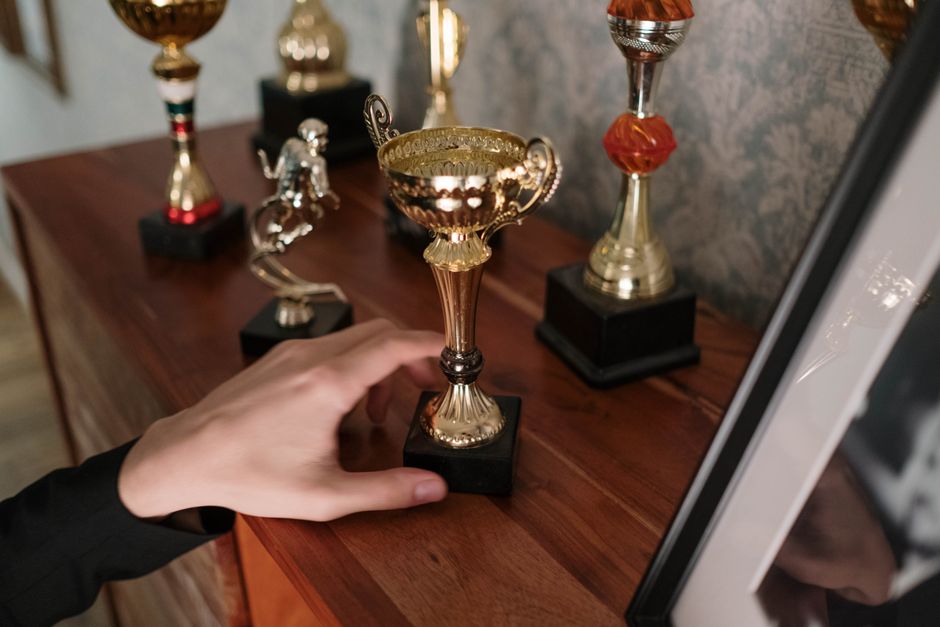
My husband’s old sports trophies were in the bottom of a bin, the little gold figures bent sideways from the weight of everything stacked on top. I set them on the dining room sideboard and asked my husband to go through them after the kids went to bed. My husband picked up each trophy, read the plate, and set it down. In the end, my husband kept one and put the rest in a box for the trash. I asked why that one. My husband said that was the season that mattered. A trophy is proof of an accomplishment, but the accomplishment stays true without the trophy.
Teaching materials are a job you still miss
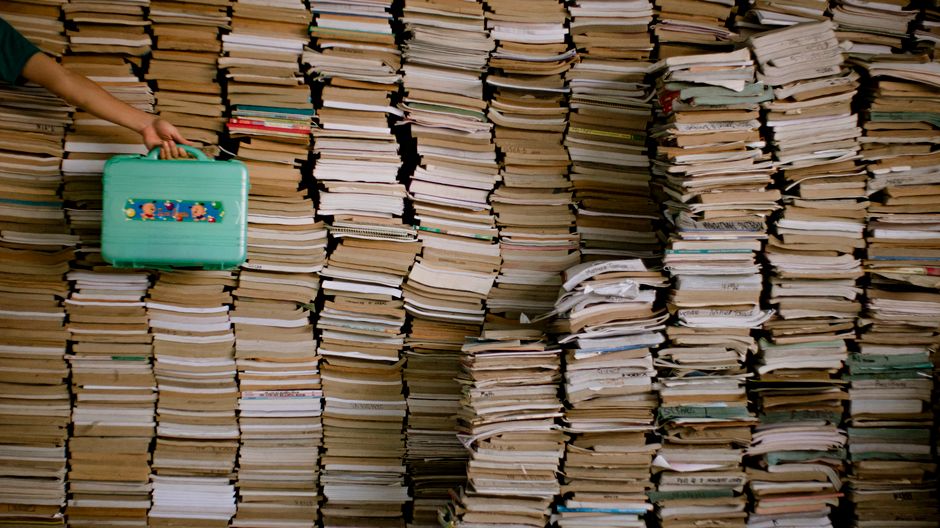
I was a teacher before my kids were born, and two bins in the dining room were full of lesson plans, laminated charts, and classroom posters. I opened the lid and felt the old job come back. I missed it that week more than I had in a long time. My husband asked if I would ever teach again. I said maybe. I kept a few binders I truly loved and gave the posters to a friend who still teaches. Ruth A., 61, of Toledo, Ohio wrote that she kept her nursing textbooks for twenty years and finally let them go when her granddaughter started nursing school. Work materials from a past job keep a door open that may already be closed.
Ticket stubs are kept for nights that were already good
A small tin in one of the bins held ticket stubs from concerts, movies, and a minor league baseball game my husband and I went to before our first kid was born. I tipped the tin out on the dining room table and we read them together. Half the stubs were for shows neither of us could remember. A few made us laugh. My husband picked out the stubs he remembered and I picked mine. The rest went in the trash. The good nights were already good when they happened. A ticket stub does not add anything to a memory you already have.
Baby gear stays because another baby might come
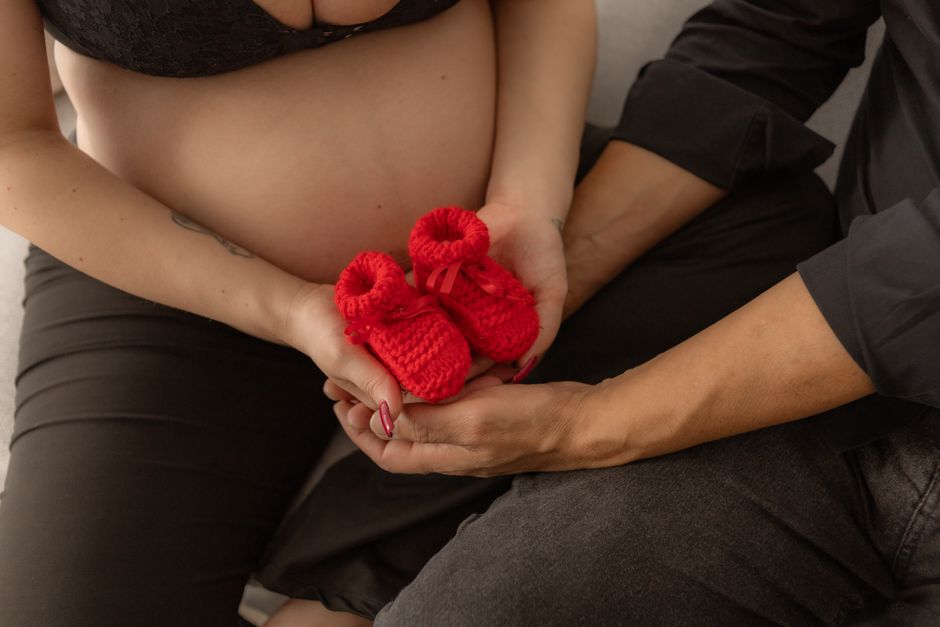
Our crib and high chair were not in the bins, but they were leaning against the basement wall, and the leak got to the crib legs. My husband carried both pieces up to the dining room and asked me plainly whether we were done having kids. We had talked about that before. We are done. Saying it out loud while looking at the crib made it feel more final. I listed the crib and high chair for a family down the street with a baby on the way. Keeping gear for a baby that is not coming keeps you from being settled with the family you have.
Stuffed animals carry the comfort they used to give
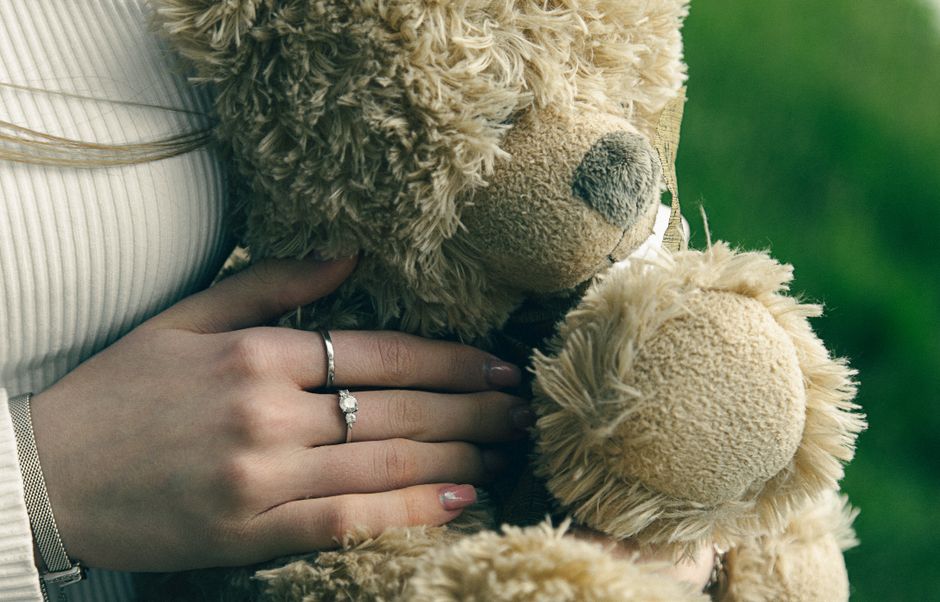
A garbage bag full of stuffed animals had split open in one bin and the toys were damp. I spread them on the dining room floor to dry and all three of my kids came in and each grabbed one. Our youngest held a rabbit that had been our oldest’s first toy. By bedtime, every kid had picked a favorite to keep in a bedroom. The rest dried out and went in a donation bag. Our middle one cried a little, then was fine by morning. Stuffed animals gave comfort at a time when comfort was needed, and that need has moved on.
Signed books stay for the inscription, not the story
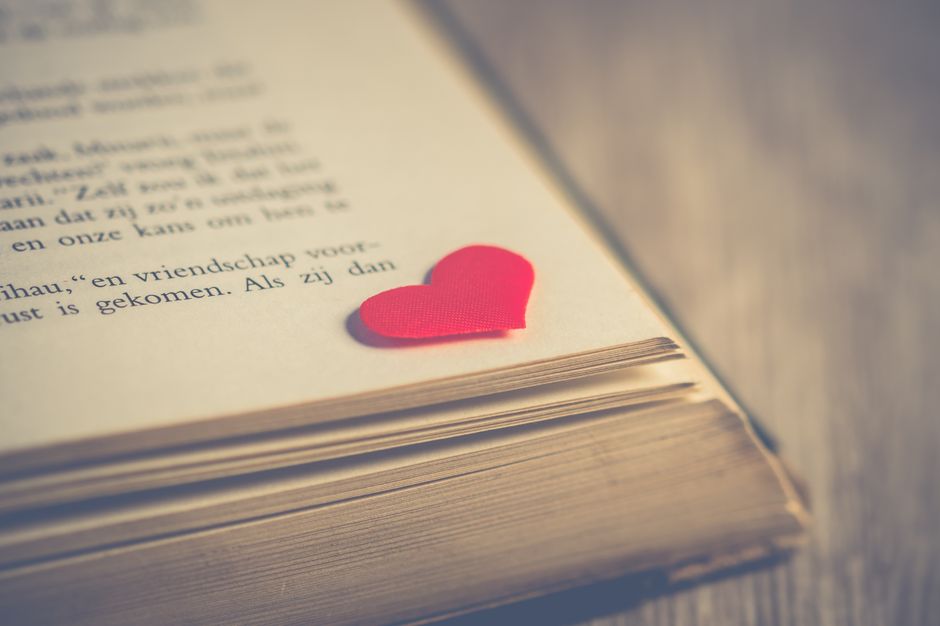
A box of books had taken the worst of the leak. Inside were a few books with inscriptions, including one my mom gave me when I graduated and one a friend gave my husband on his birthday. The covers were swollen and the pages wavy. I set them on the dining room table to dry. The words inside the front cover were still legible. I took a photo of each inscription and let most of the books go. I kept the one from my mom. A signed book holds a sentence someone wrote to you, and that sentence can be saved without the book.
Handmade gifts carry someone else’s hours
Our oldest made a clay bowl in school a few years ago and gave it to me for Mother’s Day. It was chipped and lopsided and it had been sitting in a bin because it was too fragile for the kitchen. I held it on the dining room floor and could not put it in the donation bag. Handmade gifts are hard because they contain someone’s time. Greg T., 44, of Lincoln, Nebraska wrote that he kept a scarf his late grandmother knitted even though he had never worn it, and he does not regret that. The bowl is on my dresser now. Handmade gifts are worth a second look, and a few of them earn a spot in plain sight.
Jewelry gets saved for a day that never comes
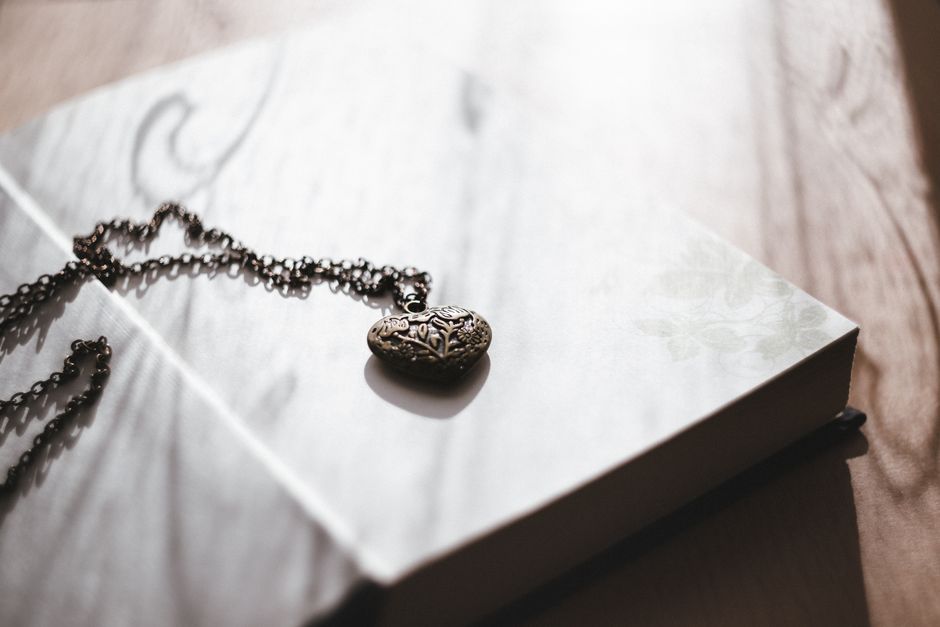
A small velvet box in one bin held a pair of clip on earrings that belonged to my grandmother. I have pierced ears. I cannot wear them. I have carried them through two apartments and this house. On the dining room table, I opened the box and looked at them and closed it again. My husband asked if I wanted to have them converted to pierced earrings. I had never thought of that. Sometimes the answer is not keep or toss. Sometimes the answer is change the item so it can be used. Jewelry you cannot wear is clutter, and jewelry you can wear is a memory you carry.
Old phones stay because the photos might be inside
A drawer in the basement held a stack of old cell phones, each one dead, each one possibly full of photos. The water did not reach the drawer, but my husband brought them up to the dining room anyway. We charged each one at the kitchen counter during the sorting week. Two turned on and had pictures of our oldest as a baby. One would not charge at all. I moved the photos to a hard drive and set the phones aside for recycling. A dead phone is not a photo album. The photos matter, so move them somewhere they can be seen.
Family furniture is heavy in every way
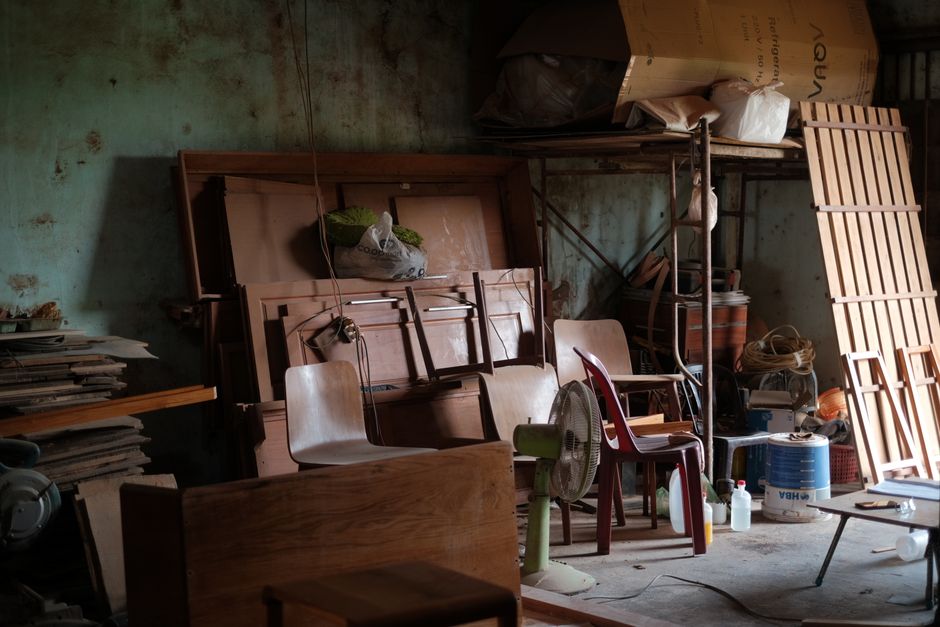
A small end table from my husband’s grandparents had been in the basement, and the leak warped one leg. My husband carried it up to the dining room and set it next to the real dining table. It wobbled. Neither of us had used it in years. My husband said it was fine to let it go. My husband also stood looking at it for a long time. Furniture from family is the hardest sentimental item because it is big, and because it feels like letting go of the people. A piece of furniture is wood. The grandparents live in the stories, not in the table.
Clothes from a different body hold a different life
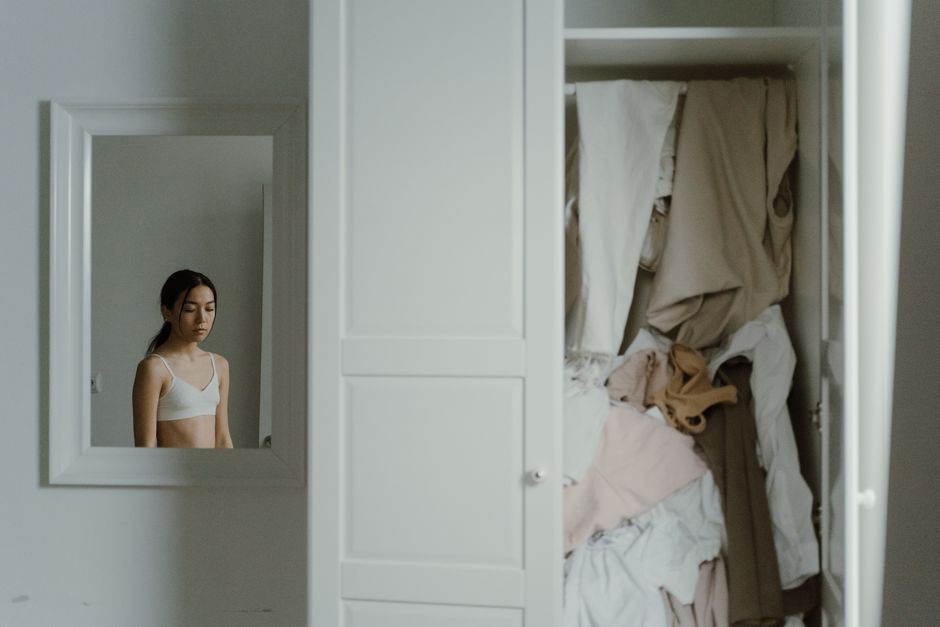
A bin of my old clothes, from before my kids, was in the dining room by Wednesday of the sorting week. There was a pencil skirt I wore to teach in and a dress I wore on a date with my husband before we were married. Nothing fit. I tried the dress on anyway, in the bathroom, with the door locked. It did not zip. I stood there a minute and then took it off and folded it for the donation bag. Clothes from a past body are kept for a self that no longer exists. The self you are now needs clothes that fit.
School papers prove a year the child already lived
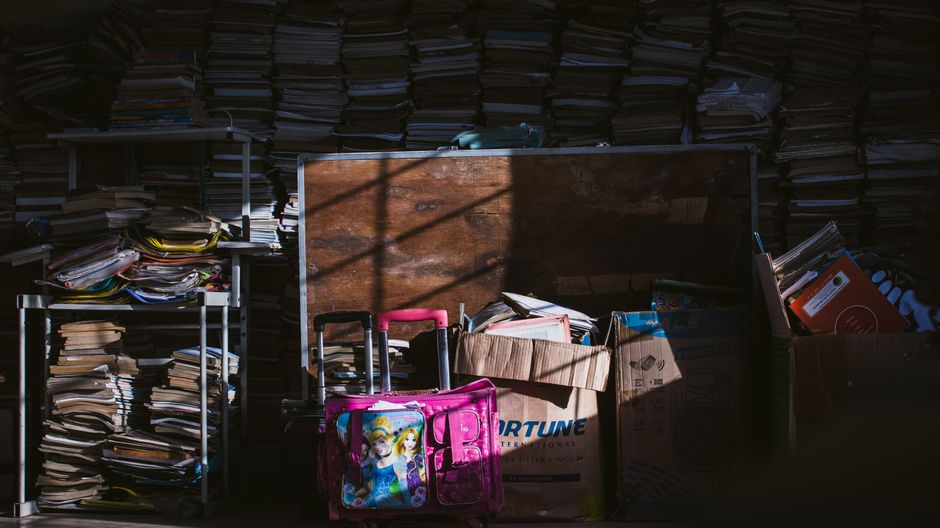
Report cards, spelling tests, and worksheets filled a folder for each of my kids. The folders were damp at the edges. Our middle one found the folder with a kindergarten spelling test on top and did not remember taking it. That was the moment. If the child does not remember it, the paper is not holding a memory for anyone but me. I kept one report card per year per kid and one piece of writing each. Everything else went in the recycling. School papers are a record of effort, and a thin folder holds that record better than a bulging bin.
Souvenirs are bought for a trip that already ended
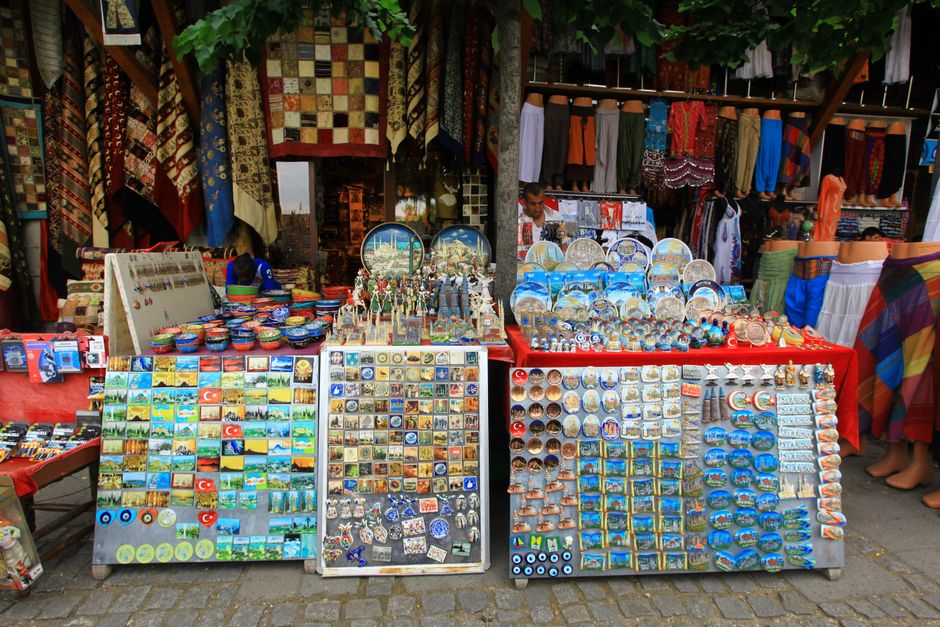
A shelf in the basement held a snow globe, a shot glass, and a tiny ceramic lighthouse from trips my husband and I took before we had kids. The leak did not touch them, but my husband brought them up to the dining room because the shelf was coming down. I lined them up on the table. I could tell you where each one came from, and I could not tell you why I still had them. Keri N., 33, of Burlington, Vermont wrote that she keeps one small item per trip in a single glass jar. Souvenirs stand in for a trip, and the trip stays with you with or without the lighthouse.
Childhood holiday decorations carry a parent’s house
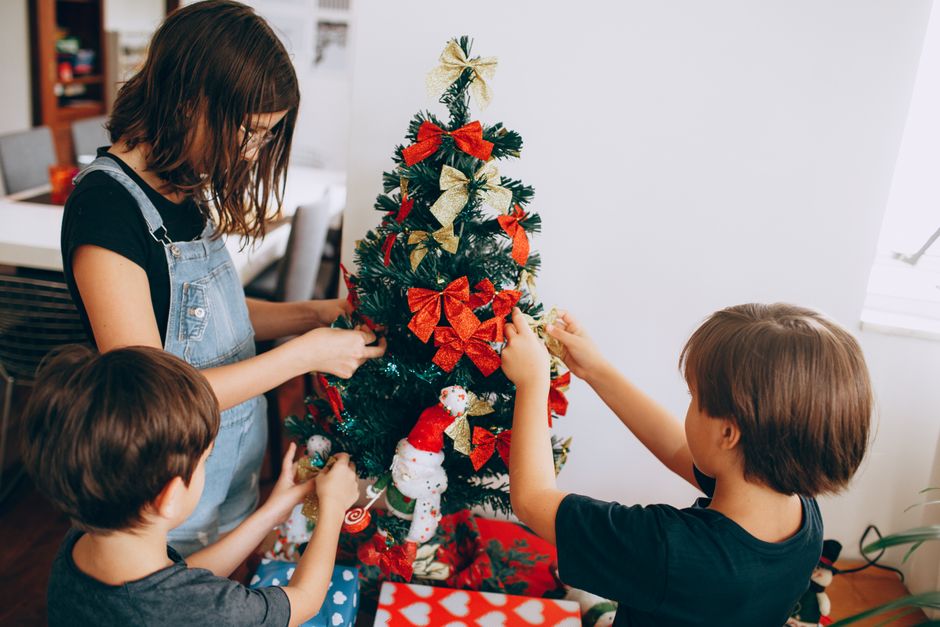
A bin of Christmas ornaments from my childhood came up from the basement. My mom gave them to me when my mom downsized. Most were plastic and faded. A few I remembered hanging as a kid. I set them on the dining room table and my kids came in and started picking favorites. Our youngest chose a plastic reindeer missing an antler. That reindeer is now a family ornament. The rest went to a thrift store. Decorations from a childhood home carry the feeling of that home. A few of them, hung every year, carry it better than a full bin in the basement.
Pet items stay because the dog is not coming back
We had a dog before our third kid was born. The dog died a few years ago. A leash, a collar, and a food bowl were in a bag in one of the bins. I did not expect that bag. I sat on the dining room floor with the collar in my hand and my husband came and sat down next to me. Neither of us said much. I kept the collar and let the rest go. A collar is small. A bowl and a leash are just things a new dog would need someday. Pet items hold a grief that is real, and a single small item holds it fully.
Wedding gifts gather dust in their original boxes
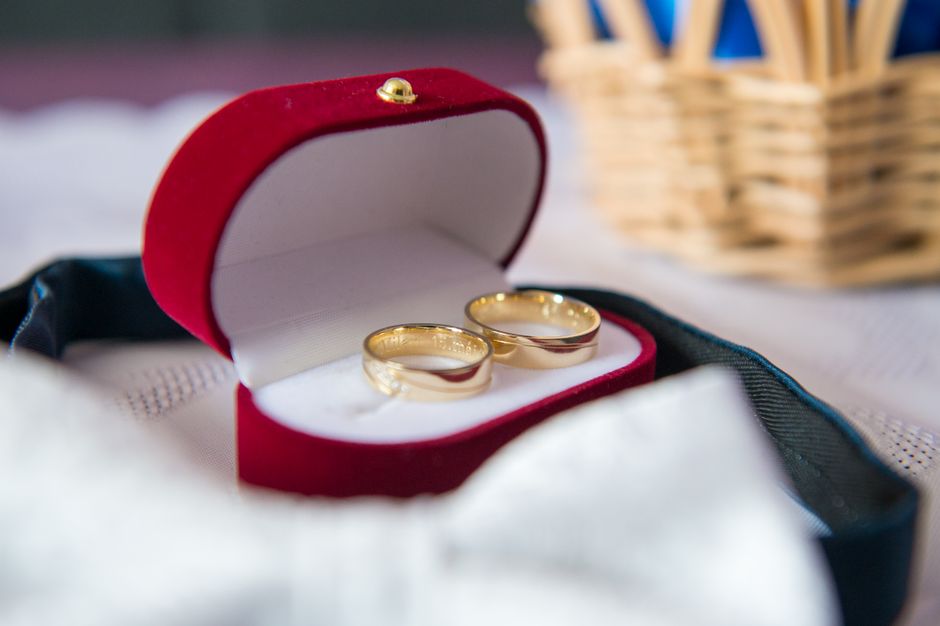
A fondue set, still in the box, had been in the basement since our wedding. My husband held it up in the dining room and asked if we had ever used it. We had not. The person who gave it is a cousin of my husband’s, and the cousin has not asked about it in all these years. We listed it for a neighbor. The guilt about unused gifts is real, but the giver almost never checks. Wedding gifts were a wish for your new life, and the life happened without the fondue set.
Home videos sit on tapes no player can read
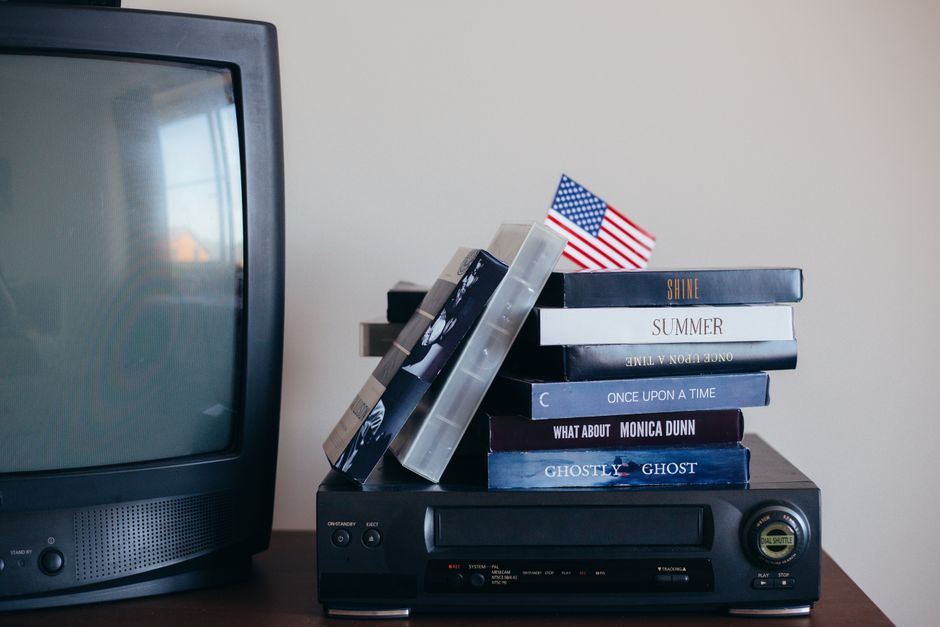
A stack of tapes from my husband’s childhood sat in a bin with no way to play them. We do not own a camcorder or a tape player. My husband set them on the dining room table and said he had been meaning to convert them for years. I looked up a conversion service that week and we mailed the tapes out. Tapes you cannot play are not memories you can share. If the content matters, move it to a format you can actually watch, and then the tape itself can go.
Hobby supplies hold a person you planned to be
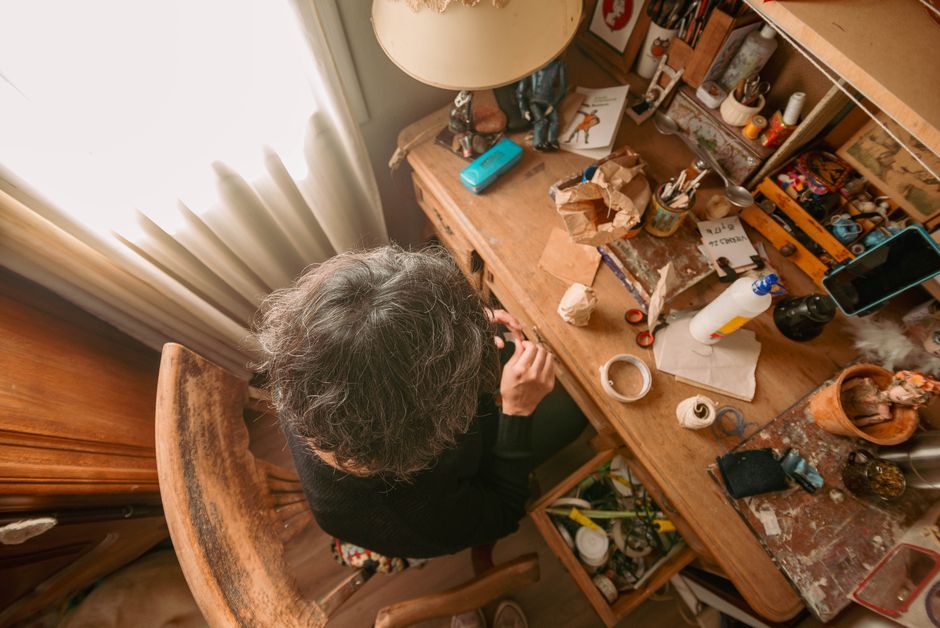
I bought a sewing machine the year before my first kid was born. I made exactly one pillowcase. The machine, a bin of fabric, and a box of patterns were all in the basement. The fabric was damp. I set the machine on the dining room table and my husband asked when I would sew next. I did not have an answer. I kept the machine and gave the fabric and patterns to a friend down the street who sews. The machine may still go. Hobby supplies are kept for a version of you that you planned to become, and that plan is allowed to change.
Old cookbooks hold a parent’s handwriting in the margins
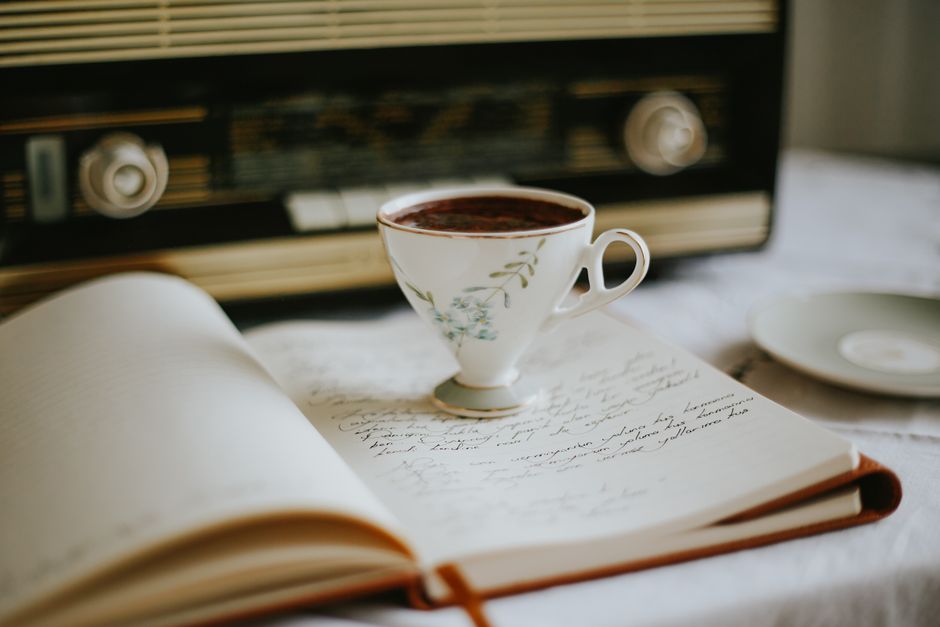
A stack of cookbooks came up from the basement, and one was my mom’s, with notes in the margins in my mom’s handwriting. The pages were warped. I spread the book open on the dining room table to dry. I rarely cook from it. I kept it anyway, because the notes are a conversation with my mom. The other cookbooks went to a thrift store. Not all sentimental items are clutter. A cookbook with a parent’s handwriting is a letter in disguise. The ones with no handwriting are just recipes you can find elsewhere.
School sweatshirts keep a younger self close
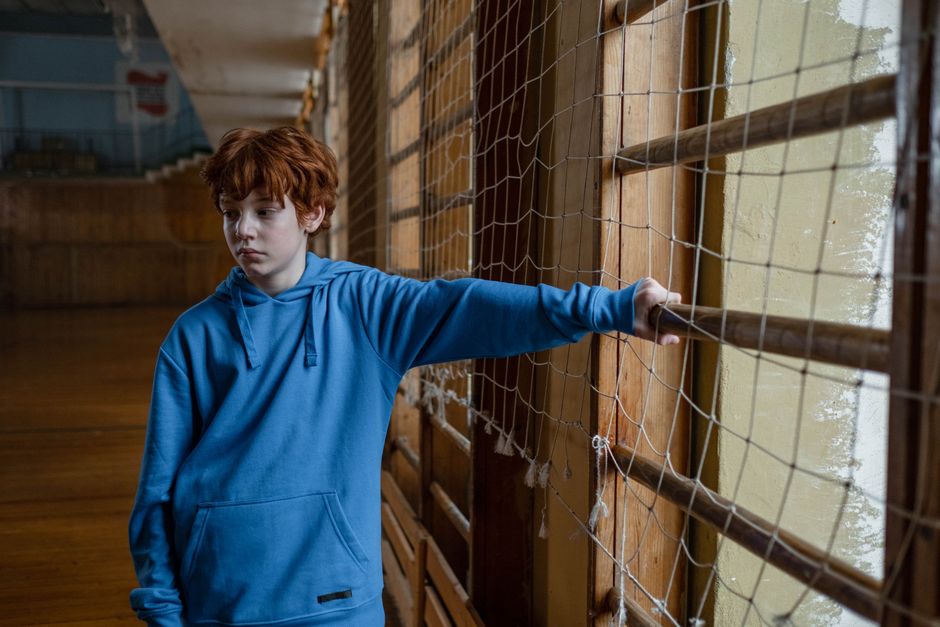
My college sweatshirt was in a bin, along with my husband’s. Both were faded and stretched. My husband put his on in the dining room and it still fit. Mine did not, and I was not going to wear it anyway. I folded mine for the donation bag and my husband kept his, because my husband actually wears it on cold Saturdays. The rule I landed on is that a sentimental item earns its place if it gets used. A sweatshirt that gets worn is a sweatshirt. A sweatshirt in a bin is a memory you could keep in a photo.
Items from your first apartment are kept for a time when you were young
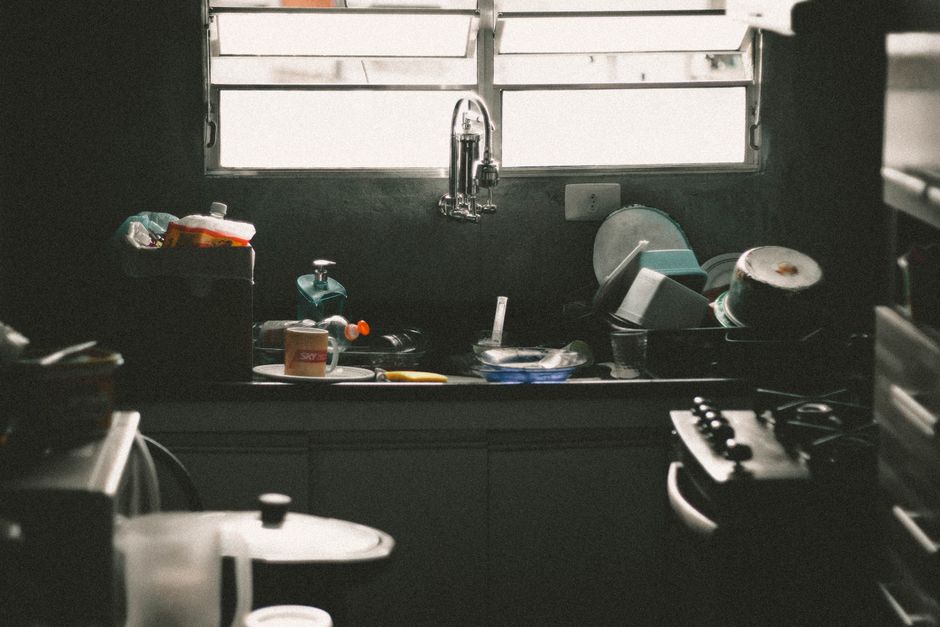
A set of mismatched plates and a lamp with a crooked shade came up from the basement. Those were from the first apartment my husband and I shared. I set the plates on the dining room table and realized I had kept them for the apartment, not for the plates. We ate off them for two years and then bought real dishes. The lamp still worked. The plates went to a thrift store and the lamp went to our oldest’s room. Items from a first home carry a time you were young and broke, and a single photo of that apartment holds the same feeling.
Gifts from someone who died feel impossible to move
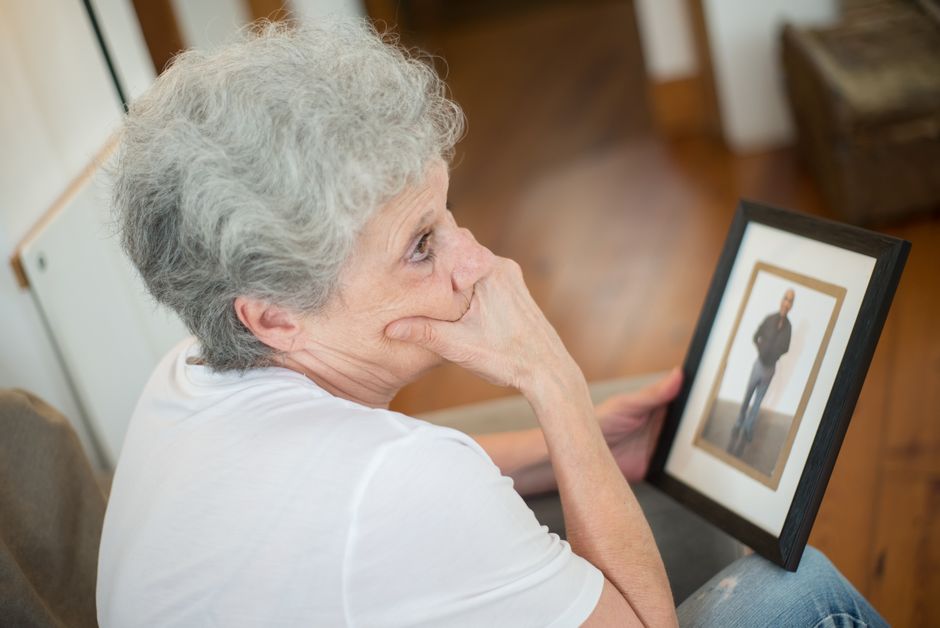
My grandmother gave me a small music box when I was a kid. It stopped working years ago. It was in a bin, wrapped in a dish towel. I held it in the dining room and could not put it in any pile. My husband did not push. I put the music box on a shelf in my bedroom and that is where it stays. Not everything in this list got tossed. Some items from people who are gone earn a real spot in the house. Gifts from someone who died are not clutter if they are out where you can see them. They are clutter when they sit in a bin.
Unlabeled memory boxes are the hardest of all
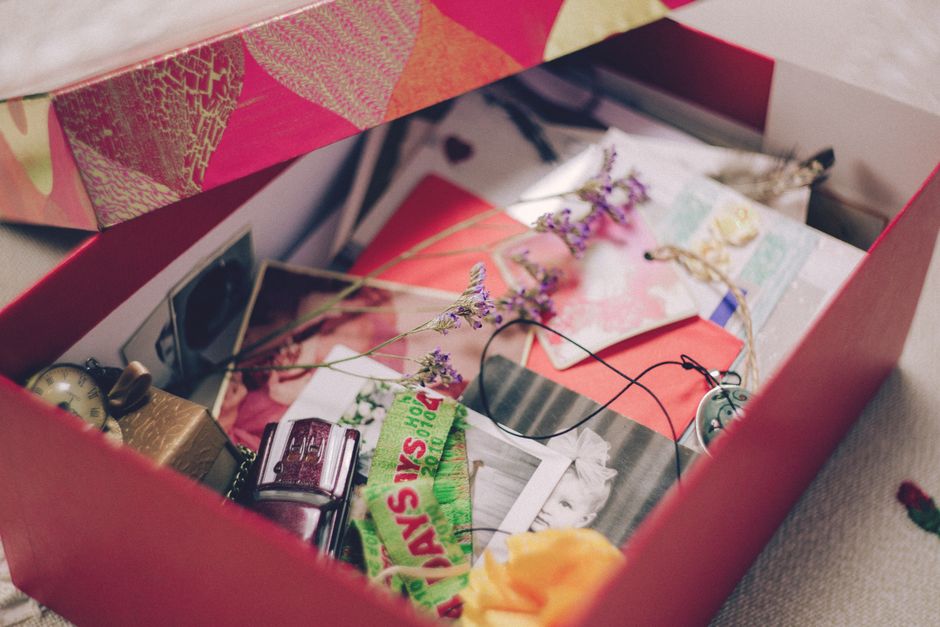
The last bin in the dining room had a strip of tape on the lid that said “misc memories” in my own handwriting. I had no idea what was inside. It turned out to be a tangle of everything above, a few cards, a few stubs, a broken bracelet, a child’s sock. It took me an entire evening to sort. My husband brought me tea and sat with me. Almost all of it went in the trash, because almost none of it meant anything once I looked at it. A box labeled miscellaneous is a decision you put off. Open it, sort it, and the decision gets made.
Keep what you will see, let go of what you will store
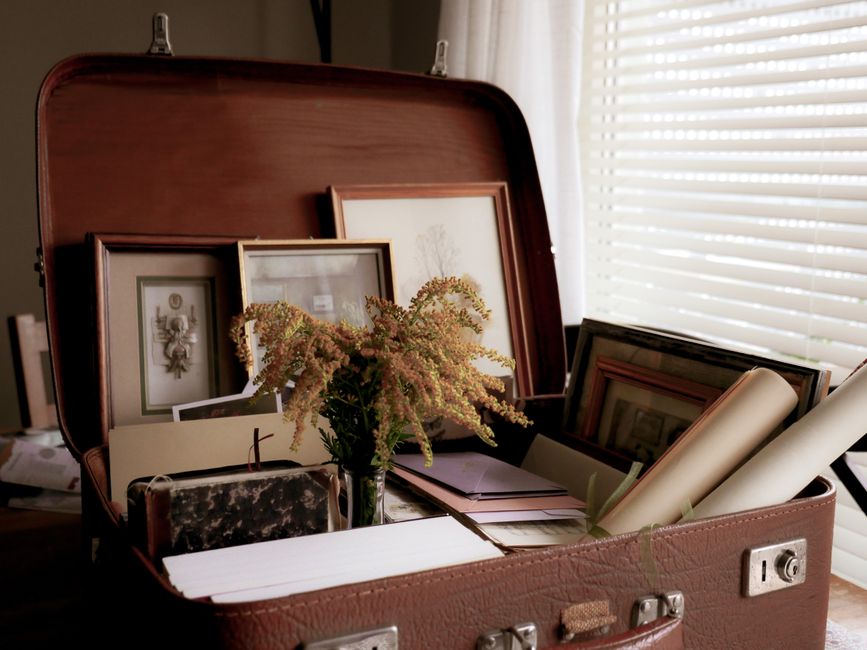
By the end of the week, the dining room was clear and the basement had a new bin shelf and a fixed pipe. We kept far less than we carried up. My husband asked me, honestly, if I regretted any of it. I did not, and I still do not. The things I kept are out in the house now, on shelves and dressers and the fridge, where my kids see them and ask about them. That was the lesson of the leak. Sentimental items are for seeing, not for storing. If something will only live in a bin, it is not doing the job you kept it for.
That week in the dining room was not fun. It was damp and slow and I cried more than once. But the house feels lighter now, and so do I. My kids know the stories behind the few things we kept, and that matters more than the bins ever did.
I am not an expert on any of this. I am a mom who had a leak and a lot of boxes and a husband willing to sit on the floor with me. If you have a bin in your basement with a strip of tape that says miscellaneous, I would gently suggest opening it this week.
Which sentimental item is the one you cannot seem to let go of?
About the author