Ways Parents Taught Us the Value of Money
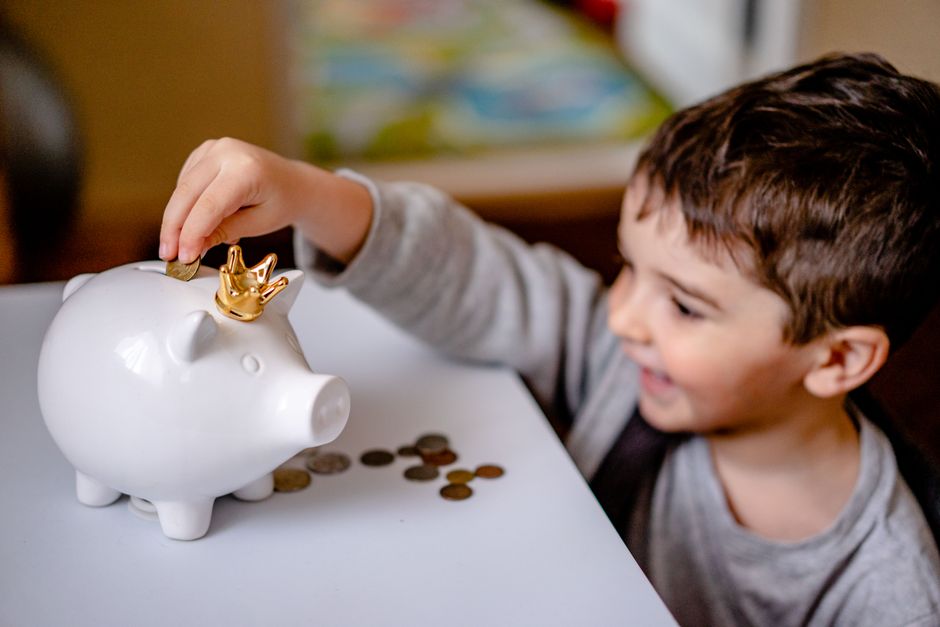
The week started with our oldest asking for a new bike. The old one was too small. The ask came at dinner, and my husband and I looked at each other across the table. We had been talking for a while about starting pocket money for our three kids. This felt like the right time to begin.
So that week we started. Each of my kids got a small weekly amount and a jar. By Tuesday I noticed something. Almost every rule I gave my kids was a rule my own parents gave me. I had not planned that. The words just came out in my mom’s voice or my dad’s voice.
I asked readers of this blog to share the money lessons their parents taught them. The replies filled my inbox all week. I read them at the kitchen table at night after my kids were asleep. Here is what that week looked like, one lesson at a time, with some of those reader replies mixed in.
Put the spare coins in a jar
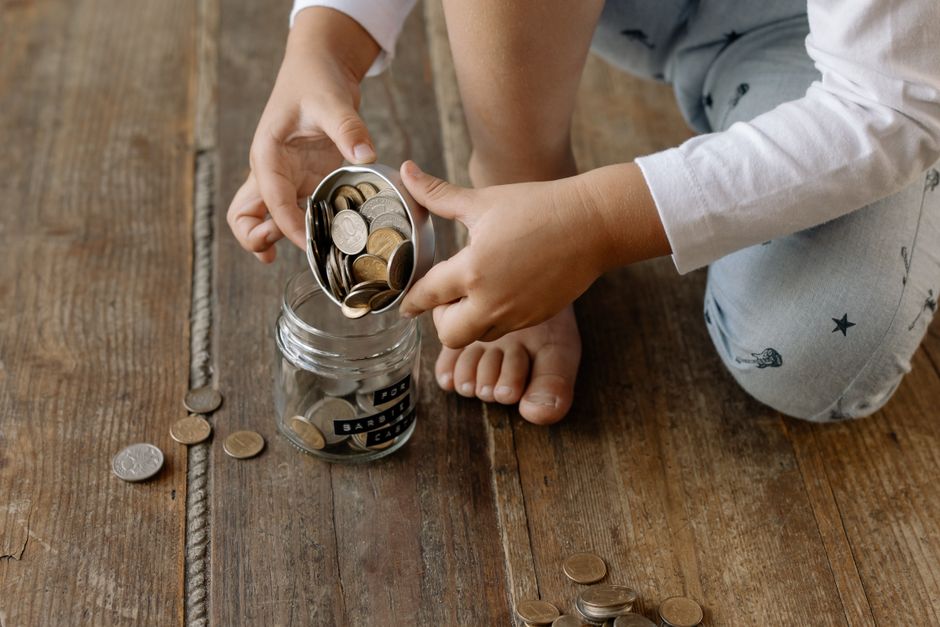
On Monday night I set an empty jar on the dresser in each kid’s room. I told my kids that any coins found in pockets, under the couch, or in the car go in the jar. Our youngest asked if that counted as real money. I said yes. My mom kept a pink piggy bank on my dresser when I was small. Coins went in. Coins did not come out until the bank was full. I did not think about it at the time. The coins just added up on their own.
A jar for loose change teaches a kid that small amounts matter.
When the money is gone, it is gone
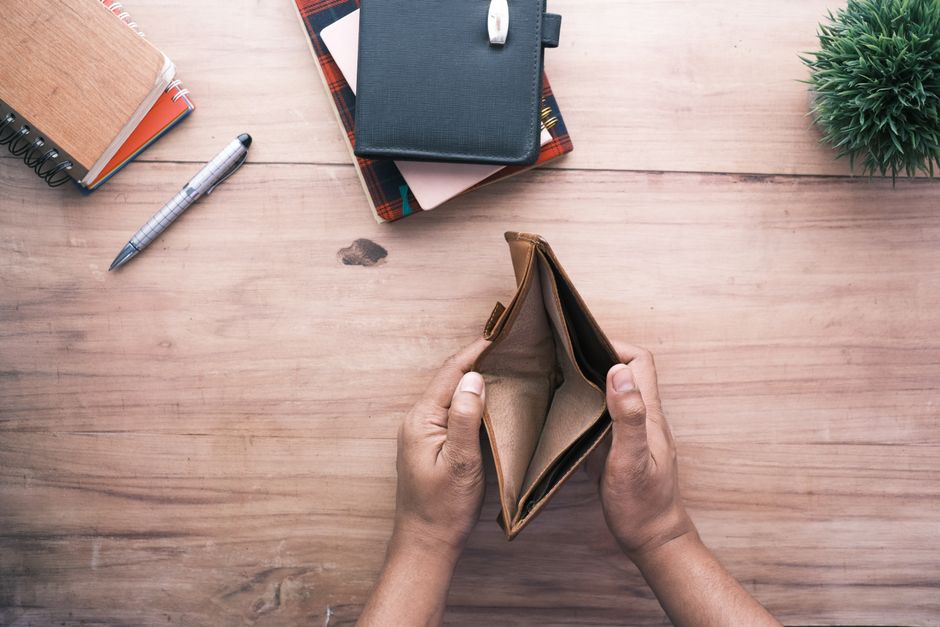
On Wednesday our middle one spent the whole weekly amount at the school book fair. By Thursday our middle one wanted a treat at the store and asked me for a dollar. I said no. The pocket money was gone, and the next pocket money came on Sunday. There were tears in the cereal aisle. My dad did the same thing with me. My allowance ran out, and that was the end of it until the next week. I hated that rule as a kid. I understand that rule now.
Letting the money run out is the fastest way to learn what a budget feels like.
Small jobs can earn extra money
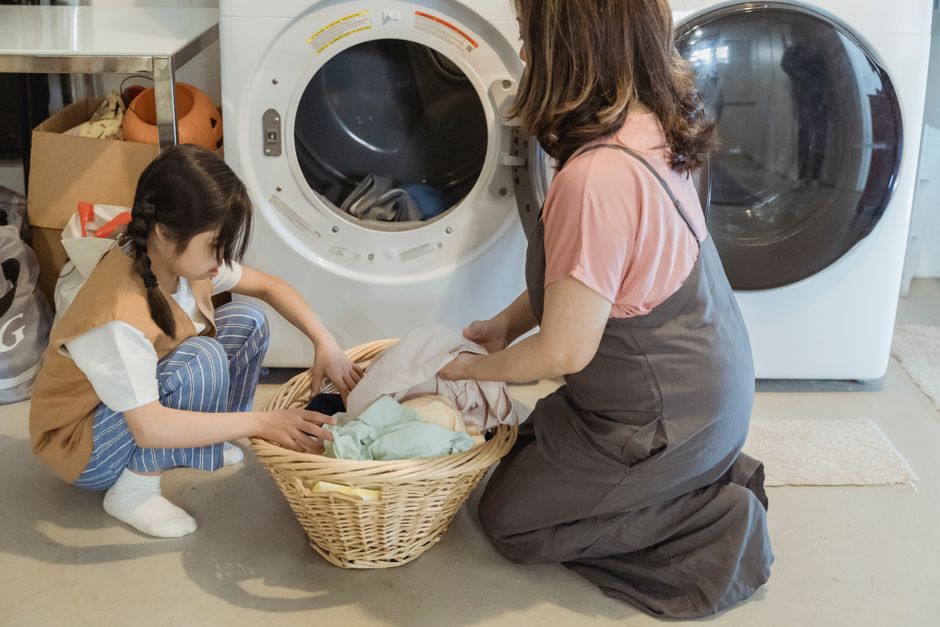
Our oldest wanted that bike and did the math. The weekly amount would take a long time. So my husband offered a deal. Rake the leaves in the front yard and earn a little extra. Our oldest spent Saturday morning outside with a rake. The job was not perfect. My husband paid anyway. When I was a kid, my parents paid me to mow the lawn and wash the car. The point was not the amount. The point was that work and money were connected.
A kid who earns money through effort learns what money actually costs.
Save up for the big thing you want

Back to that bike. My husband and I could have bought it. We decided not to. Instead we told our oldest to save for it. We said we would pay half when the saving reached half. Our oldest drew a chart and taped it to the bedroom wall. Each week a box gets colored in. My parents did this with my first bike too. I remember counting the money on my bed and feeling proud. The bike meant more because I had waited for it.
Saving for something big teaches patience and makes the thing worth more.
Count your change before you leave the counter
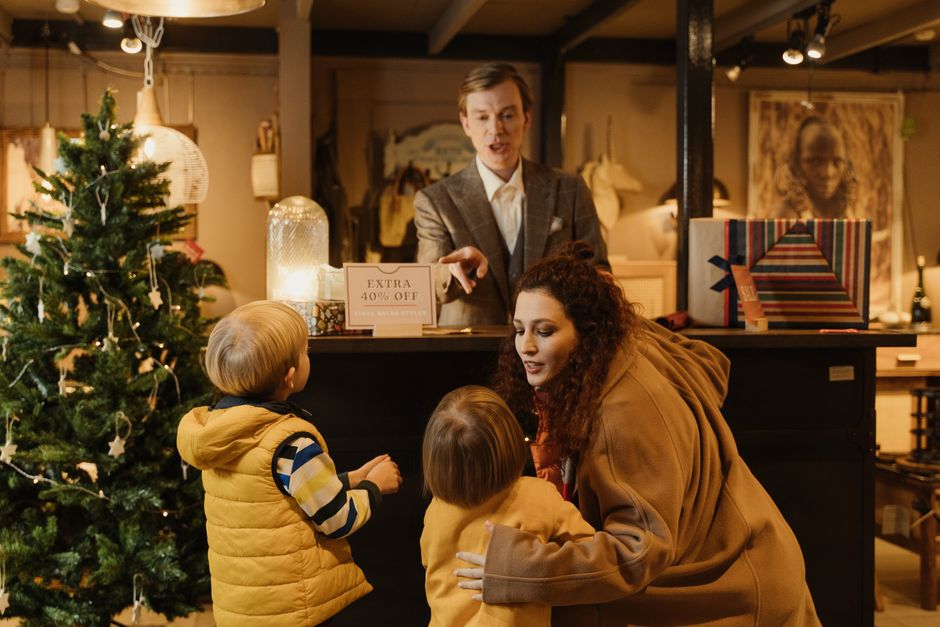
On Thursday our middle one bought a small toy with saved coins. The cashier handed back the change. I waited. Our middle one started to walk away. I said, “Count it first.” Our middle one counted and it was right. My mom made me do this every single time. She said mistakes happen and nobody will fix your money for you. I still do it. I still stand at the counter and count. My husband laughs at me for it, but it has caught errors more than once.
Checking your change is a small habit that keeps you paying attention.
Needs come before wants
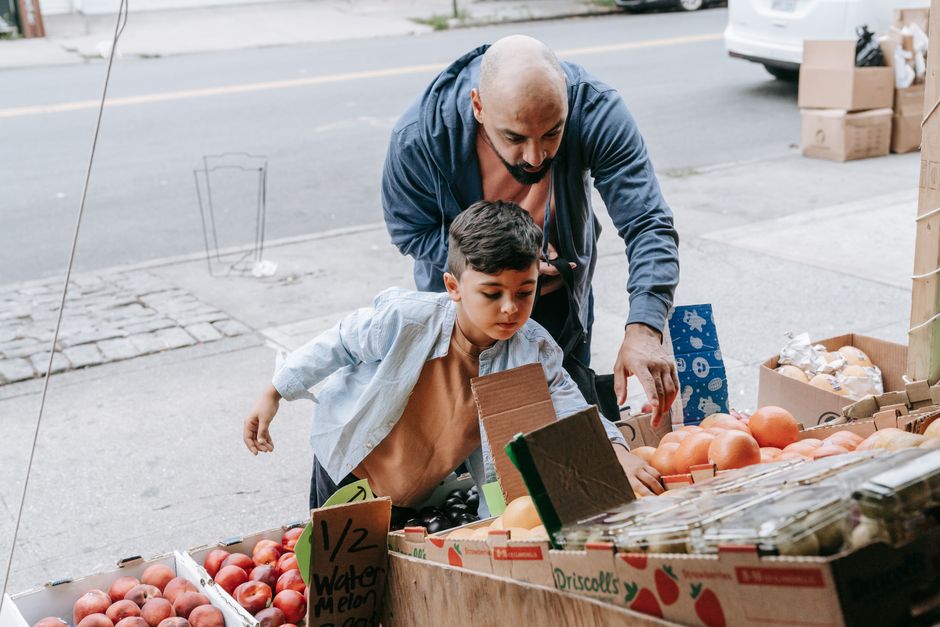
Our youngest needed new school shoes that same week. The old ones had a hole in the toe. We went to the store, and our youngest saw a toy on the way to the shoe section. I said shoes first, toy maybe later. The toy did not happen. When I was growing up, my parents bought school shoes, a winter coat, and a backpack before anything fun. That was the order. I did not always like the order. The order was still right.
Buying what you need before what you want is the base of every budget.
Stick to the shopping list
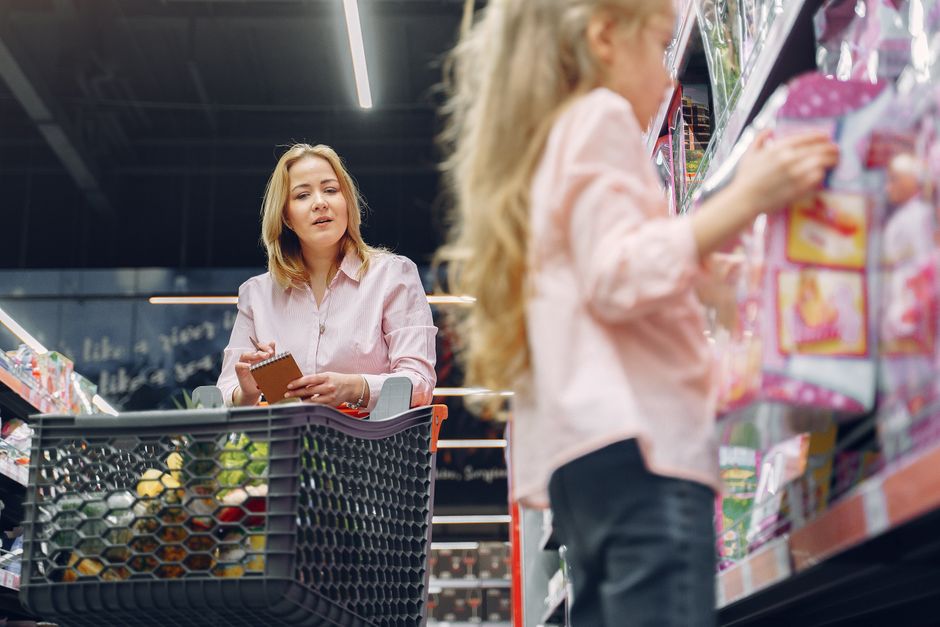
Friday was grocery day. I wrote the list on the back of an envelope. Milk, eggs, bread, rice, beans, and a few other things. I took our middle one with me. In the store our middle one picked up a box of fancy cookies. I said, “Is that on the list?” It was not. The cookies went back. My mom shopped from a list she kept on the fridge all week. If something was not on the list, it did not go in the cart. She said the list was the budget.
A shopping list keeps the store from deciding what you spend.
Eat the leftovers before cooking something new
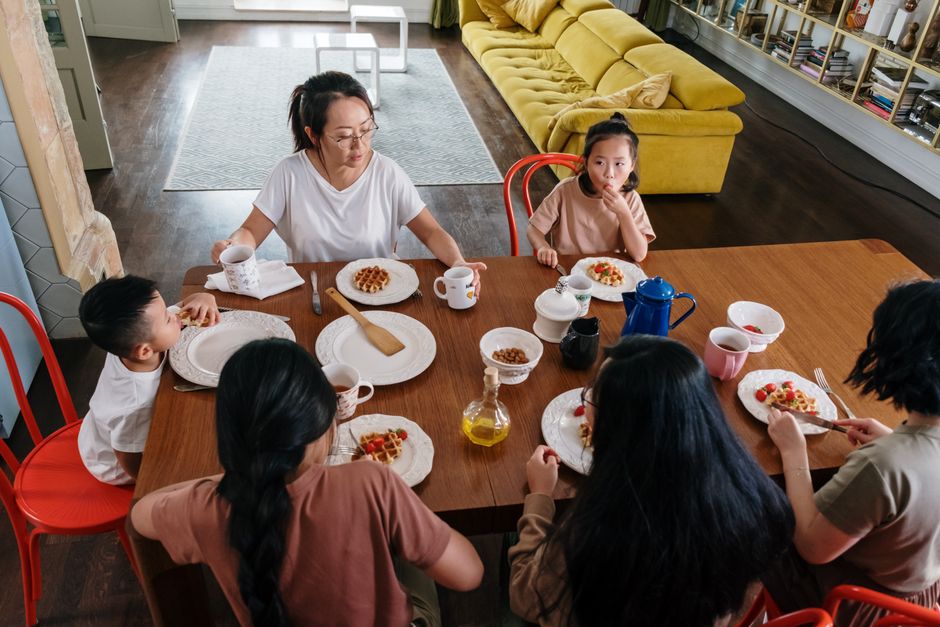
On Saturday night there was a pot of chili in the fridge from Thursday. My husband asked what was for dinner. I pointed at the pot. He heated it up and nobody complained. My parents never threw food away if it could be eaten. Leftovers were lunch the next day or dinner the day after. My dad said throwing out food was the same as throwing out money. He was right. A full fridge going bad is money going in the trash.
Eating leftovers is one of the easiest ways to stop wasting money.
Fix it before you replace it
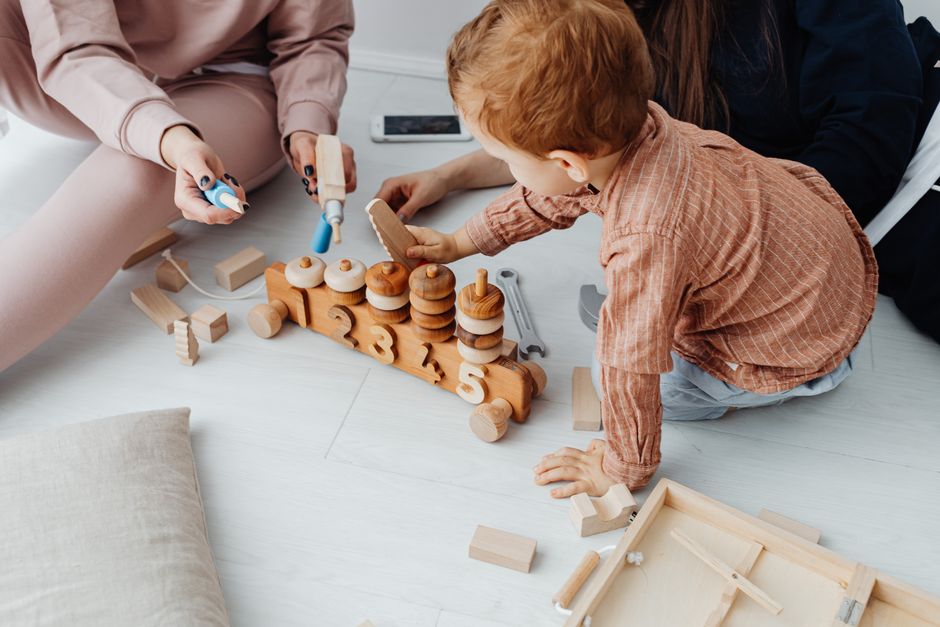
Our oldest tore the knee of a favorite pair of jeans during the week. Our oldest asked for new jeans. I got out the sewing box instead. I patched the knee at the kitchen table while our oldest watched. My mom mended everything. Socks, shirts, zippers, straps on backpacks. New clothes came only when something truly could not be saved. I am not a great sewer. The patch is not pretty. The jeans still work, and that was the point.
Trying to repair something first saves money and teaches respect for what you own.
Wear what was passed down
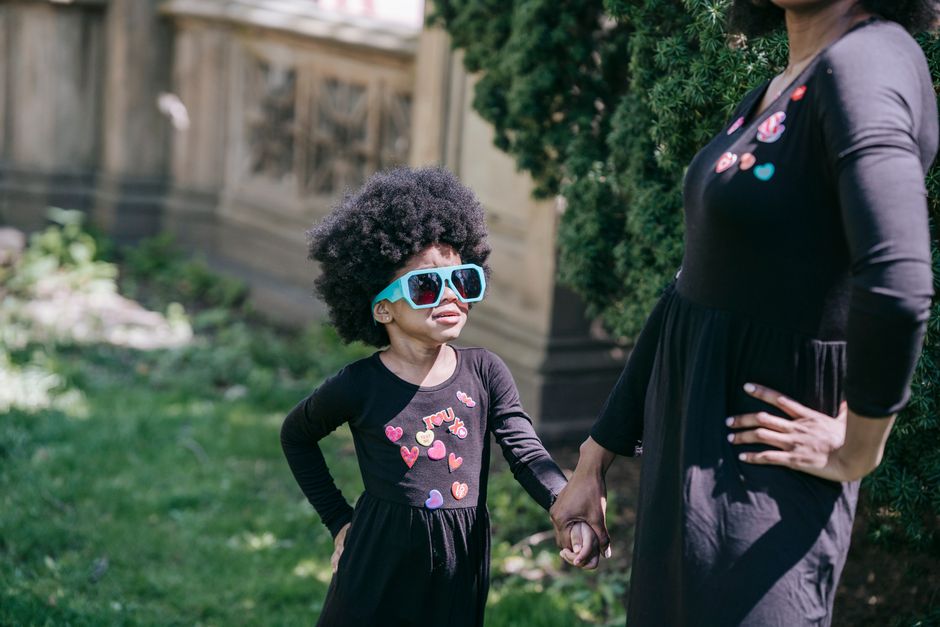
Our youngest wore our middle one’s old winter coat to school that week. The coat still fit well. Our youngest did not mind at all. I grew up wearing my cousin’s clothes. Boxes came every fall with jeans, sweaters, and shoes. My parents never acted like it was a sad thing. It was just how clothes worked in our family. One reader, Paula M., 52, of Fort Wayne, Indiana, wrote, “I wore my sister’s clothes until I was in high school and I never once felt poor. I felt lucky to have a sister.”
Hand-me-downs stretch a budget and teach kids that new is not the same as better.
Compare prices before you buy

On grocery day I showed our middle one the price tags on the shelf. Two cans of the same beans. One cost more because of the brand name. I asked which one we should buy. Our middle one picked the cheaper one. My dad did this with me in every aisle. He read the price per ounce on the tiny label and explained it to me like a math problem. I thought it was boring. Now I do the same thing without thinking.
Comparing prices is a quiet habit that saves money for a lifetime.
Spend a little of the gift money and save the rest
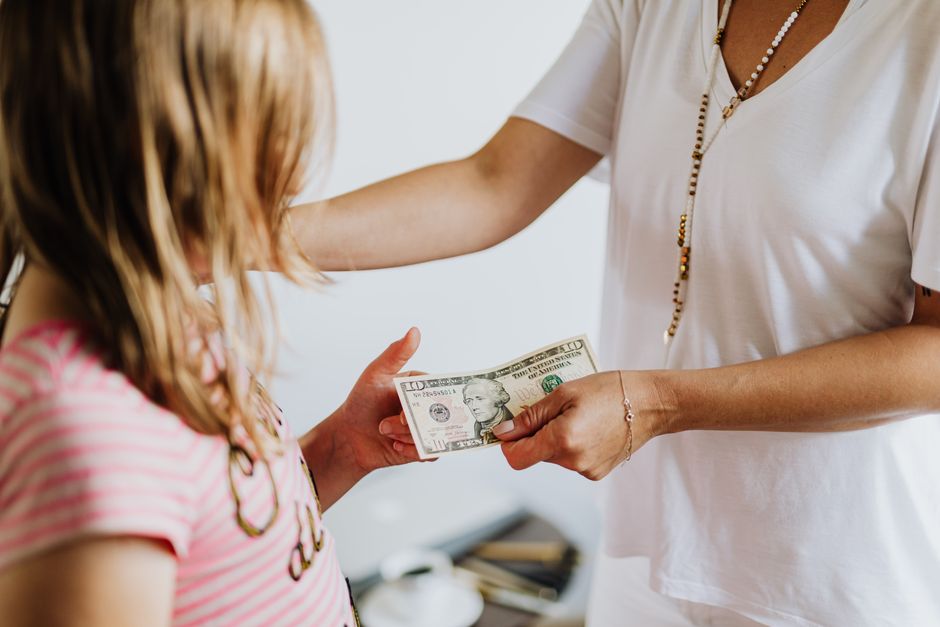
Our youngest got birthday money from a grandparent in the mail during that week. Our youngest wanted to spend all of it right away. My husband suggested a split. Spend a little now and put the rest in the jar. Our youngest agreed after some thought. My parents had the same rule for me. Birthday money went mostly into savings with a small part for fun. Greg T., 44, of Boise, Idaho, wrote, “My dad made me put half of every birthday check in the bank. I had a down payment on my first car at eighteen because of it.”
Splitting gift money teaches kids that windfalls are a chance to save, not just spend.
Turn off the lights when you leave the room
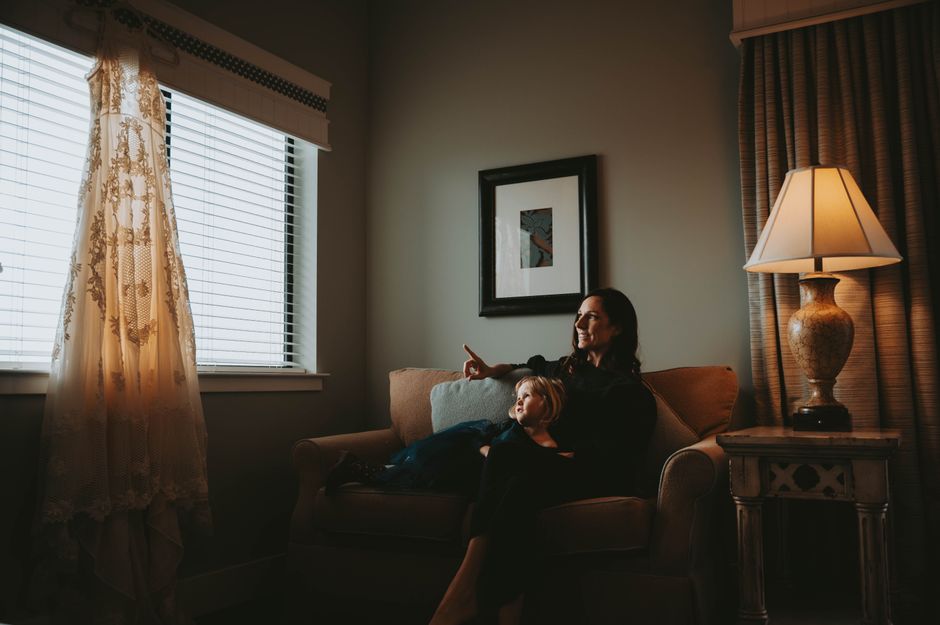
Every night that week I walked through the house and turned off lights in empty rooms. The bathroom light, the hallway light, the lamp in the playroom. I asked my kids to do the same. Our oldest asked why it mattered. I explained that electricity costs money every single minute it runs. My dad walked through our house every night doing the exact same thing. He flipped switches and muttered about the bill. I thought it was funny. I am now that person.
Turning off lights is a small daily reminder that nothing in a home is free.
You cannot buy everything you want

Our youngest asked for a toy, a snack, and a trip to the trampoline park all in one afternoon. I said no to all three. Our youngest said, “But why?” I said, “Because money does not grow on trees.” I heard my mom in my own mouth. She said that line to me more times than I could count. She did not say it to be mean. She said it to be clear. There is a limit, and wanting something does not change the limit.
Kids need to hear plainly that money is limited and that wanting is not the same as getting.
Good things take time
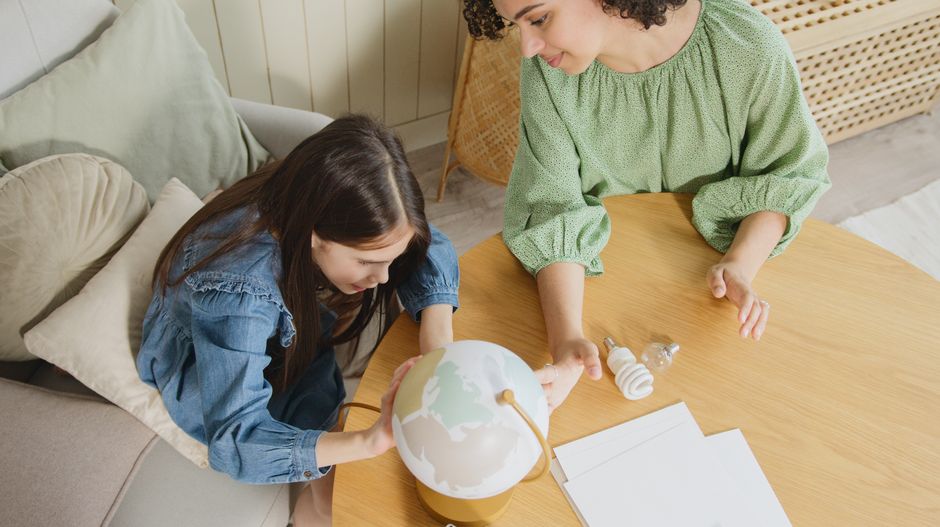
Our oldest checked the bike savings chart every day that week. By Friday our oldest was frustrated that the boxes were filling so slowly. My husband sat down and talked about it. Saving is slow. That is normal. The slow part is what makes the bike yours. My parents told me the same thing when I was saving for a camera. It took most of a year. I still remember opening that box. Lorraine B., 61, of Chattanooga, Tennessee, wrote, “My mother said anything worth having is worth waiting for. She was right about that and most things.”
Patience is a money skill, and kids only learn it by waiting.
Do not buy now and worry about it later
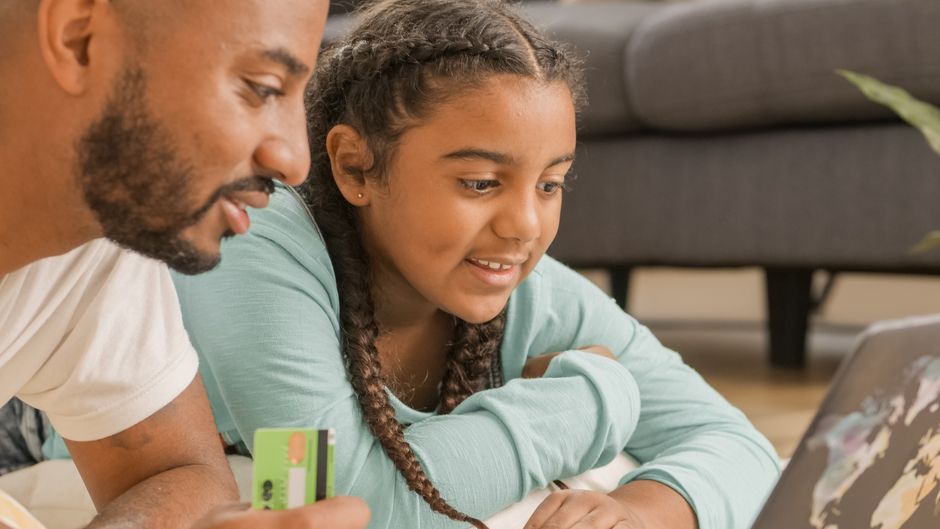
On Saturday my husband and I talked at the table about a bigger purchase for the house. We decided to wait and pay cash in a few months. Our oldest was listening and asked why we did not just use the card. My husband explained that paying later usually means paying more. My parents did not carry debt. They waited. They saved. They bought when the money was there. I did not always follow that rule in my twenties. I learned why it mattered the hard way.
Avoiding unnecessary debt means you are never paying for yesterday with today.
Take care of what you already own
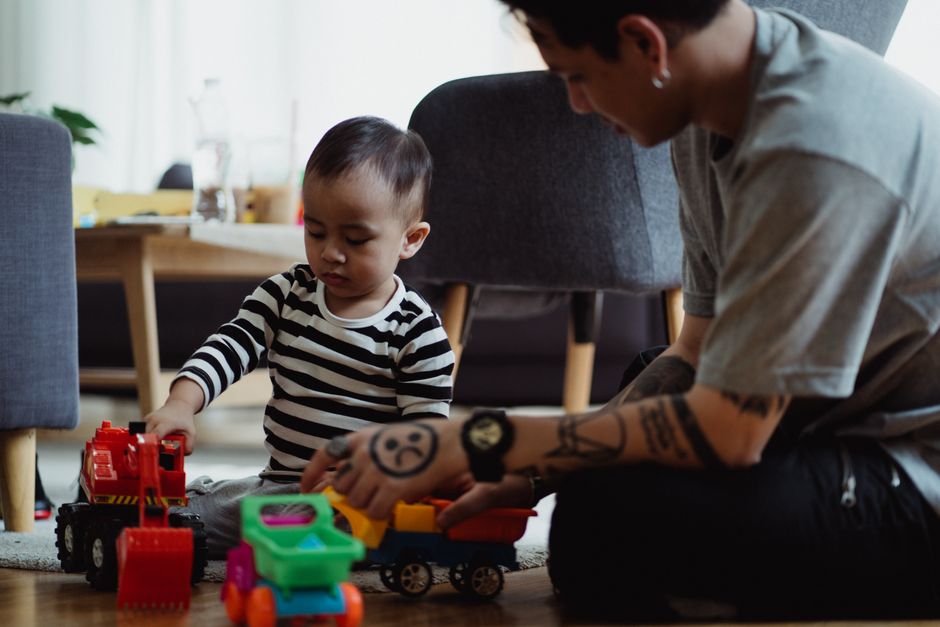
Our middle one left a bike in the driveway in the rain that week. My husband brought it into the garage and dried it off. Then my husband had a talk about rust and chains and how things last longer when you look after them. My dad had one briefcase for his whole working life. He cleaned it, oiled the leather, and fixed the latch twice. He said buying a new one was easy and keeping the old one was the real skill.
Caring for your things is the same as saving money, just slower.
Use some of your money to help others
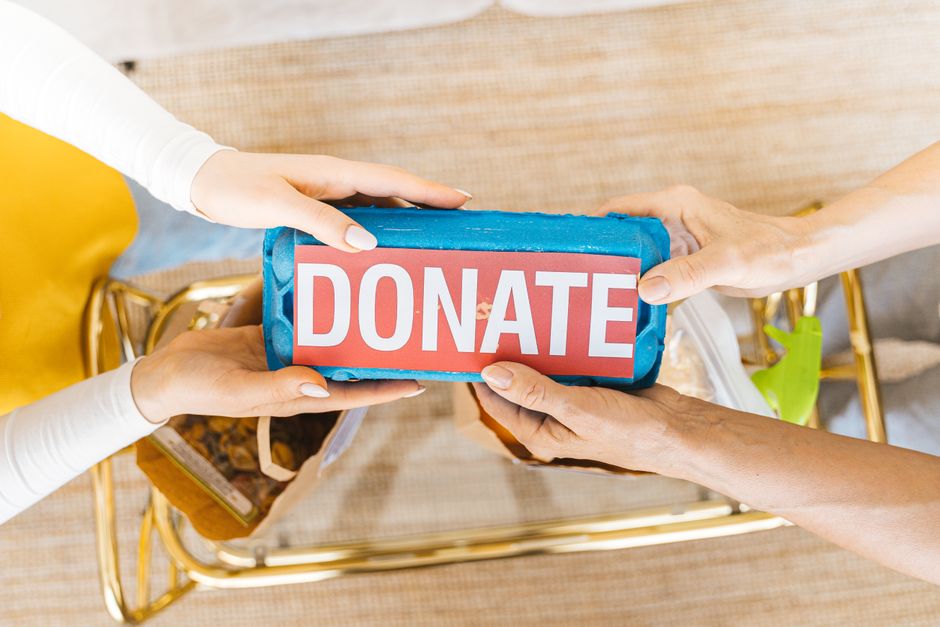
On Sunday my kids each got the weekly amount again. I put a small third jar on each dresser. I told my kids that this jar was for giving. A few coins each week. At the end of the month we will pick something together. My parents always set aside money for the church and for neighbors who needed help. I watched my mom hand grocery bags to a family down the street more than once. Darnell W., 38, of Little Rock, Arkansas, wrote, “My parents taught me that money you give away still counts as money well spent.”
Teaching kids to give shows them that money is for more than themselves.
Ask yourself if you really need it

On Saturday afternoon our oldest stood in a store aisle holding a video game. I asked one question. “Do you really need this, or do you just want it right now?” Our oldest thought for a minute and put the game back. I was surprised. My mom asked me that same question in every store. I hated it as a kid. It made me stop and think, and stopping was usually enough. Most of the things I wanted in that moment I had forgotten about by the next day.
One honest question before a purchase saves more money than any budget app.
Be grateful for simple things
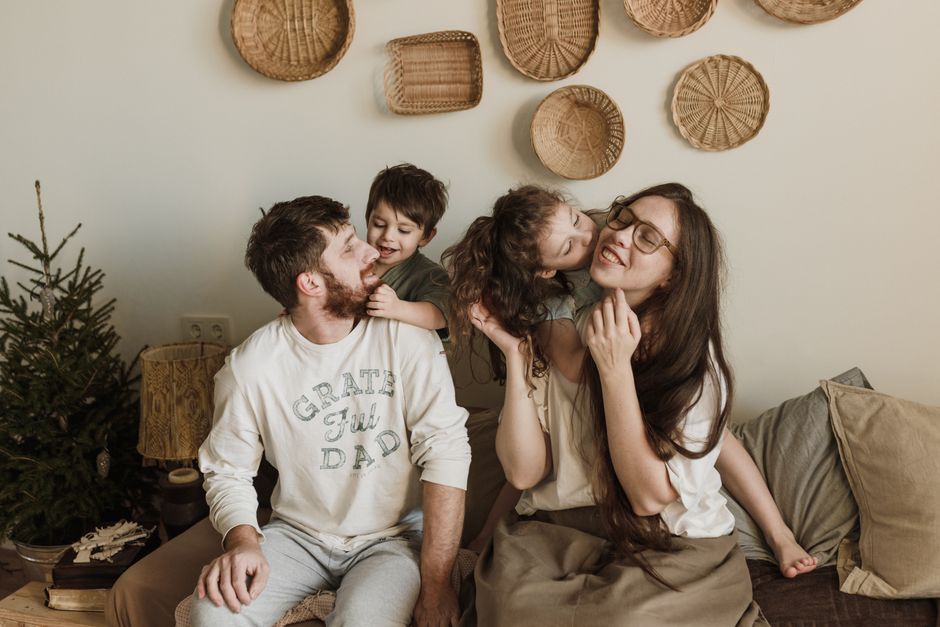
Sunday night we had soup and bread at the table. Nothing fancy. Our youngest said it was the best dinner ever. My husband and I smiled at each other. I thought about my parents. They did not have much when I was small. They made what they had feel like plenty. We ate simple meals and took simple trips, and I never once felt like we were missing something. Maureen K., 57, of Erie, Pennsylvania, wrote, “My parents never said we were broke. They said we were lucky to have a warm house and food on the table. I believed them, and I still do.”
Gratitude is the money lesson that makes all the other lessons easier to keep.
That was one week of starting pocket money in our house. The bike savings chart is still on the wall. The jars are filling up slowly. My kids complain sometimes, and I let them. I complained too when my parents taught me these things. I am grateful now that they did not stop.
I am not an expert on money. I am a mom who is trying to pass down what worked. My husband and I are still figuring out the right amounts and the right rules. Some weeks go better than others.
What money lesson from your own parents do you still follow today?
About the author