Things You Don’t Comment on at a Funeral
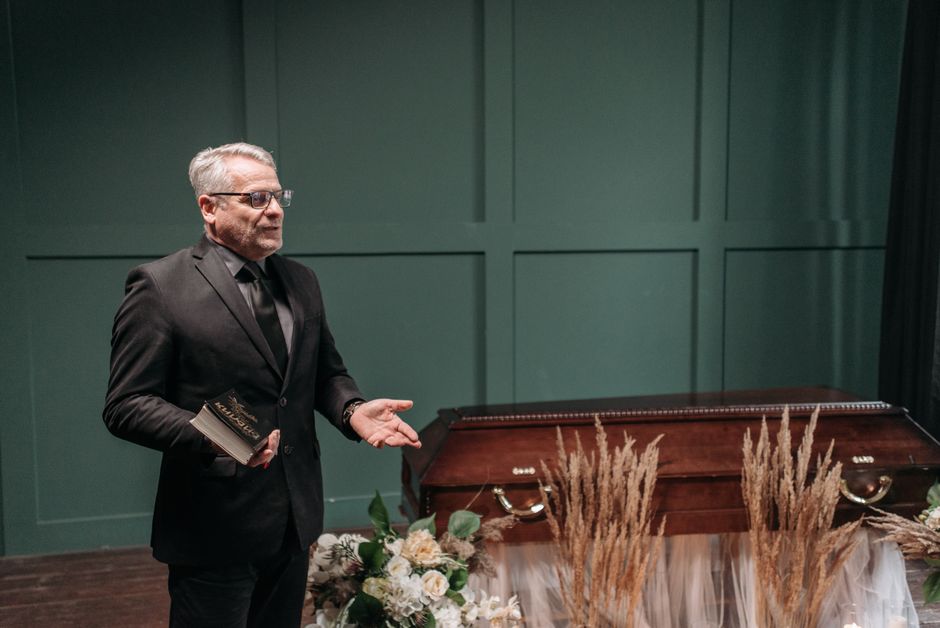
I went to a funeral last week. A friend from my old teaching days lost her father, and the service was on a Thursday afternoon at a small chapel across town. My husband took the afternoon off so I could go, and my kids were at school for most of it.
I used to think the hard part of a funeral was deciding what to wear or what dish to bring to the house after. I was wrong. The hard part is what comes out of people’s mouths. I stood in that chapel and heard several comments that made my teacher friend’s face go tight, and I heard one that made me cringe because it came from me.
Before the service, I asked readers of this blog to share things people said at a funeral that they wish had gone unsaid. The replies filled my inbox for days. I have put the most common ones here, each paired with a moment from that one week. None of this is expert advice. I am a stay at home mom and a former teacher, not a counselor. These are plain things I noticed and plain things I plan to do differently.
Keep your opinion of the flowers and the casket to yourself
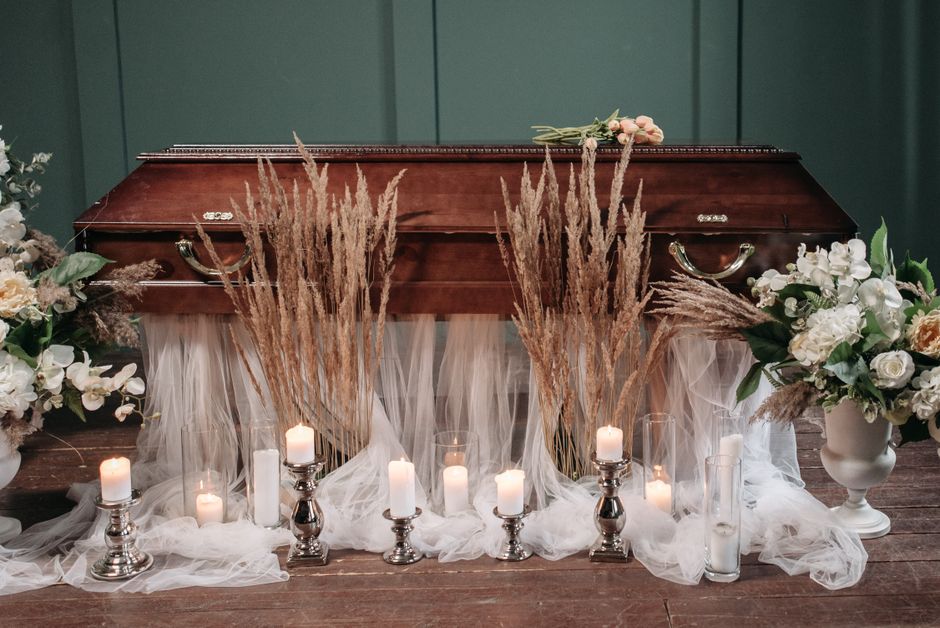
The chapel had two tall sprays of white lilies and a plain wooden casket at the front. Behind me, a woman I did not know leaned over to her husband and said the family must have gone with the cheaper option. My teacher friend was three rows up. I do not know if my teacher friend heard, but I did, and I felt my stomach drop. That family had been picking out a casket two days earlier while crying in a showroom.
A reader named Donna L., 58, from Erie, Pennsylvania, wrote, “At my mother’s service, my aunt told me the flowers looked sparse. I had chosen every stem myself. I still think about that comment more than anything said in the eulogy.”
The arrangements are not up for review. The family made choices under the worst kind of pressure. Say the service was lovely and leave it there.
Do not remark on how the person looked
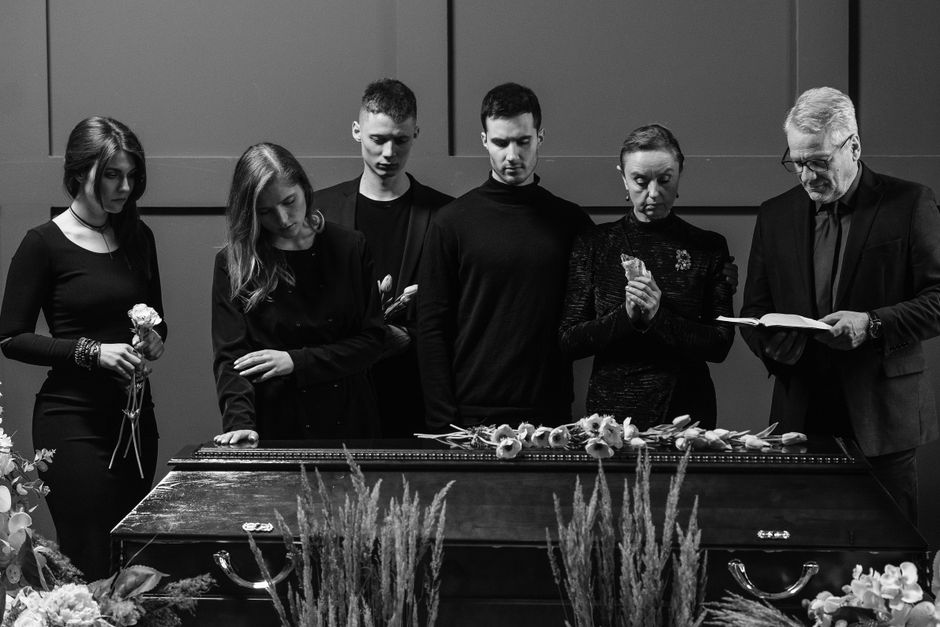
The casket at my teacher friend’s father’s service was open before the ceremony started. A man in line ahead of me stepped up, looked in, and said loudly that the man looked thinner than he remembered. My teacher friend was standing right beside the casket greeting people. I watched her smile freeze in place.
I understand the impulse. People see a body and feel a need to say something. But the family already knows how the person looked. The family has been looking for days. Any comment about weight, color, the suit, the hair, or whether the person looked peaceful lands as a judgment on the funeral home, on the illness, or on the family.
If you feel you have to say something at the casket, say the person’s name and say you are sorry. Then move along and let the next person have a turn.
Do not ask how it happened or what could have been done
After the service, I was in the fellowship hall with a plate of ham sandwiches when I overheard a cousin ask my teacher friend if her father had been seeing the right doctor. My teacher friend said the doctor was fine. The cousin pressed and asked if anyone had noticed the symptoms sooner. My teacher friend set down her cup and walked to the restroom.
A reader named Marcus T., 44, from Boise, Idaho, told me, “My brother died in a car accident. At the funeral, a neighbor asked me if he had been drinking. I did not speak to that neighbor for a year.”
The family has replayed every what if a hundred times already. Asking about the cause of death or hinting that something could have been prevented adds weight to a load that is already too heavy. If the family wants to tell you how it happened, the family will.
Leave the will and the house out of it
My teacher friend’s father owned a small farmhouse outside of town. At the reception, I heard someone ask what would happen to the property and whether the kids were going to sell. The person asking was not even a relative. My teacher friend’s brother answered politely, but I saw his jaw working the whole time.
The day of the funeral is not the day to talk about money, land, belongings, or who gets what. The estate is private family business. Even a friendly question like whether the family will keep the house puts the grieving person in the position of thinking about paperwork while standing next to a casket. I have heard of relatives claiming a lamp or a ring at the reception, and it is worse than it sounds.
Wait weeks, or wait for the family to bring it up. Nobody needs to hear about the will while the coffee is still warm.
Do not point out who did not show up
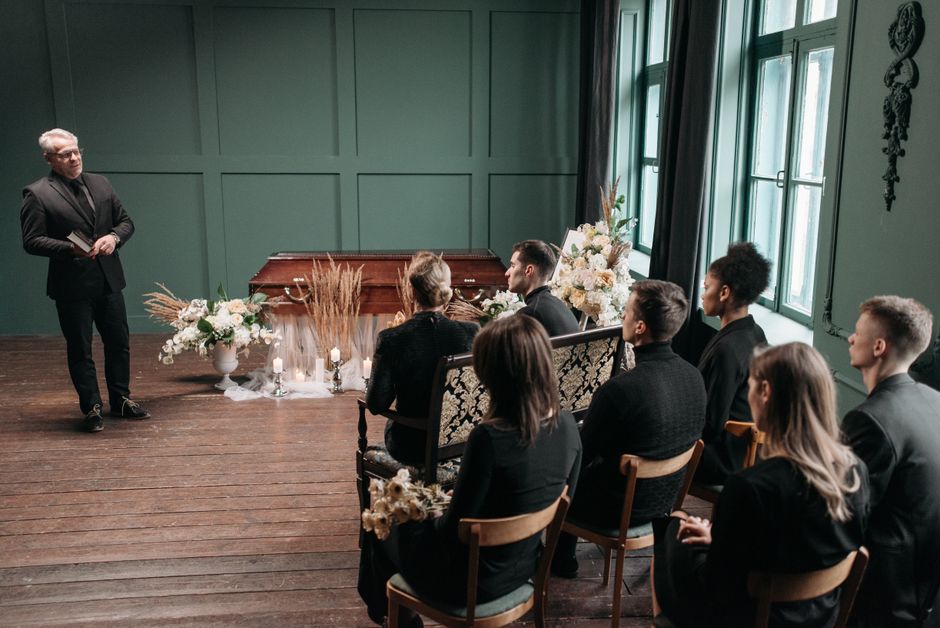
Partway through the reception, I noticed my teacher friend’s older sister was not there. I have met the sister once, years ago, and I knew the two of them had a rocky history. I nearly asked where the sister was. I had the words ready. Then I saw my teacher friend glance toward the door for what must have been the tenth time that hour, and I closed my mouth.
A reader named Patricia H., 61, from Macon, Georgia, wrote, “My estranged daughter skipped her grandfather’s funeral. Four different people asked me where she was. Each one felt like a slap.”
The family notices every empty seat. The family does not need help counting. Asking about an absent relative, an ex spouse, or a friend who used to be close drags an old wound into a room that already has enough pain in it. If you are curious, stay curious quietly.
Do not grade how anyone is grieving
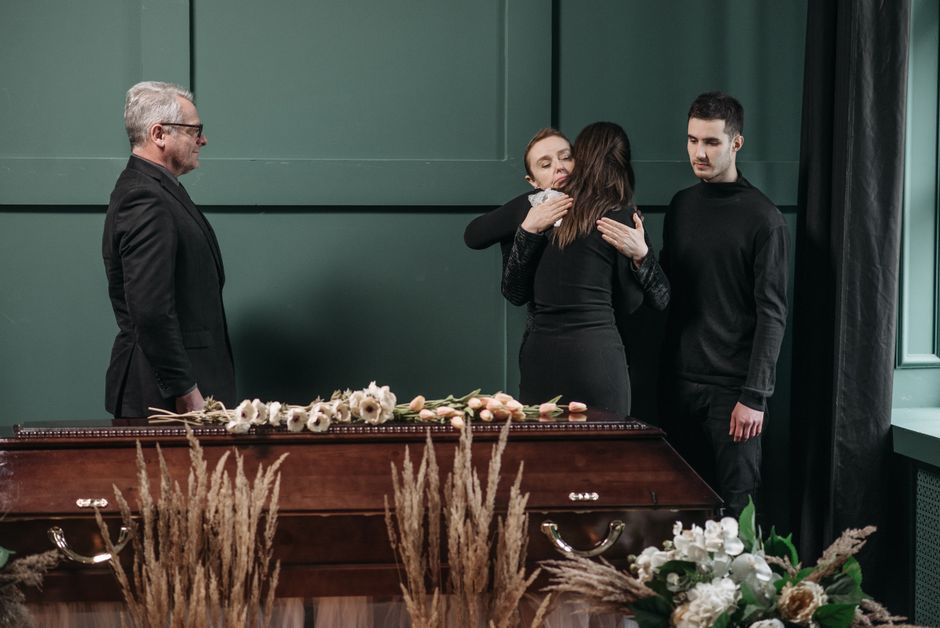
This is the one I got wrong. At the reception I told my teacher friend she seemed to be holding up really well. I meant it as a kindness. My teacher friend looked at me and said she had cried in the car for an hour before the service and had been holding it in since. I had just told her the mask was working. I apologized on the spot, and she squeezed my hand, but I wish I had said nothing.
The other side is just as bad. Telling someone to be strong, or saying the person would not want everyone so sad, is a way of telling the family to grieve less in public. Comments about who cried, who did not cry, who laughed at the reception, or who left early are all the same mistake.
Everyone grieves differently. The day of the funeral is not a performance to be scored.
Do not make the day about your own loss
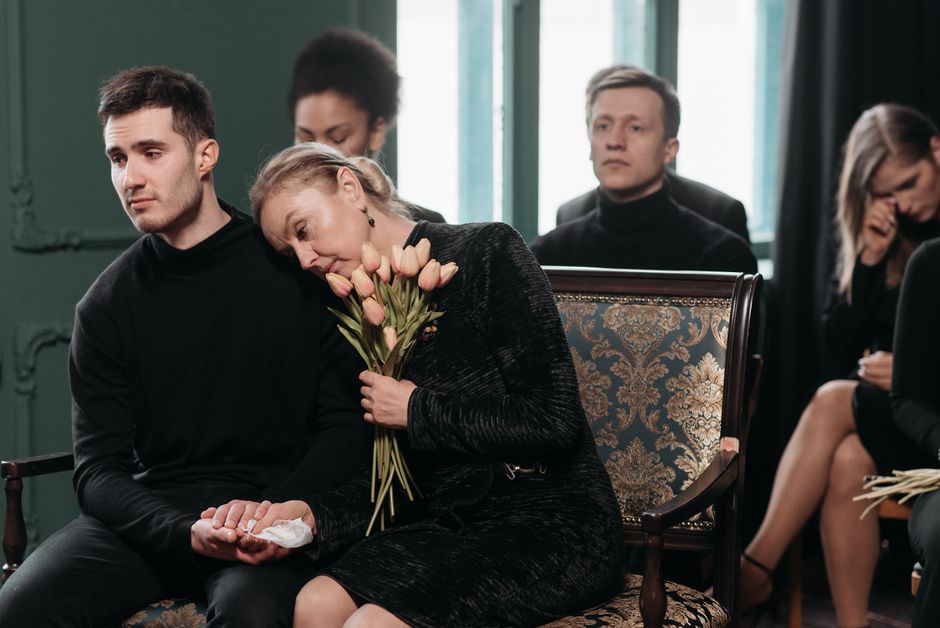
Near the end of the afternoon, a woman sat down next to my teacher friend and began telling the full story of her own husband’s passing. The illness, the hospital, the last night. It went on for several minutes. My teacher friend nodded and nodded and looked at the floor. I could tell the woman thought she was offering comfort. What she was offering was a second funeral for my teacher friend to sit through.
I have done a version of this myself at other funerals. Saying I know exactly how you feel, then explaining why, is not comfort. It shifts the attention to me and asks the grieving person to take care of my feelings.
If you have lost someone too, you can say so in a single sentence and then stop. The rest of the conversation belongs to the person whose loss brought everyone into the room.
I drove home from that funeral and sat in the driveway for a few minutes before going inside. My husband had dinner started and my three kids were loud and sticky and alive, and I was grateful for all of it. I also kept thinking about the comments I had heard that day, and the one I had made.
Here is where I landed. At a funeral, the safest things to say are short and true. I am sorry. I loved your father. I am here if you need anything, and then actually be there. Almost everything beyond that carries a risk of landing wrong, and the person on the receiving end has no room left to absorb it.
I would like to hear from you. What is one thing someone said to you at a funeral that you wish they had kept to themselves?
About the author