Polite Things That Should Be Normal Again
Our oldest came home from school with a worksheet about manners. The teacher asked each family to spend a week noticing polite habits, at home and out in the world, and to write down what they saw. I used to be a teacher myself, so I knew this was a good assignment. I also knew it would turn into a project for the whole house.
I am a stay at home mom to three kids, and my husband gets home in the evening. That same week, I asked readers of this blog which polite habits they wished people still practiced. The replies came in fast. Some were funny. Some were a little sad. All of them matched something I noticed in my own kitchen, at the grocery store, or in the school pickup line.
This post is what I wrote down over that week. Nothing here is fancy. These are small, ordinary habits that used to be normal and could be normal again.
Say thank you with your eyes up
On Monday morning I took my kids to the bakery before school. Our middle one took a bag from the woman at the counter and mumbled thanks while staring at the floor. I asked our middle one to try again and look at the woman. The thank you came out louder and the woman at the counter smiled. It changed the whole exchange. A thank you that is spoken clearly, with eye contact, tells the other person they were seen. A mumbled thank you tells them nothing. The polite habit is simple. Say thank you like you mean it, and look at the person while you say it.
Hold the door for whoever is behind you
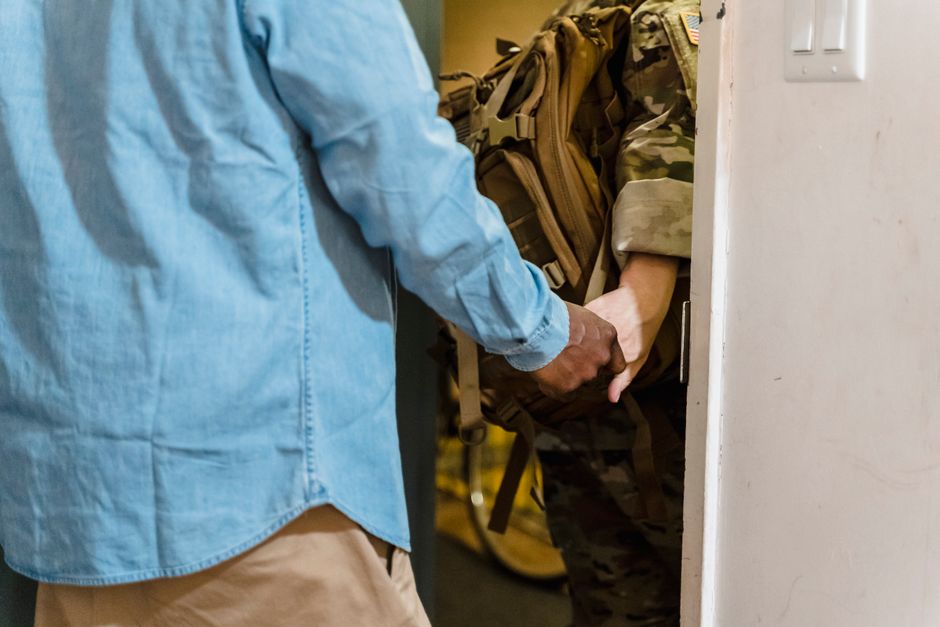
At the library on Monday afternoon, our oldest walked through the main door and let it swing shut. A man with a stroller was right behind. The man caught the door with his elbow. I went back and held it open and the man said thanks. In the car I asked our oldest to look back before letting a door go. Our oldest said nobody looks back anymore. That may be true, but it does not make it right. Holding a door takes a few seconds and costs nothing. The polite habit is to glance behind you at every door and hold it if someone is close.
Let people finish their sentences
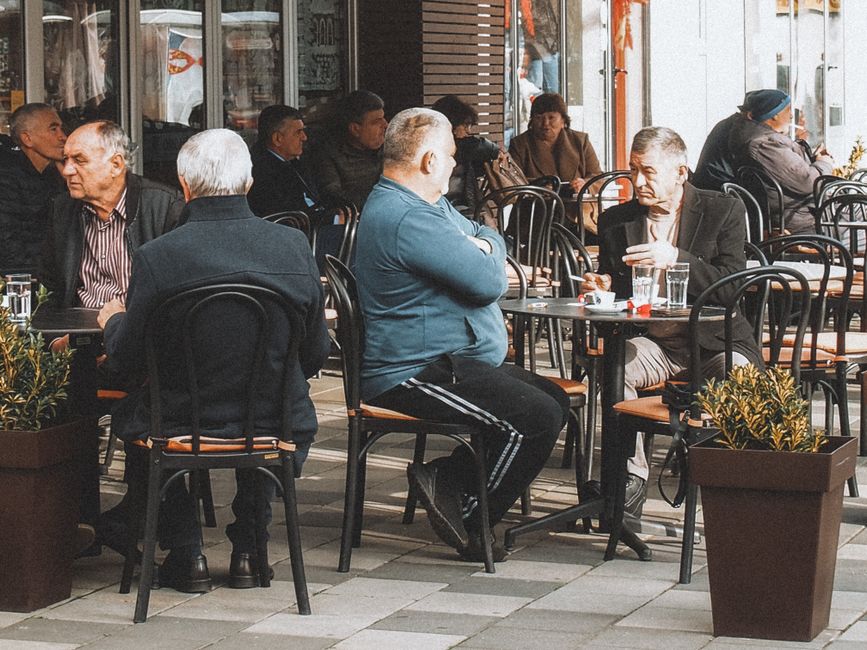
Monday dinner was loud. Our youngest was telling a long story about a bug at recess. Our oldest kept jumping in to correct the details. Our youngest got frustrated and stopped talking. My husband put a hand up and said that our youngest had the floor. The story finished, and it turned out the bug was a beetle, which our oldest had wanted to say all along. The correction could have waited. Letting someone finish is a basic form of respect. It tells the speaker that what they are saying matters. The polite habit is to wait for the end of the sentence before you speak.
Send a text before you call
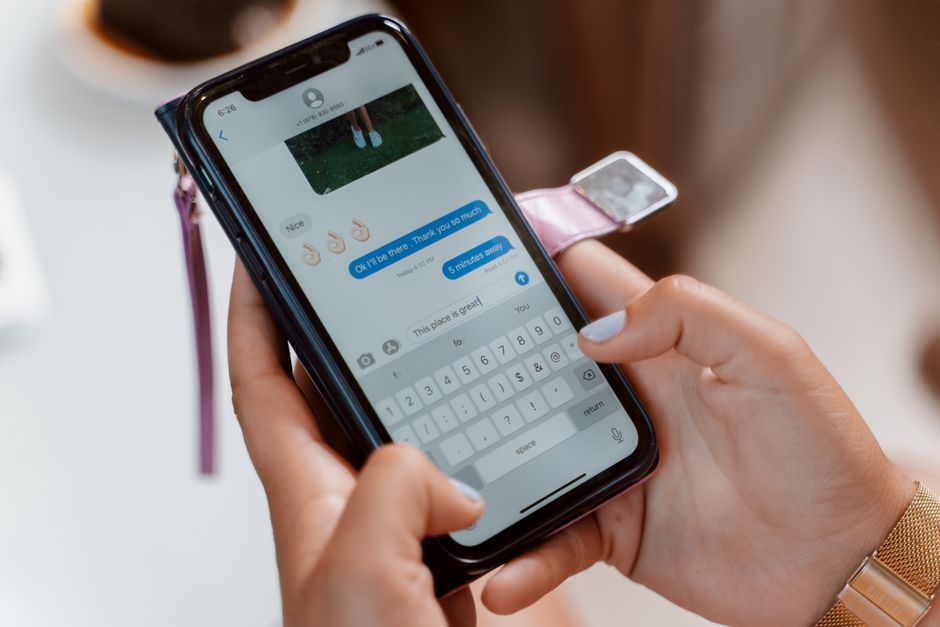
My husband texted me on Tuesday morning from work. The message said, “Okay to call?” I was in the middle of a diaper change and texted back to wait a minute. When I called, I was free to talk. Brenda L., 52, of Toledo, Ohio, wrote to me that this is the habit she wants back most. She said, “A call out of nowhere feels like someone knocking on my door without warning. A quick text first is just good manners now.” I agree. A text gives the other person a choice. The polite habit is to ask before you take someone’s attention with a phone call.
Return what you borrowed
On Tuesday I opened the cupboard and saw my neighbor’s glass casserole dish. It had been sitting there since a potluck weeks earlier. I felt my face get warm. I washed it, set it on the counter, and walked it over that afternoon with a loaf of banana bread inside. My neighbor laughed and said she had forgotten about it. I had not forgotten. I had just put it off. A borrowed thing is a small trust. Returning it quickly keeps that trust easy. The polite habit is to bring back what you borrow before the other person has to ask.
Do not cancel at the last minute
A friend from school cancelled a playdate on Tuesday about an hour before it was supposed to start. Our middle one had been waiting by the window. I understood that things come up, but it stung. Marcus D., 34, of Boise, Idaho, wrote about this. He said, “I plan my whole day around a meetup and then get a text that says sorry, something came up. It happens so often I stopped making plans.” Plans are a promise to someone else’s time. The polite habit is to cancel early if you must cancel, and to only cancel when it truly cannot be helped.
Offer your seat to someone who needs it
Wednesday morning we were in a crowded waiting room at the doctor’s office. An older man came in using a cane and there were no empty chairs. Our oldest stood up without being asked and pointed to the seat. The man thanked our oldest and sat down slowly. I did not say a word. I did not need to. Our oldest had seen me and my husband do this before, and it stuck. A seat is a small thing to give up when you are young and healthy. The polite habit is to look around and offer your chair to anyone who needs it more.
Clean up the mess you made
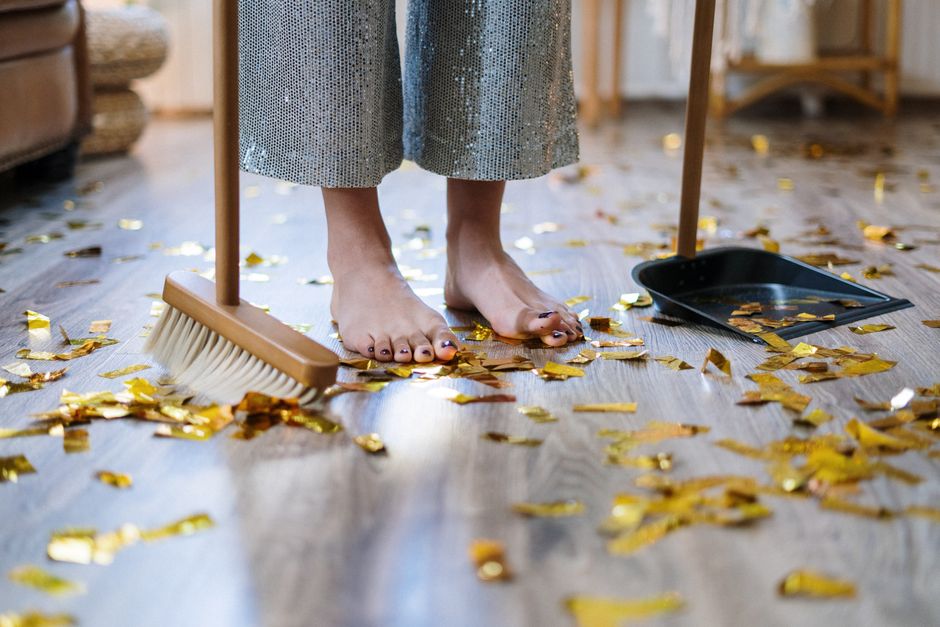
After the doctor on Wednesday, I treated my kids to hot chocolate at a coffee shop. The table next to us had been left covered in napkins, cup lids, and crumbs. The teenager working there came over with a rag and sighed. Before we left, I had my kids stack our cups and wipe the table with a napkin. The worker said thanks and seemed surprised. It should not be a surprise. Nobody is paid to clean up after a family that could have done it in a minute. The polite habit is to leave a shared table the way you found it.
Be kind to the people serving you
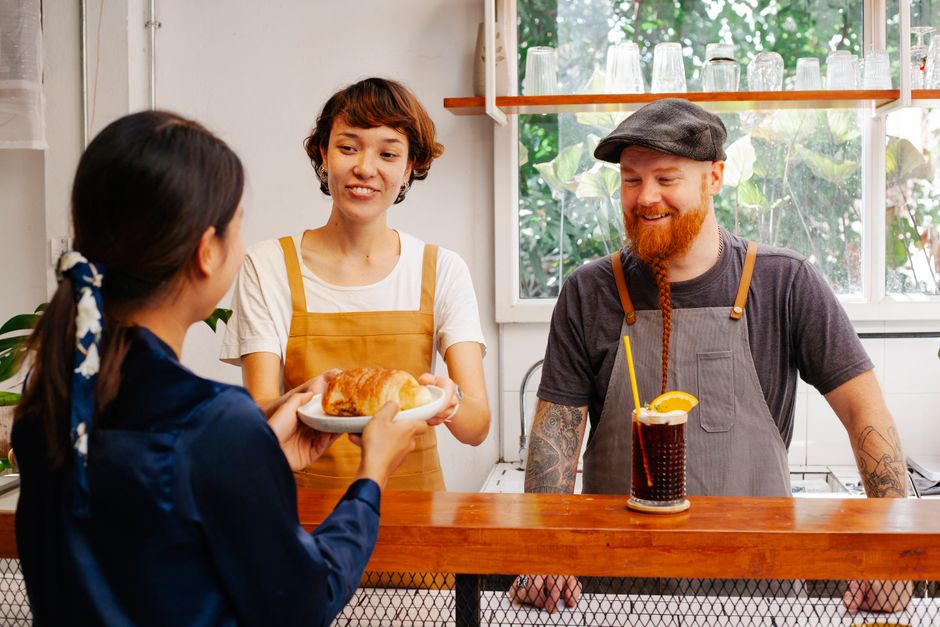
On Friday night we went out for pizza. The server dropped a tray of drinks near our table and looked ready to cry. My husband got up, helped pick up the glasses, and told the server not to worry about it. The server took a breath and said thank you. My kids watched all of this. Later our youngest asked why the server was so upset. I said that some customers yell when that happens. Our youngest thought that was mean. It is mean. The polite habit is to treat anyone who serves you with patience, especially when something goes wrong.
Say excuse me instead of pushing past

At the grocery store on Thursday, a man reached across me to grab a jar of sauce without saying a word. His arm brushed my shoulder. I stepped back and said, “Excuse me,” out loud, and he looked at me like I was the problem. I was not angry. I was just surprised that two small words were too much trouble. My kids were in the cart watching. I told them that we say excuse me every time we need to pass someone, even if that person is in our way. The polite habit is to use your words before you use your elbows.
Write a thank you note after a gift
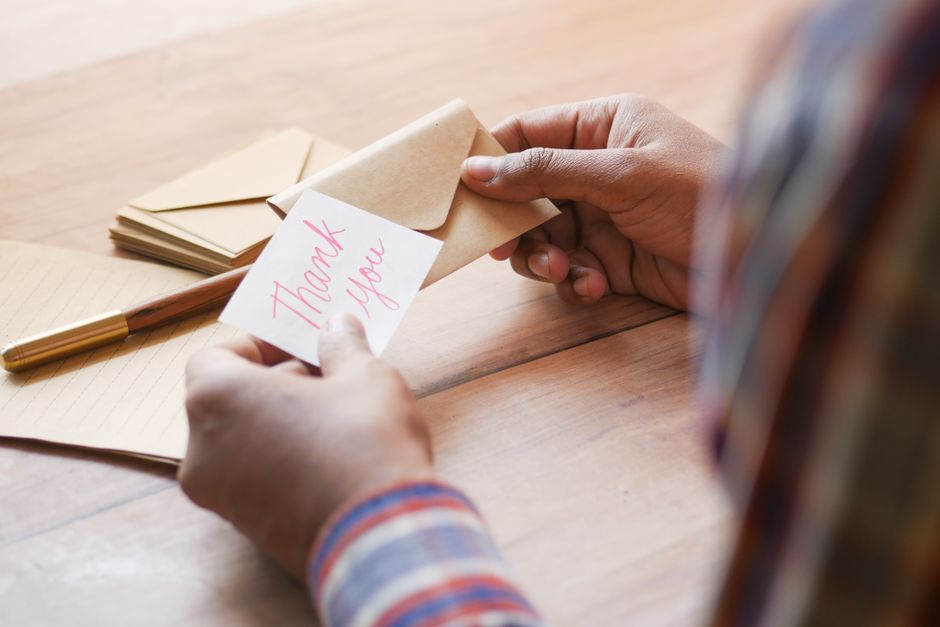
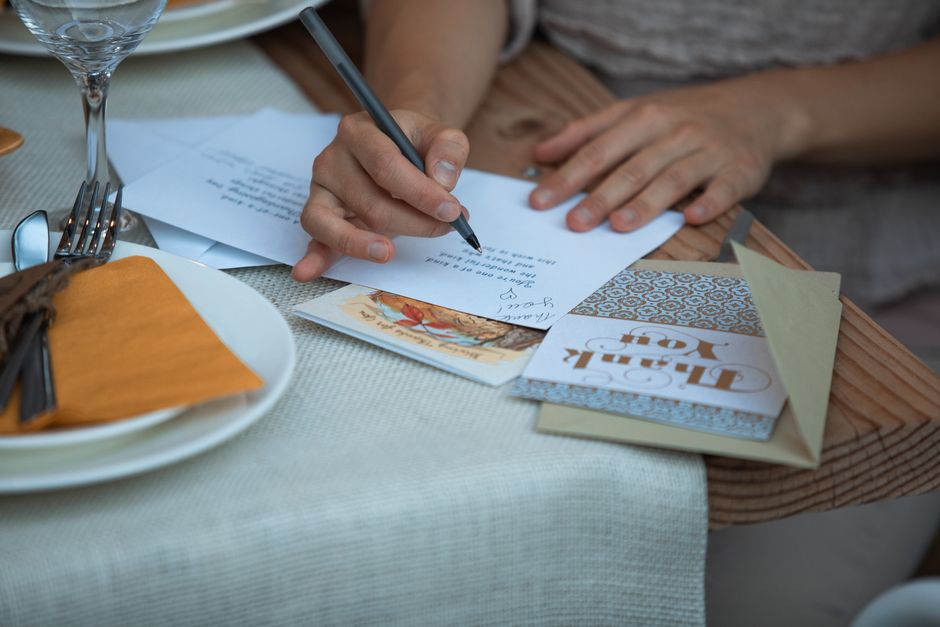
Our middle one had a birthday party a couple of weekends before this manners week. The gifts were opened and the wrapping was long gone. On Thursday afternoon I set out cards and markers and we wrote a short note for every gift. Our middle one groaned at first. By the end, our middle one was adding drawings and asking who else to thank. My mom made me do this as a kid and I hated it, but I have never forgotten the lesson. A note tells the giver that the gift mattered. The polite habit is to say thank you in writing when someone takes the time to give.
Treat other people’s time as valuable
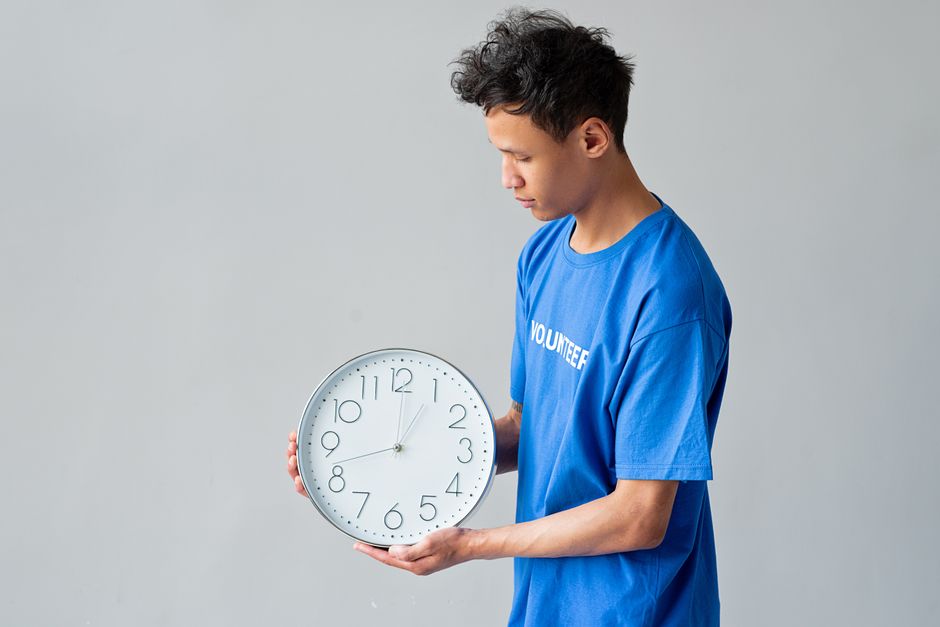
A repair person was supposed to come Thursday morning. The window was all morning. The repair person showed up after lunch with no call and no apology. I had kept my kids home from the park for nothing. Ruth A., 70, of Lancaster, Pennsylvania, wrote to me about this exact thing. She said, “When I was young, being late without calling was an insult. Now it is just Tuesday.” She is right. Time is the only thing none of us can get back. The polite habit is to show up when you said you would, and to call the moment you know you cannot.
Knock before you open a door
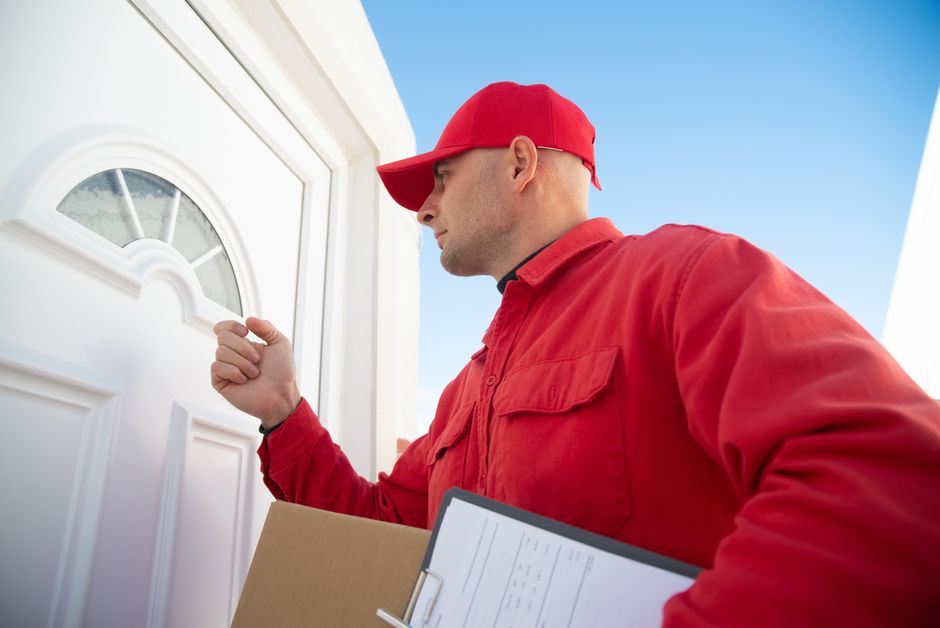
Our youngest walked into the bathroom on Thursday night while our oldest was brushing teeth. Our oldest yelled. Our youngest yelled back. My husband came up the stairs and asked what the house rule was. Our youngest said the rule was to knock. My husband asked if the knock had happened. It had not. This happens weekly at our house with three kids and one bathroom. It is a tiny thing, but it teaches respect for privacy early. A closed door means someone wants a moment alone. The polite habit is to knock, wait, and listen before you turn the handle.
Keep the promise you made

My husband told our oldest on Wednesday that they would build a blanket fort on Saturday. By Saturday morning my husband was tired and the yard needed work. He looked at the leaves outside and then at our oldest. He built the fort. The leaves got raked later. I noticed how closely our oldest watched that choice. Kids remember broken promises far longer than kept ones. So do friends and spouses. A promise is not a maybe. The polite habit is to say what you will do, and then do it, even when it is no longer convenient.
Use please and thank you at home too
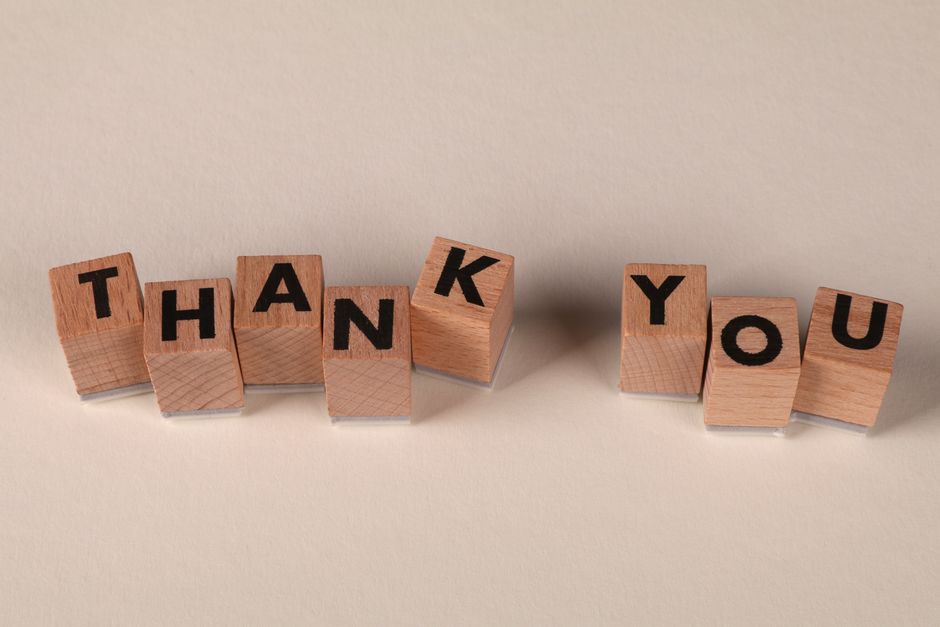
On Thursday our youngest stood by the fridge and said, “Juice.” Not please. Not can I have. Just juice. I waited. Our youngest said it again, louder. I waited some more. Finally our youngest said, “Juice, please,” and I poured it. We teach our kids to use please with strangers, but home is where the habit actually forms. I catch myself skipping please with my husband when I am tired. He catches himself too. The people closest to us deserve the same courtesy as the bakery clerk. The polite habit is to use please and thank you with the people you live with.
Listen without planning your answer
My friend from down the street came over Friday morning for coffee. She was telling me about a hard week at her job. Halfway through, I realized I was already building my reply in my head instead of hearing her. I caught it and put my cup down. I asked her to tell me the part I had missed. She noticed, and she said it felt good to be heard. I used to teach kids to listen with their whole body. I need the reminder myself. The polite habit is to listen all the way through before you decide what you want to say.
Give a compliment you actually mean

A neighbor stopped on the sidewalk Friday and told me the mums on my front steps looked cheerful. It was such a small comment, but it stayed with me all day. The compliment was specific and it was true, and that is why it landed. Empty flattery does not do that. Later I told our middle one that the drawing on the fridge had really good colors, and I meant it. Our middle one lit up. A real compliment costs nothing and can carry someone through a bad afternoon. The polite habit is to say the kind thing out loud when you notice it.
Show up on time
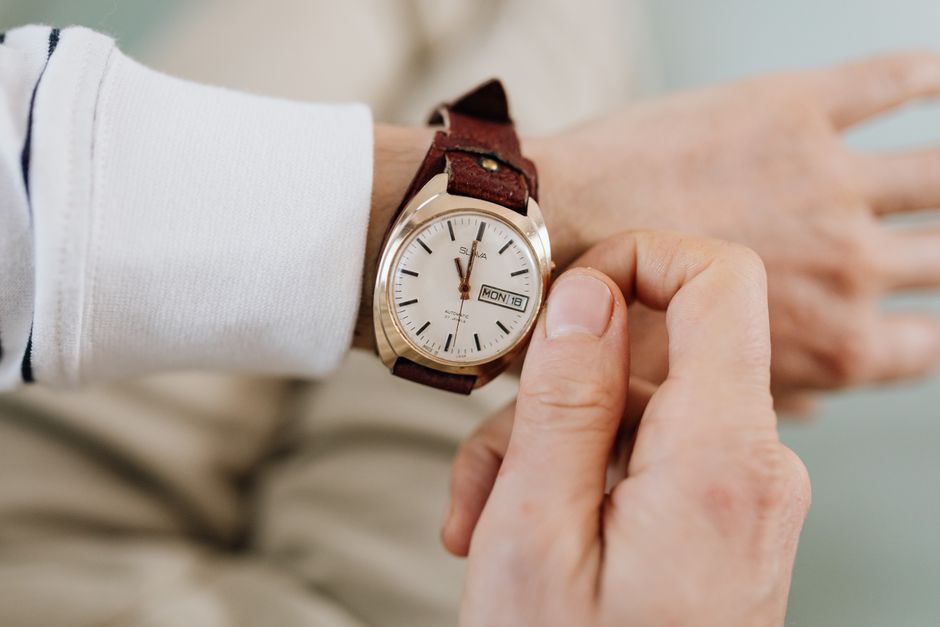
I was late to school pickup on Friday. Not very late, but late enough that our youngest was the last kid standing with the teacher. The teacher was kind about it. Our youngest was not. The ride home was quiet. I used to be the teacher standing with the last kid, and I remember how those minutes felt. Being on time tells people that their waiting matters to you. Being late tells them it does not, even when that is not what you mean. The polite habit is to plan for traffic, lost shoes, and spilled milk, and leave earlier than you think you need to.
Offer help before anyone asks
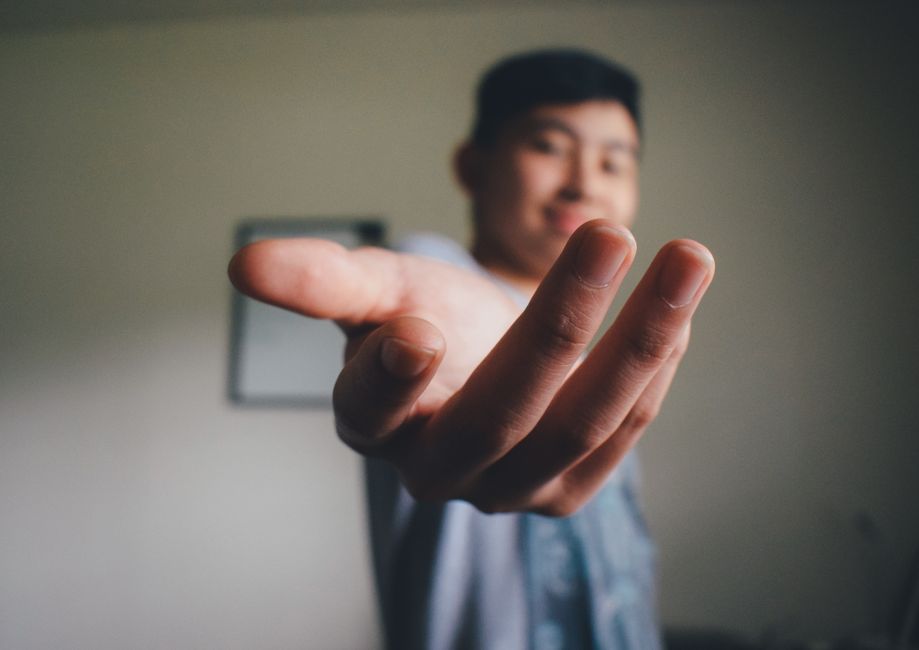
On Saturday morning I saw the woman who lives across the street carrying grocery bags up her front steps. She had a bag in each hand and a box under her arm. My husband was already out the door before I said anything. He carried the box inside and came back. The woman waved from the porch. She had not asked for help, and she probably would not have. Most people will not ask. They will just struggle through it. The polite habit is to notice when someone has their hands full and step in without waiting to be asked.
Give people some room

At the pharmacy on Saturday, the man behind me in line stood so close I could hear him breathing. I stepped forward and he stepped forward too. I finally turned and asked him to give me a little space, and he seemed genuinely confused. I do not think he was trying to be rude. I think he had never thought about it. Personal space is a quiet kind of respect. Standing too close makes people feel crowded and watched. The polite habit is to leave an arm’s length in a line or a waiting room, especially with strangers.
Keep your voice down in shared places

Our middle one got excited at the library on Saturday and started talking at full volume about a dinosaur book. Heads turned. I knelt down and asked for the library voice. Our middle one dropped to a whisper. The same thing happens with adults on the phone in the grocery store, or at a restaurant. Everyone nearby ends up listening to a conversation they did not choose. A quiet voice in public is a small gift to everyone around you. The polite habit is to match your volume to the room, and to assume that other people would rather not hear you.
Put the phone away at the table
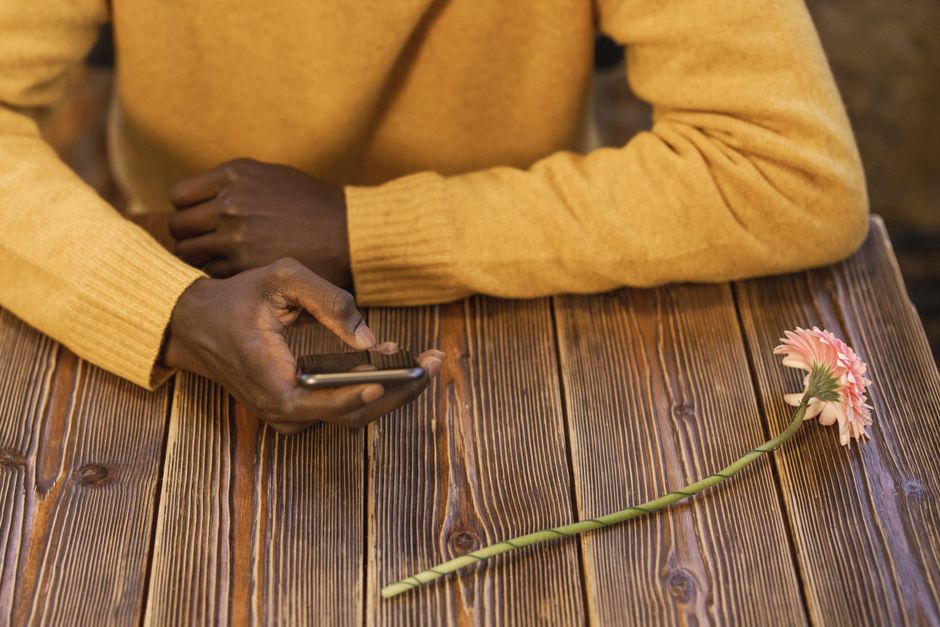
Saturday dinner was tacos, and I had my phone face up next to my plate. It buzzed. I looked. Our oldest said, “You always tell us not to.” Our oldest was right. I put the phone in the other room. My husband leaves his phone in the kitchen drawer during dinner, and I have been worse about it than he is. A phone on the table says that whoever might text is more important than whoever is sitting there. The polite habit is to keep the phone out of sight during meals, for adults and kids alike.
Write so other people can read it
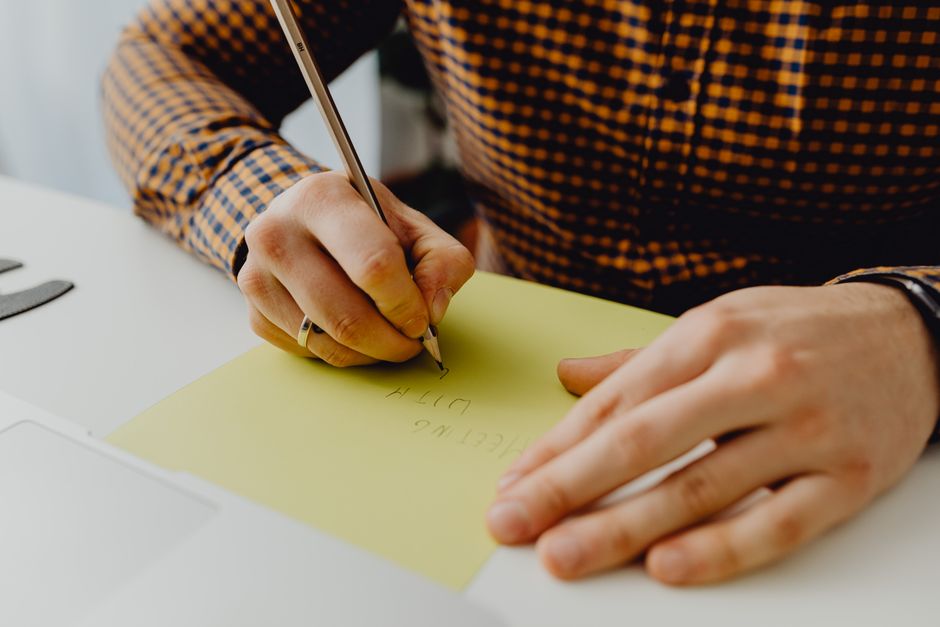
On Sunday I filled out a permission slip for our oldest. My handwriting was a rushed scrawl, and our oldest asked if the teacher would be able to read it. I rewrote it slowly. When I was teaching, I spent many evenings squinting at forms trying to guess a parent’s phone number or a child’s allergy. Legible writing is a courtesy to the person who has to read it. It says you took a moment to make their job easier. The polite habit is to slow down when someone else needs to read what you write, and to print clearly if your cursive is a mess.
Notice the things no one asked for
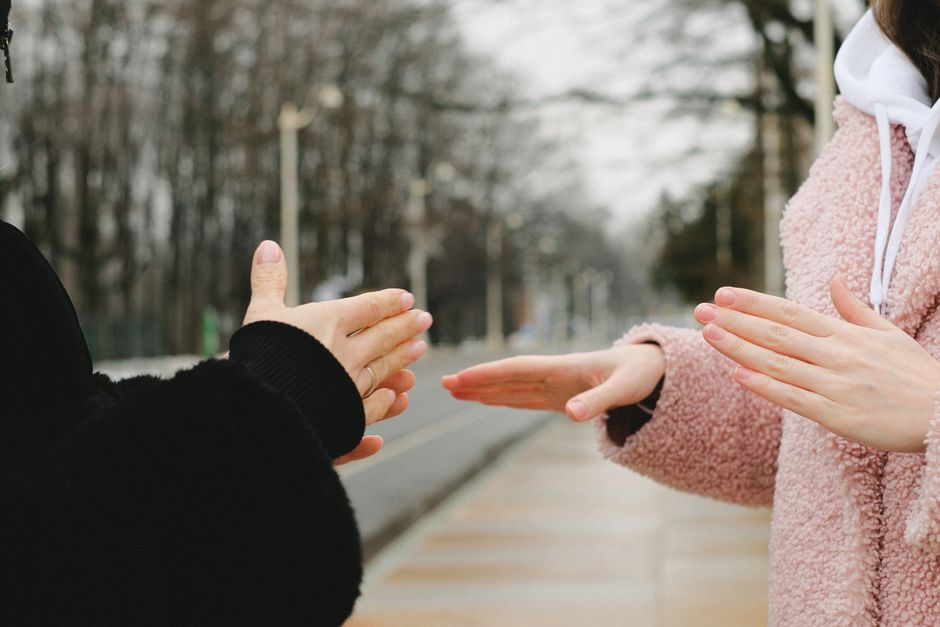
On Sunday morning the coffee was already made when I came downstairs. My husband had done it before heading out for a run. I thanked him when he got back, and he looked a little surprised. It is easy to let the daily kindnesses go unnoticed because they happen every day. Nobody asked for that coffee. Nobody asked our oldest to put the recycling out, either, but it was out by the curb. Gratitude for small things keeps people doing small things. The polite habit is to name the quiet favors out loud instead of letting them blend into the background.
Apologize without adding a but
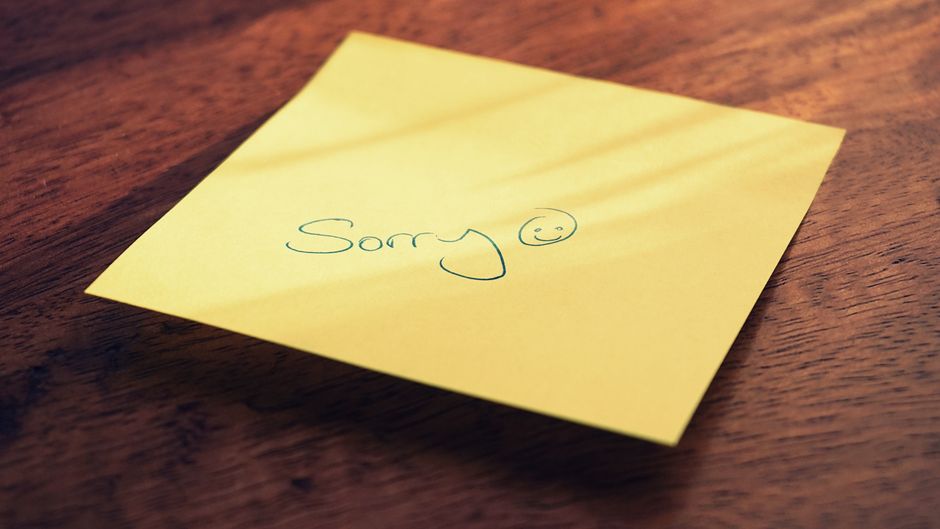
I snapped at our middle one on Sunday afternoon over a spilled cup of water. It was not a big deal, and I was tired. I started to say sorry and then heard myself add, “but you need to be more careful.” I stopped and tried again. I said, “I am sorry I yelled. That was not fair.” Our middle one hugged me. The second version was harder to say and worked much better. A sorry with a but attached is not really an apology. It is a defense. The polite habit is to say what you did wrong and then stop talking.
Skip the gossip
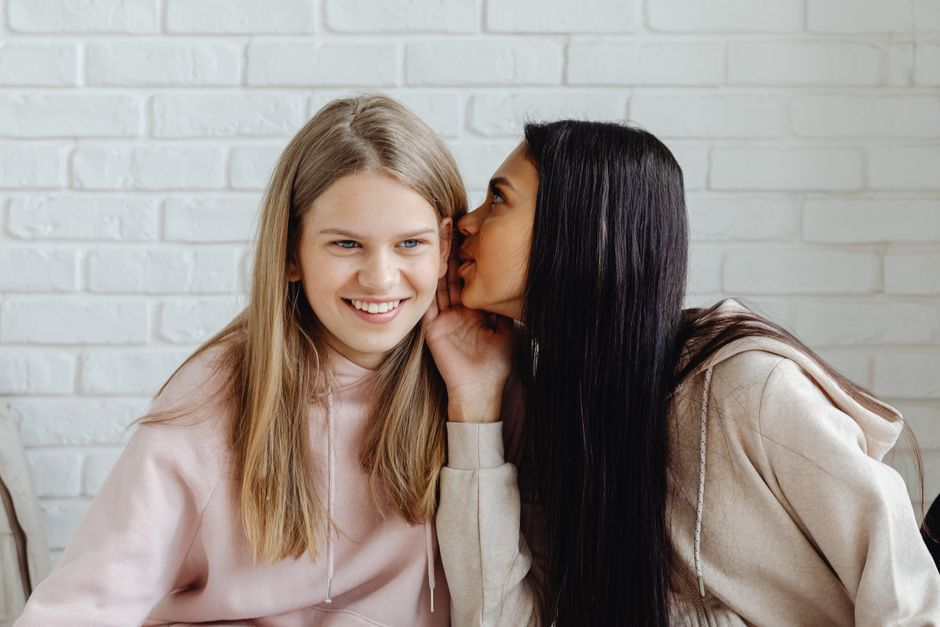
At the park on Sunday, a group of parents near the swings were talking about another mom who was not there. The talk was not kind. I felt the pull to join in, because joining in feels like belonging. I moved over to push our youngest on the swing instead. Later I thought about how I would feel if I were the mom being discussed. Gossip is easy and it spreads fast. It also makes everyone in the circle wonder what gets said about them when they leave. The polite habit is to change the subject or walk away when the talk turns to someone who is not there.
Be courteous on the phone
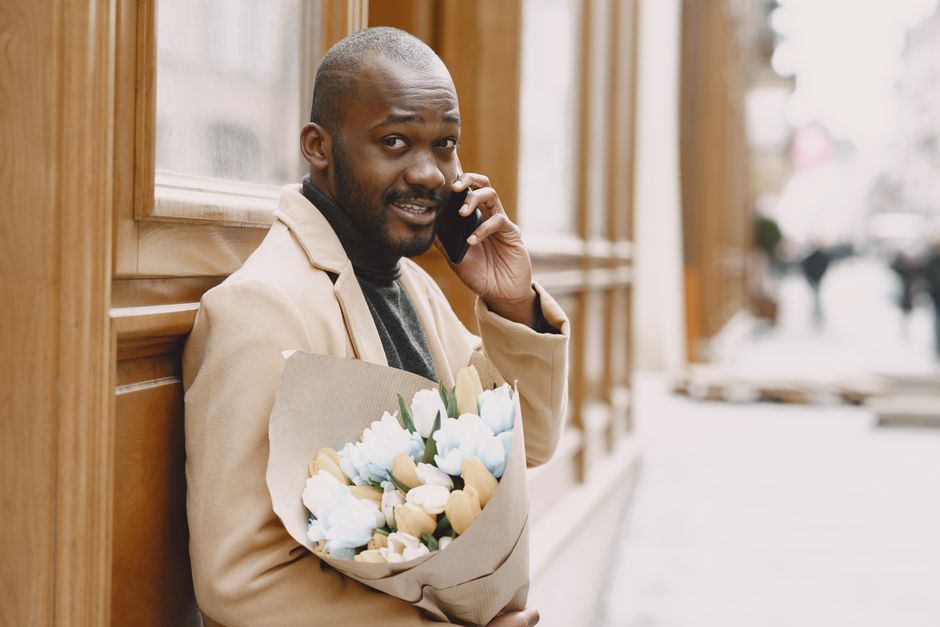
I called the dentist on Monday to move an appointment. My kids were listening in the car. I said hello, gave my name, and said what I needed. The receptionist was friendly right back. Denise W., 45, of Savannah, Georgia, works a front desk and wrote to me about this. She said, “People start barking their demands before I can even say hello. A simple good morning would make my whole shift better.” The person on the other end of the line is a person. The polite habit is to greet them, say who you are, and say please before you ask for anything.
Wish people a good day and mean it
Our mail carrier came up the walk on Monday while I was sweeping the porch. I said good morning and told her to have a good day. She stopped and said thank you, and then said that most people do not even look up. That stuck with me. The phrase has become something people say without thinking, so it means less than it should. Said with a smile and a pause, it still works. It tells someone you noticed them. The polite habit is to actually look at the person and mean the words when you say them.
Use headphones in shared spaces

At the tire shop on Monday, a man in the waiting area was watching videos on his phone with the sound all the way up. Everyone else sat there pretending not to hear it. Jenna P., 29, of Austin, Texas, wrote to me about this exact thing. She said, “I ride the bus every day and at least one person is playing music out loud. Headphones cost less than the coffee they are holding.” Shared air belongs to everyone in the room. The polite habit is to keep your sound to yourself, whether it is a video, a game, or a speakerphone call.
Take only your share
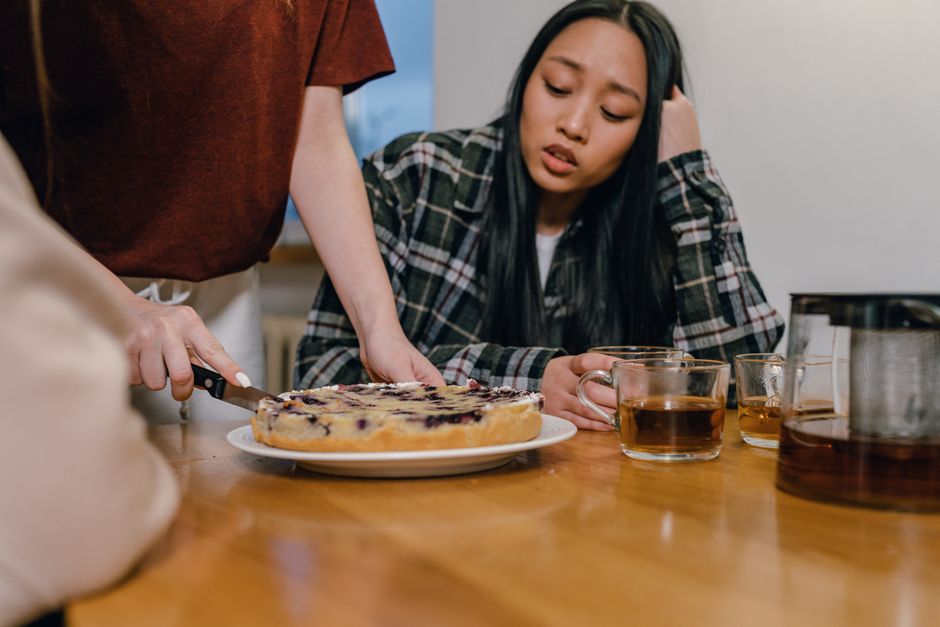
At a school family night on Tuesday, there was a plate of cookies at the door. Our youngest reached for a handful. I caught the hand and said to take just one, because other families were still coming in. Our youngest took a single cookie and looked longingly at the rest. Later, an adult took a stack and wrapped them in a napkin. I did not say anything, but my kids noticed. Fair share is a lesson most of us learned in kindergarten and then forgot. The polite habit is to leave enough for the people who come after you.
Ask before you borrow or use
Our youngest took our oldest’s good markers off the desk on Tuesday without asking. Our oldest found the caps off and dried out, and there was a fight. I sat them both down. Our youngest said the markers were just sitting there. I said that sitting there does not mean available. This comes up between adults too. Someone uses your charger, eats your leftovers, or sits in your usual chair, and it would have been fine if they had asked. Asking takes a second and removes the surprise. The polite habit is to ask permission before you use what belongs to someone else.
Leave shared spaces better than you found them
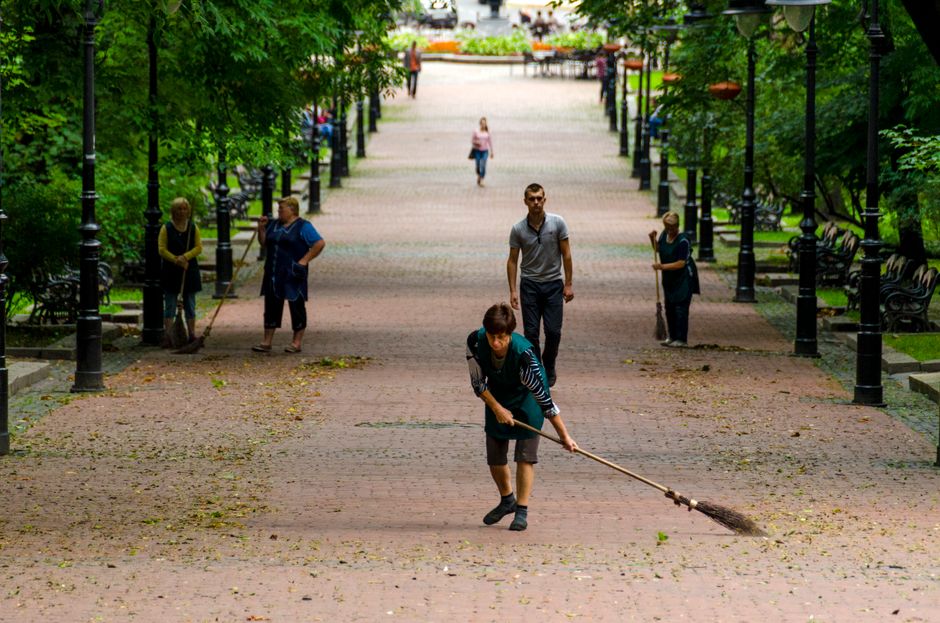
The family night at school ended with chairs everywhere and cups left on the tables. Most families walked out. My husband started folding chairs and stacking them against the wall. A couple of other dads joined. The custodian came in and thanked them, and said it would have taken an extra hour alone. My kids carried cups to the trash. A shared space is everyone’s job, not just the job of the person paid to be there last. The polite habit is to spend a few minutes helping clean up anything you helped use.
Wait if someone is clearly busy
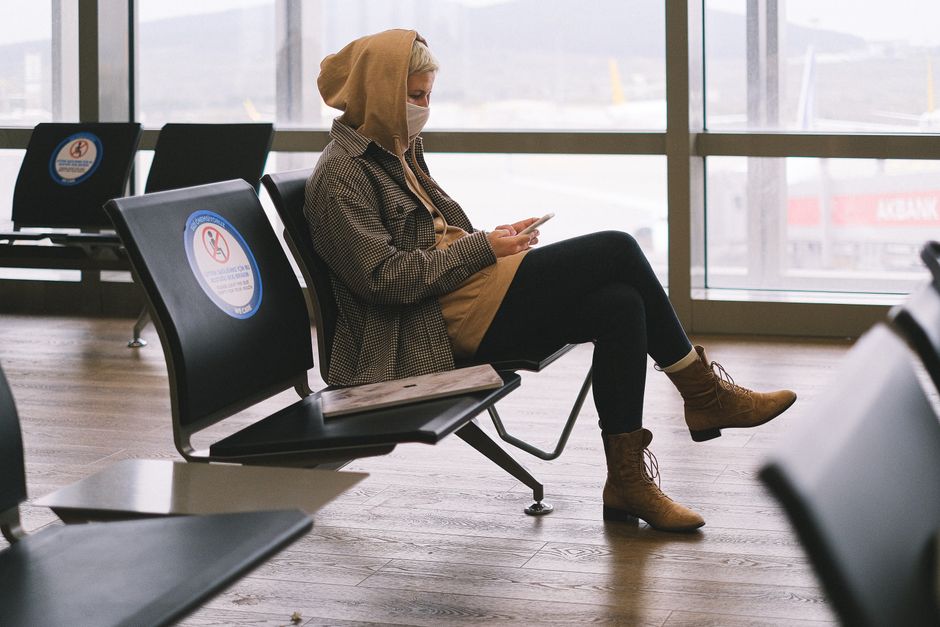
On Wednesday I was on the phone with the pediatrician about a prescription when our middle one came in asking for a snack. Then again. Then again, louder. I covered the phone and asked for a few minutes. Our middle one waited by the door, which was not easy. I have done the same thing to my husband when he is on a work call, so I understand the pull. Interrupting someone who is clearly busy says your need is more urgent than their task. Sometimes it is. Usually it is not. The polite habit is to wait for a pause before you step in.
Respect the ways people differ
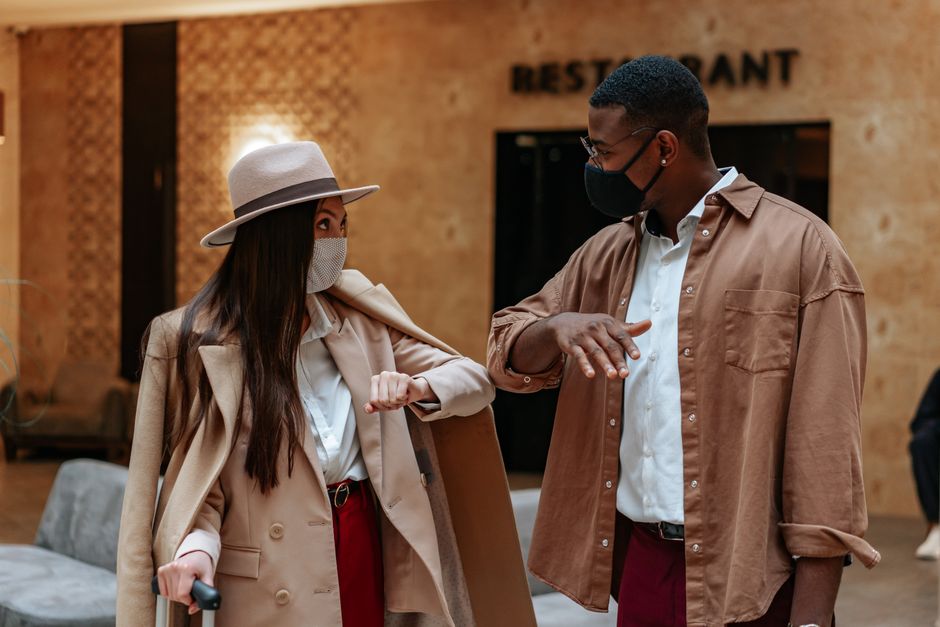
Our oldest’s friend came for dinner on Wednesday. The friend does not eat meat, and I had planned chili. I asked ahead of time and made a bean version on the side. The friend seemed relieved and ate two bowls. Our oldest asked later why the friend eats that way, and I said it was the family’s choice and that it was not ours to question. People have different foods, different holidays, and different ways of doing things. None of that needs commentary. The polite habit is to ask what someone needs, make room for it, and skip the opinions.
Be patient with people who are learning
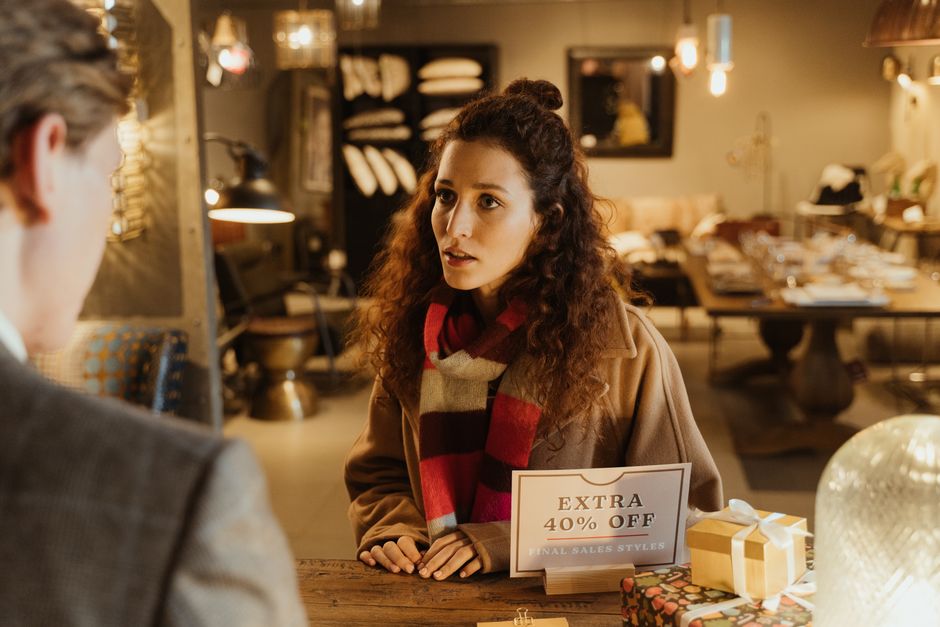
The cashier at the grocery store on Thursday was new. The register kept beeping and the line kept growing. The man behind me sighed loudly and checked his watch. The cashier’s hands started shaking. I told the cashier to take whatever time was needed, and I meant it. Everyone was new at something once. My husband was new at his job. I was a new teacher with a classroom full of kids and no idea what I was doing. Patience is cheap and it changes someone’s whole day. The polite habit is to slow down when another person is clearly trying their best.
Celebrate other people’s good news
A friend called Thursday afternoon to say she got a promotion. I was in the middle of chaos with my kids, and part of me wanted to say congratulations and get off the phone. Instead I sat on the porch step and asked her to tell me the whole story. She talked for a while and I could hear how much it meant to her. It is easy to get quiet when someone else wins, especially when your own week is hard. Someone else’s good news does not take anything from you. The polite habit is to cheer loudly for the people you care about.
Show up to help with the hard jobs
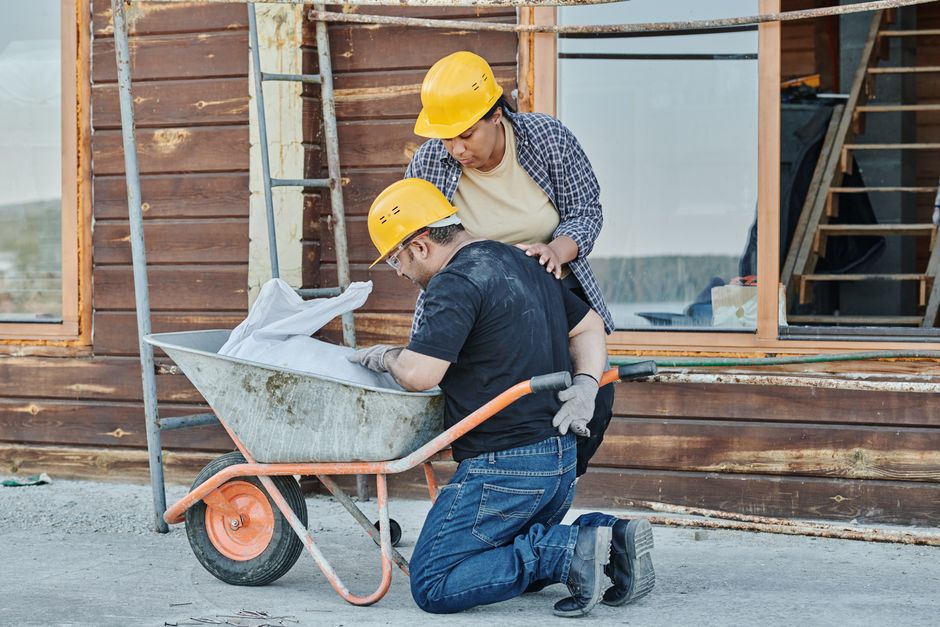
An older man who lives a few houses down was raking leaves alone on Saturday. His yard is big and he moves slowly. My husband took our oldest and two rakes over and they worked for an hour. I brought out hot cider. The man kept saying they did not have to do that. They knew that. That was the point. Lending a hand with a big job is different from a quick favor. It costs time you could have spent on your own list. The polite habit is to notice who is struggling with something heavy and give up part of your afternoon.
Let the other car in

School pickup traffic on Friday was a mess. A car was trying to merge from the side street and nobody was letting it in. My husband was driving and he slowed down and waved. The other driver waved back. Carl S., 61, of Spokane, Washington, wrote to me about this. He said, “Letting someone merge used to be automatic. Now people speed up to close the gap like it is a race. Nobody wins a race to the stoplight.” Traffic is a shared space on wheels. The polite habit is to make room and assume the other driver is just trying to get home too.
Turn off the light when you leave the room
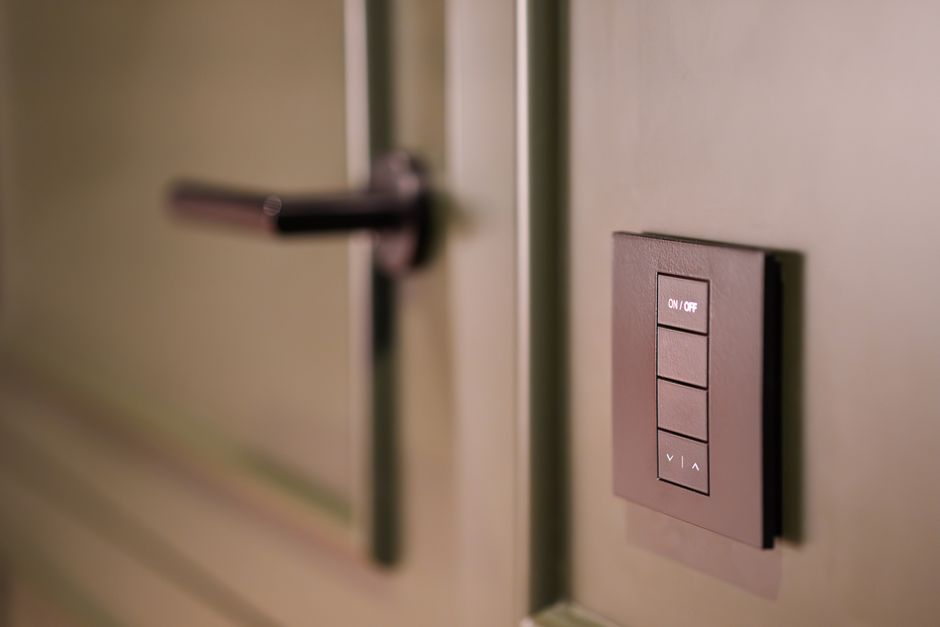
I went upstairs on Saturday night and every bedroom light was on. Every single one. All three kids were downstairs watching a movie. I went room to room flipping switches and then called everyone up for a lesson. Our youngest said the light would just get turned on again later. I said that was not the point. Leaving a light on wastes something, and it leaves the chore for someone else. The same goes for a guest bathroom or a borrowed office. The polite habit is to leave a room the way you found it, lights included.
Treat people the way you want to be treated
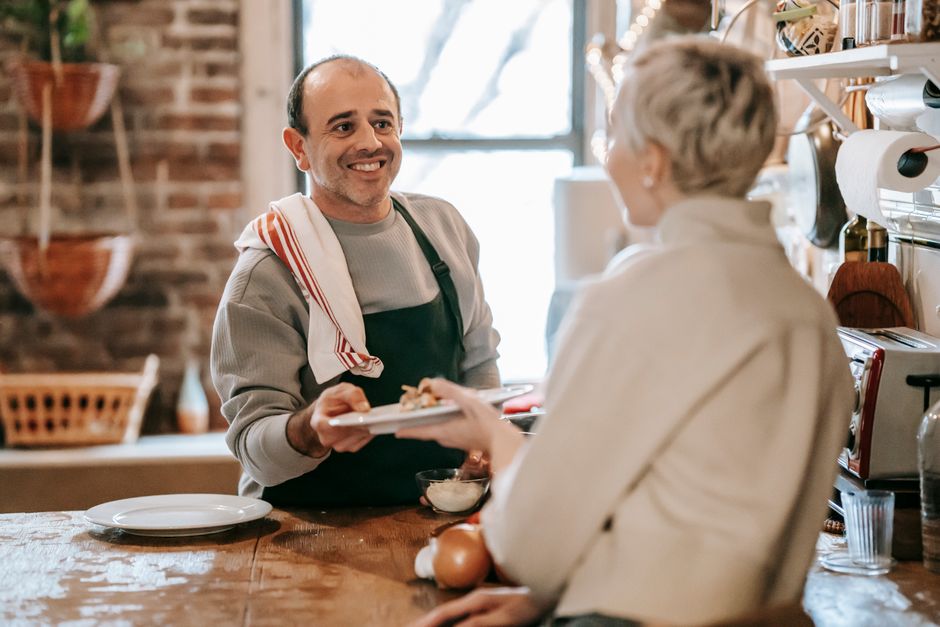
On Sunday night we filled in the last line of the school worksheet together at the kitchen table. The question asked what rule covers all the others. Our oldest wrote that you should treat people how you want to be treated. My husband said that was the whole list in a single sentence. Every habit we noticed that week came back to it. Holding doors, saying thank you, being on time, letting someone merge. Each one is just asking yourself how it would feel on the other side. The polite habit is to picture yourself as the other person before you act.
The worksheet went back to school on Monday, but the habit of noticing stayed with us. My kids now point out when someone holds a door or when someone does not. My husband and I catch each other skipping please. It has been humbling and good.
None of these habits are hard. Most of them take seconds. Put together, they make a kitchen, a school, a store, or a street feel like a kinder place to be. Small acts of kindness really do add up. I would like to bring politeness back, in my house first and then everywhere else.
Which of these polite habits do you miss the most?
About the author