Powerful Sentences I Wish I Had Read Sooner in Life
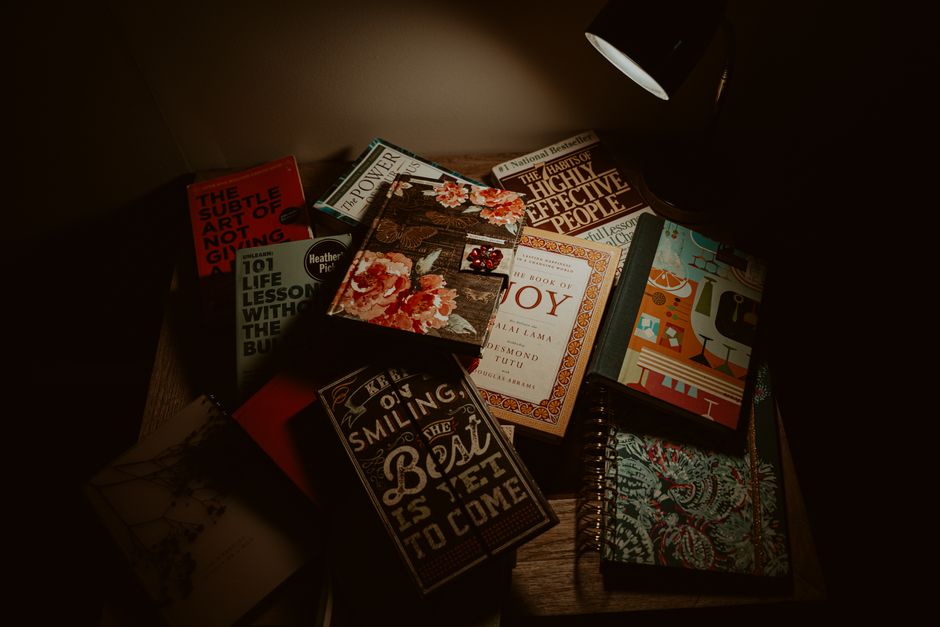
Last weekend it rained from Friday night straight through Sunday. My husband was home. My three kids were restless. I decided to finally clear out the hall closet, the one where everything with no other place ends up. Near the bottom, under a bag of outgrown coats, I found a stack of old notebooks.
Some of the notebooks were from my teaching years. Some were from the early baby years, when I wrote things down at the kitchen table at odd hours. In the margins, I had copied sentences that stopped me when I first heard them or read them. A few of the sentences came from books. Most came from older women in my life who said them in passing.
I read through the notebooks a little at a time over the whole rainy weekend, between loads of laundry and snack requests. These are the sentences that held up. I wish I had taken every one of them seriously sooner. Each one is paired with what was happening in my house when I read it again.
Nobody is thinking about you as much as you think they are

On Friday night, I sat on the hall floor with the first old notebook open on my lap. The first sentence I found was written in my own handwriting from my first year of teaching. I remember the week I wrote it. I had stumbled over my words during a parent meeting and spent days replaying the moment. A veteran teacher down the hall told me that nobody in that room remembered it by lunchtime. She was right. The parents had their own worries. Reading the line again on the closet floor, I thought about how much energy I still spend on what other moms at pickup might think of me. The honest answer is that those moms are thinking about their own kids and their own dinner plans. Most people are busy with their own lives. That is a relief, not an insult.
The house does not have to be clean for people to come over

On Saturday morning, a neighbor texted and asked if she could stop by with a bag of hand me downs. The hall closet was emptied onto the floor. The living room had a blanket fort in it. My first instinct was to say another day would be better. Then I read a line in one of the old notebooks from the first year home with a newborn. A friend had written it on a card. She said she did not come to see my floors, she came to see me. I told the neighbor to come on over. She stepped around the coat pile and sat on the arm of the couch and we talked for an hour. The mess did not come up once. Waiting for a clean house means waiting a long time between visits.
A short walk fixes more than you expect

By Saturday afternoon, the rain let up for about twenty minutes. My kids had been inside too long and so had I. Everyone was snapping at everyone. I almost pushed through and kept sorting the closet. Instead, I remembered a sentence from the notebook I kept during the toddler years. My mom had said it over the phone during a hard week. She told me to put the kids in rain boots and walk to the corner and back, no matter how pointless it felt. So we did. The oldest ran ahead. The youngest stomped in every puddle. We were gone less than a quarter of an hour. When we came back inside, the mood of the whole house had changed. The closet was still a mess, but nobody was crying. Moving the body changes the mood faster than talking about the mood does.
You can love someone and still need a break from them
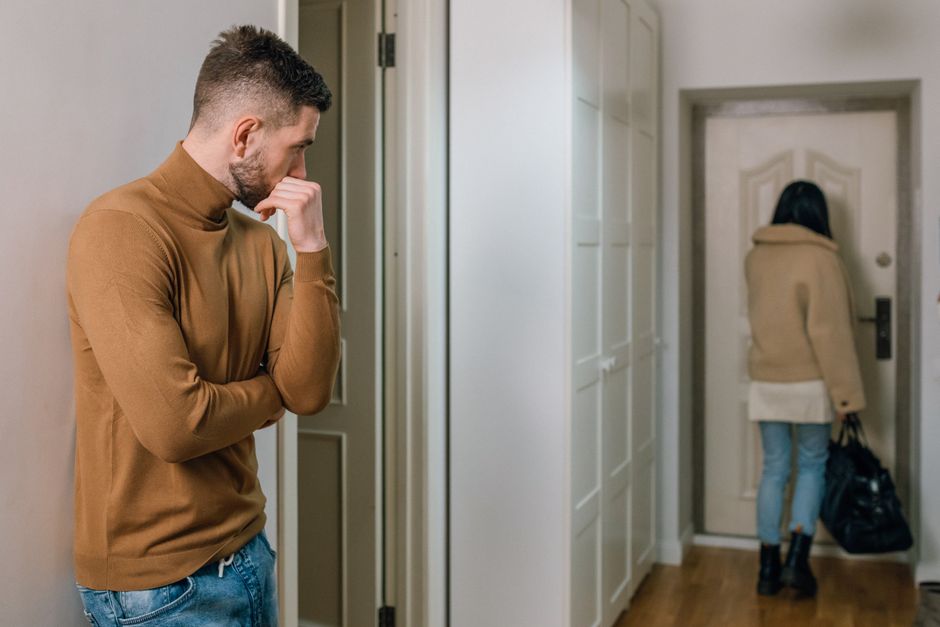
On Saturday evening, my husband took all of the kids to the grocery store so I could have the house to myself for a bit. I sat at the kitchen table with a notebook from the newborn stage. One page had a single sentence on it. A friend who had been married much longer than me said it when I confessed that I sometimes wanted everyone, including my husband, to leave the house. She told me that needing space is not the same as not loving people. I had felt so guilty about wanting a quiet hour. Reading the line again, with the house silent, I did not feel guilty at all. I felt grateful for the quiet, and I was glad when the car pulled back in. Wanting time alone does not mean something is wrong with the marriage or the family.
Most arguments are about being tired, not about the subject

Late on Saturday night, my husband and I had a short, sharp exchange about who was supposed to run the dishwasher. It was a silly thing to argue about. After the kids were in bed, I went back to the notebooks and found a sentence I had copied from a marriage book years ago. The author said that most couples argue about chores when the real problem is that both people are worn out. I thought about the fight. My husband had worked all week. I had been on the closet floor all day. Neither of us cared about the dishwasher. We both wanted to sit down. I went and found my husband and said that out loud. The argument ended there. When a small thing feels huge, the first question to ask is whether everyone has slept.
Say the kind thought out loud before it passes

On Sunday morning, our middle one set the table without being asked. I noticed it and thought it was sweet, and then I went back to folding coats from the closet. A few minutes later, I opened a notebook from my teaching years and found a line a mentor had told me. She said that a kind thought that stays in your head does nothing for the other person. I put down the coat and went into the kitchen. I told our middle one that I saw the table and that it helped me. The look on that child’s face was worth more than any finished closet. I have lost count of the nice things I have thought about my husband and never said. Noticing is not the same as telling. The telling is the part that matters.
Done is better than perfect

By Sunday midday, the closet sorting had slowed down because I kept wanting to find the exact right bin for every category. Winter hats needed their own container. Scarves needed another. I was making a project out of a chore. Then I found a notebook page from my last year of teaching. I had written down a sentence from a department head who watched me redo a bulletin board three times. She told me that finished and useful beats beautiful and unfinished every single time. I stopped looking for matching bins. I put the hats and scarves together in one basket and called it good. The closet is not pretty. The closet is usable. My kids can find a hat. That was the whole point.
Children remember the tone more than the words
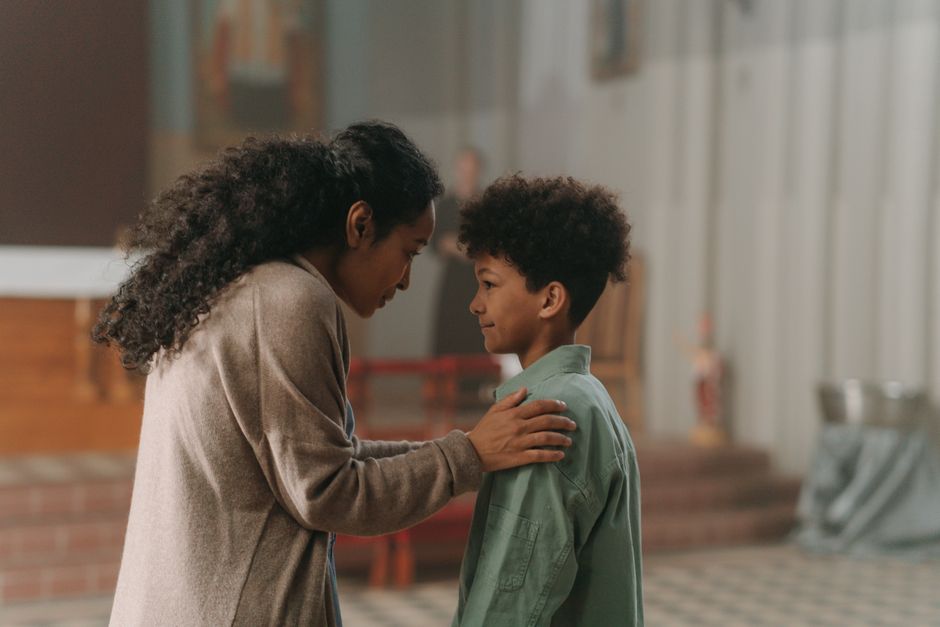
On Sunday afternoon, our youngest spilled a full cup of juice across the kitchen floor while I was carrying a box out of the closet. I said something sharp. The words were not terrible, but the tone was. Later, sitting with a notebook from the early years, I found a line my mom had told me when the oldest was a baby. She said that children forget most of what parents say but carry how it felt to hear it. I went and found our youngest, who was still a little quiet. I said I was sorry for being short. The spill was already cleaned up. The tone was what needed fixing. I cannot control every word that comes out on a long day. I can go back and repair the feeling.
Rest is part of the work, not a reward for it
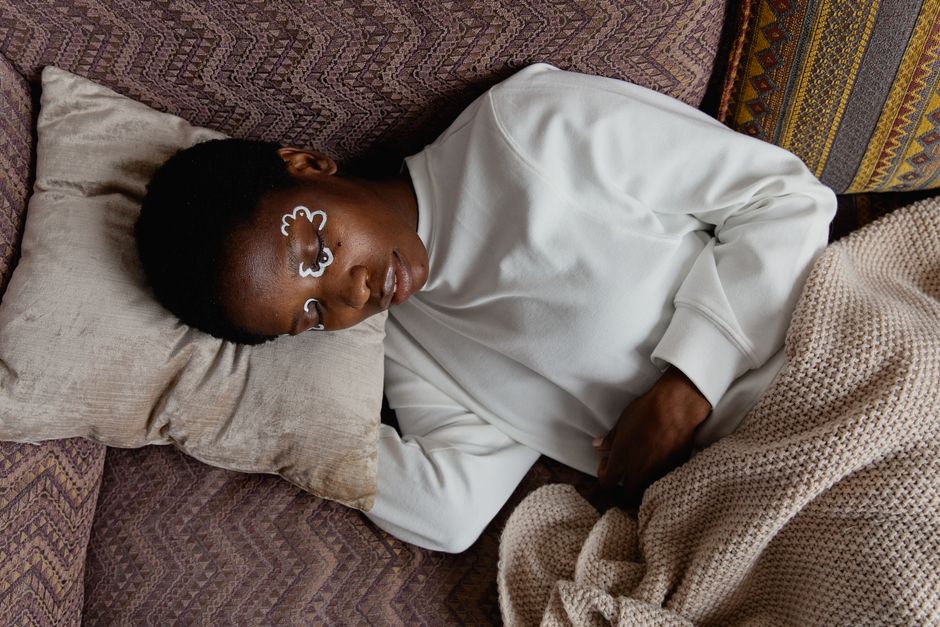
On Sunday evening, I wanted to finish the closet before bed so I could say the weekend had produced something. My back hurt. I was cranky. I sat down on the floor to take a break and opened the notebook from the newborn stage. A sentence on the first page stopped me. A nurse at the hospital had said it when I asked how I would ever get everything done. She told me that sleep and rest are not what you earn after the work. They are what makes the work possible. I closed the closet door with half of the coats still on the floor. I went to bed early. On Monday morning, I finished the last of it in under an hour with a clear head. Pushing through tired is slower than resting first.
The right friend shows up, not the one who says the right thing

While sorting the closet on Saturday, I found a stack of old cards tucked into one notebook. One card was from a friend who came over during a hard stretch after our youngest was born. She did not say anything wise. She brought a casserole and held the baby so I could shower. I had written under the card that showing up mattered more than any advice. Another card was from someone who sent a long, thoughtful message during the same stretch but never came by. I appreciated the message. I remember the casserole. Reading both cards again, I thought about which kind of friend I have been lately. I have sent a lot of messages. I have not shown up much. Words from far away help. A body in the doorway helps more.
You do not have to answer right away

On Saturday afternoon, between sorting coats, my phone buzzed with a group text asking if I could help with a school event. I started typing yes before I had even thought about the week. Then I set the phone down and went back to a notebook from my teaching years. There was a sentence from a principal I respected. She said that a request is not an emergency, and a pause is not a refusal. I had copied it after saying yes to one too many committees. I picked the phone back up and wrote that I would check the calendar and reply by Monday. Nobody minded. On Monday I said yes to a smaller job than the one I almost took. A short pause saves a lot of regret.
Small habits beat big plans
On Friday night, I found a notebook from the first winter home with all of the kids. In the front, I had written a huge list of household goals for the year. Meal plans for every week. A full cleaning schedule. Daily reading with each child. Almost none of it happened. On the last page, I had written a sentence a friend told me when I complained about the failed list. She said that the only plan that works is the one small enough to do on a bad day. That winter I dropped the list and started doing one single thing, which was clearing the table after dinner every night. That habit is still going. The big list is gone. One small thing repeated beats a long list abandoned.
Apologize without adding an explanation

On Sunday, after the sharp words over the juice, I went to say sorry to our youngest. I caught myself about to add a reason. I was carrying a heavy box. I was tired. The floor was already messy. Before I spoke, I thought of a line from one of the notebooks that I had read that morning. A friend had told me after a disagreement that an apology with a reason attached sounds like an excuse to the person hearing it. So I left the reasons out. I said I was sorry for how I spoke, and that was all. Our youngest hugged me and went back to playing. The reasons would have made me feel better, not my child. A clean apology lands. A padded one does not.
Hard phases end even when the end is not in sight
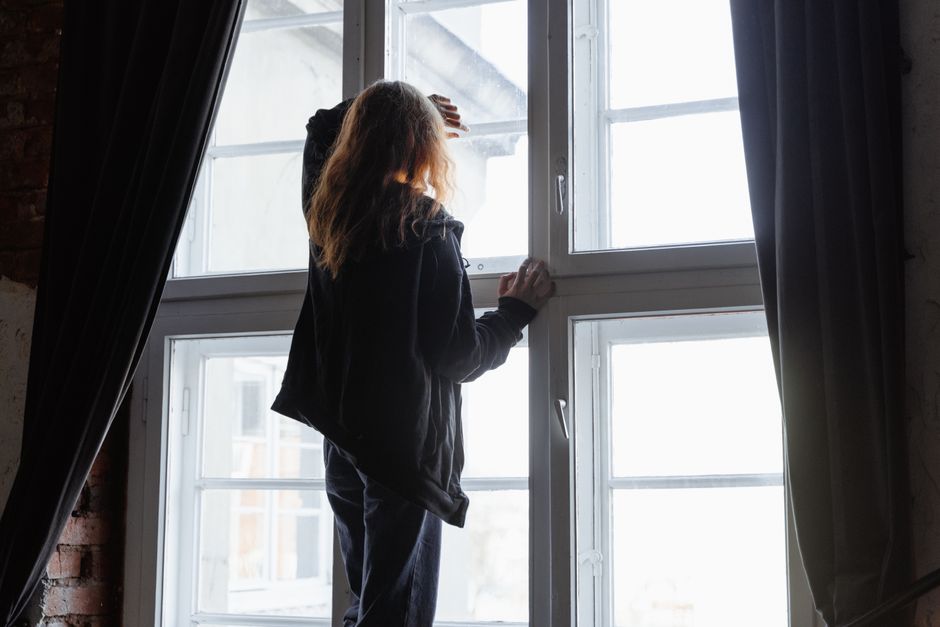
On Saturday night, I read a page from the notebook I kept when our youngest was waking up several times a night. The page was mostly complaints. At the bottom, in different ink, I had written a sentence my mom said during one of those weeks. She told me that the phase would end whether or not I could picture it ending. I did not believe her at the time. Sitting on the hall floor years later, with all of my kids asleep through the night, I believed her completely. I thought about the current hard thing in our house, which is homework battles with the oldest. I cannot see the end of that either. That does not mean there is no end. Most phases pass. The job is to get through the middle.
Paying for help is not the same as failing

While clearing the closet, I found a notebook page from the year I tried to do absolutely everything myself. I would not accept a meal train. I would not let my husband hire someone to clean once a month. I thought asking for or paying for help meant I was not managing. On the page, I had copied something an older neighbor said when she saw me struggling with groceries and a baby. She said that nobody gets an award for doing it all alone. That same year, we finally let a teenager from the neighborhood come fold laundry a few afternoons. It changed the whole mood of the house. Reading the line again, I wondered what I am still doing alone out of pride. Help is a tool, not a verdict.
Ask for help before things fall apart

On Sunday morning, I looked at a notebook from a stretch when I waited until I was in tears to tell my husband I needed support. I had written down what my husband said that night. He said that he would have helped sooner if he had known sooner. That stuck with me. I had assumed that needing help should be obvious. It was not obvious to anyone but me. Now, on the rainy weekend, I was starting to feel the closet job getting bigger than I wanted. So I asked my husband to take the kids out before I got to the breaking point instead of after. That is why the Saturday evening quiet happened. Asking early feels awkward. Asking late feels like a crisis. Early is better.
People can only meet you where they are

On Saturday, I found a page with a sentence from a friend who listened to me complain about a relative. I had wanted that relative to be warmer, more involved, more interested in my kids. My friend said that I kept asking someone for something that person did not have to give. It sounded cold at first. It turned out to be freeing. I stopped waiting for a different version of that relative and started appreciating the small things the relative actually did. Reading the line again on the hall floor, I thought about one or two people I am still hoping will change. They probably will not. I can stay close to them anyway. Expecting people to be who they are costs a lot less than expecting them to be who I want.
Eating lunch is not optional

On Saturday, I realized at three in the afternoon that I had not eaten anything since breakfast. I had fed all of my kids. I had made coffee. I had forgotten myself. I was dizzy and irritable and blamed it on the closet. Then I opened a notebook from the baby years and saw a sentence from a doctor at one of my own appointments. She said that skipping meals does not save time, it just moves the cost to later in the day. I made a sandwich and sat down. Within half an hour, the closet felt manageable again. Nothing about the closet had changed. I had changed. The mood of the house often follows my blood sugar more closely than I want to admit.
Compare today to your own yesterday, not to a stranger’s photo
On Sunday night, I scrolled through my phone for a few minutes while taking a break from the coat pile. I saw a photo of a closet that someone had turned into a perfectly labeled, color sorted space. My closet was a basket of mixed hats and a pile on the floor. I felt bad for about a minute. Then I remembered a sentence I had read in a notebook earlier that day. A friend had told me, during the early blog days, to measure my progress against my own last week and nobody else. My closet on Sunday night was a lot better than my closet on Friday morning. That is the only comparison that is fair. Other people’s photos leave out the parts that look like mine.
Teach the chore even when doing it alone is faster
On Saturday, our oldest offered to help sort the coats. My first thought was that it would take twice as long with help. I almost said no. Then I thought of a line I had written in a notebook during the toddler years, from a woman at church who raised several children. She said that every time a parent does the job alone to save time, the parent signs up to do that job alone forever. I handed our oldest the stack of outgrown coats and showed how to check the sizes. It did take longer. Our oldest also now knows how to sort coats, and next fall I will have help. Teaching costs time once. Doing it alone costs time every single time.
Keep one small promise to yourself every day
On Friday night, I found a notebook where I had tracked a promise to myself to drink a glass of water before coffee each morning. It was such a small thing. Next to it, I had written a sentence from a book about habits. The author said that trust in yourself is built the same way trust in anyone else is built, by keeping small promises over and over. I had kept the water promise for months and it made me believe I could keep other promises too. Somewhere in the last couple of years, I stopped. On Saturday morning, I drank the water first. It felt a little silly. It also felt good to do what I said I would do. Trusting myself starts with small things done on purpose.
Listen to the whole story before trying to fix it

On Sunday afternoon, our middle one came to me upset about a friend at school. I was elbow deep in the closet and jumped straight to solutions. Talk to the teacher. Find a different friend. Our middle one got quieter and walked away. Later I read a line in a teaching notebook that a school counselor had told me. She said that kids stop talking the moment the adult starts fixing. I put down the coat I was holding and went to find our middle one. This time I just asked what happened and then stayed quiet. The whole story came out. Most of it did not need solving. It needed hearing. My husband has told me the same thing about himself more than once. Hearing is a complete action on its own.
You can be grateful and still want things to change

In one of the baby year notebooks, I found a page where I had written a long paragraph about feeling guilty for wanting more sleep and more quiet when I had healthy kids and a good husband. Under it was a sentence from an older mom at a playgroup. She said that gratitude and wanting change are not opposites and can live in the same person on the same day. I had believed that wanting anything different meant I was ungrateful. Reading the page again on the hall floor, I felt the same split. I love this house and this family. I also want the mornings to be less chaotic. Both are true. Being thankful does not require pretending everything is fine. It only requires noticing what is good while working on the rest.
The way you talk to yourself teaches your kids how to talk to themselves
On Saturday, I dropped a box of hats and said out loud that I was so stupid. Our youngest was right there and repeated the word. Later, in a teaching notebook, I found a sentence from a reading specialist who worked with struggling students. She said that children borrow the voice they hear adults use on themselves. I had copied it because of a student, not because of me. Hearing our youngest repeat my own harsh word made it personal. That night I tried to catch myself. When I spilled coffee, I said that was annoying instead of calling myself a name. It feels small. My kids are listening to how I treat myself, not just how I treat them.
Write it down because you will forget

The last thing I did on Sunday night, before closing the half finished closet, was to pull out a clean notebook from the stack. On the first page I wrote the date and the sentence that started all of these notebooks in the first place. A teacher I worked with early on told me that memory is not as reliable as a pencil. I thought I would remember every sweet thing my kids said and every lesson I learned the hard way. I did not. The old notebooks proved that. Without them, this whole rainy weekend would have been just a closet. Writing things down takes a minute. Forgetting them takes no effort at all. The notebook is the only reason any of these sentences survived.
The closet got finished on Monday morning. The notebooks did not go back in it. They are on a shelf in the kitchen now, where I can reach them. I have been reading one page a day with my coffee and the glass of water that comes before it.
None of these sentences are new. Most of them are things everyone has heard. The difference is that I finally read them at a moment when I was ready to take them seriously. That is probably the only way wisdom ever works. It waits until you are ready.
Which sentence do you wish you had taken seriously sooner?
About the author