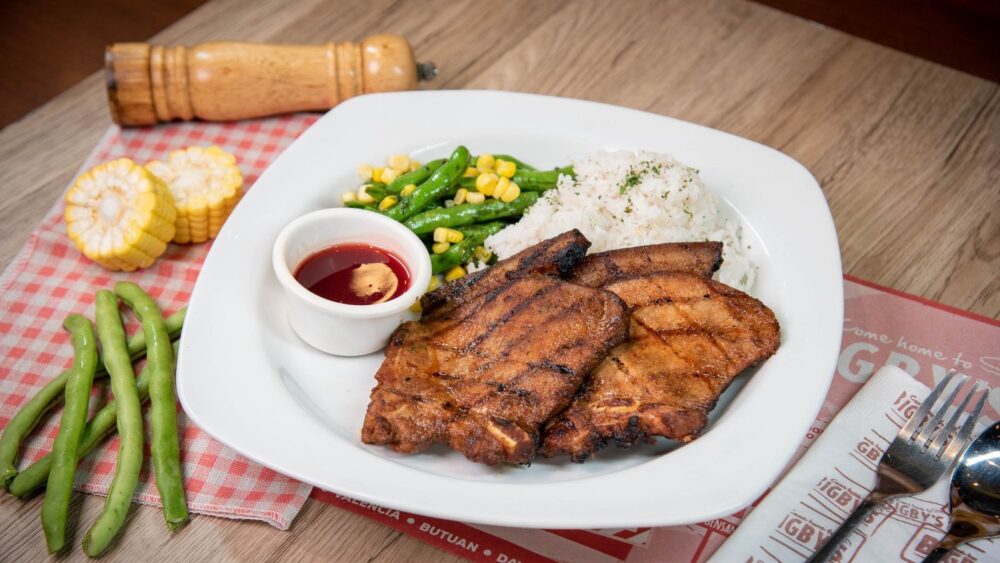

Pork and apples are a classic fall pairing for good reason. The sweetness and gentle acidity of the fruit balance the savory, meaty chops, and a pan sauce made with apple cider pulls it all together.
These apple cider pork chops are a true weeknight dinner. Sear the chops in a hot skillet, cook apples and shallot in the drippings, reduce some cider with broth and Dijon, then swirl in a little butter. The whole thing takes about 35 minutes and one pan.
The key is cooking the pork to the right temperature. At 145°F with a short rest, the chops stay juicy and slightly blush pink in the center, which is exactly where you want them.
Why this recipe works
- Thick, bone-in chops. A 1-inch-thick chop gives you time to build a golden crust before the center overcooks, and the bone helps keep the meat moist.
- A dry surface and a hot pan. Patting the chops dry and searing them in a preheated skillet gives a deep brown crust and flavorful drippings for the sauce.
- Cooking by temperature, not time. An instant-read thermometer takes the guesswork out of it. Pull the chops at 145°F and let them rest.
- A reduced cider sauce. Boiling down the cider concentrates its apple flavor, and Dijon and a splash of cider vinegar keep it from tasting too sweet.
- Cold butter at the end. Whisking it in off the heat gives the sauce a glossy, slightly thickened finish.
Ingredients you’ll need
See the recipe card for exact amounts. Here is a closer look at the ingredients that matter most.
- Pork chops. Look for bone-in rib or center-cut loin chops about 1 inch thick. Boneless chops work too, but they cook faster, so start checking the temperature a few minutes sooner. Avoid very thin chops, which overcook before they brown.
- Apple cider. Use unfiltered, unsweetened apple cider from the refrigerated section, not hard cider or cider vinegar. Unsweetened apple juice can stand in, though the sauce will be a little sweeter and less complex.
- Apples. Firm apples like Honeycrisp, Pink Lady or Granny Smith hold their shape when cooked. Softer varieties like McIntosh tend to fall apart.
- Dijon mustard. It adds tang and helps emulsify the sauce. Whole-grain mustard is a good swap for more texture.
- Apple cider vinegar. Just a teaspoon sharpens the sauce and balances the sweetness of the cider.
- Fresh thyme. Thyme pairs well with both pork and apple. Fresh rosemary or sage also works; use about half as much rosemary, since it is stronger.
- Shallot. A mild aromatic that melts into the sauce. A quarter of a small onion works in a pinch.
Ingredient notes and smart substitutions
This is a short ingredient list, which means each swap shows up in the finished dish. Here is what to buy and what happens when you change things.
Pork chops
Bone-in rib chops (from the loin end nearest the shoulder) have the most marbling and are the most forgiving. Center-cut loin chops are leaner and a little quicker to overcook. Boneless chops of the same thickness need about 2 minutes less on the second side. Thin-cut chops under 3/4 inch are not a good fit; they hit 145°F before a crust forms. If that is what you have, sear them 2 minutes per side and pull them early.
Apple cider
Fresh, unfiltered cider is cloudy, tart and unsweetened. Clear apple juice is sweeter, so if you use it, add 1 extra tsp cider vinegar. Hard cider works too; use a dry one and expect a slightly tangier sauce. Do not substitute apple cider vinegar for the cider itself.
Apples
Firm apples hold their shape in the pan. Honeycrisp, Pink Lady, Braeburn, Jonagold and Granny Smith all work; Granny Smith gives the tartest result. Pears are a good swap and cook in about the same time. Skip Red Delicious and McIntosh, which turn mealy.
Butter
The 2 tbsp of cold butter at the end thickens and glosses the sauce. Substitute 2 tbsp heavy cream simmered for 1 minute for a creamy version, or skip it entirely for a thinner, dairy-free sauce and reduce the cider 1 minute longer to make up the body.
Dijon and vinegar
One tablespoon of Dijon can be replaced with 1 tbsp whole-grain mustard or 2 tsp yellow mustard. Keep some form of mustard; it emulsifies the sauce. Cider vinegar swaps 1:1 with white wine vinegar or lemon juice.
Shallot and thyme
One shallot equals about 1/4 cup finely sliced onion. Two teaspoons of fresh thyme equals 3/4 tsp dried. Fresh sage (4 leaves, sliced) or rosemary (1 tsp, chopped) both suit pork and apples if thyme is not on hand.
How to make it
1. Prep the chops
Take the chops out of the fridge about 20 minutes before cooking so they cook more evenly. Pat them very dry and season both sides with salt, pepper and a little garlic powder.
2. Sear
Heat oil in a large cast iron or stainless steel skillet over medium-high heat until it shimmers. Lay the chops in the pan and do not move them for 4 to 5 minutes, until the underside is deep golden. Flip and cook the second side, reducing the heat to medium, until an instant-read thermometer in the thickest part reads 145°F. Move the chops to a plate and loosely tent with foil.
3. Cook the apples and shallot
In the same skillet, melt a tablespoon of butter and cook the apple slices and shallot until the apples are lightly browned and just tender. Add the thyme for the last minute.
4. Build the sauce
Pour in the cider and broth, scraping up the browned bits. Simmer until the liquid reduces by about half. Whisk in the Dijon and vinegar.
5. Finish
Turn off the heat and swirl in the cold butter until the sauce looks glossy. Return the chops and any juices from the plate to the skillet, and spoon the sauce and apples over them.
Common mistakes and how to fix them
Dry, tough chops. The most common cause is cooking past 145°F, often because the chop was thin or the thermometer was skipped. Fix: buy 1-inch chops, check the temperature early, and pull them at 145°F. They rise a few degrees while resting. If your chops are already overcooked, slice them thin and warm the slices in the sauce.
Pale, gray exterior. The pan was not hot enough, the chops were wet, or all four went in at once. Fix: heat the oil until it shimmers, pat the chops completely dry, and sear in two batches if the skillet is under 12 inches.
Chops that curl and sear unevenly. The band of fat and connective tissue on the edge tightens as it heats. Fix: make two or three shallow cuts through the fat cap, about 1 inch apart, before seasoning.
Sauce that is thin and sweet. The cider was not reduced enough, or apple juice was used. Fix: simmer until the liquid reduces by half and coats the apples, then taste. Add more vinegar or Dijon to balance sweetness before the butter goes in.
Broken, greasy sauce. The butter went in while the pan was boiling, or too much fat was left in the skillet from the sear. Fix: pour off all but 1 tbsp of fat before the apples, take the pan off the heat, and swirl the cold butter in gradually.
Apples that turn to mush. A soft variety was used, or the slices were too thin. Fix: cut firm apples into 1/2-inch slices and cook them only until just tender; they soften more in the sauce.
Timing and make-ahead plan
This is a cook-and-serve dish, but a few steps ahead of time make it a 20-minute dinner.
- The night before: Brine the chops if you like, or season them with the salt, pepper and garlic powder and refrigerate uncovered on a rack. The surface dries out and browns better.
- The morning of: Slice the shallot and strip the thyme. Measure the cider, broth, Dijon and vinegar into one jar.
- 30 minutes before: Take the chops out of the fridge. Slice the apples and toss them with a squeeze of lemon so they do not brown.
- 20 minutes before: Sear the chops, make the sauce and serve.
To hold for a few minutes, keep the chops tented on a plate and the sauce off the heat in the skillet. Rewarm the sauce gently, return the chops for 1 minute, and serve. Do not hold the chops in the hot sauce for long or they will overcook.
Tips for the best apple cider pork chops
- Use a thermometer. Pork is safe and juicy at 145°F followed by a 3-minute rest. Cooking it to 160°F, as older guidelines suggested, is the most common reason pork chops turn out dry.
- Render the fat cap. Hold the chops on their fatty edge with tongs for a minute or two before laying them flat to crisp the fat and add more drippings to the pan.
- Do not crowd the skillet. If all four chops do not fit with space between them, sear them in two batches.
- Try a quick brine. For extra juicy chops, soak them in 4 cups of water with 1/4 cup kosher salt for 30 minutes to 2 hours in the fridge. Rinse, pat dry and skip the added salt in the seasoning.
- Reduce the sauce enough. If the sauce looks thin, give it another minute or two of simmering before adding the butter.
Variations
- Creamy cider sauce. Stir 1/4 cup heavy cream into the reduced sauce and simmer for 1 minute before adding the butter.
- Maple mustard. Add 1 tablespoon of maple syrup with the Dijon for a sweeter, glazed finish.
- Bourbon kick. Deglaze with 2 tablespoons of bourbon before adding the cider. Take the pan off the heat when you add it.
- Chicken instead. Use bone-in, skin-on chicken thighs. Sear skin side down, then finish in a 400°F oven until they reach at least 165°F, before making the sauce.
- Add onions. Slice a small red onion and cook it with the apples for a savory, jammy topping.
Equipment that makes this easier
- A 12-inch cast iron or stainless steel skillet. It holds heat through the sear and develops fond for the sauce. Nonstick pans do not brown as well and do not build fond.
- An instant-read thermometer. The single most important tool for pork chops. Insert it from the side into the thickest part, away from the bone.
- Tongs. For flipping and for holding the chops on their fat edge to render it.
- A splatter screen. Searing at medium-high heat spits; a screen keeps the stovetop clean without trapping steam the way a lid would.
- A small whisk or silicone spatula. For scraping up the fond and swirling in the butter.
Scaling up or down
To halve the recipe (2 chops), use a 10-inch skillet and halve everything except the butter; keep 2 tbsp cold butter for the sauce, since it needs enough fat to emulsify. The cider reduces faster in a smaller amount, so start checking at 4 minutes.
To double the recipe (8 chops), sear in three or four batches, wiping the skillet if the drippings darken, or use two skillets. Keep the seared chops on a sheet pan in a 200°F oven while you finish the rest. Make the sauce once in the same skillet with 2 cups cider and 1 cup broth; it takes 10 to 12 minutes to reduce, and the apples should be cooked in two batches so they brown rather than steam. Return the chops in batches to coat them, or pour the sauce over the platter.
What to serve with it
You will want something to catch the sauce.
- Mashed potatoes, buttered egg noodles or creamy polenta.
- Butternut squash risotto with sage, which echoes the fall flavors in the sauce.
- Roasted Brussels sprouts, green beans or a kale salad. For more ideas, see these fall side dishes that go with everything.
Pork chops are quick enough to anchor any weeknight, and they fit neatly into this 2-week fall weeknight dinner plan. If you have a little more time, pair apples and pork another way with this sausage and apple stuffed acorn squash.
How to store, freeze and reheat
Refrigerator: Store the chops and sauce together in an airtight container for up to 3 days.
Freezer: Freeze cooked chops in their sauce for up to 2 months. The apples will soften after thawing, but the flavor holds up well. Thaw overnight in the fridge.
Reheat: Warm the chops and sauce in a covered skillet over medium-low heat with a splash of broth or cider until just heated through, about 5 to 8 minutes. Low heat keeps the pork from drying out. You can also slice leftover chops thinly and warm them in the sauce, which is a quick way to top rice or noodles.
Leftover ideas
- Pork and apple sandwiches. Slice cold chops thin and layer on toasted sourdough with sharp cheddar, leftover apples and a little Dijon. Press in a skillet until the cheese melts.
- Pork fried rice. Dice the pork and stir-fry with day-old rice, scallions, an egg and a splash of soy sauce.
- Cider pork over polenta. Chop the pork, warm it in the leftover sauce and spoon over creamy polenta or mashed potatoes.
- Grain bowls. Slice the pork over farro or quinoa with roasted Brussels sprouts, the sauced apples and a drizzle of the cider sauce.
- Pork tacos. Shred or chop the meat, warm it with a spoonful of sauce and serve in tortillas with slaw and pickled red onion.
Nutrition notes
One bone-in chop with a quarter of the sauce and apples is roughly 430 to 520 calories, 36 to 42 g protein, 18 to 24 g carbohydrates and 22 to 28 g fat. Rib chops run higher in fat than center-cut loin chops, and trimmed boneless chops come in lower still. These are estimates; exact numbers depend on the cut, the size of the chop and how much sauce you spoon on.
- Lighter: Use center-cut loin chops, trim the fat cap, and finish with 1 tbsp butter instead of 2. That saves about 90 calories per serving.
- Less sugar: Use tart Granny Smith apples and add the extra teaspoon of vinegar.
- Gluten-free: Naturally gluten-free as written; check the Dijon and broth labels.
- Dairy-free: Cook the apples in olive oil and skip the finishing butter, reducing the sauce 1 minute longer.
Apple Cider Pork Chops
Golden seared pork chops finished in a tangy apple cider, Dijon and thyme pan sauce with sliced apples.
Equipment
- Large cast iron or stainless steel skillet
- Instant-read thermometer
- Tongs
Ingredients
For the pork chops
- 4 bone-in pork chops, about 1 inch thick (2 to 2 1/2 lb total)
- 1 tsp kosher salt
- 1/2 tsp black pepper
- 1/2 tsp garlic powder
- 1 tbsp vegetable or olive oil
For the apple cider sauce
- 3 tbsp unsalted butter, divided (2 tbsp cold)
- 2 firm apples, such as Honeycrisp, cored and cut into 1/2-inch slices
- 1 medium shallot, thinly sliced
- 2 tsp fresh thyme leaves
- 1 cup unfiltered apple cider
- 1/2 cup low-sodium chicken broth
- 1 tbsp Dijon mustard
- 1 tsp apple cider vinegar
- Kosher salt and black pepper, to taste
Instructions
- Let the pork chops stand at room temperature for 20 minutes. Pat them dry with paper towels and season both sides with the salt, pepper and garlic powder.
- Heat the oil in a large skillet over medium-high heat until shimmering. Add the chops and cook without moving for 4 to 5 minutes, until deep golden on the bottom.
- Flip the chops, reduce the heat to medium and cook for 4 to 6 minutes more, until an instant-read thermometer inserted into the thickest part, away from the bone, reads 145°F. Transfer to a plate and tent loosely with foil to rest.
- Pour off all but about 1 tbsp of fat from the skillet. Add 1 tbsp butter, then the apple slices and shallot. Cook over medium heat, stirring occasionally, until the apples are lightly browned and just tender, 4 to 5 minutes. Stir in the thyme for the last minute.
- Add the cider and broth and scrape up the browned bits from the bottom of the pan. Bring to a boil and simmer until reduced by about half, 5 to 7 minutes.
- Whisk in the Dijon mustard and vinegar. Remove the skillet from the heat and swirl in the remaining 2 tbsp cold butter until the sauce is glossy. Season with salt and pepper to taste.
- Return the pork chops and any resting juices to the skillet and spoon the sauce and apples over them. Serve right away.
Notes
- Doneness: Pork is safe at 145°F followed by a 3-minute rest. The center will be juicy and may be slightly pink.
- Boneless chops: Boneless chops cook faster. Start checking the temperature after 3 minutes on the second side.
- Brine (optional): Dissolve 1/4 cup kosher salt in 4 cups water and refrigerate the chops in it for 30 minutes to 2 hours. Rinse, pat dry and omit the 1 tsp salt.
- Cider: Use unfiltered, non-alcoholic apple cider. Unsweetened apple juice works but makes a sweeter sauce.
Frequently asked questions
What temperature should pork chops be cooked to?
Cook pork chops to an internal temperature of 145°F, then let them rest for at least 3 minutes. They will be juicy and may have a slight pink blush in the center, which is safe.
Can I use apple juice instead of apple cider?
Yes. Unsweetened apple juice works, but it is thinner and sweeter than unfiltered cider. Add an extra splash of cider vinegar to balance it.
How do I keep pork chops from drying out?
Choose chops at least 1 inch thick, cook them to 145°F rather than higher, and let them rest before serving. A short brine adds extra insurance.
Can I use boneless pork chops?
Yes. Boneless chops cook a few minutes faster, so check the internal temperature early and pull them at 145°F.
Why do my pork chops curl up in the pan?
The strip of fat and connective tissue along the edge tightens faster than the meat. Make two or three shallow cuts through the fat cap about 1 inch apart before seasoning, and the chops will stay flat and sear evenly.