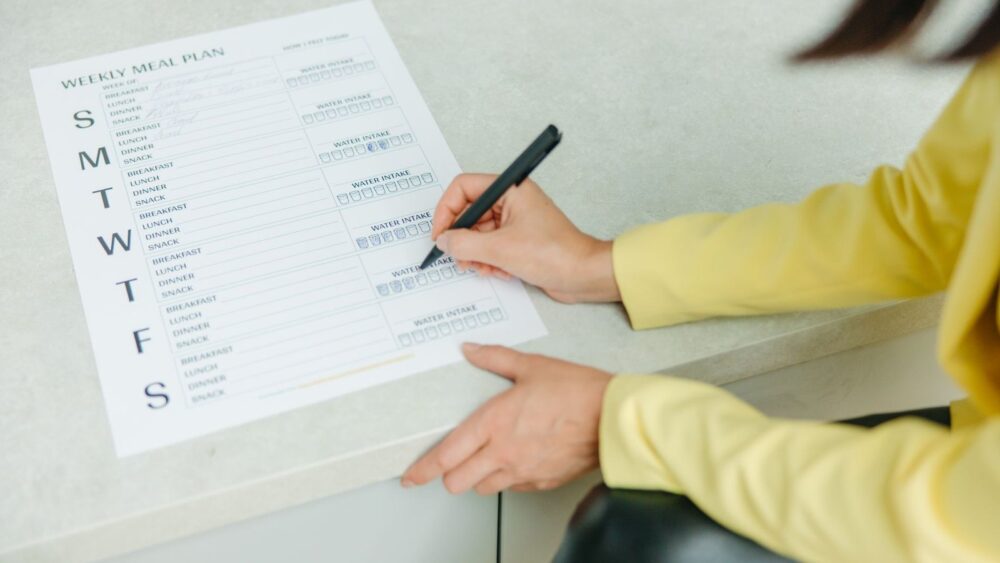

Deciding what’s for dinner is often harder than cooking it. This fall meal plan takes care of two full weeks: five weeknight dinners per week, one consolidated grocery list per week, a short Sunday prep session and a plan for the leftovers.
It is written for a household of four. Weekends are left open for takeout, leftovers or a longer cooking project.
How This Plan Works
- Effort is spread out. Longer recipes land early in the week when energy is higher, and the fastest ones land on Thursday and Friday.
- Ingredients overlap. Onions, carrots, garlic, broth and cream show up in several dinners, so nothing goes to waste.
- Perishables are used early. Tender greens and fresh chicken are used in the first half of the week; sturdy produce like cabbage and squash waits until later.
- Sunday prep takes about 45 minutes and saves time every night.
Week 1
- Monday: Sheet Pan Chicken Thighs with Root Vegetables
- Tuesday: Hearty Lentil Soup with crusty bread
- Wednesday: Apple Cider Pork Chops with roasted Brussels sprouts
- Thursday: Sausage and Cabbage Skillet
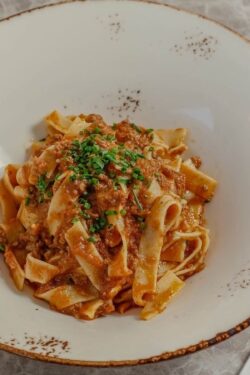
- Friday: Marry Me Chicken Pasta with a green salad
Week 1 Sunday Prep (about 45 minutes)
- Dice 3 onions, 3 carrots and 3 celery ribs. Store the onion, carrot and celery for the lentil soup together in one container and the rest separately.
- Peel and cut the root vegetables for Monday’s sheet pan dinner and store in a container with a damp paper towel. Keep cut potatoes submerged in cold water in the fridge so they don’t brown.
- Trim and halve the Brussels sprouts.
- Rinse and pick over the lentils.
- Wash and dry the salad greens and store them wrapped in paper towels.
Week 1 Grocery List
Quantities are approximate for four servings. Check each recipe card for exact amounts, and cross off anything already in your pantry.
Produce
- Yellow onions, 5
- Red onion, 1
- Garlic, 2 heads
- Carrots, 2 lb
- Celery, 1 bunch
- Baby potatoes or Yukon golds, 2 lb
- Parsnips or sweet potato, 1 lb
- Brussels sprouts, 1 1/2 lb
- Green cabbage, 1 medium head
- Crisp apples, 3
- Baby spinach, 10 oz (for the soup and the pasta)
- Salad greens, 1 large container
- Lemon, 1
- Fresh thyme, 1 bunch
- Shallot, 1
Meat
- Bone-in, skin-on chicken thighs, about 3 lb (8 thighs)
- Bone-in pork chops, 4 (about 1 inch thick)
- Smoked sausage or kielbasa, 14 oz to 1 lb
- Boneless skinless chicken breasts, 1 1/2 lb
Dairy
- Butter, 1 lb
- Heavy cream, 1 pint
- Parmesan, 4 oz wedge
Pantry
- Brown or green lentils, 1 lb
- Diced tomatoes, one 14.5-oz can
- Chicken or vegetable broth, three 32-oz cartons
- Apple cider (unfiltered), 1 quart
- Sun-dried tomatoes in oil, one 8-oz jar
- Short pasta such as penne or rigatoni, 1 lb
- Dijon mustard
- Apple cider vinegar
- Olive oil
- Crusty bread, 1 loaf
- Spices: dried thyme, rosemary, cumin, smoked paprika, Italian seasoning, red pepper flakes, bay leaves
Week 2
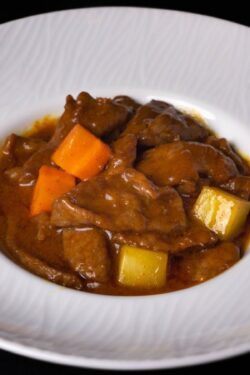
- Monday: Slow Cooker Pot Roast with Root Vegetables (start it in the morning)
- Tuesday: Chipotle Black Bean Soup
- Wednesday: Turkey and Rice Stuffed Peppers
- Thursday: Chicken Tikka Masala with rice and naan
- Friday: French Onion Pasta
Week 2 Sunday Prep (about 45 minutes)
- Cut the carrots, potatoes and onion for the pot roast and refrigerate so Monday morning is a 10-minute job.
- Cook 3 cups dry long-grain or basmati rice. Cool it quickly on a sheet pan, then refrigerate. Use some in the stuffed peppers Wednesday and reheat the rest for Thursday’s tikka masala. Cooked rice keeps 3 to 4 days refrigerated.
- Dice the onions and bell pepper for the black bean soup.
- Halve and seed the bell peppers for Wednesday.
- Slice the 3 lb of onions for Friday’s French onion pasta. Sliced onions keep in an airtight container for several days.
Wednesday night, cut the chicken for Thursday’s tikka masala and put it in the yogurt marinade so it’s ready when you get home.
Week 2 Grocery List
Produce
- Yellow onions, 8 (about 3 lb are for the French onion pasta)
- Garlic, 2 heads
- Fresh ginger, 1 small knob
- Carrots, 1 1/2 lb
- Yukon gold potatoes, 1 1/2 lb
- Bell peppers, 6 (4 or 5 for stuffing, 1 for the soup)
- Limes, 2
- Cilantro, 1 bunch
- Avocado, 1 or 2
- Fresh thyme, 1 bunch
Meat
- Beef chuck roast, 3 to 4 lb
- Ground turkey, 1 lb
- Boneless skinless chicken thighs, 2 lb
Dairy
- Plain whole-milk yogurt, 1 cup
- Heavy cream, 1 cup
- Sour cream, 8 oz
- Shredded mozzarella or Monterey Jack, 8 oz
- Gruyère, 6 oz
- Butter (check what’s left from Week 1)
Pantry
- Black beans, three 15-oz cans
- Chipotle peppers in adobo, one 7-oz can
- Fire-roasted diced tomatoes, one 14.5-oz can
- Crushed tomatoes, one 28-oz can
- Tomato sauce, one 15-oz can
- Tomato paste
- Beef broth, two 32-oz cartons
- Chicken or vegetable broth, one 32-oz carton
- Basmati or long-grain rice, 2 lb bag
- Short pasta, 1 lb
- Naan, 1 package
- Worcestershire sauce
- Spices: garam masala, turmeric, cumin, chili powder, paprika, dried oregano
Easy Sides for Each Night
Several of these dinners are complete on their own. For the rest, keep sides simple so the main stays the focus.
- Sheet pan chicken: nothing extra needed; the vegetables roast right on the pan. Add a green salad if you like.
- Lentil soup: crusty bread or grilled cheese cut into strips for dipping.
- Apple cider pork chops: Brussels sprouts roasted at 425°F for 20 to 25 minutes, or buttered egg noodles to catch the sauce.
- Sausage and cabbage skillet: roasted potatoes or rye bread with butter.
- Marry me chicken pasta: a green salad with a sharp vinaigrette to balance the cream.
- Pot roast: the potatoes and carrots cook in the slow cooker, so just add bread for the gravy.
- Chipotle black bean soup: tortilla chips, cornbread or quesadillas.
- Stuffed peppers: a simple salad or steamed green beans.
- Tikka masala: basmati rice and warm naan. A cucumber and yogurt salad cools things down.
- French onion pasta: a bitter green salad, such as arugula with lemon and olive oil.
Timing Each Weeknight
Plan to start cooking about 45 minutes before you want to eat for most of these, and an hour for the sheet pan chicken, tikka masala and French onion pasta. The pot roast is the exception: it needs 8 to 10 hours on low, so load the slow cooker before work. If mornings are tight, assemble everything in the insert Sunday night, refrigerate it, and set it in the base Monday morning.
Prep-ahead Sunday session (90 minutes)
The 45-minute prep lists above cover the basics. If you have 90 minutes on Sunday, this longer session takes several dinners most of the way to done, so weeknights drop to 20 or 30 minutes of work. Week 1 is first; the Week 2 version follows.
Week 1, 90 minutes
- 0:00 to 0:10: unpack groceries and set out two cutting boards, one for vegetables and one for raw meat.
- 0:10 to 0:30, all the chopping: dice the onions, carrots and celery for the lentil soup and the sausage skillet; cut the root vegetables for the sheet pan chicken; halve the Brussels sprouts; slice the cabbage. Label each container by day.
- 0:30 to 0:50, cook the lentil soup completely. It reheats better than it cooks on a Tuesday night, and the pot can simmer while you do the next steps. Cool it in a shallow container before refrigerating.
- 0:50 to 1:00, season the chicken thighs. Pat them dry, salt them (about 3/4 tsp kosher salt per pound) and refrigerate uncovered on a rack. The skin dries out and crisps far better on Monday.
- 1:00 to 1:10, make the salad dressing for Friday and wash and dry the greens. Dressing keeps a week in a jar.
- 1:10 to 1:20, portion the pasta night. Grate the Parmesan, chop the sun-dried tomatoes and mince the garlic into one container. Friday becomes a 25-minute dinner.
- 1:20 to 1:30, clean up and write the fridge map. A sticky note on the fridge listing which container is for which night saves the nightly hunt.
Week 2, 90 minutes
- 0:00 to 0:20: cut the pot roast vegetables and store them. Sear the chuck roast in a hot skillet, 3 to 4 minutes a side, cool it, and refrigerate it separately. Monday morning becomes a 5-minute job.
- 0:20 to 0:45: cook 3 cups of dry rice, spread it on a sheet pan to cool, then refrigerate. Cooked rice should be in the fridge within an hour and keeps 3 to 4 days.
- 0:45 to 1:05: make the black bean soup start to finish and cool it. Chop the cilantro and store it with a damp paper towel.
- 1:05 to 1:20: brown the turkey filling for the stuffed peppers to 165°F, mix it with the rice and sauce, cool, and refrigerate. Halve and seed the peppers. Wednesday is stuff, top and bake.
- 1:20 to 1:30: slice the 3 lb of onions for Friday. If you have a spare burner, start caramelizing them now; cooked onions keep 5 days and the Friday pasta drops to 30 minutes.
Do the raw meat steps last so the boards and counters get one thorough wash at the end, and wash your hands and the knife between the vegetable steps and the meat steps.
The Leftovers Strategy
Some nights are designed to make extra. Here is where each leftover goes.
- Sheet pan chicken (Week 1 Monday): roast two extra thighs. Pull the meat off the bone for Tuesday lunches in wraps or on salads.
- Lentil soup (Week 1 Tuesday): the recipe makes plenty. Pack lunches for Wednesday and Thursday, and freeze any remaining quarts for a future busy night.
- Pork chops (Week 1 Wednesday): slice any extra chops thin for sandwiches with Dijon and apple.
- Pot roast (Week 2 Monday): the biggest source of leftovers. Shred the beef into the leftover gravy for hot sandwiches on toasted rolls, or make a quick hash with the potatoes and a fried egg for a weekend breakfast.
- Black bean soup (Week 2 Tuesday): freezes very well. Portion it into quart containers.
- Rice (Week 2): cook once on Sunday, use it twice.
- Tikka masala (Week 2 Thursday): tastes even better the next day. It makes a great Saturday lunch.
Leftover Safety Basics
- Refrigerate leftovers within 2 hours of cooking, in shallow containers so they cool quickly.
- Eat refrigerated leftovers within 3 to 4 days, or freeze them.
- Reheat leftovers to 165°F, and bring soups and sauces to a simmer.
- Label containers with the date, even in the fridge. It’s easy to lose track by Thursday.
If you end up with more than you can eat, move it to the freezer before day three. Our fall freezer meal prep guide covers packing, labeling and reheating.
Swaps and Adjustments
- Vegetarian nights: swap the pork chops for Creamy Mushroom Stroganoff, or the stuffed peppers for Lentil Bolognese.
- Smaller household: keep the full recipes and plan on a leftovers night in place of Thursday or Friday.
- Busier week: swap in a dish from the freezer, or trade a recipe for a faster one from our cozy fall dinner recipes roundup.
- Budget stretch: use chicken thighs instead of breasts in the Friday pasta, and buy store-brand canned goods and cheese.
Swaps for picky eaters, vegetarians and bigger families
Picky eaters
Most of these dinners have one ingredient that stalls a kid, and it is usually visible. The fix is to keep that ingredient separate rather than cook a second meal.
- Lentil soup: blend half the pot smooth for anyone who objects to texture, and serve the chunky half to everyone else.
- Sausage and cabbage skillet: keep some of the browned sausage aside and serve it with roasted potatoes for the cabbage skeptics.
- Stuffed peppers: bake a portion of the filling in a small dish without the pepper. Same flavor, nothing to argue about.
- Tikka masala: leave out any chile in the sauce and add red pepper flakes at the table. Rice and naan carry the meal for a cautious eater.
- Black bean soup: start with one chipotle instead of two and put the toppings in bowls so everyone builds their own.
- French onion pasta: if the onion strands are the problem, blend the cooked onions into the broth before adding the pasta. The flavor stays and the strands disappear.
Vegetarian versions
- Week 1 Monday: replace the chicken thighs with two cans of drained chickpeas tossed with the vegetables and the same spices, and roast 30 to 35 minutes. Or make butternut squash risotto instead.
- Week 1 Wednesday: creamy mushroom stroganoff, which takes the same 40 minutes.
- Week 1 Thursday: swap the kielbasa for a plant-based sausage, or for 14 oz of cubed extra-firm tofu browned in the skillet first. Keep the cider vinegar finish.
- Week 1 Friday: the marry me sauce works over pasta with a can of cannellini beans and a few handfuls of spinach in place of the chicken.
- Week 2 Monday: there is no vegetarian pot roast. Make lentil bolognese on Sunday instead, which also gives you leftovers for the week.
- Week 2 Wednesday: stuff the peppers with the leftover rice, a can of black beans, corn and cheese.
- Week 2 Thursday: paneer or chickpeas in the tikka masala sauce. Skip the marinade and add them for the last 10 minutes.
- Both weeks: use vegetable broth throughout. The lentil soup and black bean soup are already vegetarian with that change, and the French onion pasta works with a rich mushroom or vegetable broth.
Bigger families (six to eight)
- Multiply by 1.5, not 2, for most recipes. Doubling a sheet pan dinner means two pans and swapping racks halfway; doubling a skillet means browning the meat in batches.
- Buy the roast big. A 5-lb chuck roast fits a 6-quart slow cooker and feeds eight with leftovers; add an hour on low.
- Soups scale for free. Make 1.5 times the lentil and black bean soups in an 8-quart pot. The extra time is negligible and the leftovers cover lunches.
- Stuffed peppers: six large peppers fill a 9×13 dish. For more, use two dishes on two racks and rotate once.
- Pasta: 1 1/2 lb of pasta needs a Dutch oven for the sauce, and a full 6 quarts of boiling water so it does not clump.
- Grocery list: scale the meat, produce and dairy lines by 1.5 and leave the spices and pantry lines alone. A jar of cumin covers either size.
Budget notes and where to save
Ten dinners for four from these lists runs roughly $180 to $240 at a typical US grocery store, or about $4.50 to $6 per serving, depending on where you live and how much of the pantry list you already own. Meat is about half of that. Here is where the money goes and where it can be trimmed.
The biggest line items
- Chuck roast (Week 2 Monday): the single most expensive item, often $25 to $35 for 3 to 4 lb. Watch for sales in the weeks before Thanksgiving and freeze one. It feeds two dinners, which is what justifies the price.
- Chicken thighs and breasts: bone-in thighs are usually the cheapest cut per pound and the most forgiving. Buy the family pack and freeze the rest in dinner-sized bags.
- Pork chops: bone-in chops cost less than boneless and stay juicier. Thick chops are worth paying for; thin ones overcook before the sauce comes together.
- Cheese: Gruyère for the French onion pasta is the priciest cheese on either list. Swiss, or a mix of provolone and Parmesan, costs about half and melts the same way.
- Parmesan and cream: a wedge of Parmesan costs more per pound than pre-grated, but keeps for weeks and tastes noticeably better. It is one place to spend.
Where to save without noticing
- Store-brand canned goods, broth and pasta. Beans, tomatoes and broth vary very little between brands. That change alone saves $10 to $15 across the two weeks.
- Dried beans over canned for the black bean soup: 1 lb of dried beans costs about what two cans do and makes the equivalent of four. Soak overnight and simmer 60 to 90 minutes.
- Buy whole, not cut. Pre-cut squash and pre-cubed stew meat cost 50 to 100 percent more per pound. Ten minutes with a knife is the trade.
- Onions, carrots, potatoes and cabbage are the cheapest produce in the store in fall and appear in eight of the ten dinners. Buy them in bags rather than by the piece.
- Let rice do the work on tikka masala night and buy one package of naan instead of two. The sauce is what the meal is about.
- Buy fresh herbs once. One bunch of thyme covers both weeks if you store it wrapped in a damp paper towel in a bag.
Where not to skimp
- The smoked sausage. A good kielbasa makes the cabbage skillet; a watery one makes it sad. The difference is usually a dollar or two.
- Apple cider, not apple juice, for the pork chops. Juice is sweeter and the pan sauce tastes flat.
- An instant-read thermometer. One purchase of $15 to $20 stops you from overcooking every pork chop and chicken breast on the plan, which is the most expensive mistake on this list.
Adding it up: switching to store brands, buying the family pack of chicken, and using dried beans brings the two weeks down by about $25 to $35 without changing a single recipe.
Making the Plan Stick
- Post the week’s menu on the fridge so everyone knows what is coming.
- Check the pantry against the grocery list before you shop; you likely have spices, oil and broth already.
- Do the Sunday prep right after unpacking groceries while the cutting board is already out.
- After two weeks, repeat the plan or swap in new recipes, keeping the same structure: a longer dinner early, a soup mid-week and quick meals at the end.
Frequently asked questions
How do I start meal planning for fall?
Pick five dinners for the week, mixing one or two longer recipes with quick ones, write a single grocery list grouped by store section, and spend 30 to 45 minutes on Sunday chopping vegetables and cooking grains.
How long do leftovers last in the fridge?
Most cooked leftovers keep 3 to 4 days in the refrigerator. Refrigerate them within 2 hours of cooking and reheat to 165°F. Freeze anything you won’t eat in that window.
Can I prep vegetables for the whole week on Sunday?
Yes, for sturdy vegetables. Diced onions, carrots, celery, bell peppers and trimmed Brussels sprouts keep 3 to 5 days in airtight containers. Keep cut potatoes covered in cold water and use them within a day or two.
How much food should I buy for a week of dinners for four?
Plan roughly 1 1/2 to 2 lb of meat per dinner, about 1 lb of dried pasta or 2 cups of dry rice per meal, and enough vegetables to fill half of each plate. Consolidating the week’s recipes into one list helps avoid buying duplicates.