
Red wine braised short ribs are the dinner to make when you want something special without a lot of fuss. The hands-on work is simple: brown the ribs, soften some vegetables, pour in wine and broth, and slide the pot into the oven.
Three hours later, the meat is so tender it slips off the bone, and the braising liquid reduces into a deep, glossy sauce. It is a great choice for a holiday dinner, a birthday, or any chilly weekend when you want the house to smell amazing.
Best of all, short ribs taste even better the next day, so you can do all the cooking ahead and simply reheat before guests arrive.
Why this recipe works
- Bone-in, English-cut ribs. These thick, meaty pieces are ideal for braising. The bones add body to the sauce and help the meat hold its shape.
- A thorough sear. Browning the ribs well on all sides creates flavorful fond and renders some of their fat before the braise.
- Tomato paste and flour. Cooking tomato paste deepens its flavor, and a little flour gives the sauce enough body to coat the meat.
- A low oven. At 325°F, the collagen in the ribs slowly breaks down into gelatin, making the meat tender and the sauce silky.
- Skimming and reducing. Short ribs release a lot of fat. Removing it and reducing the liquid turns a thin, greasy braise into a rich, balanced sauce.
Ingredients you’ll need
The recipe card has the full list. Here is what to look for when shopping:
- Short ribs. Ask for English-cut bone-in short ribs, which are cut between the bones into thick, individual pieces about 2 to 4 inches long. Flanken-cut ribs, cut thinly across the bones, are meant for grilling and are not the right choice here. Plan on about 5 lb of bone-in ribs for 6 servings, since the bones and fat account for a lot of the weight.
- Dry red wine. Choose a full-bodied red you would happily drink, such as cabernet sauvignon, merlot or zinfandel. You will use about 3 cups, most of a 750 ml bottle. Avoid sweet wines or anything labeled cooking wine, which is usually salty.
- Beef broth. Low-sodium broth is best, because the sauce reduces significantly at the end.
- Aromatics. Onion, carrots, celery and eight smashed garlic cloves make a sweet, savory base.
- Fresh herbs. Thyme and rosemary sprigs plus bay leaves perfume the braise. You can tie them together with kitchen twine to fish out easily later.
- Tomato paste. Adds depth and a touch of sweetness that balances the wine.
Ingredient notes and smart substitutions
Short ribs are a splurge, so it pays to get the supporting ingredients right. Here is what to look for and how each swap changes the result.
Short ribs
English-cut ribs should be at least 2 inches thick with a generous cap of meat over the bone. Avoid packages where the meat is mostly fat or where the bones have very little meat attached; you pay for weight you cannot eat. Boneless short ribs work at about 3 lb and cook 30 minutes faster, but the sauce has a little less body without the bones. Beef chuck roast cut into 3-inch chunks is the best budget swap and braises in about the same time.
Red wine
Three cups is most of a bottle, so use something you would drink but nothing expensive. Cabernet, merlot, zinfandel, syrah and Côtes du Rhône all work. Pinot noir gives a lighter, more delicate sauce. Without wine, use 3 cups beef broth plus 2 tbsp red wine vinegar and 1 tbsp balsamic; the sauce will be less complex but still rich.
Beef broth
Low-sodium is important here because the sauce reduces to about 2 cups at the end and concentrates all the salt. If you only have regular broth, cut the salt on the ribs to 2 tsp. Two cups water plus 2 tsp beef base paste is a fine substitute.
Tomato paste
Two tablespoons adds body and a little sweetness. Swap in 1/4 cup canned tomato purée if you are out, or 1 tbsp of red miso for a deeper, less sweet savory note.
Flour
The 2 tbsp of flour gives the sauce just enough body. For gluten-free, skip it and reduce the strained liquid a few minutes longer, or finish with 1 tbsp cornstarch mixed with 1 tbsp cold water.
Fresh herbs
Four thyme sprigs and two rosemary sprigs can be replaced with 1 tsp dried thyme and 1/2 tsp dried rosemary added with the broth. Skip the rosemary entirely for a milder sauce; the thyme and bay leaves carry it fine.
Aromatics
Eight garlic cloves sounds like a lot, but they mellow and get strained out with the vegetables. Two shallots can replace the onion for a sweeter base, and leeks work too.
How to make it
1. Season ahead if you can
Season the ribs generously with salt and pepper. If you have time, do this the night before and refrigerate them uncovered; the salt seasons the meat more deeply and the dry surface browns better. Otherwise, season them just before cooking.
2. Sear the ribs
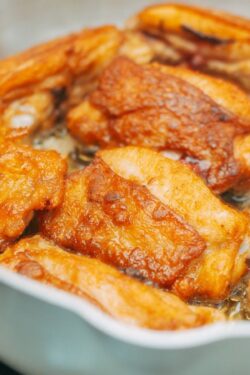
Heat oil in a large Dutch oven over medium-high heat. Brown the ribs in batches, turning them so every meaty side gets a dark crust, about 8 to 10 minutes per batch. Set them aside and pour off all but about 2 tablespoons of fat.
3. Build the braise
Cook the onion, carrots and celery in the remaining fat until softened. Stir in the garlic, tomato paste and flour, then pour in the wine and scrape the bottom of the pot clean. Let the wine simmer until reduced by about a third, which cooks off some of the alcohol and concentrates the flavor.
4. Braise in the oven
Add the broth and herbs, return the ribs bone side up and nestle them into the liquid so they are mostly submerged. Bring it to a simmer, cover and braise at 325°F for 2 1/2 to 3 hours, until the meat is very tender and pulling away from the bones.
5. Make the sauce
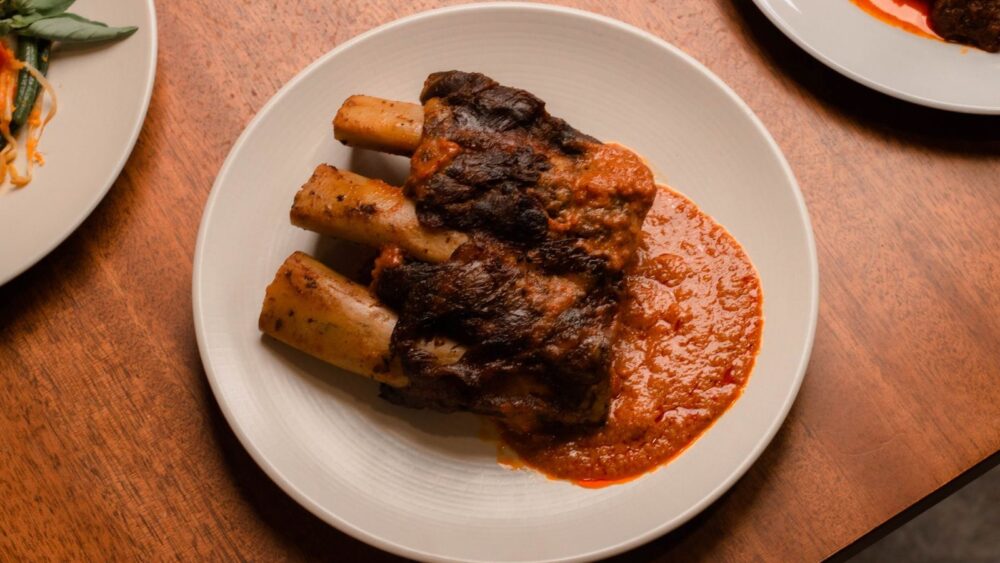
Gently transfer the ribs to a platter. Strain the liquid, skim off the fat, then simmer it until it has reduced and lightly coats a spoon. Taste and season, then spoon the sauce over the ribs.
Common mistakes and how to fix them
Ribs that are still tough at 2 1/2 hours. Thick ribs simply need more time, and a cold pot going into the oven adds 20 minutes before the braise even starts. Fix: bring the liquid to a full simmer on the stovetop before covering, and check at 30-minute intervals after 2 1/2 hours. Tender means a fork twists the meat with no resistance.
Greasy sauce. Short ribs release more fat than almost any other braise. Fix: pour off the fat after searing, strain and settle the braising liquid for 5 minutes, then skim with a wide spoon or use a fat separator. Chilling overnight is the easiest way; the fat lifts off in a sheet.
Meat falling off the bones and shredding. The ribs were braised too long or handled roughly. Fix: start checking at 2 1/2 hours and use a wide spatula. If the meat has already fallen apart, serve it shredded over polenta; it will still taste excellent.
Sauce that is too thin. Reduction was cut short. Fix: simmer the strained liquid until it lightly coats the back of a spoon, about 2 cups from roughly 4. Keep in mind it thickens more as it cools slightly on the plate.
Sauce that is too salty or sharp. Regular broth was used, or the sauce reduced too far. Fix: loosen with unsalted broth or water, and add 1 tsp brown sugar or a pat of butter to round off sharp wine flavors.
Bitter or harsh wine flavor. The wine was not simmered long enough before the broth went in, or a very tannic wine was used. Fix: reduce the wine by a third before adding broth, which cooks off the raw alcohol taste. A softer wine like merlot avoids the problem.
Timing and make-ahead plan
This is the ideal make-ahead main course, and it is better the second day. Here is a plan for a dinner party.
- Two days before: Season the ribs with salt and pepper and refrigerate them uncovered on a rack over a sheet pan.
- The day before: Sear, braise and let the ribs cool in their liquid for 1 hour, then refrigerate the ribs and strained liquid separately.
- The morning of: Lift the solid fat off the liquid and discard it.
- 1 hour before serving: Reduce the liquid to about 2 cups, then add the ribs, cover and warm in a 325°F oven for 30 to 35 minutes.
- At serving: Taste the sauce, sprinkle with parsley and bring the pot to the table.
To hold the ribs warm for guests, keep them in the covered pot in a 200°F oven for up to 2 hours. Add a splash of broth if the sauce tightens.
Tips for the best braised short ribs
- Make them a day ahead. Chill the ribs in their liquid overnight. The fat solidifies on top and lifts off easily, and the flavor improves as it rests.
- Do not rush the sear. Pale ribs make a pale, flat-tasting sauce. Aim for a deep mahogany color.
- Check for tenderness, not time. Ribs vary in thickness. If a fork meets resistance, give them another 20 to 30 minutes.
- Handle them gently. Fully braised ribs are delicate. Use a wide spatula or tongs to lift them out so the meat stays on the bone.
- Reduce to taste. The sauce should be glossy but still pourable. If it gets too thick or salty, loosen it with a splash of water or broth.
Variations
- Boneless short ribs. Use about 3 lb of boneless short ribs and start checking for tenderness after 2 hours.
- Balsamic and red wine. Replace 1/2 cup of the wine with balsamic vinegar for a tangier, slightly sweet sauce.
- Add mushrooms. Brown 8 oz of cremini mushrooms in butter and stir them into the finished sauce.
- Slow cooker method. Complete the searing and deglazing on the stove, then transfer everything to a slow cooker and cook on low for 8 hours. Finish the sauce on the stovetop.
- Gremolata finish. Top with a mix of chopped parsley, lemon zest and minced garlic to brighten the rich dish.
Equipment that makes this easier
- A 7-quart or larger Dutch oven. Five pounds of ribs need room to sit mostly in a single layer in the liquid. A smaller pot forces stacking, and the top ribs braise unevenly.
- A fine-mesh strainer. Straining out the vegetables gives a smooth, restaurant-style sauce instead of a chunky one.
- A fat separator. The fastest way to skim the large amount of fat that short ribs release.
- Tongs and a wide spatula. Tongs for the sear, a spatula for lifting the fragile braised ribs without losing the meat.
- A splatter screen. Searing fatty ribs for 8 to 10 minutes per batch spits a lot of fat.
- Kitchen twine. Tying the thyme and rosemary into a bundle makes them easy to fish out.
Scaling up or down
To halve the recipe (3 servings), use 2 1/2 lb ribs, 1 1/2 cups wine and 1 cup broth in a 4 to 5-quart pot. The braise takes the same time, since each rib cooks individually, but the wine reduces faster, so watch it. You can also make the full batch and freeze half in its sauce.
To double the recipe (12 servings), use two Dutch ovens or one very large roasting pan covered tightly with foil. Ten pounds of ribs take 5 to 6 batches to sear, which is 45 to 60 minutes, so plan for it. In a wide roasting pan, the liquid is shallower, so add 1 extra cup of broth and check at 2 1/2 hours. Make the sauce in one pot by combining the strained liquids; reduction takes 20 to 25 minutes for double the amount.
What to serve with it
Short ribs need something soft and creamy to soak up the sauce.
- Mashed potatoes or creamy polenta are classic.
- Butternut squash risotto with sage makes an elegant pairing for a dinner party.
- Roasted carrots, green beans or a simple arugula salad. For more ideas, browse these fall side dishes that go with everything.
If you like this style of cooking, classic beef stew uses a similar red wine braise with a more budget-friendly cut. Find more ideas for cold nights in this list of cozy fall dinner recipes.
How to store, freeze and reheat
Refrigerator: Store the short ribs in their sauce in an airtight container for up to 4 days.
Freezer: Freeze the ribs covered in sauce for up to 3 months. The sauce keeps the meat from drying out. Thaw overnight in the refrigerator.
Reheat: Place the ribs and sauce in a covered pot or baking dish and warm in a 325°F oven for 25 to 35 minutes, or on the stovetop over medium-low heat, until heated through. Add a splash of broth if the sauce has thickened too much.
Leftover idea: Shred leftover meat off the bone, warm it in the sauce and serve it over pasta or pappardelle for an easy ragu.
Leftover ideas
- Short rib ragu. Shred the meat, warm it in the sauce with a 14 oz can of crushed tomatoes and toss with pappardelle or rigatoni. This is the best use of leftovers.
- Short rib grilled cheese. Layer shredded meat and Gruyère between buttered sourdough and cook in a skillet until golden.
- Short rib tacos. Warm the shredded meat, then serve in charred tortillas with pickled onions, cilantro and a squeeze of lime.
- Short rib hash. Crisp diced cooked potatoes in a skillet, add the chopped meat and a spoonful of sauce, and top with fried eggs.
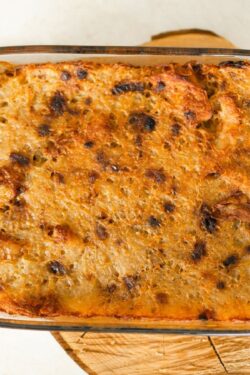
- Shepherd’s pie filling. Chop the meat, mix with the sauce and cooked carrots, top with mashed potatoes and bake at 400°F for 25 minutes.
- Beef and barley soup. Simmer shredded meat and sauce with 4 cups broth and 1/2 cup barley for 40 minutes.
Nutrition notes
One serving (about 12 oz bone-in ribs with 1/3 cup sauce) lands roughly at 620 to 750 calories, 42 to 50 g protein, 8 to 12 g carbohydrates and 40 to 52 g fat, with much of that fat depending on how thoroughly you skim. Well-skimmed, chilled-overnight ribs sit at the lower end. Estimates vary with the ribs, the wine and portion size.
- Lighter: Chill overnight and remove all the solid fat, trim the thick fat cap before searing, and serve one rib per person with extra vegetables.
- Leaner cut: Boneless chuck roast in 3-inch chunks gives a similar dish with about 25 percent less fat.
- Gluten-free: Skip the flour and reduce the sauce a few minutes longer, or thicken with cornstarch.
- Dairy-free: The recipe is naturally dairy-free.
Red Wine Braised Short Ribs
Bone-in short ribs seared and braised in red wine, beef broth and herbs until fall-off-the-bone tender.
Equipment
- Large Dutch oven (7 quart or larger)
- Fine-mesh strainer
- Tongs
Ingredients
- 5 lb bone-in English-cut beef short ribs (about 8 pieces)
- 2 1/2 tsp kosher salt
- 1 tsp black pepper
- 2 tbsp vegetable oil
- 1 large yellow onion, chopped
- 2 medium carrots, peeled and chopped
- 2 celery stalks, chopped
- 8 cloves garlic, smashed
- 2 tbsp tomato paste
- 2 tbsp all-purpose flour
- 3 cups dry red wine
- 2 cups low-sodium beef broth
- 4 sprigs fresh thyme
- 2 sprigs fresh rosemary
- 2 bay leaves
- Chopped fresh parsley, for serving
Instructions
- Pat the short ribs dry and season all over with the salt and pepper. For the best flavor, refrigerate uncovered for 8 to 24 hours; otherwise, let stand at room temperature for 30 minutes.
- Heat the oven to 325°F. Heat the oil in a large Dutch oven over medium-high heat. Working in batches, brown the short ribs on all meaty sides until deeply browned, 8 to 10 minutes per batch. Transfer to a plate.
- Pour off all but about 2 tbsp of fat. Reduce the heat to medium and add the onion, carrots and celery. Cook, stirring occasionally, until softened, 6 to 8 minutes.
- Add the garlic and tomato paste and cook, stirring, for 2 minutes. Sprinkle in the flour and stir for 1 minute.
- Pour in the wine and scrape up the browned bits from the bottom of the pot. Bring to a boil and simmer until reduced by about one-third, 8 to 10 minutes.
- Add the broth, thyme, rosemary and bay leaves. Return the short ribs and any juices to the pot, bone side up, nestling them so they are mostly submerged. Bring to a simmer, cover and transfer to the oven.
- Braise for 2 1/2 to 3 hours, until the meat is very tender and pulling away from the bones.
- Carefully transfer the ribs to a platter and tent with foil. Strain the braising liquid through a fine-mesh strainer into a bowl, pressing on the vegetables, and discard the solids. Let the liquid settle for 5 minutes, then skim off the fat.
- Return the liquid to the pot and simmer over medium-high heat until reduced to about 2 cups and thick enough to lightly coat a spoon, 10 to 15 minutes. Season with salt and pepper to taste.
- Spoon the sauce over the short ribs, sprinkle with parsley and serve.
Notes
- Make ahead: Braise the ribs up to 2 days ahead and refrigerate them in the strained liquid. Lift off the solid fat, then reheat and reduce the sauce before serving.
- Cut: Use English-cut bone-in short ribs. Flanken-cut ribs are too thin for braising.
- Boneless ribs: Use about 3 lb and start checking for tenderness after 2 hours.
- No wine: Use 3 cups beef broth plus 2 tbsp red wine vinegar, though the sauce will be less complex.
Frequently asked questions
What wine is best for braised short ribs?
A dry, full-bodied red such as cabernet sauvignon, merlot or zinfandel works well. Choose one you would enjoy drinking and avoid sweet wines or salted cooking wine.
Why are my short ribs tough?
They most likely need more time. Short ribs are full of connective tissue that only softens after a long, gentle braise. Keep cooking and check every 20 to 30 minutes.
Can I make braised short ribs ahead of time?
Yes, and they are even better that way. Braise them up to 2 days ahead, refrigerate in their liquid, remove the solidified fat, then reheat and reduce the sauce.
How many short ribs per person?
Plan on about 3/4 to 1 lb of bone-in short ribs per person, since much of the weight is bone and fat. That is usually one or two pieces each.
Can I use chuck roast instead of short ribs?
Yes. Cut a 3 lb boneless chuck roast into 3-inch chunks and follow the recipe as written. It braises in about the same time and costs much less, though the sauce has slightly less body without the bones.