Top 10 Lessons to Instill in Your Grandchildren
My mom came to stay with us for a week this fall. My husband had a stretch of long days at work, and I had asked for an extra set of hands with my three kids. My mom said yes before I finished the sentence.
The week before the visit, I asked the grandparents who read this blog a simple question. What is the one lesson you most want your grandchildren to carry? The replies filled my inbox. I printed a stack of them and kept the pages on the counter next to the coffee pot.
Then I watched my mom with my kids for a week. I kept noticing the same lessons from those reader replies showing up in small moments in my kitchen, in the car, and at bedtime. Here is what I saw, one lesson at a time.
Say thank you out loud and mean it
On the first night of my mom’s visit, our youngest took a plate of dinner from my mom’s hands and ran off to the table. My mom did not say anything. My mom just waited. Our youngest came back, looked up, and said thank you. Then my mom smiled and said you are welcome. That was the whole exchange.
Later that night I read a reply from Carol M., 67, of Fort Wayne, Indiana. Carol wrote, “I taught my grandkids to look at the person and say thank you. Not mumble it. Say it to the person’s face. Gratitude is a habit, and habits start with the mouth.”
The lesson is plain. Teach grandchildren to say thank you out loud and to the person, every time.
Tell the truth even when a lie would be easier
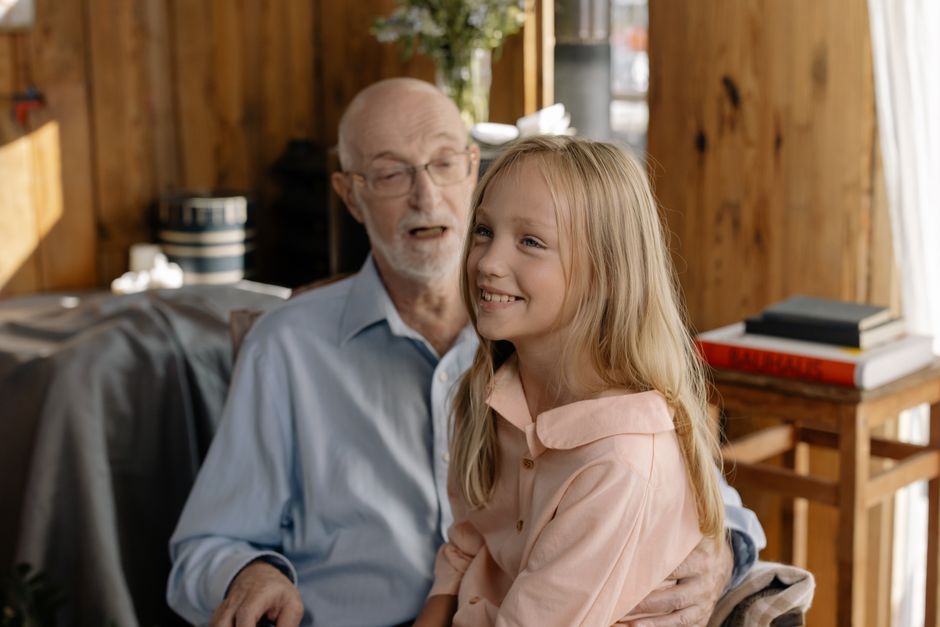
On the second morning, a glass broke in the living room. My mom was in the kitchen. Our middle one came in and said a word that was not quite the truth. Our middle one said the glass fell. My mom asked, who was holding the glass when it fell? There was a long pause. Then the real story came out. My mom did not yell. My mom said thank you for telling me and handed over the broom.
A reader named Walter P., 71, of Chattanooga, Tennessee, wrote, “I told my grandson that I will always be more upset about the lie than the broken thing. He tested that once. I kept my word. He has told me the truth ever since.”
Teach grandchildren that the truth is always safer with you than a lie.
Finish the job before you stop
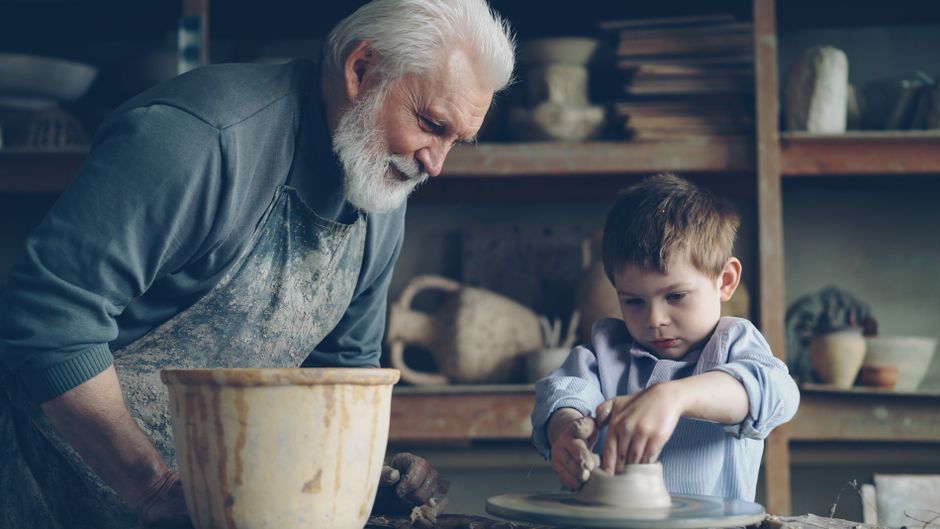
On Tuesday, my mom asked our oldest to help rake leaves in the backyard. Our oldest raked for about ten minutes, then wandered toward the door. My mom called out, is the pile done? Our oldest said no. My mom said, then the job is not done. Our oldest went back out. The pile got finished. My mom carried the lemonade out when it was done, not before.
Diane R., 64, of Spokane, Washington, sent this reply: “My grandmother made me finish every job I started, even small ones. I hated it then. Now I am the person at work who follows through. That came from her.”
Teach grandchildren that stopping halfway is not the same as being done.
Make room at the table for whoever is there
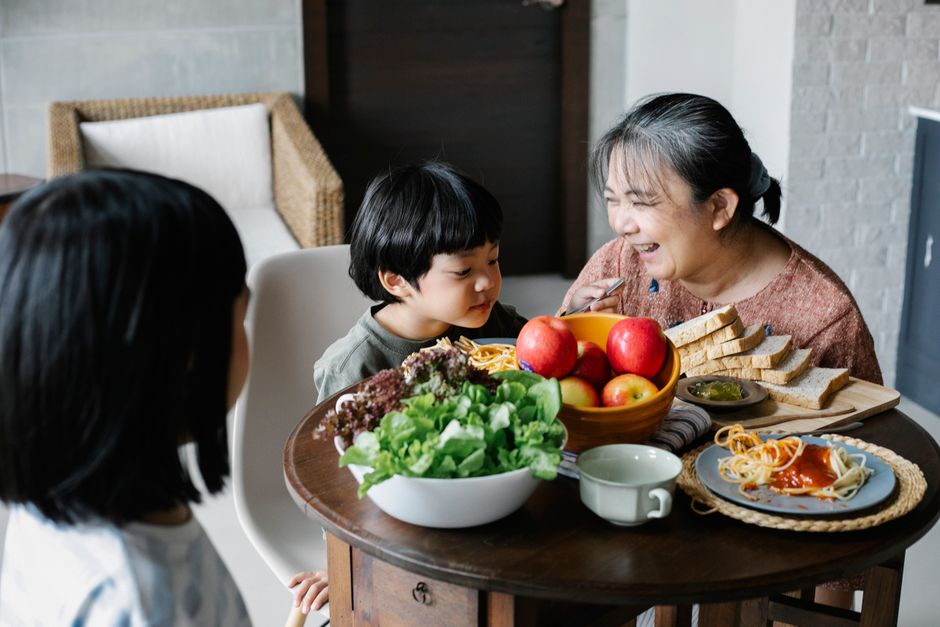
On Wednesday night, a neighbor kid was playing in our yard when dinner was ready. I was about to send the neighbor kid home. My mom pulled out an extra chair and set another plate. My mom said, there is enough. The neighbor kid ate with us. My kids watched the whole thing. Nobody made a speech about it.
A reader named Ruth T., 73, of Lincoln, Nebraska, wrote, “My grandchildren know that if someone is in the house at mealtime, they eat. I never explained it. I just set the plate. Now my oldest granddaughter does the same thing in her own apartment.”
Teach grandchildren that there is room at the table for one more, and show it instead of saying it.
Wait a day before you spend
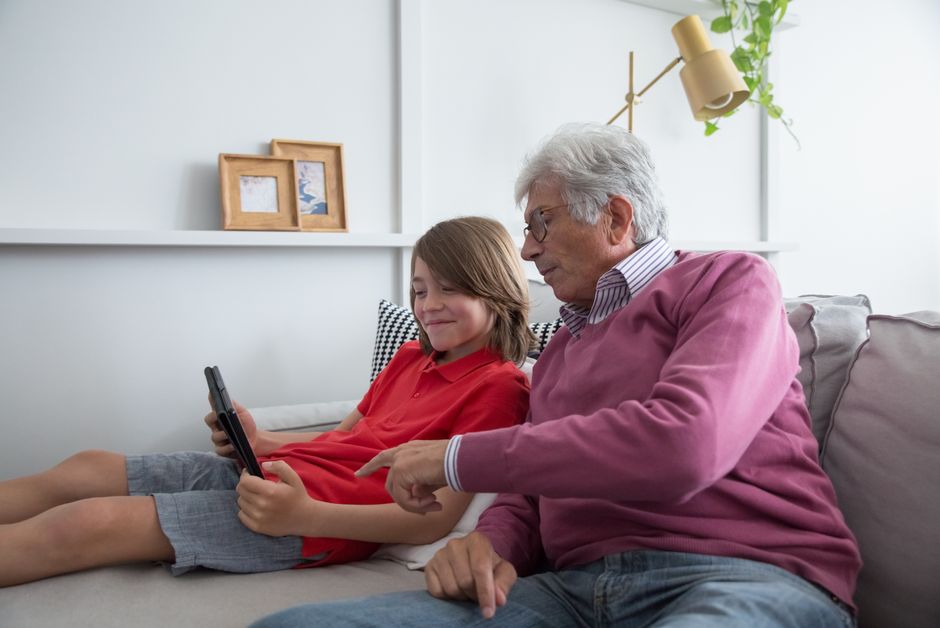
On Thursday, my mom took my kids to the store for a few groceries. Our middle one came home talking about a toy on an end cap. My mom had said no, not today. My mom had also said, if you still want it tomorrow, we can talk about it. The next day, our middle one did not mention the toy once.
Harold K., 69, of Toledo, Ohio, wrote, “I give my grandkids a rule. Sleep on it. If you still want the thing after a night of sleep, we talk. Most of the time they forget. The times they remember, I know it matters to them.”
Teach grandchildren to wait a day before spending, and let the waiting do the work.
A real apology names what you did
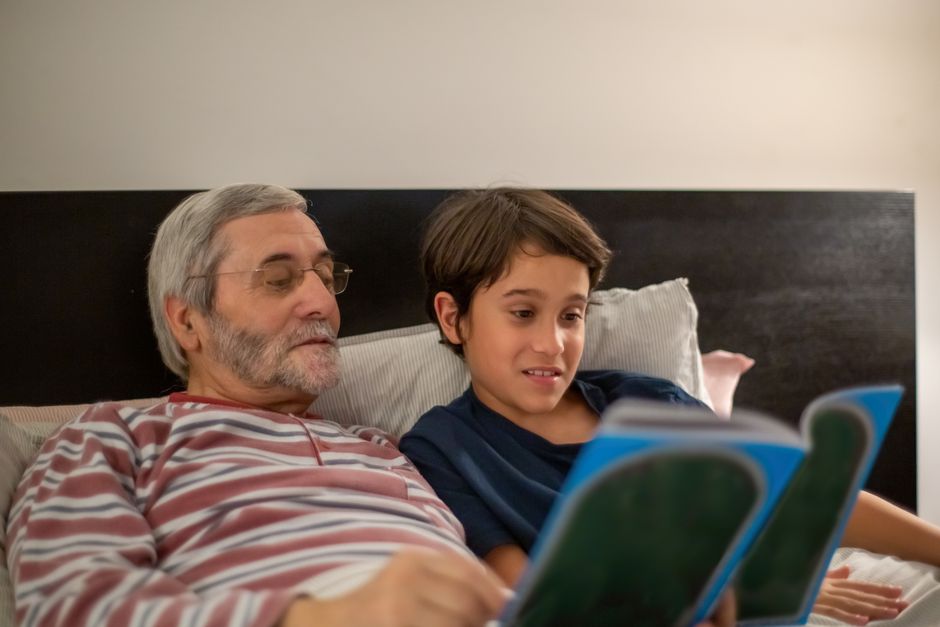
On Friday, our youngest knocked over a tower of blocks that our oldest had spent the morning building. Our youngest said sorry in a fast, quiet voice and tried to walk away. My mom crouched down and asked, sorry for what? Our youngest had to say it. Sorry for knocking over the tower. Then my mom asked, what can you do now? Our youngest helped rebuild it.
Janet S., 66, of Raleigh, North Carolina, sent this reply: “I taught my grandkids that sorry is a sentence, not a word. Sorry for what. What will I do about it. If they cannot fill in the blanks, they are not sorry yet.”
Teach grandchildren that an apology names the wrong and offers a way to fix it.
Listen to people who have lived longer
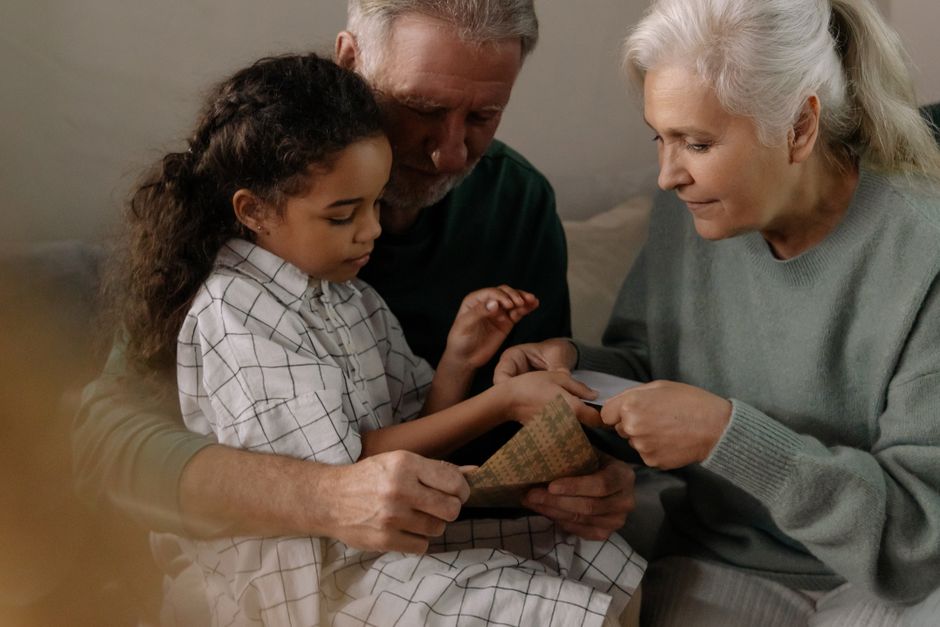
One afternoon that week, my mom started telling a story at the kitchen table about the winter the furnace broke when I was small. My kids were half listening and half looking at the ceiling. My mom kept going anyway. By the end, all of my kids were leaning in. Our oldest asked a question. Then another one. The story lasted longer than the cookies did.
A reader named Frank D., 72, of Albany, New York, wrote, “My grandkids used to roll their eyes at my stories. I told them one day I will not be here to tell them. They started listening. Now they ask for the stories.”
Teach grandchildren that older people carry stories worth hearing, and that asking for a story is a gift to the person telling it.
Take care of what you own
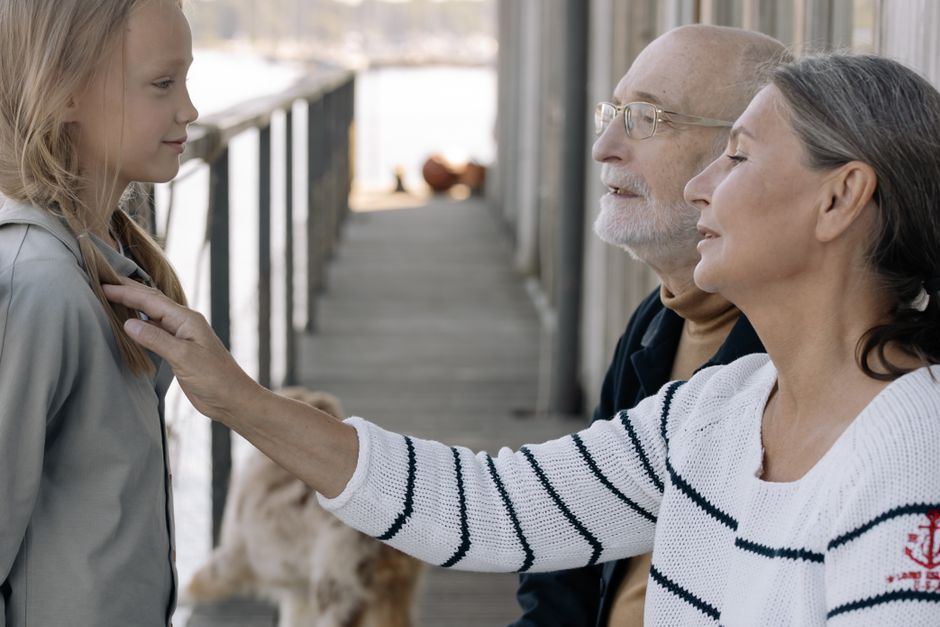
On Saturday morning, my mom found a pair of muddy shoes on the porch. The shoes belonged to our oldest. My mom did not clean the shoes. My mom got a bucket of water and an old rag and set them next to the shoes. Then my mom called our oldest outside. The two of them cleaned the shoes together. My mom talked about how long a good pair of shoes can last if someone takes care of them.
Pauline W., 70, of Boise, Idaho, wrote, “I grew up when things were not easy to replace. I want my grandchildren to know that taking care of a thing is a form of respect. For the thing, and for the person who paid for it.”
Teach grandchildren that caring for what they own is part of owning it.
Being bad at something new is normal
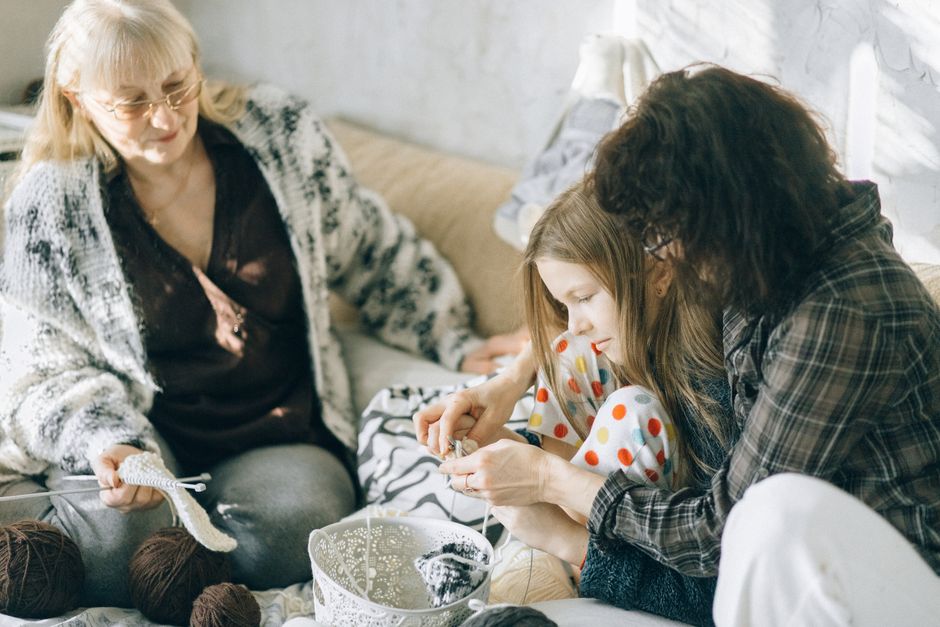
My mom brought her knitting needles on the visit. Our middle one wanted to learn. The first attempts were a mess of knots. Our middle one got frustrated and threw the yarn on the couch. My mom picked it up and said, my first scarf looked worse than this. Then my mom showed the stitch again, slower. By the end of the week, our middle one had a lumpy square that was definitely knitting.
Gloria H., 65, of Tucson, Arizona, sent this reply: “I tell my grandchildren that everyone is bad at the start. Everyone. The only question is whether you keep going. That is the whole secret, and it is not even a secret.”
Teach grandchildren that being bad at something new is the normal first step, not a sign to quit.
Family shows up when it counts
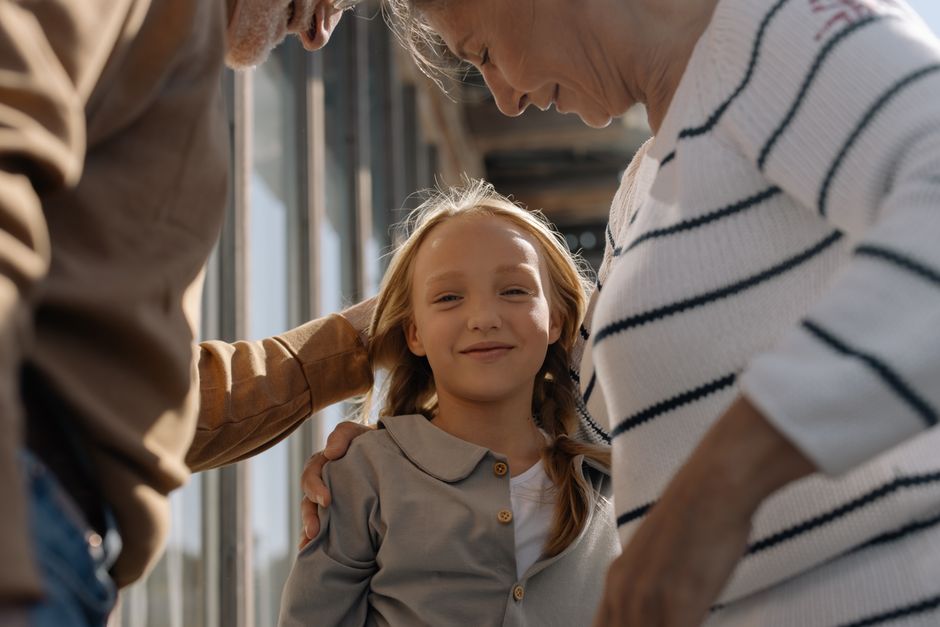
On the last day of the visit, my husband finally had a short day at work and came home early. My mom had made dinner. My husband thanked my mom for the week. My mom said, that is what family does. I sat at the table and thought about the fact that my mom had packed a bag and driven here because I asked. My kids saw that.
A reader named Leonard B., 68, of Grand Rapids, Michigan, wrote, “My grandchildren know that I will come. Recital, hospital, bad day, I will come. I want them to grow up and be the person who comes.”
Teach grandchildren that family shows up, and let them see it happen in real life.
My mom drove home on Sunday. The house was quieter, and the stack of reader replies was still on the counter. I read through the pages one more time. None of the lessons were big or complicated. All of them were taught in small moments, usually without a lecture.
I am not a grandparent. I am a mom of three who used to teach, and I know that kids learn more from what they watch than from what they are told. My mom taught my kids ten things in a week without once sitting them down for a talk.
What is the one lesson you most want your grandchildren to carry with them?
About the author