These Old People Habits Never Really Made Sense to Me… Until Now

The clocks fell back this month, and my whole house felt it. My kids were up before the sun and cranky before dinner. My husband came home in the dark and ate standing at the counter. I was tired by the middle of the afternoon and did not know what to do about it.
By the middle of that week, I noticed something. I was doing things I used to tease older people for. I was in bed early. I was checking the weather before I left the house. I was carrying a sweater everywhere. I had a paper calendar on the fridge with everything written on it. My mom used to do all of this, and the older women at church did too, and I thought it was a little funny when I was younger.
It is not funny anymore. It makes sense. I asked readers of this blog to tell me which old fashioned habits they finally came around to, and I kept my own list all week. Here is what I noticed, scene by scene, during that cold, dark, early November week with my husband and my three kids.
Going to bed early is not giving up
On the Monday after the time change, my husband and I looked at each other at a quarter past eight. My kids were asleep. The dishes were done. My husband said he was going to read in bed for a few minutes. I followed him upstairs and turned off the kitchen light without feeling guilty about it. I used to stay up late to feel like I had some time to myself. I would scroll and snack and go to bed annoyed. That night I was asleep before the house was fully quiet, and I woke up before my kids for the first time in weeks. Going to bed early is not a sign that life is over. It is a sign that the morning matters more than the late show.
Eating dinner before dark keeps everyone kinder
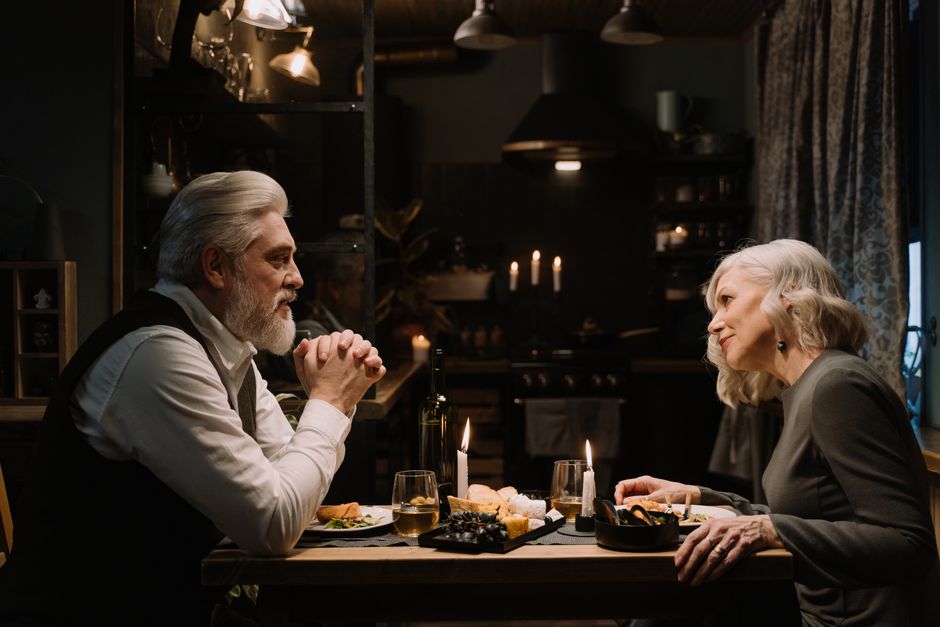
That same week I moved dinner up. My kids were melting down by the time it got dark, and it got dark early. So I had food on the table while there was still a little light outside. My husband walked in from work and we were already eating, and he sat down and joined us without the usual rush. Nobody was starving. Nobody was crying over a fork. I used to think eating early was something only older couples did at the diner. Now I think they figured out something I missed. A hungry family at six is a very different family than a fed family at six. Eating earlier gives the evening room to be calm.
A paper calendar on the fridge saves arguments
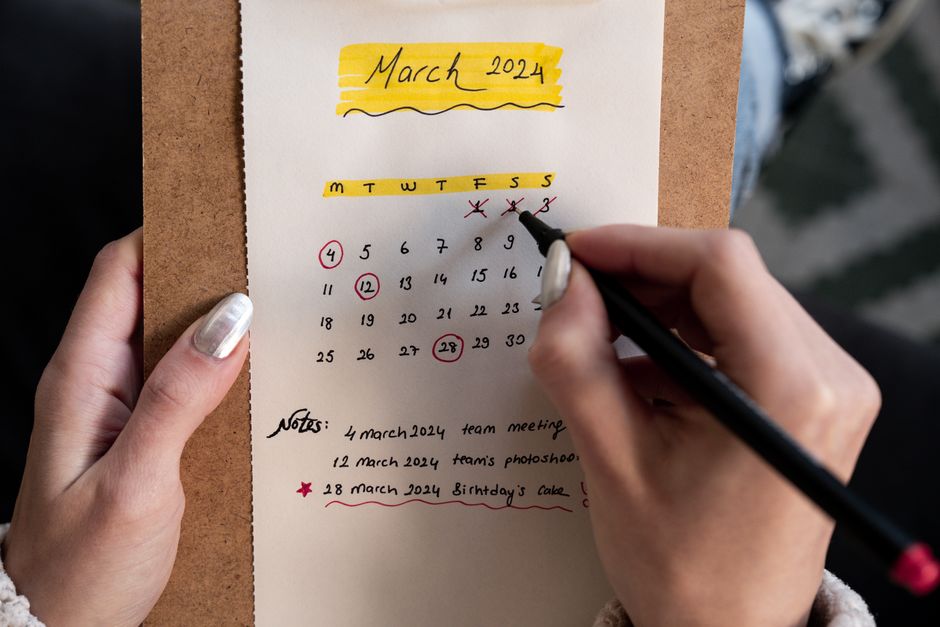
On Tuesday my husband asked me what time the school thing was. I did not have to pick up my phone. It was written on the paper calendar stuck to the fridge, in blue pen, with the room number next to it. My kids can read it too, and our oldest likes to check what is coming up. My mom kept a calendar like this by the phone when I was little, and I thought it was old fashioned when everything moved to apps. The app is still on my phone. But the fridge calendar is where our family actually looks. Anyone can see it without unlocking anything. A calendar everyone can see cuts down on the question of who forgot to tell whom.
Carrying a sweater everywhere is just good planning

Wednesday morning was cold and the afternoon was warm. I packed a sweater in my bag, and I grabbed a small jacket for our youngest without thinking about it. At pickup, our youngest was cold and the jacket was right there. I used to laugh at the women who brought a cardigan to a restaurant in July. Now I am that woman, and I am comfortable, and I am not asking anyone to turn down the air. One reader, Marlene T., who is 61 and lives in Dayton, Ohio, told me, “I have a sweater in the car, a sweater at my desk, and a sweater in my purse. I have not been cold in a decade.” Being prepared for the weather is not fussy. It is practical.
Writing a list by hand keeps the list in your head
On Wednesday afternoon I sat at the kitchen table and wrote the grocery list by hand on the back of an envelope. I could have typed it. But when I write it by hand, I remember it even if I leave the envelope in the car, which I did. At the store I bought what we needed and skipped the aisles I did not need. My kids were with me and I did not have to keep looking down at a screen with them pulling on my arm. My mom kept a list pad on the counter my whole childhood and I used to think it was quaint. A handwritten list is slower to make and faster to use.
Checking the weather before leaving is not a joke
My husband used to tease me because I check the weather every morning before anyone leaves the house. That Thursday it said rain by noon. I put boots and an umbrella in the car and told our oldest to wear the raincoat instead of the hoodie. At pickup it was pouring. Every other parent was running with a coat over their head. We were dry. Older people talk about the weather a lot, and I used to think it was because they had nothing else to say. Now I think they just know that the weather is the thing that decides how the whole day goes. A quick check in the morning saves a soaked afternoon.
Taking a walk after dinner settles the whole house
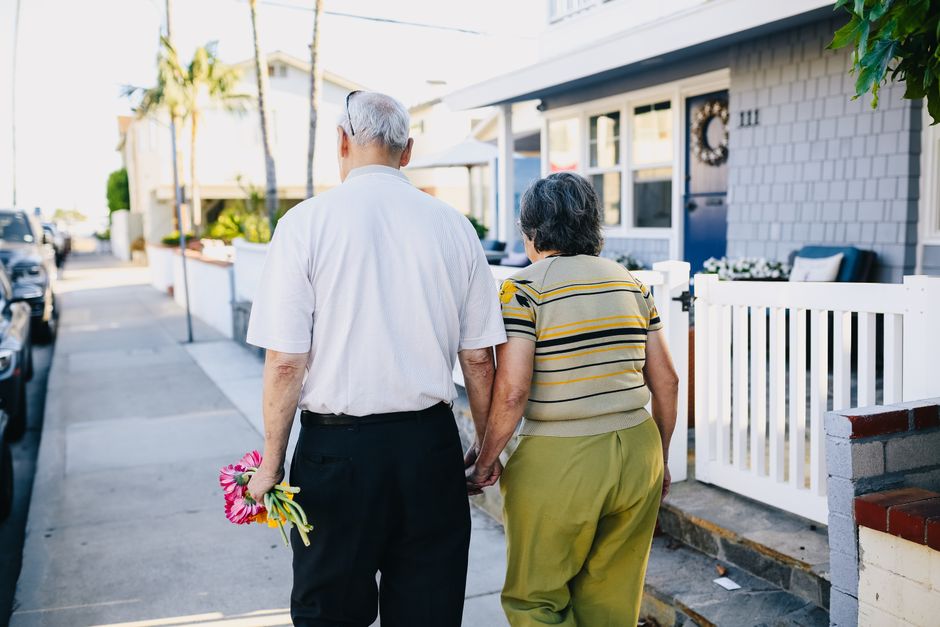
That Thursday the rain stopped before dinner was over, so my husband and I took my kids around the block in the last bit of daylight. Nobody wanted to go. Our youngest complained for the first few houses. Then everyone got quiet and started pointing out the lit windows and the leaves in the gutters. We came back in and the bedtime routine went smoothly for the first time that week. My grandparents’ generation called this the evening constitutional, and I thought it sounded stuffy. It is not stuffy. It is a short, slow walk that moves dinner through your stomach and moves the fuss out of your kids. A walk after dinner is the cheapest bedtime help I know.
Eating the same breakfast every day is a relief
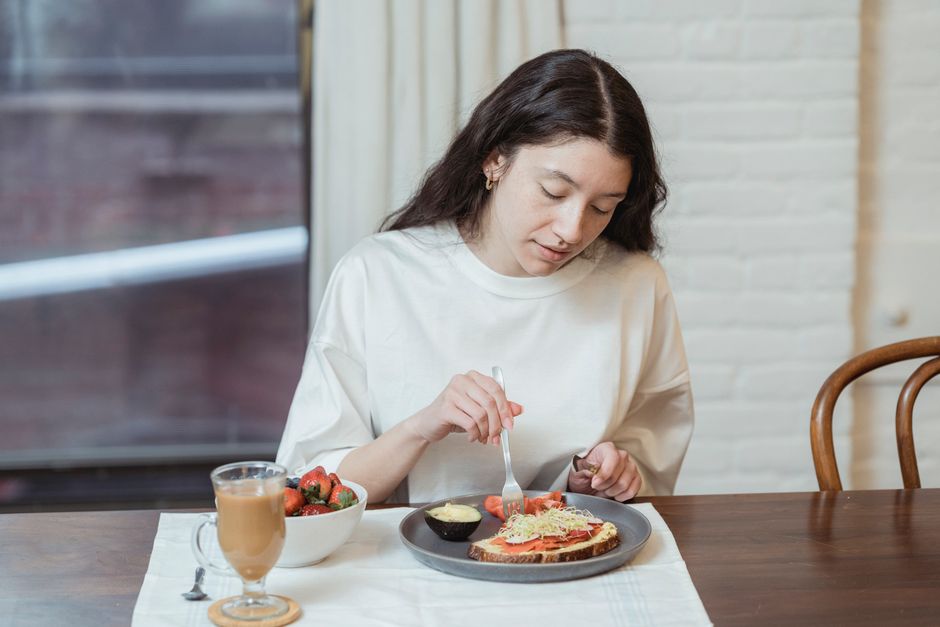
By Friday I realized I had eaten the same breakfast every morning that week. Oatmeal, a little brown sugar, a cup of coffee. My kids each have their own version of a standard breakfast too. I did not plan it. I just did not have the energy to decide. And it was wonderful. I did not stand in front of the fridge. I did not use up good thinking on a small question. Older people I know eat the same breakfast for years and I used to think that was boring. A reader named Harold B., who is 70 and lives in Spokane, Washington, wrote, “I have eaten the same two eggs since my wife passed. It is one less thing to figure out before the day starts.” Deciding once is a kindness to your morning self.
Calling instead of texting gets things settled
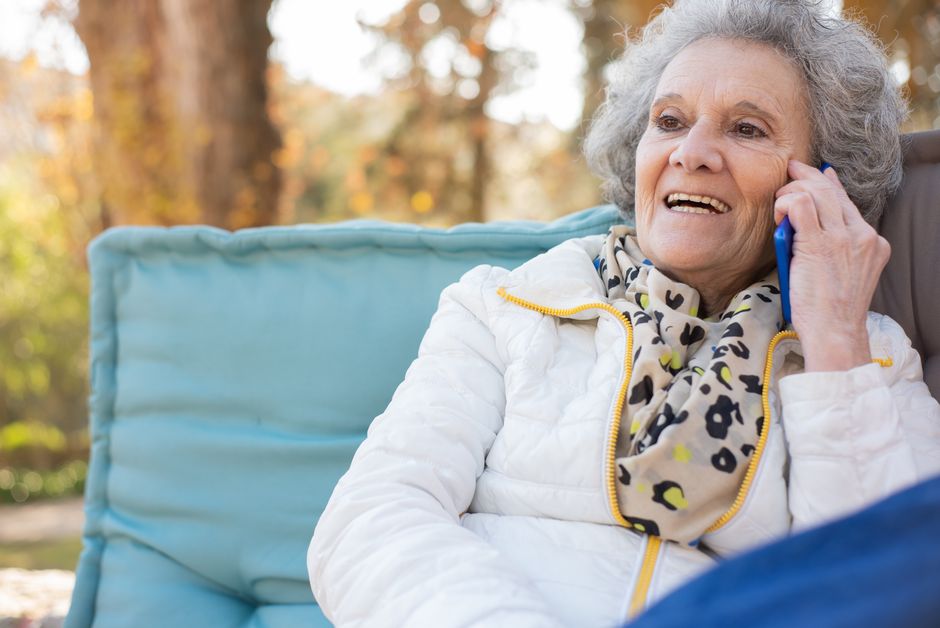
On Friday I needed to work out a carpool with another mom. We had been texting back and forth for two days. I finally just called her. The whole thing was settled in four minutes. My mom has always picked up the phone instead of texting and I used to find it a little much. Now I understand. A phone call has a tone of voice. It has a beginning and an end. Nobody is left wondering what a period at the end of a text meant. I am not saying texting is bad. I text my husband all day. But when something needs to actually get decided, I am going to call. A short call beats a long text thread.
Wearing comfortable shoes is self respect
Saturday morning we went to the pumpkin patch that was still open, and I wore my ugly supportive sneakers. My feet did not hurt. My back did not hurt. I carried our youngest through the mud without worrying about my shoes. I spent my twenties in shoes that looked good and felt terrible. I used to see older women in their sensible shoes and think they had stopped caring. They had not stopped caring. They had started caring about the right thing. My husband has worn the same style of work boot for years and never complains about his feet. Comfortable shoes let you stay out longer and come home nicer.
Doing the dishes right after dinner changes the morning
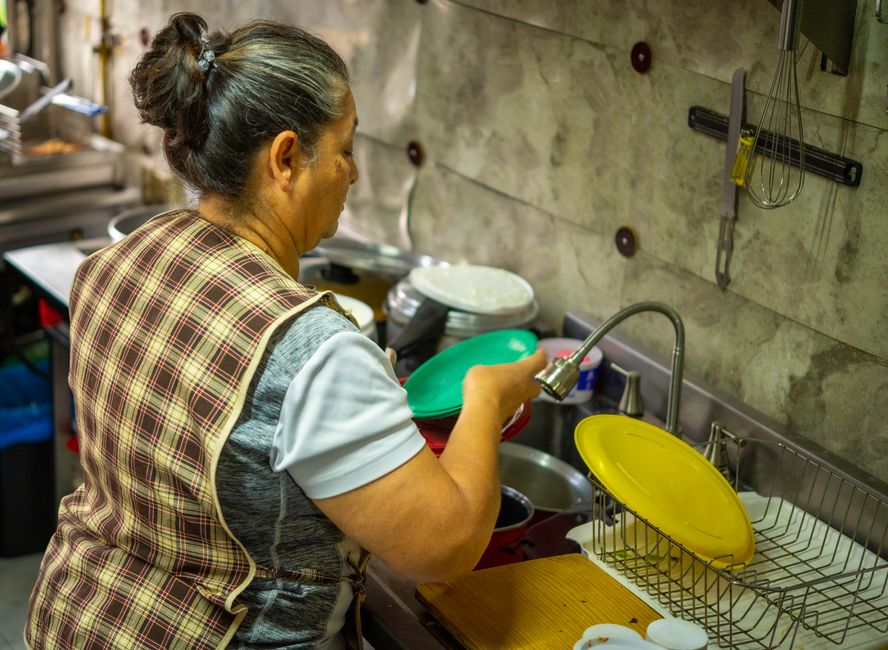
Saturday night I was tempted to leave the dishes. My husband was already putting my kids to bed and I wanted to sit down. Instead I ran the water and did them, and it took less time than I thought. Sunday morning I came down to a clean sink and a clear counter. I started the coffee without moving a single dirty pan. The relief was out of proportion to the work. My mom never once left dishes in the sink overnight, and I thought that was a rule about appearances. It is not about appearances. It is about handing your morning self a clean kitchen. The dishes take the same amount of time at night, and the morning is better for it.
Keeping a glass of water by the bed is not fussy
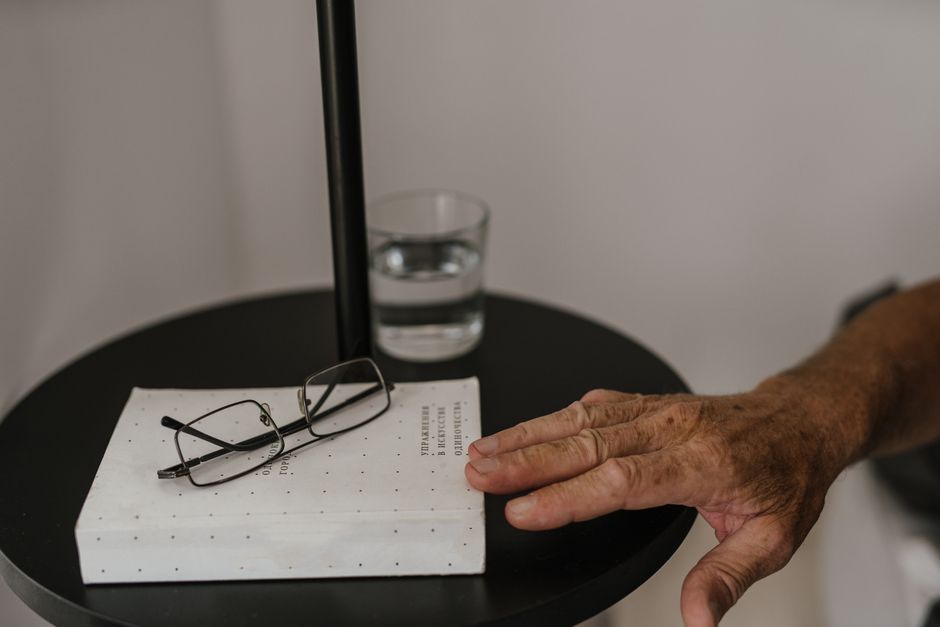
That Saturday I filled a glass of water and set it on my nightstand before bed. I had seen older relatives do this and never understood it. I woke up at some point in the night with a dry mouth and the water was right there. I did not have to go downstairs and wake up fully. I drank it and went back to sleep. In the morning I drank the rest before I did anything else. It is such a small thing. It costs nothing. Older people have a lot of small habits like this, little arrangements that keep them from doing unnecessary trips. A glass of water by the bed takes care of a problem before it starts.
A short afternoon rest is not laziness
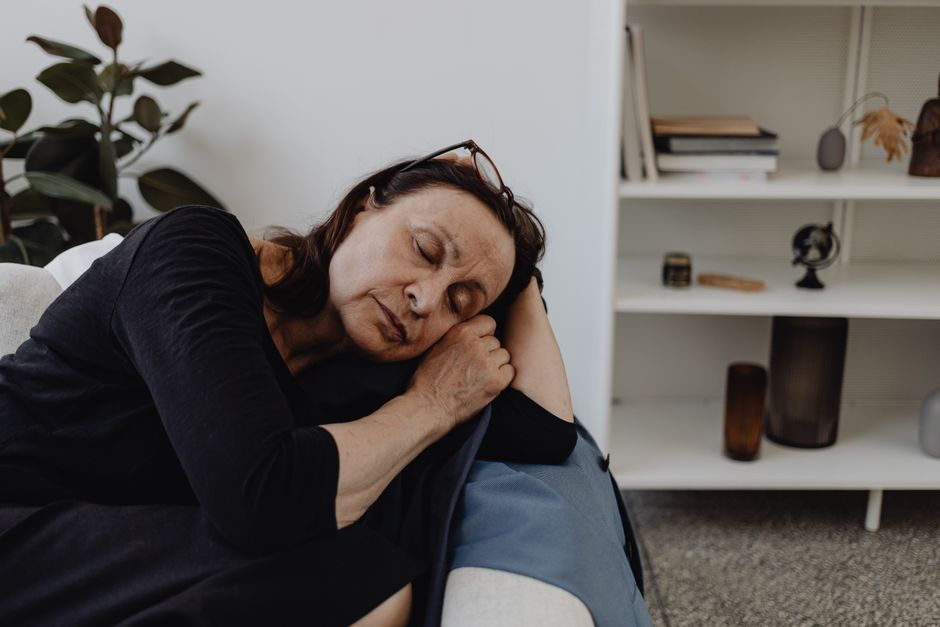
Sunday afternoon I sat down on the couch while my husband took my kids outside, and I fell asleep for twenty minutes. I woke up embarrassed and then I noticed I felt fine. Better than fine. I made dinner without snapping at anyone. I used to think napping was for toddlers and for the very old. But I had been tired all week and this was the first time I let myself rest in the middle of the day. A reader named Ruth A., who is 66 and lives in Burlington, Vermont, told me, “I lie down for a bit after lunch every day. I do not sleep every time. I just stop. My husband used to tease me and now he does it too.” A short rest in the afternoon makes the evening possible.
Saying no to plans after dark protects the week
Sunday evening a friend texted about meeting up on a weeknight. It would have started after my kids were in bed and run late. I said no. I did not make up an excuse. I said I was keeping my evenings quiet this month. My husband looked relieved when I told him, because he had been counting on a slow week too. I used to say yes to everything and then resent it on the drive home. Older people I know turn down evening plans without apology and I thought that was a little sad. It is not sad. It is clear thinking about how much energy they actually have. Protecting your evenings is how you show up for your mornings.
Knowing your neighbors is a kind of safety
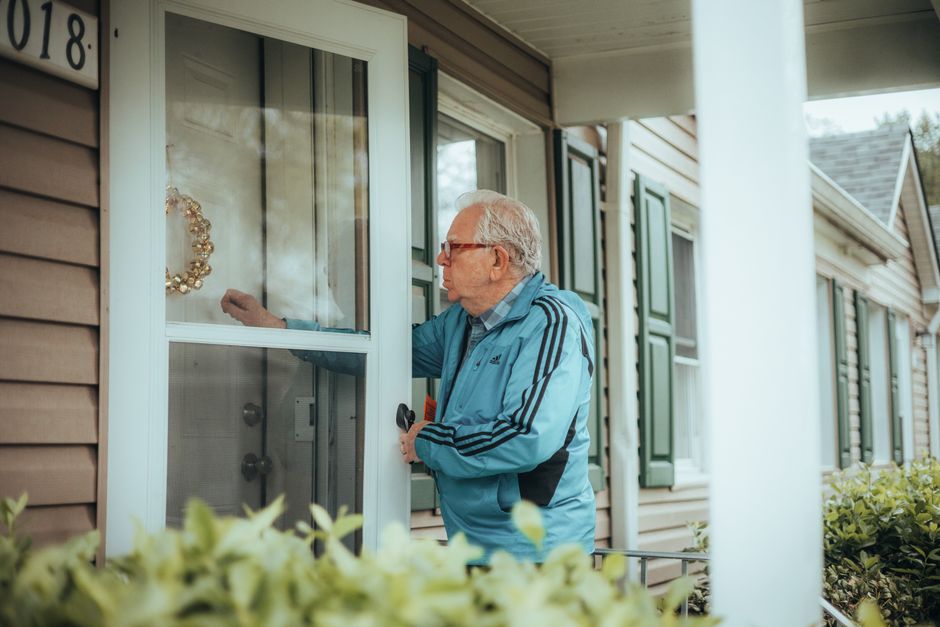
On Monday of the following week, a package for us was left on the wrong porch. My neighbor across the street walked it over before I even knew it was missing. I knew her name and she knew mine because we talk in the driveway. My mom knew every person on her street when I was growing up, and I found it embarrassing as a teenager. Now I see it differently. If one of my kids ever wandered too far down the sidewalk, I know exactly who would notice. If my husband and I both got sick, I know who I could call. Knowing your neighbors is not nosy. It is the oldest form of help there is.
Having a laundry day keeps the pile from winning
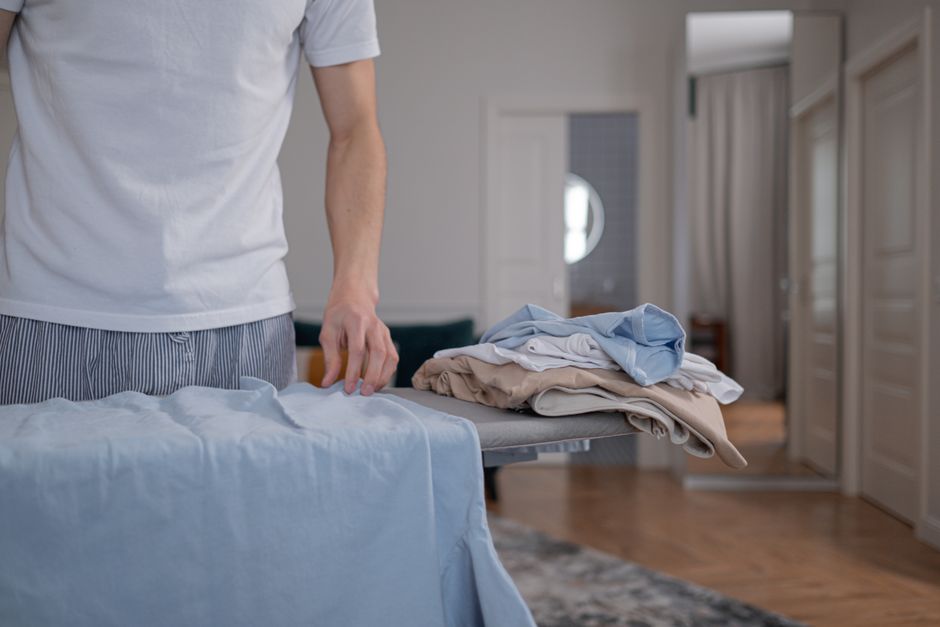
That Monday was laundry day in our house, because I made it laundry day a few weeks ago. Before that, laundry happened whenever the hamper fell over. Now I start a load after breakfast every Monday and keep it moving through the day. By dinner, my husband’s work clothes and my kids’ school clothes are folded on the beds. I used to hear older women say things like “Monday is wash day” and I thought that was from a different century. It might be. But a set day means I never wake up to a child with no clean socks. Giving a chore a fixed day takes the decision out of it.
Saving jars and containers is just thrift
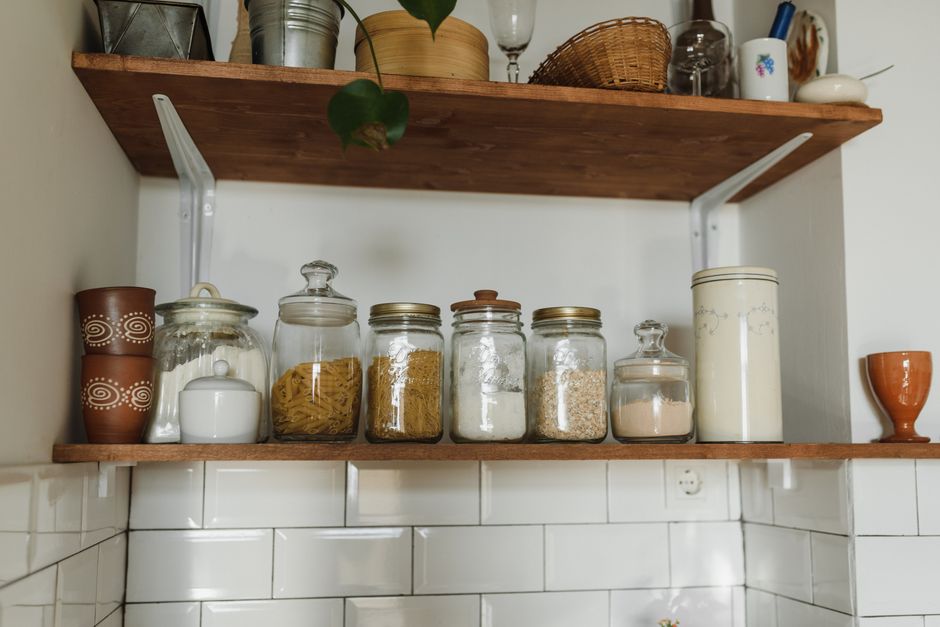
Tuesday I needed a container for the leftover soup and I reached for a clean jar that used to hold pasta sauce. It fit perfectly. My husband teased me a little about the cupboard of saved jars. But I use them for soup, for buttons, for crayons, and for the pencils my kids leave everywhere. My mom had a drawer of twist ties and rubber bands and folded foil and I rolled my eyes at it for years. I understand it now. Buying a new container for every need is wasteful, and good jars are free with the groceries. Saving useful things is not clutter when you actually use them.
Mending what is torn is worth the half hour
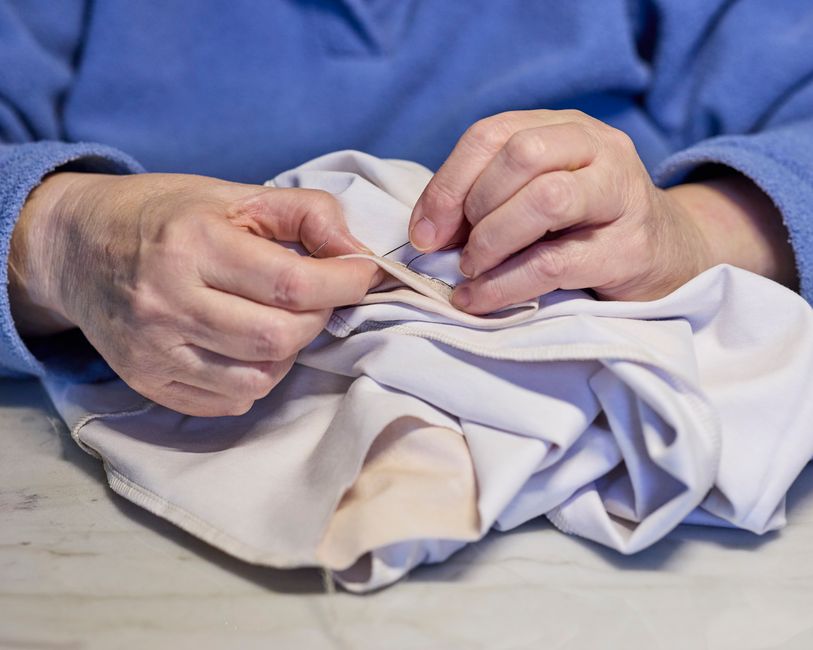
Tuesday night I sat on the couch while my husband watched the game and I sewed a button back on our oldest’s coat. It took less time than finding a new coat would have. The coat is fine. Our oldest likes that coat. I had a mending basket growing up because my mom did, and I thought it was something people did before stores existed. Then I noticed how fast my kids go through clothes and how many of those clothes just needed a stitch. I am not a good sewer. I do not need to be. A button, a hem, a small hole, those I can do. Fixing a small thing keeps a good thing in use.
Buying fewer things that last beats buying often
Wednesday I replaced our old kitchen knife. I bought a plain, heavy one that cost more than I wanted to spend. My husband raised an eyebrow. But the cheap knives I kept buying went dull in months and I had bought several over the years. Older people I know own fewer things, and the things they own are good and they have had them a long time. I used to see this as being stuck in the past. It is actually being done with the problem. A reader named Dolores K., who is 58 and lives in Tulsa, Oklahoma, wrote, “I bought a good cast iron pan when I got married and I still cook in it every single day.” Buying well once is cheaper than buying poorly over and over.
Turning the volume down is caring for your ears
Thursday the television was on, my kids were playing, and my husband came in and turned the volume down without a word. We looked at each other and laughed, because we both heard my mom in that gesture. Then we noticed the room was easier to be in. My kids were less wound up. Our youngest stopped shouting to be heard. I grew up thinking older people wanted things quiet because they were grumpy. Now I think they wanted things quiet because quiet is nicer and loud wears you out. A quieter house is a calmer house, and nobody has to shout over it.
Keeping a small snack in your bag prevents meltdowns
Thursday afternoon the pickup line ran long and our youngest started to fall apart in the back seat. I reached into my bag and pulled out a small bag of crackers I had put there that morning. The crisis was over. I used to make fun of older women who always had a mint or a cracker in their purse. Now I know they were never caught out. They were never the one with the hungry, crying child and nothing to offer. My husband keeps a granola bar in his glove box for the same reason. A snack in your bag is cheap insurance against a bad hour.
Sending a handwritten card still means something
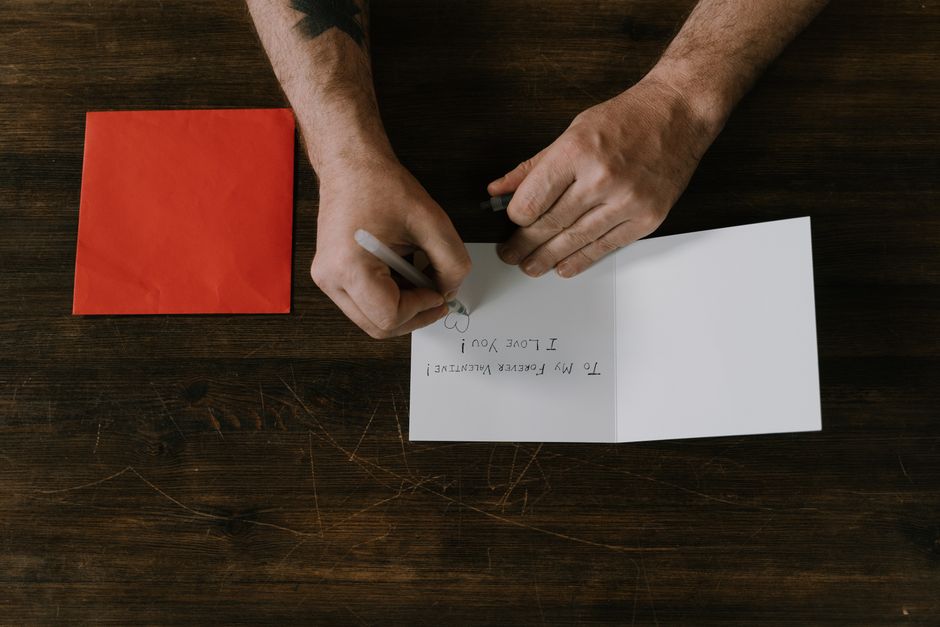
On Friday I sat at the kitchen table after my kids left for school and wrote an actual card to a friend who had a hard month. I put a stamp on it and walked it to the mailbox. It took less time than I expected. My mom has sent cards for every birthday and every hard time for as long as I can remember, and I used to think it was old fashioned when a text would do. A text does not sit on a windowsill. A card does. My friend called me when it arrived and we talked for an hour. A handwritten card tells someone you spent real time on them.
Getting up early buys you a quiet hour
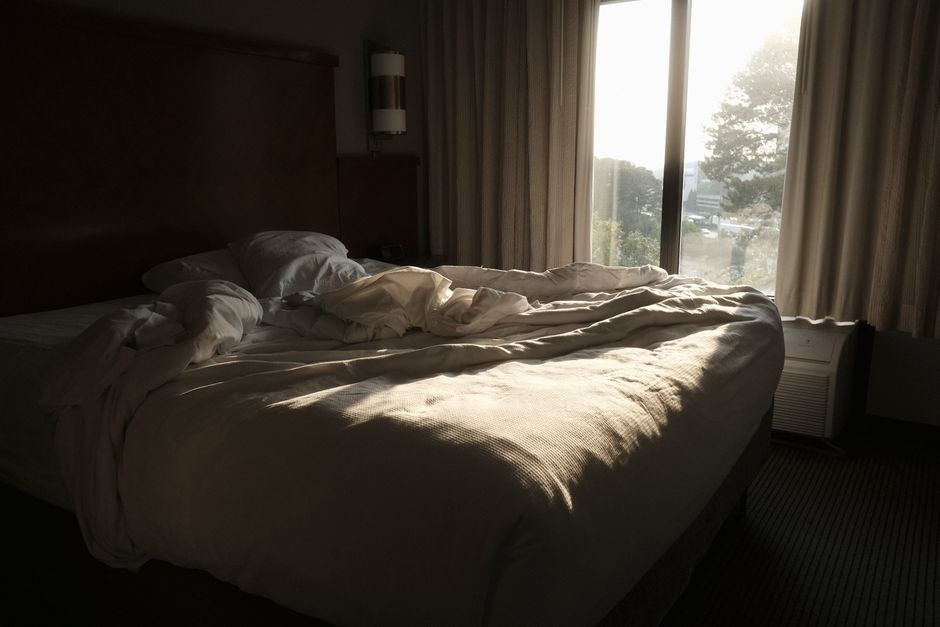
By the end of that stretch, I was waking before my kids most days without an alarm. Going to bed earlier made it possible. I came downstairs in the dark, started the coffee, and sat at the kitchen table with nothing to do. No one needed anything. My husband came down a bit later and we actually talked before the day started. I used to think older people got up early because they could not sleep. Maybe some of them cannot. But I think most of them learned that the quiet hour before the house wakes up is the best hour of the day. Getting up early is how you get time that belongs to you.
That week with the early dark and the tired kids taught me more than I expected. I am not old. I am a stay at home mom with a husband who comes home in the dark this time of year and kids who need dinner on time. But the habits I used to tease older people for turned out to be the very things that got my family through a hard, cold week.
I am keeping most of them. The early bedtime. The sweater in the bag. The calendar on the fridge. The walk after dinner. None of it is fancy and none of it costs much. It just works, and it has worked for a long time for people who figured it out before I did.
Which old fashioned habit have you quietly started doing, and when did it stop feeling old fashioned to you?
About the author