Rules to Be Happy in Your 60s

Last week I asked the readers of this blog who are in their sixties a plain question. What rules do you live by that actually make you happy? I did not expect much. I got more replies than I could read in a single sitting.
So I spent the whole week reading them at the kitchen table. I read a few in the morning after the school drop off. I read a few more while dinner was in the oven. I read the rest at night after my husband got home and my three kids were in bed. I am not in my sixties. I am a stay at home mom and a former teacher. But almost every reply landed on something I could see in my own house that same day.
Here are the rules that came up over and over. Each one comes with the moment from my week that made it stick.
Move your body a little every single day

On Monday morning I read a reply from Ruth A., 64, of Lancaster, Pennsylvania. She wrote, “I walk to the end of my street and back every morning before coffee. Some days that is all I do. Some days it turns into a mile. The rule is only that I go.” I read that while my youngest was asking me to go outside before breakfast. I usually say later. That morning I said yes. We walked to the corner and back in our pajama pants and coats. It took about as long as a cup of coffee cools. I felt more awake than I had all month. The rule is not a workout plan. The rule is that you go out the door, even for a short distance, even when the day is cold.
Say yes to the invitation even when you are tired

Walter B., 67, of Fort Collins, Colorado, wrote me a long reply. The part I kept rereading was this. “After I retired I started saying no to things. Card nights, church suppers, a neighbor’s fish fry. I told myself I was tired. The truth was I was getting comfortable with being alone, and that is a quiet way to get sad. Now I say yes first and figure out how tired I am later.” On Tuesday a mom from my kids’ school texted and asked if I wanted to grab coffee after pickup. My first thought was no. I had laundry. I thought about Walter and said yes. We talked for an hour and I came home lighter. Being tired is real, but saying yes to people is what keeps you from feeling alone.
Keep something small on the calendar to look forward to
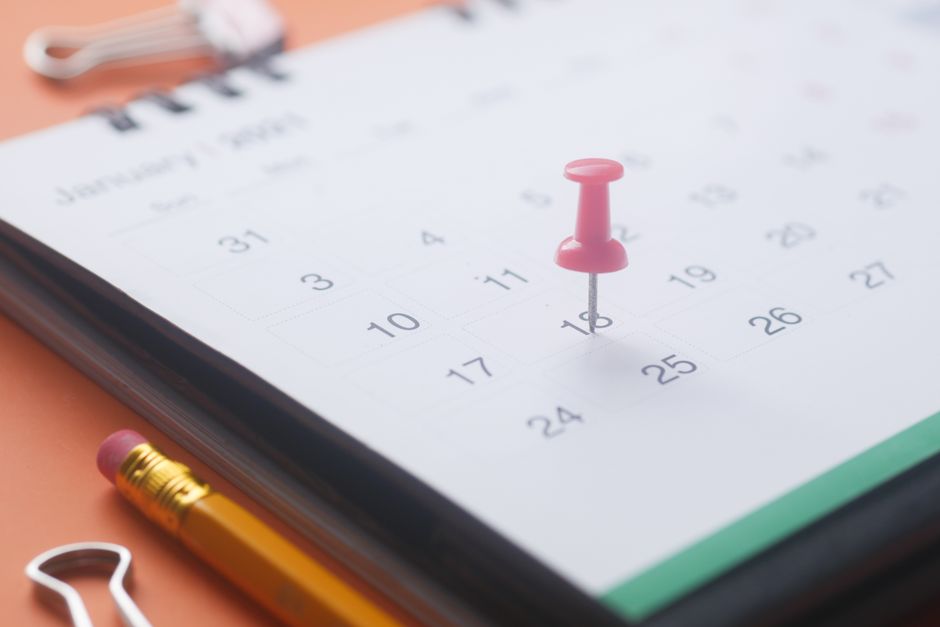
Joan M., 62, of Savannah, Georgia, keeps a rule that sounded almost too simple. “Every week has to have one thing I am looking forward to. It can be tiny. A library book coming in. A lunch date. A new recipe. If I look at the week and there is nothing, I put something there on purpose.” On Wednesday I looked at my own calendar. It had a dentist appointment, two practices, and a form due at school. Nothing I actually wanted. So I wrote “pie with my husband after the kids are asleep” on Friday night. It cost almost nothing. But every time I saw it on the fridge that week I felt better. A week with nothing good in it is a choice, and you can change it with a pen.
Let go of needing to be right
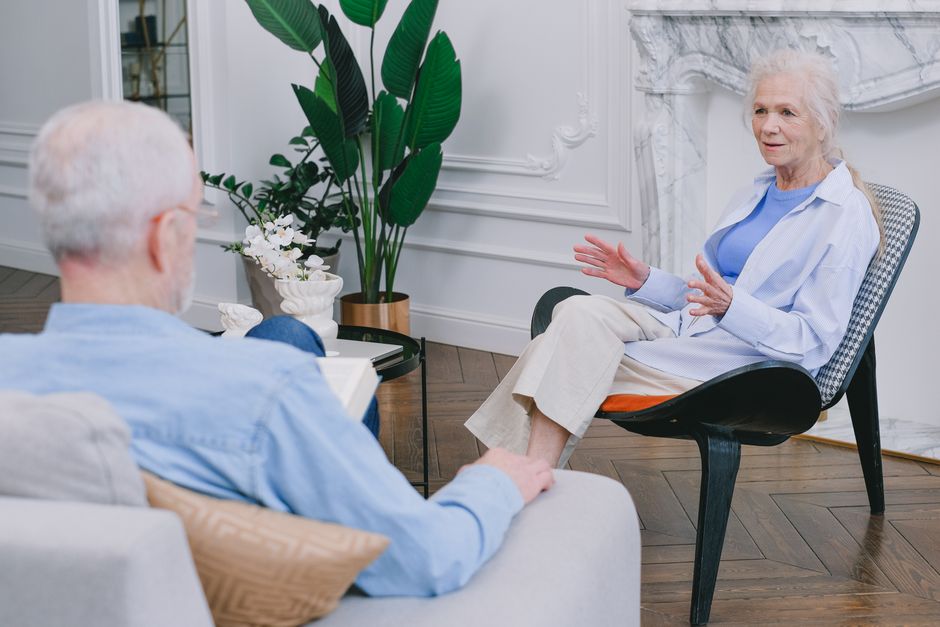
Dennis K., 69, of Spokane, Washington, wrote, “I spent most of my life proving points. To my wife, to my boss, to my brother. In my sixties I noticed that winning an argument never once made me happier. So I stopped trying to win. I still say what I think. Then I let it go.” On Wednesday night my husband and I disagreed about whether our oldest should quit an activity. I had my reasons lined up. I was ready to make my case for twenty minutes. Instead I said my piece once and let my husband say his. We did not solve it that night. But we went to bed without the tight feeling I usually carry after those talks. Being right feels good for a minute. Being at peace with the people in your house feels good for a lot longer.
Learn something new on purpose
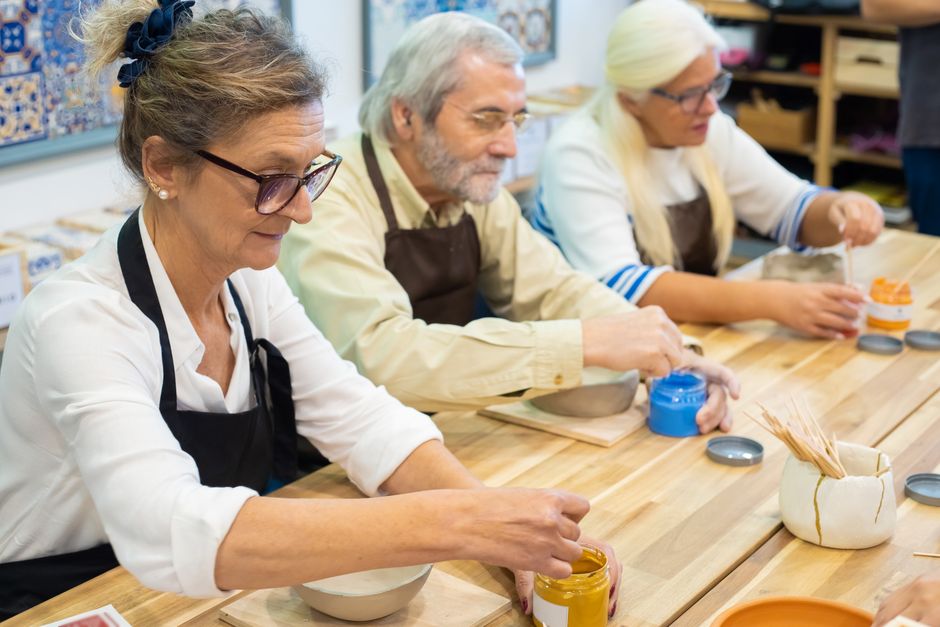
Pauline S., 66, of Rochester, Minnesota, told me she took a beginner watercolor class at the community center last spring. “I was terrible. I was the oldest one in the room. I loved every minute. Learning something badly at my age felt better than doing something well that I had done a thousand times.” On Thursday my middle one brought home a sheet of simple origami folds from school. I sat down to help and realized I could not do it either. So we learned it together, slowly, with a lot of crumpled paper. My middle one laughed every time I messed up. I did not mind. There is a kind of happiness that only comes from being a beginner, and it does not run out at any age.
Stop measuring yourself against who you used to be
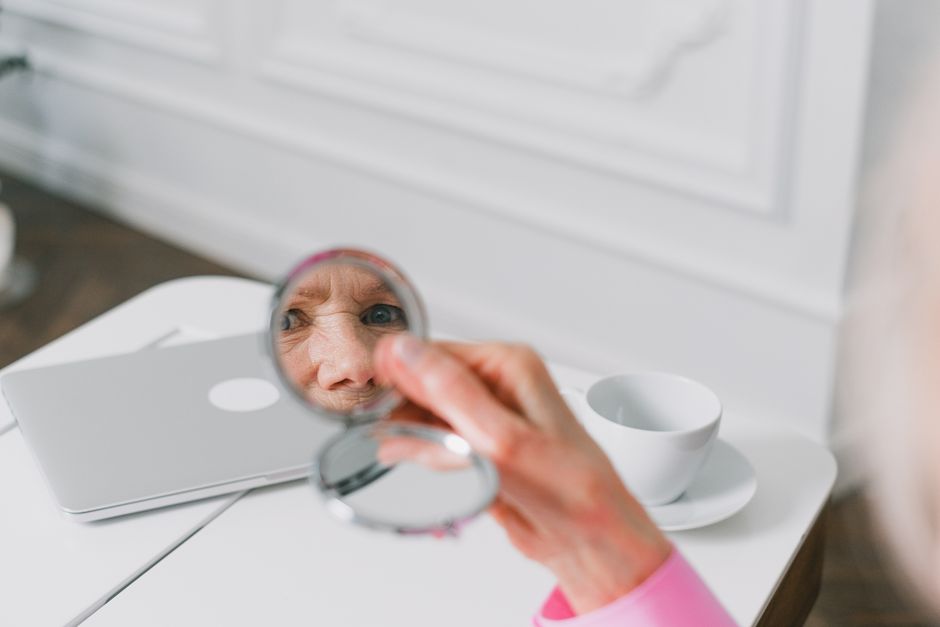
Marilyn T., 63, of Tulsa, Oklahoma, sent one of the most honest replies. “I used to be able to garden all day. Now I do an hour and I am done. For a while I was angry about that. Then I realized the anger was the only thing making me unhappy. The hour in the garden was still good.” That one got me. On Thursday afternoon I was annoyed that my house was not as clean as it was before my third child was born. I used to keep every surface clear. Now I do not. I thought about Marilyn and cleaned the kitchen counter and let the rest go. The kitchen looked fine. Comparing today to an older version of yourself steals the good from today.
Keep your mornings slow but not empty
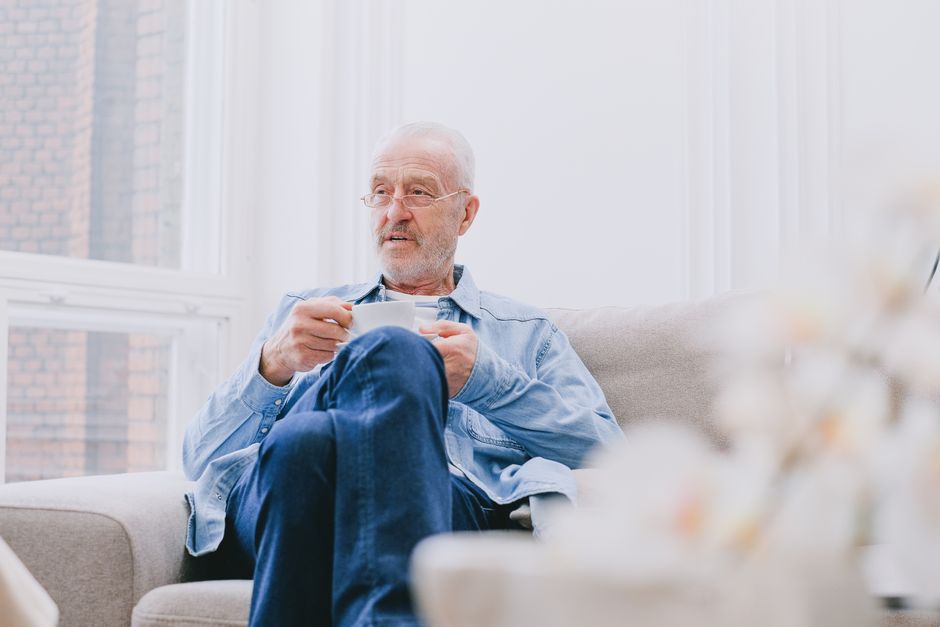
Harold F., 68, of Charleston, South Carolina, wrote, “My mornings are the best part of my day because I do not rush them and I do not waste them. Coffee, the paper, a short list of three things for the day. Not a long list. Not no list.” On Friday I tried a version of that. I got up before my kids, which I rarely do. I made coffee and wrote three things on a sticky note. Return the library books. Call my mom. Make the pie crust. That was it. The rest of the day was the usual noise. But those three things got done, and I felt like I had steered the day instead of chasing it. A slow start with a short plan beats both a rushed morning and an aimless one.
Call people instead of waiting for them to call you
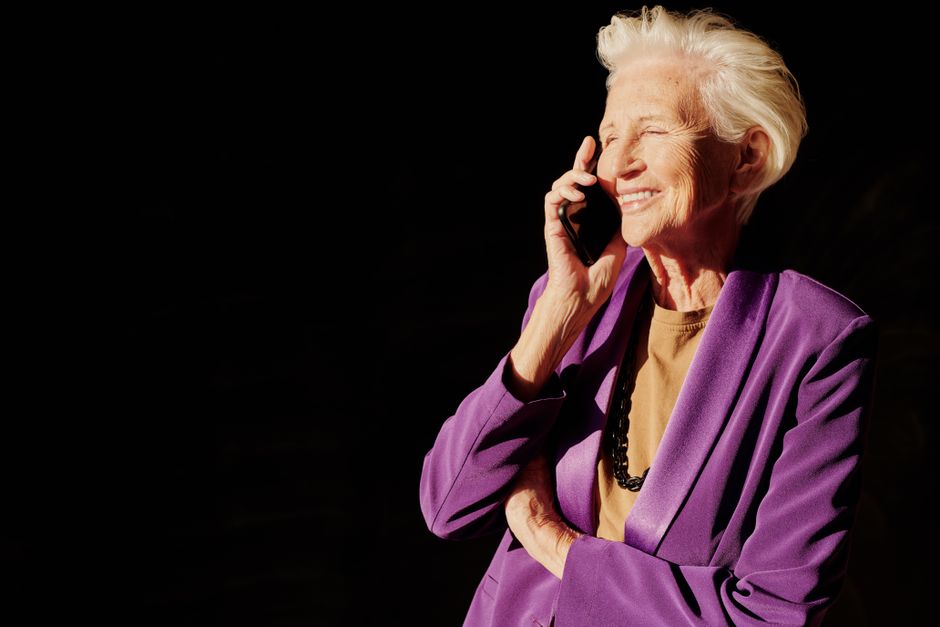
Betty L., 65, of Grand Rapids, Michigan, wrote, “I used to keep score. If my daughter did not call, I did not call. If a friend went quiet, I went quiet. That rule made me lonely. The new rule is that I call first and I do not count.” That one stung a little because I do the same thing. On Friday my sticky note said to call my mom, so I did. It had been a while. My mom picked up on the second ring and we talked for a long time while I rolled out pie dough with the phone on speaker. Nobody apologized for the gap. We just talked. Waiting to be called is a way to be right and lonely at the same time. Calling first is a way to be happy.
Keep the house simple enough to enjoy
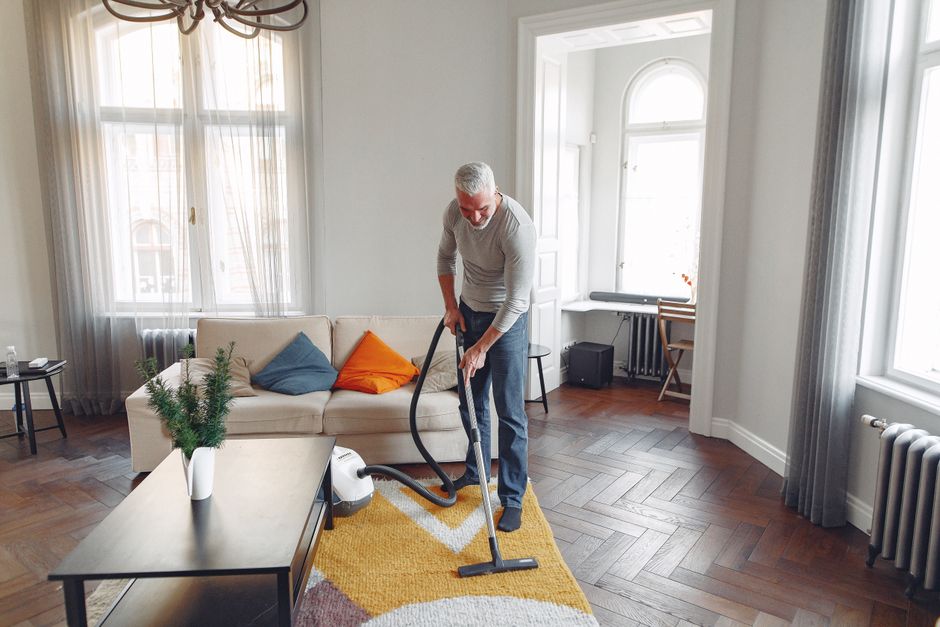
Carol D., 61, of Eugene, Oregon, wrote about her house. “After the kids moved out I spent years keeping every room ready for them to visit. Beds made, closets full of their old things. It made me sad every time I walked past. Now the rooms are mine. Less stuff, more light, and I actually sit in them.” On Saturday morning I looked around my own living room. There was a basket of toys nobody had touched in months. A pile of mail. Three blankets on the couch that belong upstairs. I cleared it in fifteen minutes with my kids helping. Then I sat on the couch and actually read for a bit. A simpler room is not about looking nice for guests. It is about being able to rest in it yourself.
Spend money on time with people, not on more things

Gene R., 60, of Madison, Wisconsin, had a rule about money. “I stopped buying gadgets and started buying tickets. A ballgame with my grandson. A ferry ride with my wife. The gadgets end up in a drawer. The tickets end up in my memory.” On Saturday afternoon my husband and I had a small amount of extra money from the month. We had been talking about a new kitchen thing. Instead we took all three kids to a cheap matinee and bought one big popcorn to share. The kitchen thing would have been nice. The movie is the thing my youngest talked about at bedtime. Things get old and get stored. Time with people is the purchase you do not regret.
Accept help without apologizing for it

Lorraine P., 69, of Fort Wayne, Indiana, wrote the last reply I read on Sunday night. “My neighbor shovels my walk now. For a year I tried to stop him. I felt like a burden. Then I realized he liked doing it, and my saying no was taking that from him. Now I say thank you and bring him soup.” On Sunday my husband offered to handle bedtime alone so I could finish reading these replies. My first instinct was to say I was fine. I said thank you instead. I sat at the quiet table and read Lorraine’s words while my husband read to the kids upstairs. Refusing help does not make you strong. Taking it with thanks is what keeps you close to the people who offer.
Decide to be happy with the ordinary days
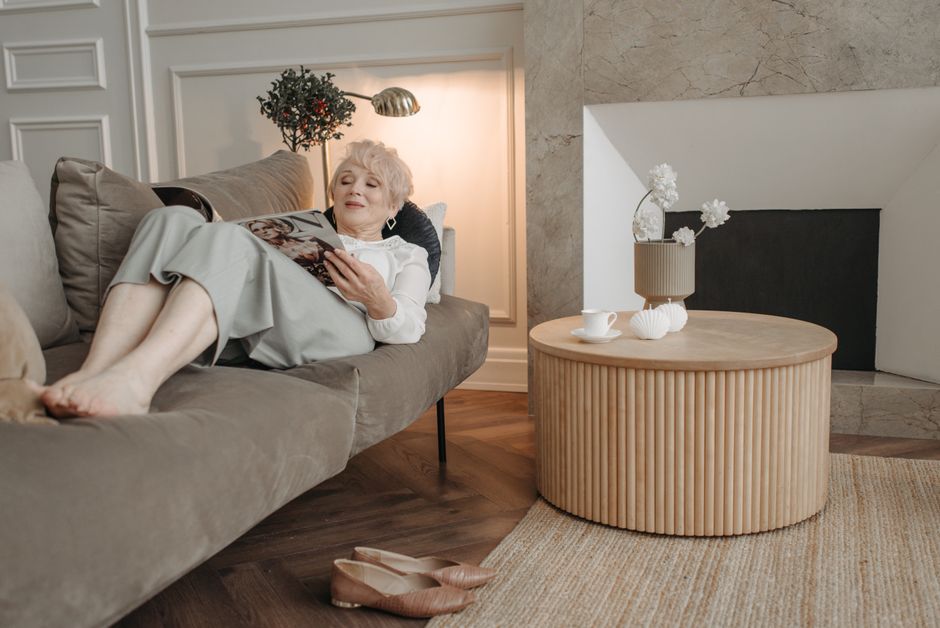
This last rule did not come from a single reader. It came from the pile as a whole. Almost no one wrote about a trip or a big event. People in their sixties wrote about walks, coffee, phone calls, small classes, and the quiet of a clean room. On Sunday night I looked back at my own week. It had no big moments either. A walk to the corner. Bad origami. A matinee. Pie with my husband after the kids were asleep. Every one of those was ordinary. Every one of those was the good part. Happiness at any age seems to come down to deciding that a plain day with people you love counts as a good day, and then living like you believe it.
I am a long way from my sixties. But a week of reading these replies changed how I looked at my own house. The people who wrote to me did not sound like they had figured out some secret. They sounded like people who had stopped waiting for life to get easier and started paying attention to what was already in front of them.
I would love to keep this going. Which of these rules is the one you are already living by, and which one do you think you need to start?
About the author