Things You Should Never Throw Away After a Loved One Dies
My friend down the street lost her mother in late winter. The call came on a Tuesday while I was packing lunches. My friend asked if I could help her go through the house before it went up for sale. I said yes before I thought about the week ahead. My husband moved his schedule around so he could be home for dinner. My kids made cards. I drove over three afternoons that week with a box of trash bags and a thermos of coffee.
Before the first afternoon, I put a short question on the blog. I asked readers what they wished they had kept after losing someone. The replies came in fast. I read them at my friend’s kitchen table between loads of boxes. Many readers said the same things. Many readers said they threw something out in the first hard week and regretted it later.
I am not a grief counselor and I do not pretend to be one. I am a former teacher and a stay at home mom who spent one week helping a friend sort a house. What follows is what my friend and I decided to keep, and what readers told me they wish they had kept. If grief feels too heavy to carry, a counselor or a grief support line is the right call, and there is no shame in that.
Keep anything with handwriting on it
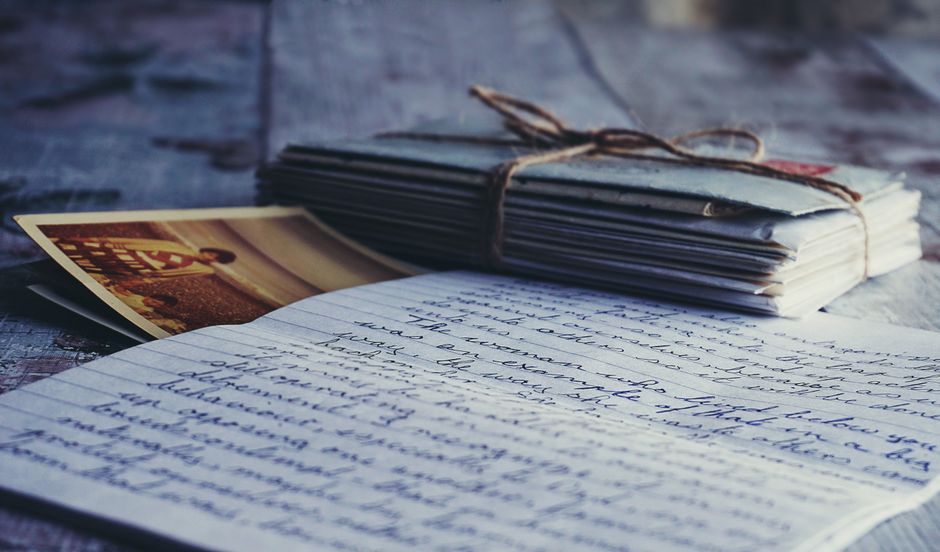
On the first afternoon at my friend’s house, my friend found a grocery list stuck to the fridge. Milk, bread, birthday candles. My friend’s mother had written it the week before she died. My friend held it for a long time and then moved it toward the trash bag. I asked if I could put it in a folder instead. My friend nodded. By the end of that afternoon, the folder held cards, a recipe note, a church bulletin with a scribble in the margin, and a sticky note that said “call the dentist.”
A reader named Denise H., 52, from Fort Wayne, Indiana, wrote to me about this. Denise said, “I tossed my dad’s old day planners because they looked like junk. Now I would give anything to see his handwriting again. Even a grocery list would help.”
The takeaway is simple. Handwriting is the person. Keep it, even when the words on the page do not matter.
Save every voicemail and recording before the phone is turned off
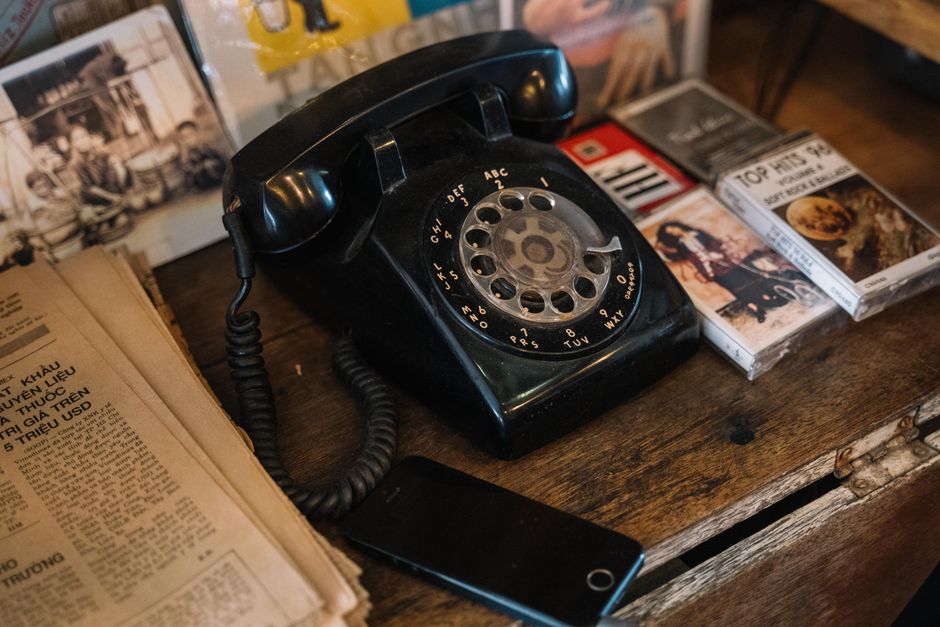
On the second afternoon at my friend’s house, my friend’s phone rang while we were boxing up the hall closet. It was the phone company. My friend’s mother’s phone line was being closed. My friend went quiet. There were voicemails on my friend’s own phone from her mother, and there were old messages still sitting on the mother’s answering machine in the kitchen. We stopped packing. We sat on the kitchen floor and recorded each message with my phone before anyone touched a button.
A reader named Carl B., 61, from Chattanooga, Tennessee, told me his story. Carl said, “My wife’s voice was on our home answering machine for years. I unplugged it during a move and lost the message. I still think about that.”
The takeaway from that afternoon is clear. Record every voicemail and every saved message right away, and store the files in more than one place.
Do not throw away blurry or boring photographs
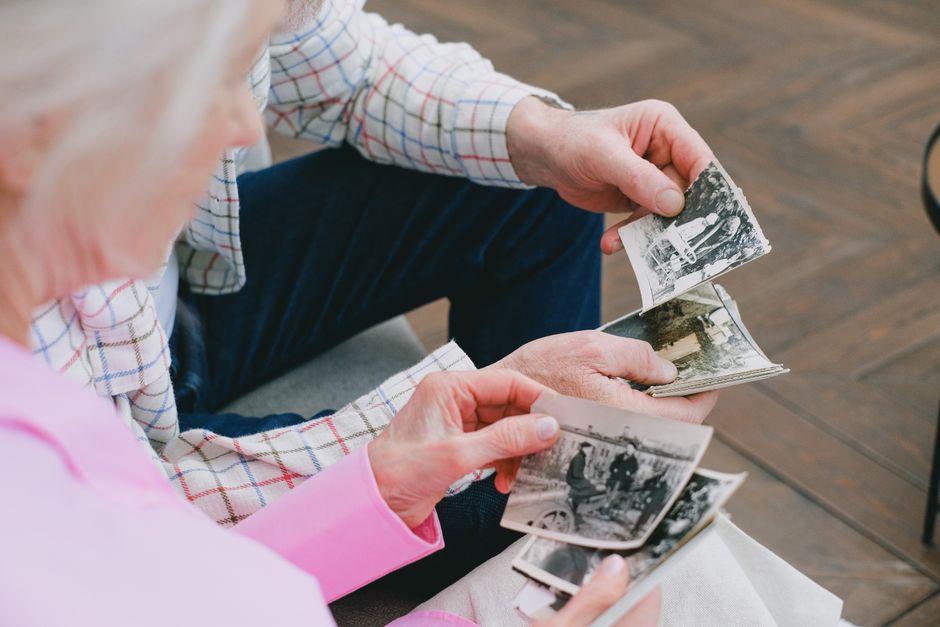
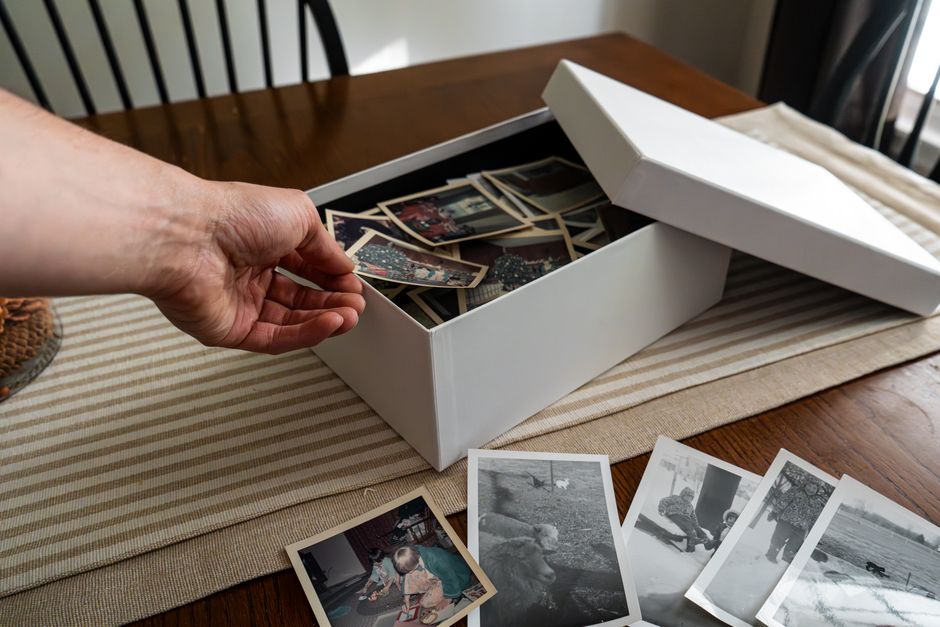
My friend’s mother kept photos in shoeboxes under the bed. Most of the photos were not good. There were pictures of a parked car, a half-eaten cake, and the back of someone’s head at a wedding. My friend wanted to keep only the nice ones and toss the rest. I asked my friend to look at one more box before deciding. In that box was a blurry photo of my friend’s mother laughing at a picnic table, with her hand over her mouth. My friend started laughing too. The nice posed photos did not do that. The bad photo did.
A reader named Marisol G., 44, from Tucson, Arizona, wrote something similar. Marisol said, “The photo I look at most of my grandmother is out of focus and she is mid sentence. It looks like her. The studio portraits do not.”
The takeaway is plain. The ordinary photos hold the real person. Keep the whole box.
Hold on to one worn everyday item
My friend’s mother had a gray cardigan that hung on the back of a kitchen chair for years. The elbows were thin. One pocket had a hole. My friend put it in the donation pile on the third afternoon, then took it back out, then put it back in. I did not say anything. My friend picked it up a third time and put it on. My friend wore that cardigan for the rest of the afternoon while we taped boxes. The donation pile got the nice coats. The cardigan went home with my friend.
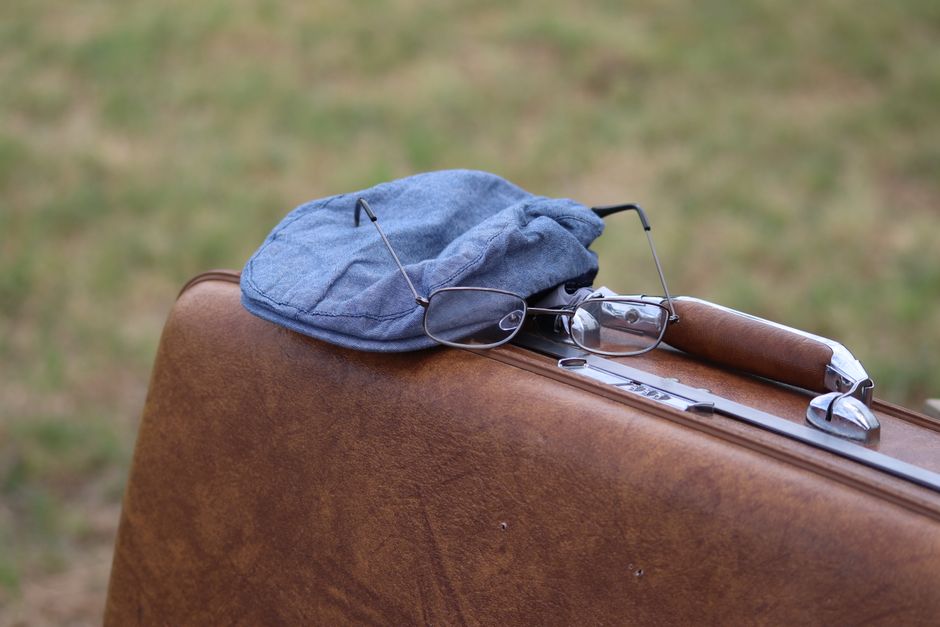
A reader named Patricia L., 58, from Dayton, Ohio, told me about her husband’s reading glasses. Patricia said, “I kept his glasses on the nightstand where he left them. It is the one thing in the house that still looks like he just stepped out.”
The takeaway is this. One worn, ordinary object that the person used every day is worth more than a closet full of good clothes.
Keep the recipe box even if you will never cook from it
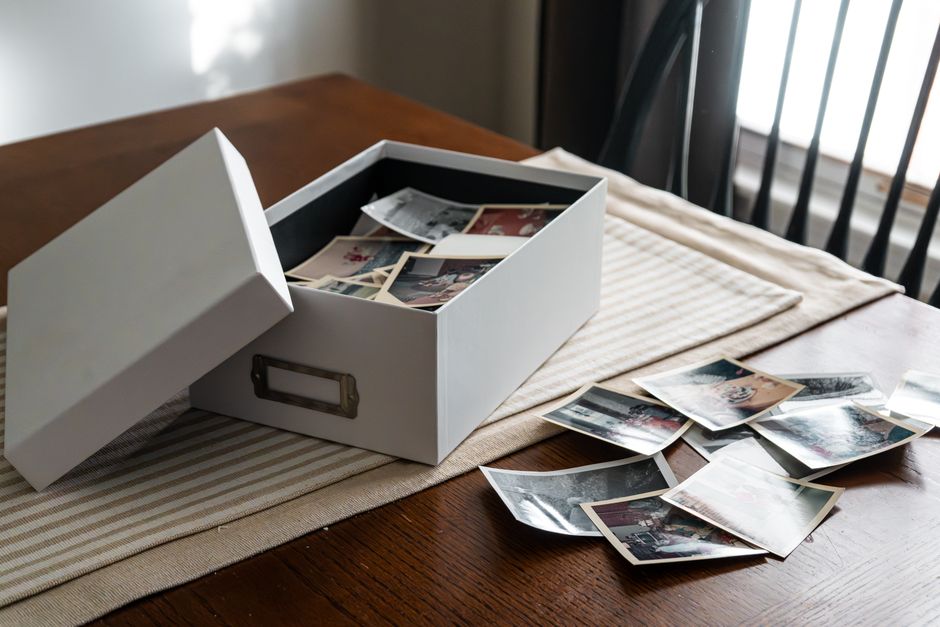
My friend’s mother had a tin recipe box on the counter. The cards inside were stained and some were torn. My friend said she did not cook and would never use them. I asked if I could read a few. One card for pie crust had a note at the bottom that said “do not overwork, ask me if unsure.” Another had the date of my friend’s own birthday written on the back. My friend sat down and read every card. The recipe box did not go in any pile that day. It went in my friend’s purse.
A reader named Ruth M., 70, from Lincoln, Nebraska, wrote to me about her sister’s recipe cards. Ruth said, “I do not make her dishes. I just like opening the box and seeing the butter stains and her little notes in the corners.”
The takeaway is simple. A recipe box is a record of family meals and family handwriting, not just a set of instructions. Keep it.
Save the paperwork and the address book for at least a year
On the last afternoon at my friend’s house, my friend found a drawer stuffed with paper. Bank statements, a lease from years back, insurance letters, a tattered address book, and a folder of medical records. My friend wanted to shred all of it and be done. I asked my friend to wait. The address book had names of people who had not yet been told. The medical folder had a doctor’s name the estate lawyer would need. We put the whole drawer into one labeled box and set it aside. Nothing was shredded that day.
A reader named Greg T., 49, from Spokane, Washington, told me what happened in his family. Greg said, “We cleared out my mother’s desk in a weekend. Three months later we needed a policy number and it was gone. It took half a year to sort out.”
The takeaway from that drawer is clear. Keep every document and every contact list for at least a year. Sort it later, when the house is quiet and the mind is steady.
My friend’s house went on the market at the end of that week. Most of what was inside went to donation or to the curb, and that was the right thing. But a folder of handwriting, a phone full of recordings, a shoebox of bad photos, a gray cardigan, a tin recipe box, and one labeled box of papers all went home with my friend. None of it took up much space. All of it mattered.
I came home each afternoon that week and hugged my kids a little longer than usual. My husband noticed. I did not have words for it yet. I only knew that the small, ordinary things are the ones that stay. If you have lost someone, what is the one small thing you are glad you kept?
About the author