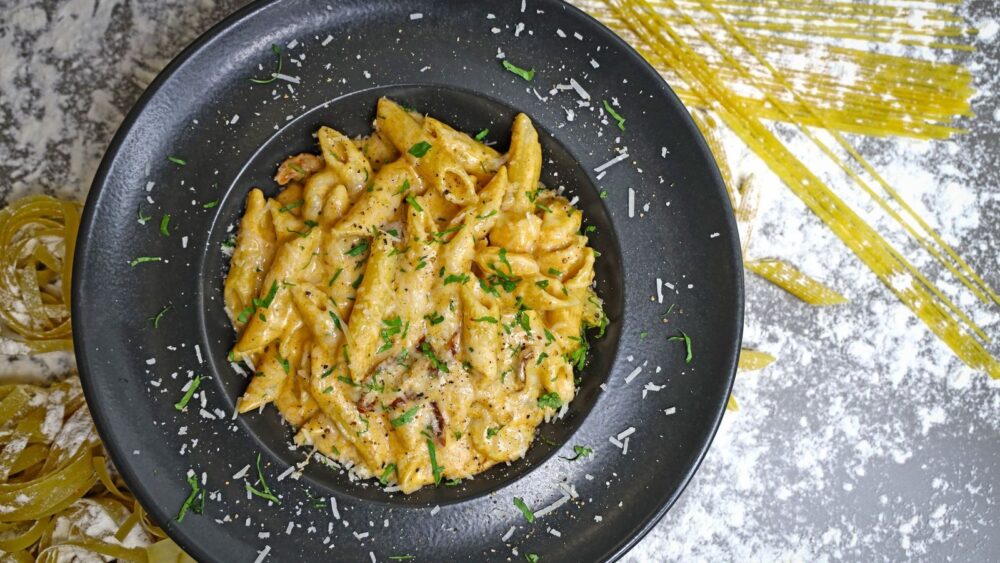
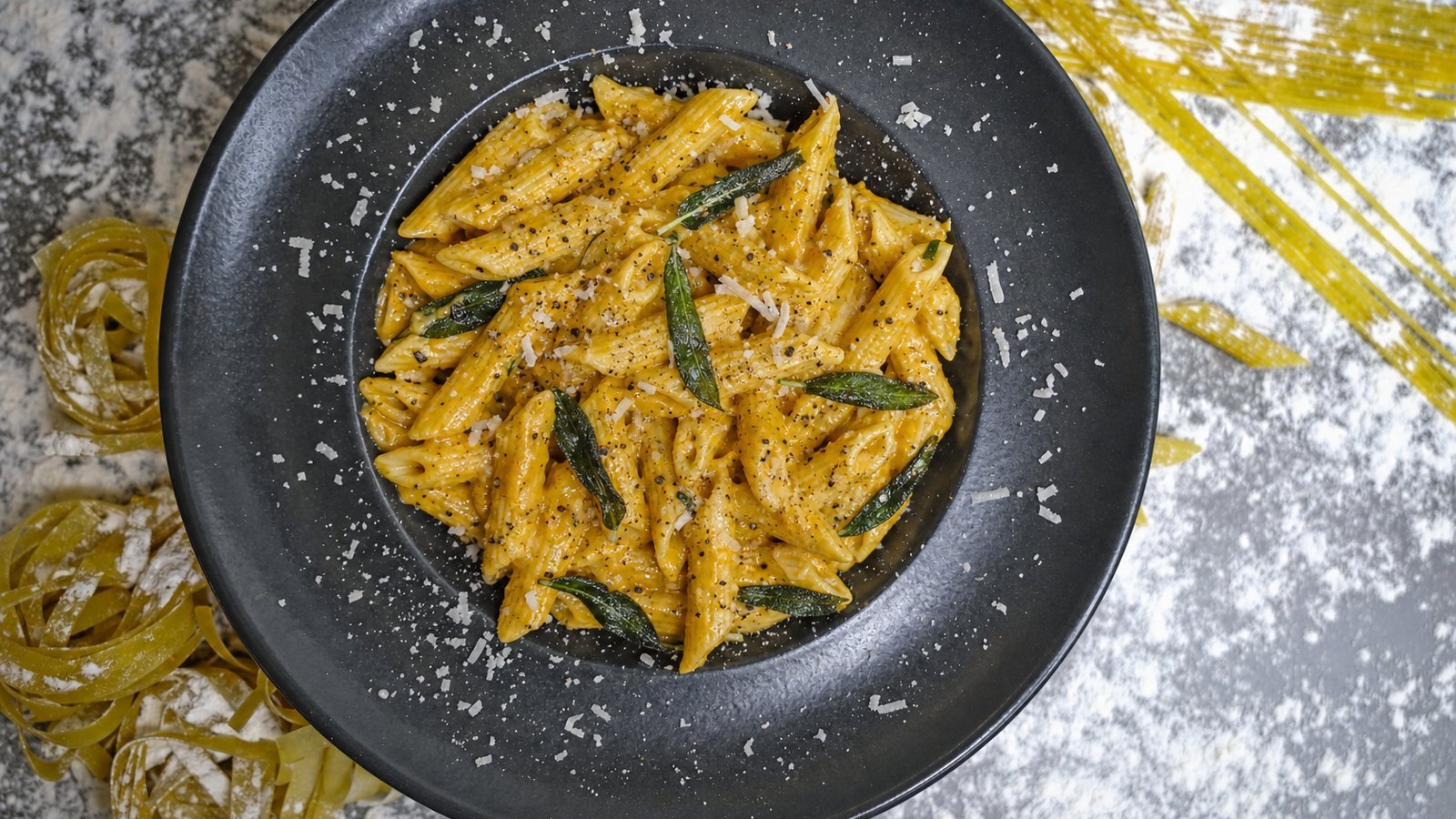
Pumpkin pasta with brown butter and sage is fall in a bowl. Nutty browned butter, crisp fried sage leaves and a silky pumpkin cream sauce coat every ridge of rigatoni, with Parmesan and a whisper of nutmeg tying it together.
It sounds like a restaurant dish, but it is a 35 minute weeknight dinner built around one can of pumpkin puree. The sauce comes together in the time it takes the pasta to boil.
The result is savory, not sweet. Garlic, shallot, black pepper and a pinch of cayenne keep the pumpkin firmly on the dinner side of the menu.
Why this recipe works
- Brown butter as the base. Cooking the butter until the milk solids turn golden and smell like toasted hazelnuts gives the sauce a deep, nutty flavor you cannot get any other way.
- Crisp sage leaves. Frying whole sage leaves in the butter flavors the fat and gives you a crunchy garnish at the same time.
- Canned pumpkin puree. It is smooth, consistent and already cooked, so the sauce is ready in minutes with no roasting.
- Cream plus broth. Cream alone makes the sauce heavy. Cutting it with broth keeps it light enough to coat the pasta without feeling like dessert.
- Savory seasoning. Shallot, garlic, nutmeg, cayenne and plenty of Parmesan balance the natural sweetness of the pumpkin.
- Starchy pasta water. It thins the sauce to the right consistency and helps it cling to the pasta.
Ingredients you’ll need
Exact amounts are in the recipe card. These are the ingredients worth understanding.
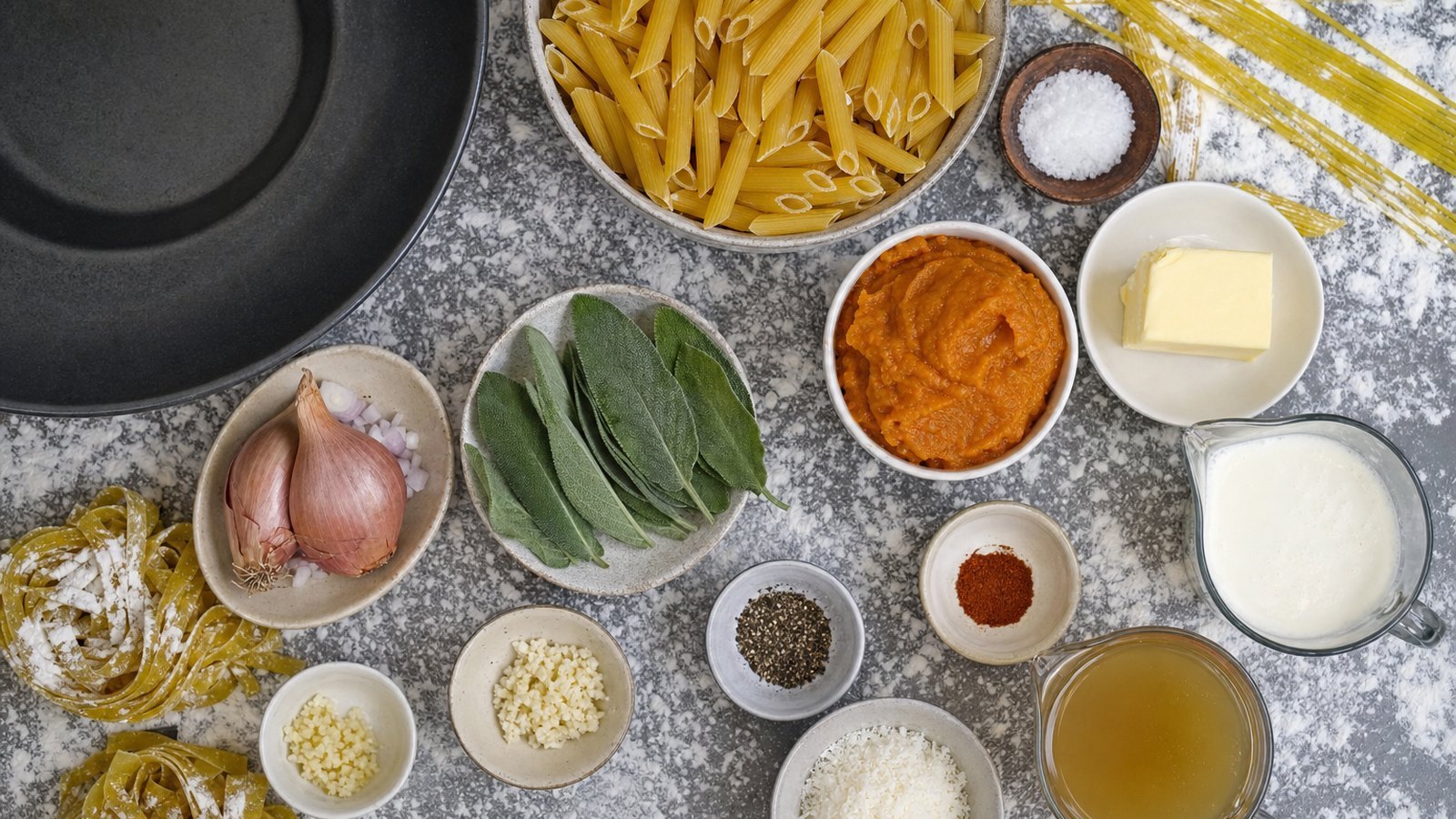
- Rigatoni or penne. Twelve ounces of a ridged short pasta. The ridges and tubes trap the sauce.
- Unsalted butter. Six tablespoons. It browns and becomes the flavor backbone of the sauce.
- Fresh sage. About 12 to 16 leaves. Fresh is essential here. Dried sage cannot be fried and tastes dusty in comparison.
- Shallot and garlic. One shallot and three cloves of garlic add a sweet, savory base.
- Pumpkin puree. One cup of plain canned pumpkin, not pumpkin pie filling, which is sweetened and spiced.
- Heavy cream and broth. Three quarters of a cup of cream and a half cup of chicken or vegetable broth make a sauce that is rich but pourable.
- Parmesan. A half cup, grated from a wedge, for salt and savory depth.
- Nutmeg and cayenne. Tiny amounts. Nutmeg is classic with pumpkin and cream, and cayenne adds a gentle warmth in the background.
Ingredient notes and smart substitutions
Pumpkin puree
Canned pumpkin puree is smooth and reliable. Look for a can that lists only pumpkin. A 15 oz can holds a little under 2 cups, so you will have some left for another use.
Homemade roasted pumpkin or butternut squash puree works one to one, as long as it is smooth and not watery. Canned butternut squash or sweet potato puree also swap directly.
Sage
Fresh sage leaves are the whole point. If you cannot find them, use 1 teaspoon of fresh thyme or rosemary in the brown butter instead, and finish with toasted walnuts for crunch.
Pasta
Rigatoni, penne, ziti and orecchiette all work at the same weight. Long pasta like fettuccine is fine too. Fresh or frozen cheese ravioli is an excellent swap for a special dinner. Cook it separately and toss with the sauce gently.
Heavy cream
Half and half can replace the cream if you keep the heat low and do not let the sauce boil. For a dairy free version, use full fat canned coconut milk and olive oil in place of the butter, with a squeeze of lemon to balance the coconut sweetness.
Parmesan
Pecorino Romano swaps one to one with a sharper, saltier bite. Gruyère adds a nutty note that fits the brown butter. For a vegetarian version, check that the cheese is made without animal rennet.
Broth
Chicken broth adds savory depth. Vegetable broth keeps the dish vegetarian. In a pinch, use an extra 1/2 cup of pasta water instead.
How to make it
1. Cook the pasta
Bring a large pot of water to a boil with 1 tablespoon of salt. Add the pasta and cook until just al dente. Reserve 1 1/2 cups of the pasta water before draining. This sauce uses more than most.
2. Brown the butter and fry the sage
While the pasta cooks, melt the butter in a large skillet over medium heat. Once it foams, add the sage leaves. Cook, swirling the pan often, for 4 to 6 minutes.
The butter will hiss, then quiet down, then turn golden with brown specks at the bottom and smell nutty. The sage leaves will crisp and darken slightly. Use a slotted spoon to lift the sage onto a paper towel and sprinkle it with a pinch of salt.
3. Soften the shallot and garlic
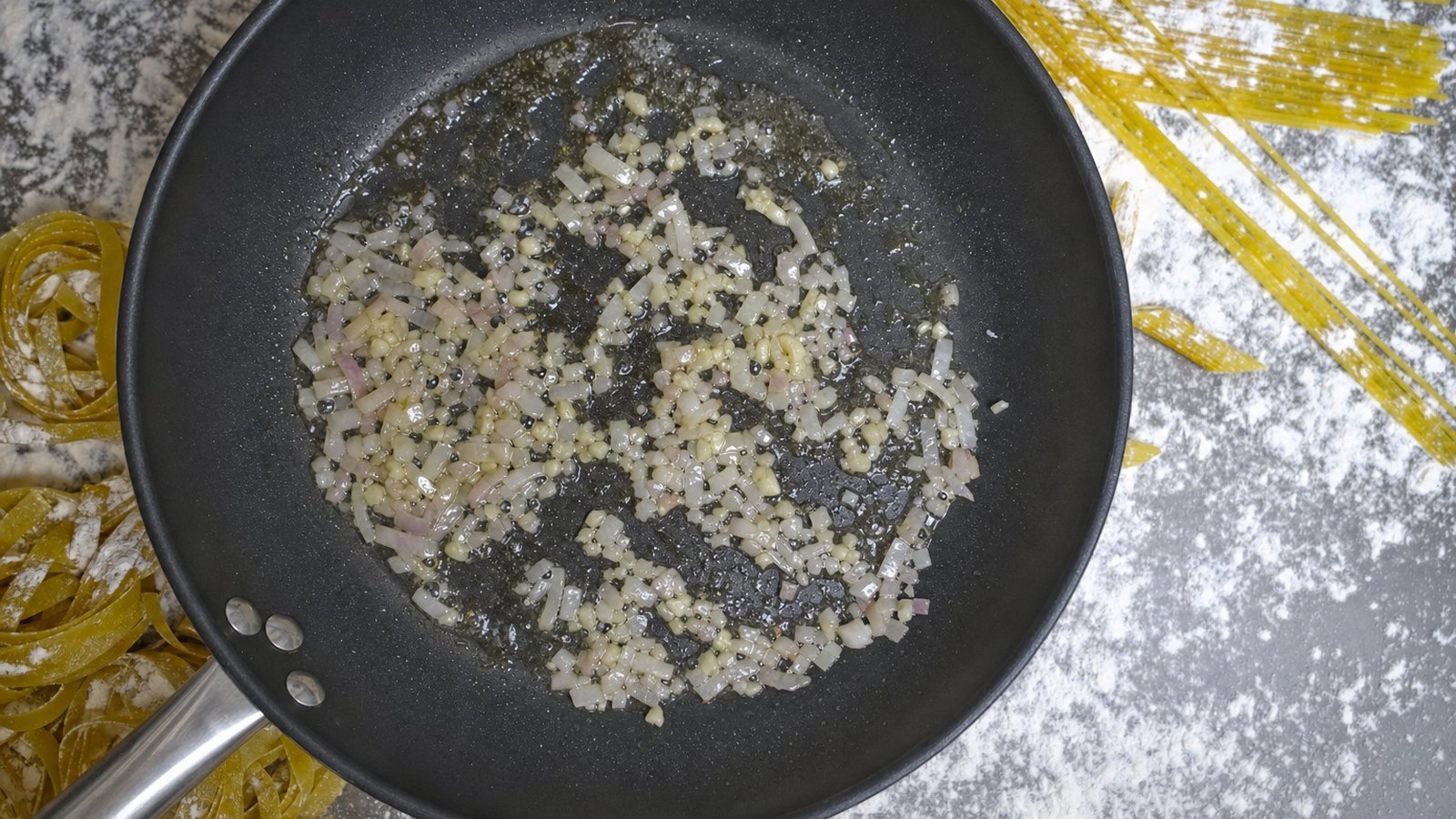
Lower the heat to medium low. Add the shallot to the brown butter and cook 2 minutes until soft. Stir in the garlic and cook 1 minute more. Watch the heat, since the butter is already browned and can scorch.
4. Build the pumpkin sauce
Stir in the pumpkin puree, cream, broth, nutmeg, cayenne, salt and pepper. Whisk until smooth and bring to a gentle simmer. Cook 3 to 4 minutes, stirring, until slightly thickened.
5. Add the cheese
Turn the heat to low and stir in the Parmesan until melted. Taste and adjust the salt. The sauce should taste savory and rich with only a hint of sweetness.
6. Toss the pasta
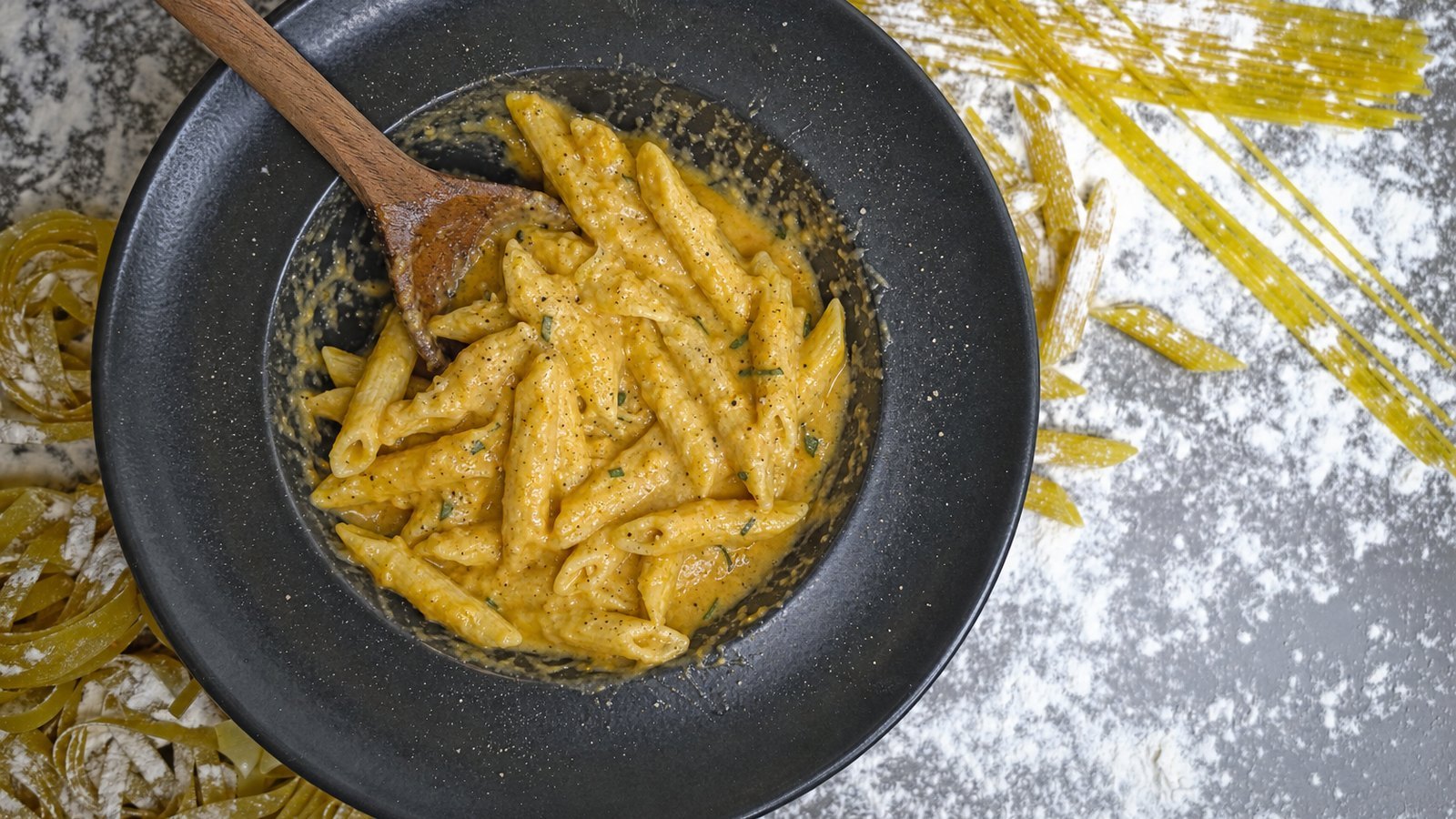
Add the drained pasta and 1/2 cup of pasta water. Toss for 1 to 2 minutes until the sauce coats every piece, adding more pasta water as needed to reach a glossy, pourable consistency.
7. Serve
Divide among warm bowls. Crumble the fried sage over the top and finish with more Parmesan, black pepper and a drizzle of any brown butter left in the pan.
Common mistakes and how to fix them
Butter burned instead of browned. The heat was too high or the pan was too dark to see the color change. Use medium heat and a light colored pan, and pull it as soon as it smells nutty and looks golden brown.
Sauce tastes like pie. Too much nutmeg or a can of pie filling slipped in. Add more salt, black pepper, Parmesan and a squeeze of lemon to pull it back toward savory.
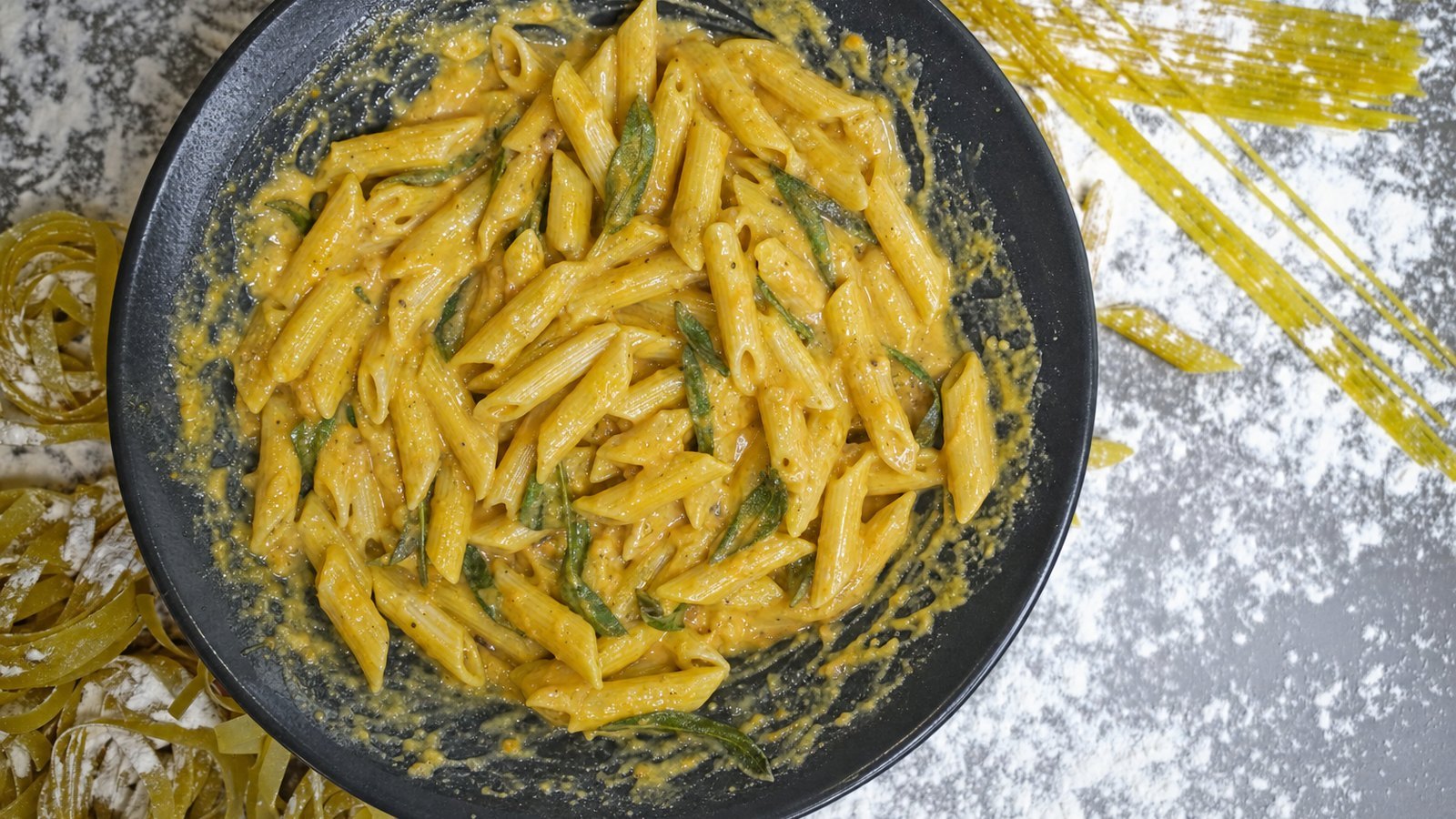
Sauce too thick or pasty. Pumpkin absorbs liquid fast. Add pasta water a splash at a time while tossing until it flows.
Soggy sage. The leaves were wet or the butter was not hot enough. Pat the sage dry before frying and wait until the butter is foaming.
Gritty sauce. Pre grated shelf stable cheese does not melt well. Grate Parmesan from a wedge and add it over low heat.
Timing and make ahead plan
Total time is about 35 minutes. Prep takes 10 minutes and cooking 25, with the sauce coming together while the pasta boils.
The sauce can be made up to 3 days ahead and refrigerated. Reheat it gently over low heat with a splash of broth or cream, then toss with freshly cooked pasta and pasta water.
Fry the sage up to a day ahead and store the leaves at room temperature in a paper towel lined container. They stay crisp.
You can also brown the butter ahead. Pour it into a jar, refrigerate for up to 2 weeks and use it straight from the fridge. It will melt again in the pan in a minute, and the toasted milk solids at the bottom of the jar are the best part, so scrape them in.
For a dinner party, cook the pasta an hour early, toss it with a little olive oil and hold it. Reheat it in the sauce with extra pasta water just before serving.
Tips for the best pumpkin pasta
Use a light colored skillet for the brown butter. Stainless steel lets you see the color change clearly, while a dark nonstick pan hides it.
Do not walk away during the browning. The butter goes from perfect to burnt in under a minute at the end.
Undersalt at first and adjust at the end. Parmesan adds salt, and pumpkin needs a surprising amount to taste savory.
Save more pasta water than usual. Pumpkin sauce tightens quickly as it sits and as the pasta absorbs it.
A splash of lemon juice or a few drops of apple cider vinegar at the end brighten the whole dish if it tastes flat.
Grate the nutmeg fresh if you can. A whole nutmeg rubbed a few times over a microplane gives a warm, floral aroma that pre ground nutmeg lost in the jar months ago. Use a light hand, since it is the spice most likely to push the sauce toward pie.
Pat the sage leaves completely dry before they go into the butter. Wet leaves spit, cool the butter and turn limp instead of crisp. If they came from the refrigerator, let them sit on a towel for a few minutes first.
Toss the pasta with the sauce in the skillet rather than pouring sauce over plated pasta. A minute of tossing over the heat lets the ridges of the rigatoni grab the sauce and gives you a finished dish instead of noodles with a topping.
Variations
Sausage pumpkin pasta. Brown 1/2 lb of Italian sausage to 160°F before browning the butter and stir it in with the pasta. If you love that pairing, the sausage and apple stuffed acorn squash is a natural next recipe.
Pumpkin ravioli. Toss the brown butter sage sauce with cooked cheese ravioli instead of rigatoni.
Toasted nut topping. Add 1/3 cup toasted walnuts or pecans with the sage for crunch.
Spinach and pumpkin. Stir 3 cups of baby spinach into the sauce just before the pasta goes in.
Extra cheesy. Add 1/2 cup shredded Gruyère or fontina with the Parmesan for a richer, stringier sauce.
Equipment that makes this easier
A 12 inch stainless steel skillet is ideal for browning butter, since you can see the color change, and it is wide enough to toss the pasta at the end.
A slotted spoon or small strainer lifts the sage out cleanly. A whisk helps smooth the pumpkin into the cream without lumps.
A microplane grates the Parmesan finely and also handles fresh nutmeg, which has far more aroma than pre ground.
Scaling up or down
For two, halve everything and brown the butter in a 10 inch skillet. It browns faster in a smaller amount, so watch it closely.
To double for six to eight, use a wide Dutch oven for the sauce and toss the pasta in two batches if needed. Brown the butter in one batch since 12 tablespoons still browns evenly in a large pan.
Leftover pumpkin from the can freezes well in an ice cube tray for future batches, which makes doubling easy later.
What to serve with it
This pasta is rich, so pair it with something bright and crisp. An arugula salad with apple slices and a sharp vinaigrette is perfect.
For a bigger fall dinner, serve a smaller portion alongside roast chicken with root vegetables. Roasted Brussels sprouts or any of these fall side dishes complete the table.
If you love pumpkin and squash with sage, the butternut squash risotto with sage is the slower, stir it while you sip wine version of these same flavors.
How to store, freeze and reheat
Refrigerator. Store leftovers in an airtight container for up to 4 days. The fried sage is best kept separate.
Freezer. The sauce alone freezes well for up to 3 months. Cooked pasta in cream sauce freezes less well, since it softens and the sauce can separate.
Reheating. Warm leftovers in a skillet over medium low heat with a splash of broth, milk or water, stirring until loosened and steaming hot, at least 165°F. In the microwave, cover and use medium power in short bursts with a spoonful of liquid.
Leftover ideas
Spoon leftover pasta into a small baking dish, top with mozzarella and breadcrumbs and bake at 400°F until golden for a pumpkin pasta gratin.
Thin leftover sauce with broth and use it as a creamy soup base with cooked white beans.
Warm leftover sauce and spread it on flatbread with mozzarella and fresh sage for a fall pizza.
Nutrition notes
One serving, about a quarter of the recipe, comes to roughly 600 to 700 calories, with 18 to 22 grams of protein and 30 to 38 grams of fat. That depends on the pasta portion, the cream and how much cheese you add at the table.
To lighten it, use half and half in place of cream, reduce the butter to 4 tablespoons and add spinach or roasted vegetables to stretch the portions.
Pumpkin Pasta with Brown Butter and Sage
Rigatoni tossed in a savory pumpkin cream sauce built on nutty brown butter, topped with crisp fried sage and Parmesan.
Equipment
- Large pot
- 12 inch light colored skillet
- Slotted spoon
- Whisk
Ingredients
- 12 oz rigatoni or penne
- 1 tbsp salt for the pasta water
- 6 tbsp unsalted butter
- 12 to 16 fresh sage leaves, patted dry
- 1 medium shallot, finely chopped
- 3 cloves garlic, minced
- 1 cup canned pumpkin puree (not pie filling)
- 3/4 cup heavy cream
- 1/2 cup chicken or vegetable broth
- 1/4 tsp ground nutmeg
- 1/8 tsp cayenne pepper
- 3/4 tsp kosher salt, plus more to taste
- 1/2 tsp black pepper
- 1/2 cup finely grated Parmesan cheese, plus more for serving
Instructions
- Bring a large pot of water to a boil with 1 tbsp salt. Cook the pasta until al dente. Reserve 1 1/2 cups pasta water, then drain.
- Meanwhile, melt the butter in a 12 inch skillet over medium heat. When it foams, add the sage leaves. Cook, swirling often, 4 to 6 minutes until the butter is golden brown with a nutty smell and the sage is crisp. Lift the sage onto a paper towel with a slotted spoon and sprinkle with salt.
- Reduce the heat to medium low. Add the shallot and cook 2 minutes until soft. Stir in the garlic and cook 1 minute.
- Whisk in the pumpkin, cream, broth, nutmeg, cayenne, salt and pepper until smooth. Bring to a gentle simmer and cook 3 to 4 minutes, stirring, until slightly thickened.
- Reduce the heat to low and stir in the Parmesan until melted. Taste and adjust the salt.
- Add the drained pasta and 1/2 cup pasta water. Toss 1 to 2 minutes until well coated, adding more pasta water as needed for a glossy sauce.
- Serve in warm bowls topped with the crumbled fried sage, extra Parmesan and black pepper.
Notes
- Use plain pumpkin puree, not pumpkin pie filling, which is sweetened and spiced.
- Make ahead: The sauce keeps 3 days in the refrigerator. Reheat gently with a splash of broth and toss with freshly cooked pasta.
- Use a light colored pan so you can see the butter brown. It goes from golden to burnt quickly at the end.
Frequently asked questions
Can I use pumpkin pie filling for pumpkin pasta?
No. Pie filling is sweetened and spiced and will make the sauce taste like dessert. Use plain canned pumpkin puree with only pumpkin on the label.
How do you know when butter is browned?
It foams, then quiets, then turns golden with brown specks at the bottom and smells nutty like toasted hazelnuts. This takes 4 to 6 minutes over medium heat. Pull it right away, because it burns quickly after that.
Can I make pumpkin pasta sauce ahead of time?
Yes. The sauce keeps up to 3 days in the refrigerator or 3 months in the freezer. Reheat it gently with a splash of broth or cream and toss with freshly cooked pasta.
Is pumpkin pasta sweet?
It should not be. Plain pumpkin is only mildly sweet, and the shallot, garlic, Parmesan, black pepper and cayenne keep this sauce firmly savory.
Can I use dried sage instead of fresh?
Dried sage cannot be fried and tastes dusty in a cream sauce. If you cannot find fresh sage, use a teaspoon of fresh thyme or rosemary in the brown butter and top with toasted walnuts for crunch.
About the author