
One focused weekend can put a dozen fall dinners in your freezer. The trick is choosing recipes that actually freeze well, cooking them in an order that shares prep, and packing them so they come out tasting like they went in.
This plan covers six dinners, each doubled, for roughly 12 meals. It works best with two people, but one cook can do it over a Saturday and Sunday.
The Six Freezer Dinners
These were chosen because they hold their texture after freezing and reheat without much fuss.
- Classic Beef Stew: freezes very well. Potatoes can turn slightly grainy, so for the best texture leave them out of the freezer portions and add freshly boiled potatoes when you reheat.
- Classic Meat Lasagna: assemble in foil pans and freeze unbaked. It bakes straight from frozen.
- Homemade Chicken Pot Pie: freeze fully assembled and unbaked, or freeze just the filling and top with fresh crust later.
- Turkey and Rice Stuffed Peppers: stuff, wrap individually and freeze unbaked on a tray, then transfer to a bag.
- Hearty Lentil Soup: one of the most freezer-friendly things you can make. Hold back any greens and stir them in fresh when reheating.
- Swedish Meatballs: freeze the cooked meatballs on their own and make the cream gravy fresh on the night you serve them. Cream sauces can separate after freezing.
Other good candidates if you want to swap: chipotle black bean soup, lentil bolognese, chicken and wild rice casserole and the braising liquid from short ribs.
Before You Start: Supplies
- Disposable 9×13-inch foil pans with lids for lasagna and pot pie. They go straight from freezer to oven and free up your baking dishes.
- Gallon and quart zip-top freezer bags for soup, stew and meatballs. Freeze them flat and they stack like books.
- Quart deli containers for single or double portions of soup.
- Plastic wrap and heavy-duty foil for wrapping peppers and double-wrapping casseroles.
- Masking tape and a permanent marker for labels.
- Two rimmed sheet pans for flash-freezing meatballs and peppers.
Clear out and defrost your freezer if it needs it, and check that it holds 0°F or below. A cheap freezer thermometer takes the guesswork out.
The Weekend Schedule
Friday Night: Plan and Shop (1 hour)
- Double each recipe on paper and write one combined grocery list, grouped by store section.
- Shop, or pick up a grocery order.
- Clear counter space and empty the dishwasher so you start Saturday with a clean kitchen.
Saturday Morning: Batch Prep (2 hours)
Most of these recipes start with the same base of onion, carrot, celery and garlic, so chop it all at once.
- Dice all the onions, carrots and celery and mince the garlic. Portion them into labeled bowls by recipe.
- Cut the stew beef into 1 1/2-inch cubes and pat dry.
- Cook the rice for the stuffed peppers and spread it on a sheet pan to cool quickly.
- Halve and seed the bell peppers.
Saturday Afternoon: Long Simmers (3 to 4 hours, mostly hands-off)
- Start the beef stew first, since it needs the longest simmer. Brown the beef in batches so it sears instead of steaming.
- While the stew simmers, make the lasagna meat sauce in a second pot.
- Make the lentil soup in a third pot, or wait until the stew is done if you are short on burners.
- Cool everything properly before packing (see below). This is the step people skip, and it matters for both safety and texture.
Sunday: Assemble and Pack (3 to 4 hours)
- Assemble the lasagnas in foil pans using the cooled sauce.
- Make the pot pie filling, let it cool, then assemble the pies.
- Brown the ground turkey filling, cook it to 165°F, cool slightly, and stuff the peppers.
- Roll and bake the meatballs, then cool.
- Pack, label and freeze everything.
- Clean up and write your freezer inventory.
Cooling Food Safely Before Freezing
Hot food should go into the refrigerator within 2 hours of cooking. A big pot of stew stays warm in the middle for a long time, so divide it up to cool it quickly.
- Split soups and stews into shallow containers, no more than about 2 inches deep.
- Set the pot in a sink of ice water and stir for 10 to 15 minutes to speed things along.
- Refrigerate until fully cold, then pack and freeze. Putting a lot of hot food directly into the freezer raises its temperature and can partially thaw what is already there.
How to Pack for the Freezer
- Remove air. Air causes freezer burn. Press bags flat and squeeze out the air before sealing.
- Leave headspace. Liquids expand as they freeze. Leave about 1/2 inch at the top of containers and a little room in bags.
- Freeze flat, then stand up. Lay bags of soup on a sheet pan until solid, then file them upright in a bin.
- Flash-freeze individual items. Freeze meatballs and wrapped peppers on a sheet pan for 2 hours before bagging so they don’t fuse into one block.
- Double-wrap casseroles. Press plastic wrap directly onto the surface of the lasagna, then cover with the foil lid or a layer of heavy-duty foil.
Freezer packaging that actually works
The supply list above covers what to buy. This is how to choose between the options, because the right container depends on what you are freezing and how you plan to reheat it.
Rigid containers
Quart and pint deli containers are the workhorses for soups, stews, sauces and meatballs. They stack, they are cheap enough to give away, and a quart holds two generous servings. Fill to about 1/2 inch below the rim so the lid still seals after the liquid expands.
Glass containers with locking lids are the best choice for anything you will reheat in the same dish, like a single portion of casserole. Do not move them straight from the freezer into a hot oven; let them sit at room temperature 20 to 30 minutes first, or the thermal shock can crack them.
Bags
Freezer bags are thicker than storage bags and worth the small difference in price. Fill a gallon bag with no more than 6 cups of soup or 4 cups of stew, lay it flat on a sheet pan, and seal all but the last inch before pressing the air out. Frozen flat, a gallon bag is about 1 inch thick and thaws in cold water in under an hour.
Bags are the wrong choice for anything with sharp edges, like bone-in short ribs, and for foods that must keep their shape, like stuffed peppers. Wrap those in plastic first, then bag them.
Foil pans and casserole dishes
For lasagna, pot pie and rice casseroles, a 9×13-inch foil pan holds a full recipe and an 8×8-inch pan holds half. Half pans are the more useful size for a family of four, since a full lasagna is three dinners. Press plastic wrap onto the food, then wrap the entire pan in heavy-duty foil.
If you would rather keep your own baking dish, line it with foil, leaving long overhangs, assemble the casserole, freeze it solid, then lift the frozen block out by the overhangs and wrap it. On the day, drop it back into the same dish to bake.
Portion sizes that match how you eat
- Family dinner: quart containers or gallon bags of soup and stew; half or full pans of casseroles.
- Lunches and singles: pint containers, or freeze soup in a muffin tin, pop out the pucks and bag them. Three pucks is a bowl.
- Meatballs: count 4 to 5 per adult serving and bag them by the dinner, not in one giant bag.
- Sauces: lentil bolognese and lasagna sauce in 2-cup portions, which is enough for 12 ounces of pasta.
Labels that survive the freezer
Masking tape and painter’s tape stick at freezer temperatures; most paper labels and ballpoint ink do not. Write with a permanent marker before the bag is cold and wet, and label the top of a container as well as the side so you can read it from above in a chest freezer.
Label Everything
Every package gets three things: what it is, the date, and how to cook it. Future you, standing at the freezer at 5:30 on a Tuesday, will not remember the oven temperature.
Example: Lasagna, 10/4. Bake from frozen, covered, 375°F for 1 1/2 hours, then uncovered 15 to 20 minutes, to 165°F in the center.
Keep a simple inventory on the freezer door or on your phone and cross meals off as you use them. Stack newer meals behind or under older ones so the oldest always get eaten first.
How Long Freezer Meals Last
Food kept at 0°F stays safe indefinitely, but quality declines over time. For the best flavor and texture, plan to use these within about 2 to 3 months:
- Soups and stews: 2 to 3 months
- Casseroles like lasagna and pot pie: 2 to 3 months
- Cooked meatballs: 3 to 4 months
- Stuffed peppers: 2 to 3 months
Thawing and Reheating
Never thaw on the counter. Use the refrigerator, cold water, or cook from frozen. Reheat everything to 165°F, checked with an instant-read thermometer in the center.
Soups and Stews
Thaw in the fridge overnight, or run the sealed bag under cold water until you can break the block and slide it into a pot. Reheat over medium-low heat, covered, stirring often, until simmering. Stir in any fresh greens or freshly boiled potatoes at the end.
Lasagna
Bake from frozen: remove the plastic wrap, cover with foil and bake at 375°F for about 1 1/2 hours. Uncover and bake 15 to 20 minutes more, until bubbling and 165°F in the center. If thawed in the fridge first (about 24 to 48 hours), it needs roughly 45 to 60 minutes covered, then 15 minutes uncovered.
Chicken Pot Pie
Bake from frozen at 375°F for 60 to 75 minutes, until the crust is deep golden and the filling bubbles through the vents. Tent the edges with foil if they brown too fast.
Stuffed Peppers
Unwrap, set in a baking dish with a splash of water or sauce, cover with foil and bake from frozen at 375°F for 50 to 60 minutes. Uncover, add cheese and bake 10 minutes more.
Swedish Meatballs
Make the gravy in a skillet, add the frozen meatballs, cover and simmer gently 12 to 15 minutes, turning occasionally, until heated through to 165°F.
Thawing and reheating chart by dish type
The instructions above cover the six dinners in this plan. This chart covers every category you are likely to freeze, so it works for anything you add later. In every case, reheat to 165°F in the center and bring liquids to a full simmer.
Brothy soups (lentil, black bean, chicken soup without the noodles): thaw overnight in the fridge or 30 to 60 minutes in cold water. Reheat in a covered pot over medium heat, stirring every few minutes, 10 to 15 minutes from thawed or 25 to 30 minutes from frozen. Add a splash of broth if it thickened.
Thick stews and chili: same as soup, but lower the heat to medium-low once it starts to bubble, because the thick bottom layer scorches easily. From frozen, add 1/2 cup of water to the pot to start. Stir in fresh potatoes or greens for the last 10 minutes.
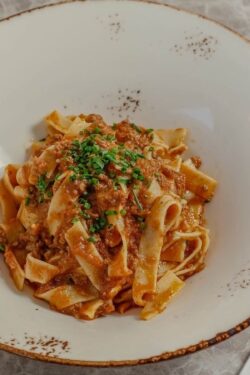
Tomato sauces and bolognese: thaw in the fridge, or microwave in a covered bowl at 50 percent power, stirring every 2 minutes. Reheat on the stove until simmering, 8 to 10 minutes. Cook the pasta fresh and finish it in the sauce.
Cream sauces and gravies: thaw fully in the fridge first. Reheat over low heat, whisking constantly. If the sauce looks grainy or separated, whisk in 2 to 3 tablespoons of hot broth or milk and it usually comes back together. Never let it boil.
Braises (short ribs, pot roast, pulled pork): thaw in the fridge for 24 to 48 hours, since the pieces are dense. Reheat covered in a 325°F oven for 30 to 45 minutes, or on the stove in the braising liquid over low heat for 20 to 25 minutes. The liquid protects the meat, so never reheat braised meat dry.
Baked pasta (lasagna, baked ziti, mac and cheese): from frozen, covered at 375°F for 75 to 90 minutes, then uncovered 15 to 20 minutes. Thawed, covered at 375°F for 45 to 60 minutes, then uncovered 15 minutes. A half pan needs about two-thirds of those times. Check the center with a thermometer; the edges read hot long before the middle does.
Casseroles with a crust (pot pie): always bake from frozen. A thawed raw crust turns soggy. Bake at 375°F for 60 to 75 minutes for a 9-inch pie, with foil on the edges after 40 minutes.
Rice and grain casseroles: thaw overnight in the fridge for the best texture, then bake covered at 350°F for 35 to 45 minutes. From frozen, allow 60 to 75 minutes. Spoon 1/4 cup of broth over the top before baking, because rice absorbs liquid as it sits.
Meatballs and cooked meat: no need to thaw. Simmer in sauce or gravy, covered, 12 to 15 minutes, or spread on a sheet pan at 350°F for 15 to 20 minutes.
Stuffed vegetables: bake from frozen, covered, at 375°F for 50 to 60 minutes with a little liquid in the dish, then uncover for the last 10 minutes.
Bread and rolls: thaw at room temperature in the bag for 1 to 2 hours, then refresh in a 350°F oven for 5 to 8 minutes.
What Not to Freeze
- Cooked pasta in soup turns mushy. Cook it fresh and add when serving.
- Dairy-heavy sauces like sour cream or cream gravies can split. Add dairy when reheating instead.
- Crisp toppings like breadcrumbs go soft. Add them before baking.
- Raw potatoes darken and turn watery unless blanched or cooked first.
How to Use Your Freezer Stash
A full freezer only helps if you remember to use it. A few habits make it easy.
- Plan freezer nights on the calendar. Pick one or two nights a week when you know you’ll be busy and assign a freezer meal to each.
- Move it the night before. Soups, stews and meatballs reheat faster when thawed in the fridge overnight. Set a phone reminder so you don’t forget.
- Keep sides simple. A bagged salad, steamed green beans or crusty bread rounds out most of these dinners with no extra planning.
- Eat oldest first. Check your inventory before choosing, and use whatever was frozen earliest.
- Share the work. With reheating instructions on every label, anyone in the house can get dinner started.
Scaling the Plan Up or Down
If six doubled recipes feels like too much, cut it to three: one soup, one casserole and one protein like meatballs. That still gives you about six dinners. If you have a chest freezer and a helper, triple the soups instead of doubling them, since they take almost no extra effort in a larger pot. Just make sure your pots are big enough, and never fill one more than about two-thirds full so it can simmer without boiling over.
A second weekend plan for variety
Once the first batch is half gone, or if the first six do not suit your household, this second plan uses a different set of six with the same structure. It leans more on chicken, beans and vegetables, with one splurge.
The six dinners
- Chipotle Black Bean Soup: freezes as well as the lentil soup. Freeze it without the toppings.
- Lentil Bolognese: freeze the sauce only, in 2-cup portions.
- Chicken and Wild Rice Casserole: assemble in two 8×8 foil pans without the panko topping and freeze unbaked.
- Beef and Mushroom Shepherd’s Pie: freeze fully assembled with the potato top. Mashed potatoes freeze well when they are rich with butter and milk.
- Red Beans and Rice: freeze the beans alone and cook fresh rice on the night.
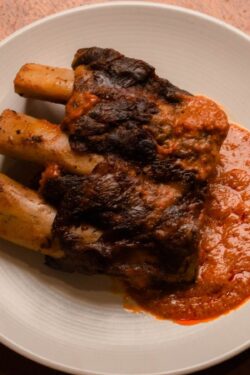
- Red Wine Braised Short Ribs: freeze the ribs in their strained braising liquid in a rigid container. It is the most expensive dinner here and the one that tastes most like a restaurant on a Tuesday.
Shared prep
Five of the six start with diced onion, and four use celery and carrot. Chop about 8 onions, 6 carrots and 6 celery ribs on Saturday morning and split them by recipe. The bolognese, the shepherd’s pie and the short ribs all use tomato paste and beef or vegetable broth, so buy those in one trip.
The schedule
- Saturday morning: soak the kidney beans if your recipe calls for it, chop the aromatics, and get the short ribs seared and into the oven first, since they braise for 3 hours or more.
- Saturday afternoon: with the ribs in the oven, simmer the red beans on one burner and the black bean soup on another. Make the lentil bolognese once a burner frees up.
- Saturday evening: cool everything in shallow containers, then refrigerate.
- Sunday morning: cook the wild rice and chicken, make the sauce and assemble the casseroles. Brown the beef and mushrooms for the shepherd’s pie, make the potatoes and assemble.
- Sunday afternoon: pack, label and freeze. Skim the fat off the chilled short rib liquid before packing.
If you alternate the two plans, one weekend a month keeps a rotating dozen dinners in the freezer without eating the same thing twice in a week.
Making It a Habit
You don’t need a full weekend every time. Once the freezer is stocked, simply double one dinner a week and freeze the extra. That steady trickle keeps the supply going all season with almost no extra effort.
Frequently asked questions
How long do freezer meals last?
At 0°F, frozen food stays safe indefinitely, but for best quality use soups, stews and casseroles within 2 to 3 months and cooked meatballs within 3 to 4 months.
Can you freeze a lasagna before baking it?
Yes. Assemble it in a freezer-safe pan, wrap tightly and freeze unbaked. Bake from frozen, covered, at 375°F for about 1 1/2 hours, then uncovered for 15 to 20 minutes until the center reaches 165°F.
What is the safest way to thaw frozen meals?
Thaw in the refrigerator, usually overnight or up to 48 hours for large casseroles, or in sealed bags under cold water. Many casseroles can also go straight from freezer to oven. Never thaw on the counter.
Do potatoes freeze well in stew?
They are safe to freeze, but they often turn grainy or soft. For better texture, freeze the stew without potatoes and add freshly boiled potatoes when you reheat.